Landing at Changi the first time, I had this very overconfident attitude like, arre yaar, Singapore is so organized, airport se city jaana toh easiest part hoga. And technically... yes, it is easy. But the real question is not can you get to the city. It’s which option makes the most sense after a long flight, with luggage, maybe kids, maybe parents, maybe just a very tired version of yourself who hasn’t slept properly since Chennai or Delhi or Mumbai. I’ve now done the airport-to-city run in Singapore in more than one way — MRT, taxi, Grab, and even asking around about shuttle options — and honestly each one has its own mood, own budget logic, own little headache. So this is not one of those robotic comparison posts. This is more like what I’d tell a friend on WhatsApp before their trip.
Also, small thing but important, Changi Airport is ridiculously efficient. Immigration is usually smooth if your documents are sorted, the terminals are clearly marked, signs are in English, and public transport links are genuinely good. Safety-wise too, Singapore is one of those places where even late-night arrivals don’t feel chaotic in the way some big airports do. That said, transport prices have gone up a bit compared to what some old blog posts still claim, so if you’re reading outdated stuff saying everything is super cheap... um, not really. It’s manageable, yes. Cheap-cheap, no.
First things first: where exactly are you going in the city?
#This sounds obvious but half the confusion starts here only. When people say “city”, they usually mean Marina Bay, Bugis, City Hall, Orchard, Clarke Quay, Chinatown, Little India, or maybe around Lavender and Jalan Besar because lots of Indian travellers stay there. If your hotel is in Little India, Farrer Park, Bugis, or Chinatown, MRT can be brilliant. If you’re going to Sentosa, a business hotel in some less direct area, or you’ve booked one of those family rooms in Geylang or Katong, then taxi/Grab might suddenly look way more sensible. Singapore is compact, but door-to-door convenience matters more than map distance when you’re dragging a suitcase that has somehow become heavier on arrival.
My honest first choice when I’m solo: MRT
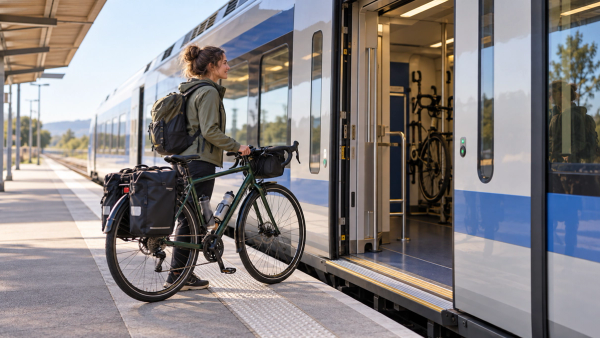
#The MRT is the option I usually recommend first for budget travelers, solo travellers, students, and honestly anyone who doesn’t mind a little walking. From Changi Airport, the MRT connection is straightforward, clean, air-conditioned, and pretty cheap compared to cabs. You generally board from the airport station and then change trains at Tanah Merah to continue toward the city side. That change is the part some people find annoying after a flight, but it’s not hard. Signage is very clear. If you can manage one interchange in Delhi Metro, you can handle this too, trust me.
Cost-wise, MRT is by far the lowest-priced mainstream option. Think just a few Singapore dollars depending on where you get off, which feels great after seeing hotel rates and food bills in Singapore. Travel time to central areas is usually around 35 to 45 minutes, give or take walking inside stations and the wait during the interchange. If your hotel is near an MRT station, this is a sweet deal. I did this while staying near Bugis once, and even with one cabin bag plus backpack, it was honestly smooth. Not luxurious, but smooth.
- Best for solo travelers, backpackers, couples traveling light
- Usually cheapest option from airport to city
- Very safe, very clear signs, easy even for first-timers
- Less fun if you have 2 big suitcases, sleepy kids, or elderly parents with you
One thing Indian travellers should know — payment is easy these days, and Singapore’s public transport system is very card-friendly. Many people just use a contactless bank card or mobile wallet if enabled, though some still prefer getting a stored-value transit card for convenience. Check your bank’s foreign transaction charges before happily tapping everywhere, warna later statement dekh ke mood off ho jayega. I’ve seen that happen. Not nice.
When MRT is not worth the savings
#This is where some budget blogs get a bit preachy, like always take public transport, save money, be smart. Haan, okay, but after a red-eye flight from India, with immigration done, maybe your child is cranky, maybe your mother’s knee is hurting, maybe your hotel check-in is still far away... in those cases MRT can feel more irritating than economical. Lifts and escalators exist, obviously, but you still have platform movement, train changes, station exits, sidewalks, and finding the hotel entrance. In Singapore heat and humidity, even a 7-minute walk with luggage can feel like punishment. So no, MRT is not always the hero.
Taxi from Changi: easiest, most no-nonsense option
#If you just want to get in and go, airport taxi is the cleanest answer. Changi has an organized taxi queue system, it moves fast, and there’s no bargaining drama, no scammy “meter not working” scene, none of that nonsense we’re unfortunately trained to mentally prepare for in many places. You stand in line, get a cab, tell the driver your hotel, done. For a lot of Indian families, especially first-time Singapore visitors, this is the option that gives peace of mind straight away.
Now the catch — taxis cost more than MRT, obviously, and there can be surcharges depending on time, airport pickup, late night hours, peak periods, things like that. So your total fare to the city may vary quite a bit. For central Singapore, it’s often still reasonable when split among 2 to 4 people. That’s the key point. Solo, taxi feels expensive. Family of four? Suddenly not bad at all. I took a taxi once to Little India after landing exhausted, and honestly I regretted nothing. Twenty-ish minutes later I was checking into my hotel, showering, and heading out for proper food instead of decoding train maps with zombie eyes.
If you’re landing late at night, carrying a lot, or traveling with parents, taxi is one of those places where spending extra actually buys comfort, not just convenience.
Taxi vs Grab — people mix them up, but the experience can be a bit different
#A lot of us from India automatically open Grab because it feels like using Uber or Ola abroad. And yes, Grab is super common in Singapore. It works well, drivers are usually professional, app tracking is useful, and you get upfront pricing before booking, which some travelers prefer over meter uncertainty. But here’s the slightly annoying truth: Grab is not always cheaper than a regular taxi from Changi. Sometimes it is. Sometimes it absolutely isn’t. If there’s demand surge, rain, event crowds, rush hour, or just one of those random busy moments, Grab can jump enough to make you stare at the screen and go... excuse me?
That happened to me near evening when a friend and me were heading out from the airport area later on another trip. Grab rates had spiked, while regular taxi was more sensible. So my rule now is simple — check the app, but also look at the taxi queue. Compare both. Don’t assume app cab means cheaper. In Singapore, efficiency matters more than romance with one transport brand.
- Grab is good if you want fare visibility before ride confirmation
- Useful for cashless payment and app-based pickup tracking
- Can be pricier than taxi during surge periods
- Good choice if you have a promo code or are heading somewhere less direct
So where does shuttle fit in all this?
#Shuttle is the option people search for a lot, but fewer actually end up taking, at least from what I’ve seen. Shared airport shuttles do exist through some airport transfer services and hotel-arranged options, but this is not the first thing I’d suggest unless your hotel specifically offers it or you’re on some package. Why? Because the value depends heavily on timing. If it’s a shared shuttle, you may wait for other passengers, then do multiple hotel drop-offs before yours. After a long flight, that can be mildly painful. Not disaster, just... a drag.
That said, shuttle can be useful for travelers who want a pre-booked, fixed-ish cost and don’t want the stress of figuring out MRT or app cabs on arrival. Some hotels, especially mid-range and business properties, can help arrange transfers. If you’re traveling in a group and the shuttle is private rather than shared, then it becomes less “shuttle” and more “booked transfer”, which is actually pretty nice. Just read the fine print carefully. Shared, private, waiting time, baggage allowance — all that matters.
My rough cost and comfort breakdown, the practical version
#| Option | Typical cost feel | Time to city | Comfort level | Best for |
|---|---|---|---|---|
| MRT | Lowest | Around 35–45+ mins | Basic but efficient | Solo travelers, light packers, budget trips |
| Taxi | Medium to high | Around 20–30 mins | Very comfortable | Families, late arrivals, elderly travelers |
| Grab | Medium to high, can surge | Around 20–30 mins | Comfortable | App users, cashless rides, door-to-door ease |
| Shuttle | Varies a lot | Can be slower if shared | Okay to good | Pre-booked transfers, some hotel guests, groups |
Those numbers aren’t fixed-fixed because Singapore pricing can shift with timing, and your exact hotel location changes things. But in broad terms, this is the real-world picture. MRT wins on money. Taxi wins on simplicity. Grab sits in between but can randomly become the expensive cousin. Shuttle is niche, useful sometimes, not always.
What I’d choose based on who is traveling
#If you’re a college kid, young professional, couple with backpacks, or someone doing Singapore on a tighter budget, take the MRT and spend the savings on better hawker food later. Seriously. One meal at Maxwell, Lau Pa Sat, or Tekka can make you happier than sitting in a cab. But if you’re with family, especially Indian family where one person always has extra snacks, one has duty free, one has jacket, one has medicines, one has neck pillow hanging somewhere — just book the cab or take airport taxi. It avoids friction. Sometimes that itself is worth the money.
For women traveling solo, I’d say all four options are generally safe in Singapore, which is honestly refreshing. I’ve seen women take MRT at odd hours there without the tension you might feel in many cities. Still, late night plus heavy luggage? Door-to-door car ride wins for comfort. For elderly parents, taxi is my clear recommendation. For business travelers on expense account, why are you even reading this, just take the taxi and go sleep.
A small but useful tip about hotels and neighborhoods
#A lot of Indian travelers stay around Little India, Bugis, Lavender, Clarke Quay, Chinatown, or Orchard depending on budget. Budget hotels and capsule-style stays can start from roughly SGD 70–120 a night if booked smart, though prices jump a lot on weekends and during events. Mid-range hotels often sit around SGD 140–250 and above. Family-friendly places or better located chain hotels can go much higher, because Singapore in general isn’t exactly budget-destination material. If your accommodation is right next to an MRT station, that strengthens the case for train. If it’s inside a lane, uphill, or a 10-minute humid walk away, maybe not.
Little India is especially popular with Indian travellers because food feels familiar, Mustafa is there, and somehow you settle in faster. I’ve done this too. Landing in a super polished country and then stepping out later for dosa, biryani, chai, or even just hearing Tamil and Hindi around you — it gives a weird comfort, in a good way. But yeah, if your hotel there is not directly by a station and you have bags, taxi from airport is still a very decent call.
Season, timing, and little things that change your airport transfer experience
#Singapore is year-round travel friendly, but also year-round humid, so don’t expect some magical cool season. There are relatively wetter months, occasional showers, and rain can affect road demand a bit, especially for Grab pricing. Big event periods, school holidays, concerts, Formula 1 season, major exhibitions, and festive times like Christmas, Chinese New Year, Deepavali around Little India, all this can impact hotel rates and city traffic mood. Not in a scary way, just enough that the cheapest/fastest transfer one day may not feel that way on another.
If you arrive in the morning and your hotel check-in is much later, MRT is easier because you may want to drop bags or roam around anyway. If you arrive at 11 pm after delays and just want bed, don’t be a hero. Take a taxi. I say this with love. Travel planning should be practical, not performative.
Food, first impressions, and why saving on transport can actually improve your trip
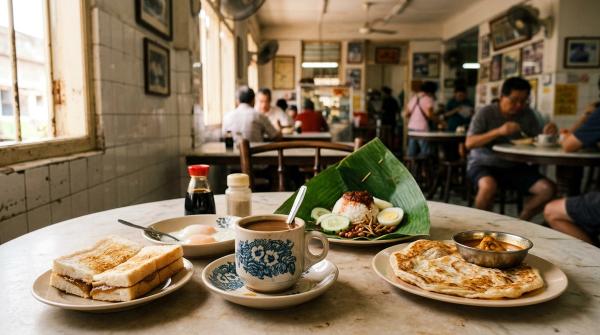
#One reason I don’t blindly say “always take taxi” is because Singapore food is too good to waste budget on unnecessary rides. If you save on the airport transfer by taking MRT, that money can go into hawker centres, kopi, kaya toast, chicken rice, laksa, satay, roti prata, or those random little things you spot and try just because the queue looks promising. And as Indians, let’s be honest, we are very food-motivated travelers. Some of my best Singapore memories are not from fancy attractions but from eating till I could barely walk and then taking the MRT back feeling triumphant.
Btw, if you’re vegetarian or traveling with parents who need familiar food quickly, areas like Little India make life easier. Tekka Centre, small veg joints, South Indian meals, North Indian restaurants — all easy enough to find. That also affects your transfer choice. If your first plan after hotel is food rescue, getting there comfortably may matter more than saving 15 dollars.
My final take: which one would I pick again?
#If I land alone or with one easy bag, I’d still take MRT most of the time. It’s efficient, cheap, and very Singapore in the best way — clean, calm, reliable, no fuss. If I land with family, parents, too much luggage, or after a bad flight, taxi wins instantly. Grab is worth checking, not worshipping. Compare before booking. Shuttle, for me, is more of a special-case option than a default recommendation unless your hotel has arranged something neat.
So yeah, Singapore airport to city is easy whichever way you choose, and that’s the nice part. There isn’t really a bad option, only the wrong option for your specific trip. Think about budget, energy level, number of bags, hotel location, and arrival time. Do that and you’ll get it right. And once you reach the city, everything starts moving fast — the skyline, the food plans, the walking, the “let’s just see one more place” madness. Honestly, that first ride from Changi kind of sets the tone. Choose the one that lets you start happy, not irritated. If you like travel writeups like this, a bit practical and a bit real-life, go browse AllBlogs.in too.