I used to think jet lag was just one of those mildly annoying travel things, like bad airport coffee or sitting next to somebody who takes both armrests and somehow your leg space too. But after a few brutal long-haul trips, I stopped being cocky about it. One flight from New York to Tokyo absolutely wrecked me for, no joke, almost five days. I was hungry at 3 a.m., weirdly emotional by lunch, and then staring at the hotel ceiling at midnight like my brain had just... forgotten what sleep is. So yeah, this post is for anyone who keeps hearing the same fluffy advice like “drink water and rest” and is thinking, okay but what actually helps?
Quick thing before we get into it. I’m not your doctor, obviously, and if you’ve got a sleep disorder, bipolar disorder, ongoing insomnia, or you’re pregnant, on blood thinners, managing epilepsy, or taking meds that affect sleep, you should really check with a clinician before trying supplements like melatonin. But for regular ol’ travel jet lag, there are some pretty evidence-based things that seem to work in 2026, and some wellness trends that are honestly just expensive nonsense. I’ve tried both kinds, unfortunatley.
First, what jet lag actually is, because I kinda misunderstood it for years
#Jet lag isn’t just “being tired from travel.” That’s part of it, sure, but real jet lag is a circadian rhythm problem. Your internal body clock is still running on your departure city’s time while the rest of you has landed somewhere else. That mismatch can mess with sleep, alertness, appetite, digestion, mood, exercise performance, and even blood sugar control for a bit. Current sleep medicine guidance still says it tends to get worse when you cross multiple time zones, especially 3 or more, and eastward travel is usually harder because asking your body to fall asleep earlier is, frankly, rude.
The biggest shift for me was realizing I shouldn’t treat jet lag like laziness or weakness. It’s a body-clock problem, not a character flaw.
Also, newer sleep-health conversations in 2025 and 2026 are much more focused on circadian health overall, not just total hours slept. That means timing matters. Light timing, meal timing, caffeine timing, movement timing. All of it. Once I started paying attention to timing instead of just trying to “push through,” recovery got way faster. Not perfect. But way better.
The number one thing that actually works: light exposure, and yeah it matters more than supplements
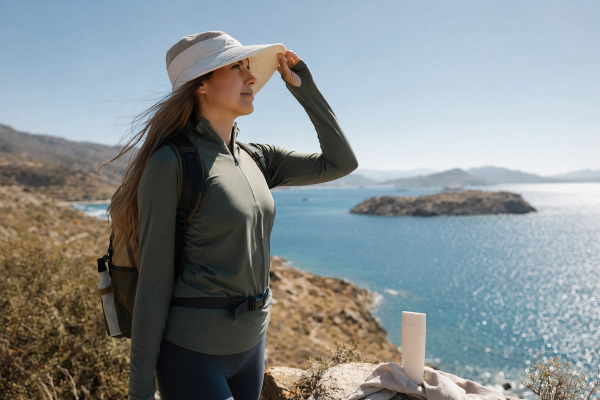
#If I could only give one tip, it would be this. Use light on purpose. Morning light helps shift your body clock earlier, which is useful when you’ve traveled east and need to start sleeping earlier local time. Evening light can help delay the clock, which can be useful after westward travel when staying awake later is the goal. This isn’t woo-woo wellness talk, it’s one of the most established circadian tools we have. Bright outdoor light is usually stronger and more effective than indoor hotel lighting, even when the weather is kind of blah.
What I do now is pretty simple. On arrival, I get outside as soon as I can at the right local time. If I’m going east, I try to get early daylight and avoid blasting myself with bright light late at night. If I’m going west, I stay out a bit later and don’t rush to bed at 7 p.m. local time like a confused toddler. This one habit has saved me more than any “sleep gummy” ever did.
- Eastward trip: prioritize morning outdoor light, dim things down earlier at night
- Westward trip: get afternoon or early evening light, don’t hide in the hotel all day
- If it’s nighttime local time but your body thinks it’s noon, use low light, blue-light reduction, and boring activities to help the signal sink in
Melatonin can help... but people use it kinda wrong all the time
#Melatonin is still one of the better-studied options for jet lag in 2026, but more is not always better. That was a hard lesson because I used to take a giant dose thinking I’d knock myself out. Instead I felt groggy, had vivid dreams, and woke up feeling like my brain was wrapped in hotel carpet. A lot of sleep specialists now lean toward lower doses for circadian shifting, often somewhere around 0.5 to 3 mg, depending on the person and the product, taken at the correct local time rather than randomly right before bed because you remembered it in the dark.
For me, a low dose on the first few nights at destination time worked better than the mega-dose stuff. Timing is the whole game. If you take it at the wrong time, you can make things worse or just get side effects without much benefit. And one annoying truth is supplement quality can vary. Third-party tested products are worth looking for. I know, boring advice, but this is one area where boring is smart.
Honestly? Start before the flight if you can
#This was probably the biggest “why did nobody tell me this sooner” moment. If I’m crossing a bunch of time zones, I start nudging my sleep and meal times 2 to 4 days before I leave. Not in some extreme biohacker way. Just an hour earlier each night for an eastbound trip, or later for a westbound one, if my schedule lets me. I also shift when I have coffee and when I exercise. It sounds a little extra, maybe it is, but even a partial adjustment makes arrival less awful.
And no, I don’t always do it perfectly. Sometimes life is chaos and I’m packing at midnight and eating pretzels over an open suitcase. But when I do pre-shift, I feel the difference. Less headachey, less zombie-ish, and way less likely to ruin day one of a trip by accidentally napping for four hours and waking up in total despair.
Caffeine is useful, but only if you stop treating it like a personality
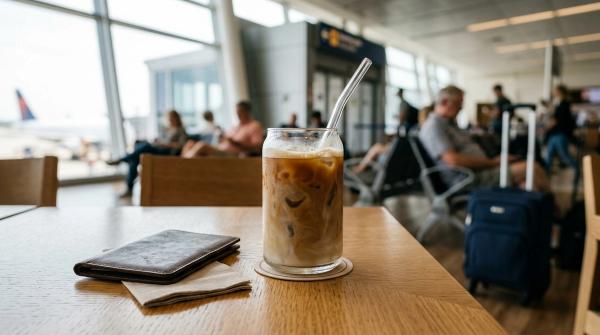
#Look, I love coffee. Deeply. Spiritually. But I’ve learned caffeine can either help me sync up or absolutely sabotage me. Current travel-sleep advice still supports strategic caffeine for daytime alertness, especially in the destination morning or early afternoon, but not too late in the day. And “too late” is earlier than a lot of us want to admit, because caffeine hangs around for hours. If I drink coffee at 4 p.m. local time after landing, there is a very real chance I’ll be reorganizing my email at 1 a.m. and wondering who has done this to me.
- Use caffeine early in the destination day if you need a boost
- Skip it within roughly 8 hours of your planned bedtime if you’re sensitive
- Don’t combine heavy caffeine, alcohol, and sleep aids and then expect your body to be chill about it
Hydration helps, but not in the magical influencer way
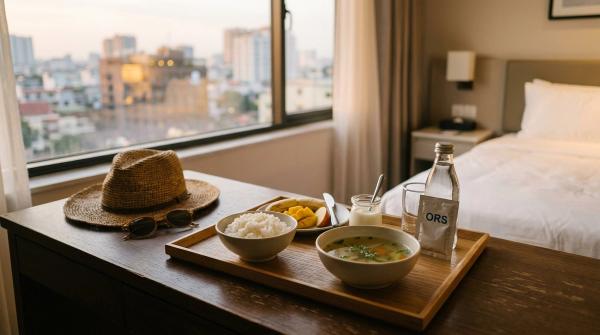
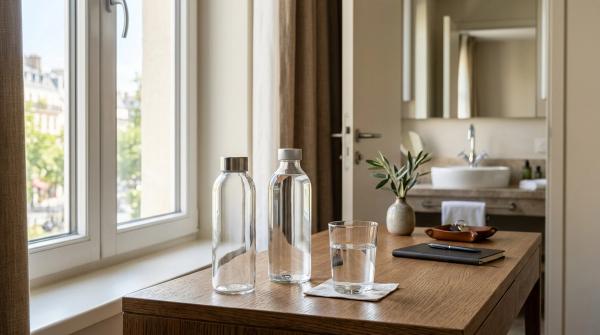
#Yes, cabin air is dry. Yes, being dehydrated can make you feel worse. No, water alone does not cure jet lag. I wish it did because that would be easy. Still, I do think basic hydration matters for how rough the travel day feels. I sip water regularly, eat hydrating foods when I can, and on really long flights I’ll sometimes use an electrolyte drink, especially if I’ve had coffee or if I’m arriving somewhere hot. The 2026 wellness world is obsessed with electrolyte everything, which is a bit much, but for long-haul travel they can be genuinely useful.
That said, I avoid overdoing alcohol on flights now. Learned that one the dumb way. It can make sleep more fragmented, worsen dehydration, and leave you feeling extra grim on arrival. Flight sleep after a few drinks is not really quality sleep, at least not for me. It’s more like passing out in installments.
Food timing is weirdly important, and this is one of the newer wellness conversations I actually buy into
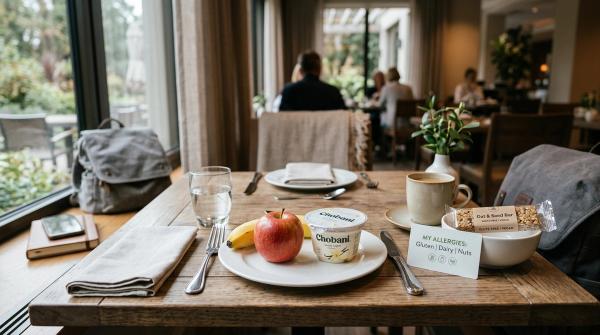
#There’s growing interest in chrono-nutrition, basically the idea that when you eat affects your body clock and metabolic health. In 2025 into 2026, this has become a bigger part of mainstream wellness and sleep discussions, and honestly I think it deserves the attention. I feel noticeably better when I start eating on destination time as soon as practical, even if it means a light meal when I’m not super hungry or skipping a random body-clock craving for pancakes at 2 a.m.
My loose rule is this: once I board or once I land, depending on the trip, I begin treating meal times like I’m already in the new place. Protein-heavy breakfast after morning arrival helps me stay awake. Huge greasy late-night meals, on the other hand, tend to make everything worse, including reflux and bloating. Jet lag plus airport fries is a combo I no longer romanticize.
Naps are not evil. But they are sneaky little goblins
#People give very dramatic nap advice. Never nap! Always nap! Here’s my take: short naps can absolutely save a day, but long naps can wreck the night. If I’m dangerously tired, like can’t-read-a-menu tired, I’ll take a 20 to 30 minute nap or maybe a 90-minute full sleep cycle if it’s truly desperate and still early enough. But I avoid late afternoon naps after arrival because that’s where things start to go off the rails. I once took a “quick rest” at 5 p.m. in London and woke up at 11 p.m. convinced it was breakfast time. Not ideal.
Move your body, but don’t turn the first day into punishment
#Exercise helps. Most people know that. What I missed for years is that gentle movement can be enough. You don’t need to land after a 13-hour flight and immediately do some savage HIIT class because TikTok said it resets your system. A walk outside, some mobility work, light cardio, even stretching in the hotel room can improve alertness and mood and help cue the new day. If I do intense exercise too late, especially after eastward travel, I sometimes get that wired-tired thing and then sleep gets all messed up agian.
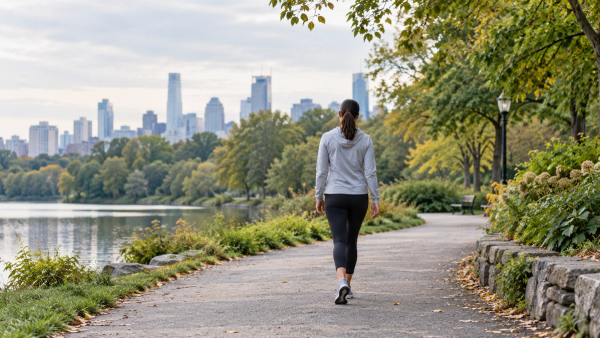
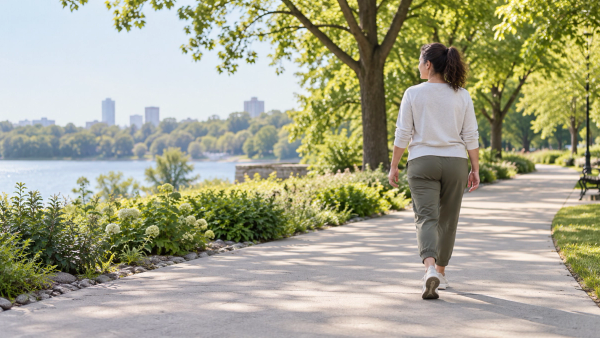
- Best arrival-day move for me: a 20 to 40 minute walk in daylight
- If your legs are swollen from flying, easy movement helps circulation and feels way better than collapsing all day
- Save the heroic workouts for when your brain is back online
Sleep tech is better in 2026, but don’t let it make you neurotic
#This is where I’m a little conflicted. Wearables and sleep trackers are way more advanced now than they used to be. A lot of them estimate sleep timing, heart rate variability, body temperature trends, and recovery pretty decently, and some travel apps now offer jet lag plans based on light exposure and schedule shifts. That can be genuinely helpful. But also... if you become obsessed with your readiness score while crossing eight time zones, you may end up more stressed than informed. I’ve done this. Me and my watch were not getting along.
Use the data lightly. If an app reminds you when to seek light or avoid caffeine, great. If it turns your trip into a full-time spreadsheet, maybe back off. The best recovery signals are still pretty basic: Are you getting sleepy at a normal local time? Are you less foggy in the day? Is your appetite normalizing? That stuff counts.
A few things that are overhyped, at least in my opinion
#I’m sure some people swear by these, and if something harmless helps you, cool. But I personally think some jet lag fixes are oversold. IV drips at luxury airports. Fancy “anti-jet-lag” patches with mysterious herbs. Massive supplement stacks with seventeen ingredients and one of them is always magnesium for some reason. Red-light masks for in-flight circadian alignment. Like... maybe. But the basics have more evidence: light, timing, melatonin used properly, smart naps, movement, and sleep hygiene.
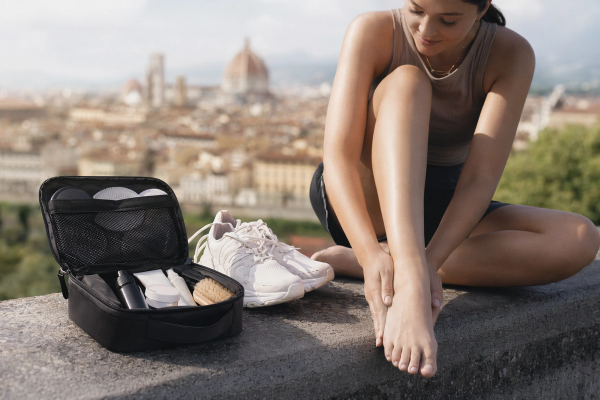
One thing I will say though, compression socks are not sexy but they are excellent on long-haul flights. Not exactly a jet lag treatment, more of a comfort and circulation thing, but they make a huge differnce for me. Especially if I’m trying to arrive without sausage ankles.
My personal long-haul recovery routine now, more or less
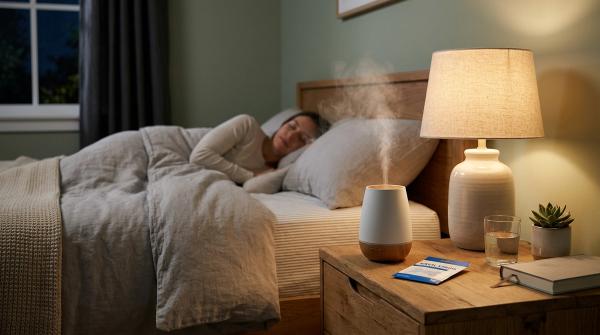
#The night before, I pack early if possible and aim for a decent sleep, not a perfect one. On the plane, I set my phone to destination time because I need the mental switch. I eat lightly, hydrate, skip too much alcohol, and use caffeine only if it fits the new schedule. If sleep on the plane matches destination night, great. If not, I don’t panic. After landing, I get daylight, walk, eat on local time, keep naps short, and use a low-dose melatonin only if it fits my plan and I know I tolerate it. Then I protect the first real night: cool dark room, low light, no doomscrolling, no giant dessert buffet right before bed. Mostly because I’m not 22 anymore and my body keeps receipts.
Jet lag recovery got easier when I stopped looking for one magic trick and started stacking small things that all point my body in the same direction.
When to get extra help, because sometimes it’s not just normal jet lag
#If your sleep is still seriously off after a week or two, or jet lag seems to hit you way harder than other people every single time, it may be worth talking with a healthcare professional or sleep specialist. Same if travel triggers migraines, severe anxiety, heart palpitations, or mood changes that feel bigger than simple fatigue. People with existing sleep disorders, obstructive sleep apnea, depression, bipolar disorder, and certain neurologic or hormonal issues can have a tougher time with long-haul trips. It’s not you being dramatic. Sometimes there’s more going on.
And if you snore heavily, wake up choking, or are exhausted all the time even when you’re home, please don’t just blame travel forever. Sleep apnea screening and treatment have become more accessible in recent years, and untreated sleep issues can make every trip feel ten times worse. That’s not a wellness hack, just plain old useful medical care.
The boring conclusion, which is annoyingly the true one
#So, what actually works for jet lag recovery after long-haul trips? In my experience and based on where the research still points in 2026, it’s this: use light strategically, shift your schedule before the trip if you can, consider low-dose melatonin at the right time if it’s safe for you, be smart about caffeine, hydrate without being weird about it, eat on local time, move your body, and don’t let naps take over your life. None of that sounds glamorous. I know. But glamorous was never the goal. Feeling human again is the goal.
Anyway, if you’ve got a monster flight coming up, I hope some of this helps and saves you at least one miserable 3 a.m. hotel-room stare session. Travel is amazing, but wow it can do a number on your system. I’m still tweaking my routine every trip, still messing it up occasionally, still learning. That’s health stuff in general, honestly. If you like this kind of practical wellness rambling, I sometimes find good reads over on AllBlogs.in too.