The vending machine saved me on my first jet-lagged morning
#I landed in Tokyo with that weird airplane mouth, the kind where everything tastes like cardboard and recycled air, and I remember standing outside a hotel in Ueno at maybe 6:30 in the morning staring at a glowing vending machine like it was a holy object. I wasn’t drinking alcohol on that trip, partly because I wanted clear mornings and partly because Japan is just too good at non-alcoholic drinks to waste the stomach space. Hot canned coffee, cold barley tea, little bottles of green tea, yogurt drinks, melon soda, even corn soup in winter vending machines... honestly, I became slightly obsessed. People talk about sake and whisky when they talk about drinking in Japan, and yes sure, that world is huge. But if you don’t drink, you are not stuck with sad water. Not even close.
Japan might be one of the easiest places I’ve traveled for alcohol-free sipping, especially if your idea of travel includes wandering neighborhoods, eating constantly, and stopping every 40 minutes because your feet hurt. Convenience stores, vending machines, train kiosks, kissaten coffee shops, department store basements, temple-town tea houses, ramen counters, izakaya menus with 0.00% beers... it’s everywhere. And the best part is that the drinks actually connect to place. A bottle of cold mugicha on a sweaty Osaka afternoon feels different from matcha in Uji, or sanpin-cha in Okinawa, or a tiny cup of kombu-cha in a ryokan lobby when you’re wearing slippers that do not fit properly. That’s the fun bit.
Start with tea, because Japan does tea like other places do weather
#If you only learn one thing before going to Japan as a non-drinker, learn the tea shelf. Seriously. It looks simple at first, all greenish bottles with kanji you probably can’t read if you’re like me, but after a few days you start getting opinions. Strong opinions. Unsweetened bottled green tea became my default train drink. It’s clean, a little bitter, and makes convenience-store onigiri taste better somehow. Ito En’s Oi Ocha is probably the one travelers spot most often, and Suntory Iyemon is another big one, but don’t stress the brands too much. Just look for green tea, ryokucha, or ocha, and expect it to be unsweetened unless the label clearly says otherwise.
Then there’s hojicha, roasted green tea, which I think is the most underrated travel drink in Japan. It’s nutty and warm tasting even when it’s cold, like someone toasted the edges of the tea. I drank it on a rainy day in Kanazawa after walking around Higashi Chaya district with wet socks and a bad attitude, and it fixed me. Not fully, but enough. Genmaicha is another lovely one, green tea with roasted rice, which smells a bit like popcorn if you want to be unromantic about it. In Kyoto, especially around Uji, matcha gets all the attention, and fair enough, it deserves it. But bottled hojicha from a 7-Eleven at midnight? That’s also Japan, and sometimes that’s the one you remember.
Mugicha is the summer drink I wish every country had
#Mugicha, barley tea, is caffeine-free and usually unsweetened, which makes it a lifesaver if you’re walking around in humid weather and don’t want another coffee buzzing around your skull. Japanese summer can be brutal, not dramatic-brutal but damp towel on your face brutal, and mugicha just works. I bought my first bottle by accident because I thought it was black tea. It was not. It tasted roasted and earthy and plain in a comforting way, and after that I kept choosing it with lunch boxes, especially when I had fried stuff like karaage or croquettes. It doesn’t fight the food.
In Okinawa, look for sanpin-cha, which is jasmine tea and usually served cold. I had it with Okinawa soba in Naha, sitting at a counter where the woman next to me was eating faster than I thought humanly possible, and the tea made the pork broth feel lighter. In Hokkaido, milk tea and dairy drinks hit different because Hokkaido is famous for dairy, and yes, I know packaged drinks are not always some romantic farm-to-bottle situation, but still. Travel is partly imagination. Let me have this.
Konbini drinks: the tiny fridge tour you didn’t know you needed
#Convenience stores in Japan are not just places to panic-buy phone chargers. They’re basically snack museums with better lighting. The drink fridges alone deserve a slow browse. You’ll find bottled teas, canned coffees, fruit waters, soy drinks, smoothies, drinkable yogurts, tiny probiotic bottles, seasonal sodas, and those mysterious jelly drinks in pouches that make you feel like you’re training for a marathon even when you’re just trying to reach the next temple. If you’re building a cheap breakfast around a drink, a rice ball, and maybe a boiled egg, you’ll probably like this guide to Convenience Store Breakfast While Traveling Picks, because kombini breakfast is basically its own travel skill.
- For a light breakfast, I usually grab unsweetened green tea, tuna mayo onigiri, and a banana if I’m pretending to be healthy.
- For a long train day, bottled hojicha or mugicha is better than too much coffee, at least for me, because train toilets and caffeine are not always friends.
- For dessert energy, drinkable yogurt or Calpis gives you that sweet-tangy thing without being as heavy as a milkshake.
- For weird fun, try whatever seasonal limited-edition soda is sitting there looking suspicious. Peach, grape, yuzu, melon, apple, sometimes things that should not be soda but somehow are.
One thing that surprised me: a lot of Japanese bottled teas are not sweet. If you’re coming from places where iced tea means sugar, sugar, and some more sugar, it can be a shock. I love it, personally. It means you can drink tea with sushi, curry rice, fried chicken, ramen, or a convenience-store egg sandwich without feeling like you poured syrup over everything. But if you do want sweet, you’ll find sweet milk teas, cafe au lait cans, fruit drinks, and sodas easily. Just don’t assume every tea is dessert tea.
Coffee culture is a whole mood, from boss cans to kissaten velvet chairs
#Japan does coffee in layers. There’s the vending machine can coffee, the convenience-store machine coffee, the sleek third-wave cafe coffee, and then the old-school kissaten coffee that comes with thick toast, ashtray ghosts, and a person behind the counter who looks like they’ve been making the same perfect cup since 1978. I love all of it, but not equally. Hot canned coffee from a vending machine at 7 a.m. in winter? Beautiful. Sweet canned cafe au lait at 11 p.m. after too much wandering? Also beautiful, even if it makes your teeth feel fuzzy. A careful pour-over in a quiet Tokyo cafe where nobody is speaking above a whisper? That’s when you remember coffee can be a travel destination.
My favorite coffee morning was in Kyoto, not at a famous place, just a small cafe near a bus stop where I ducked in because it was raining sideways. The owner served thick buttered toast, a hard-boiled egg, and coffee so dark it looked like it had secrets. I sat there watching umbrellas pass the window and thought, okay, this is why people come back to Japan. Not for one big attraction, but for these little pauses. If you’re planning huge sightseeing days, especially Tokyo neighborhoods where you accidentally hit 20,000 steps, it’s worth thinking about what you drink before you start. I’ve made the mistake of pounding two coffees before a long walk, and nope. This piece on Walking Tour Breakfast: What to Eat Before Long Walks is useful for that exact kind of day.
Matcha in Kyoto and Uji: touristy, yes, but still worth it
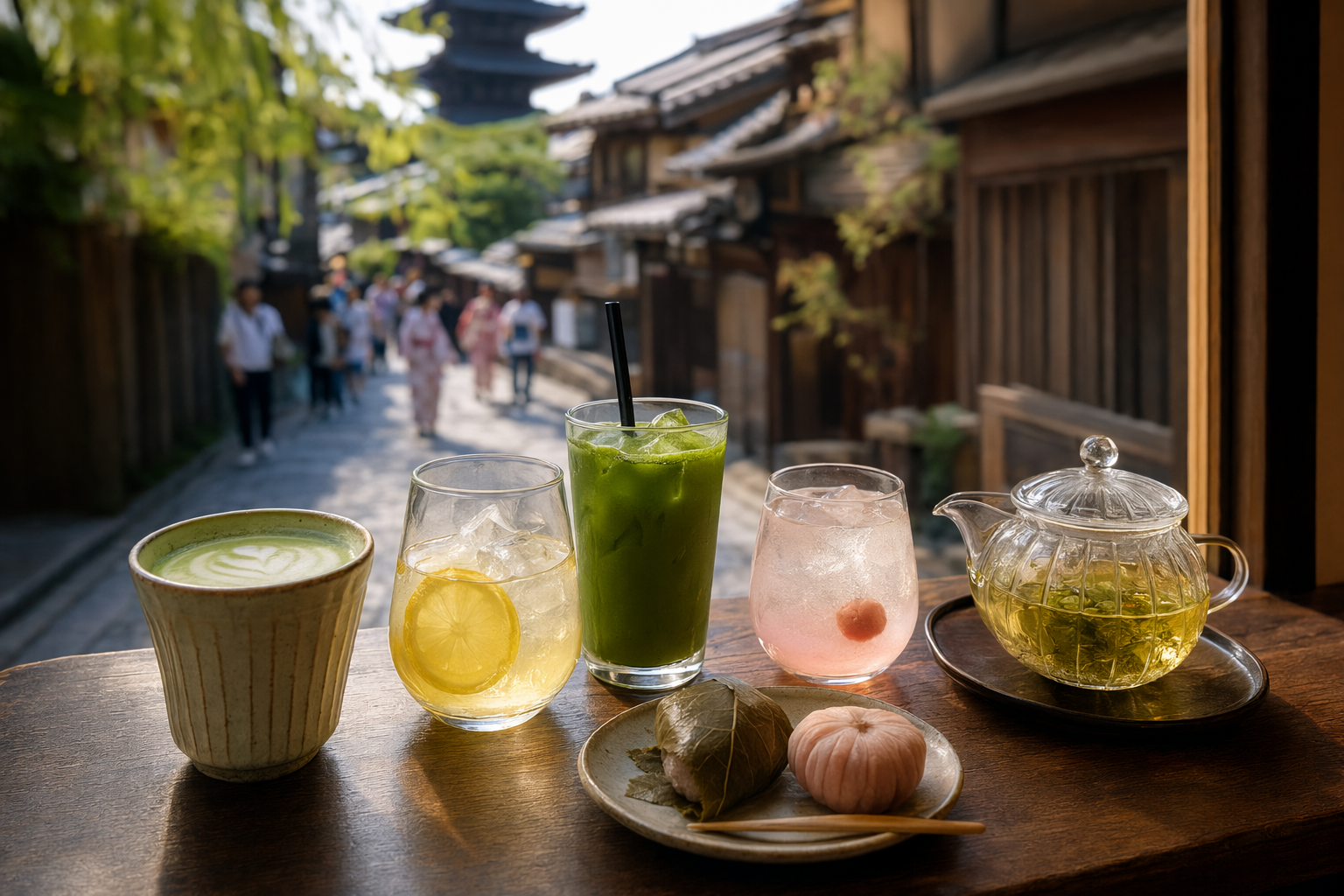
#I know matcha has become globally famous, and sometimes travel-famous things get annoying because everyone is photographing the same latte with the same foam leaf. But in Kyoto and especially Uji, matcha still feels rooted. Uji has been associated with high-quality tea for centuries, and even if you only have a casual interest, it’s worth taking the train out, walking near the river, and sitting down for proper matcha or matcha sweets. The first real bowl of matcha I had there was more bitter than I expected, grassy and intense, and the wagashi sweet beside it suddenly made sense. Like, ohhh, this is a pairing, not just a snack.
Be warned though: matcha desserts are everywhere in tourist zones, and not all of them are life-changing. Some are just green sugar. I still eat them, because I’m not made of stone, but the best moments for me were simpler. Matcha with a small sweet. Hojicha soft serve. A cold matcha latte after climbing too many steps because I misread a map, which I do constantly. In Kyoto’s Nishiki Market, you can snack your way through pickles, skewers, mochi, and tofu doughnuts, then wash it all down with tea. It’s crowded and slightly chaotic, and some locals have mixed feelings about overtourism there, so go gently. Don’t block stalls. Buy something if you photograph it. Basic manners, but you know... people forget.
Izakaya without alcohol is easier than people think
#A lot of non-drinkers worry about izakaya, because they’re often described as Japanese pubs. And yes, people drink there. But they also eat extremely well there, and many menus have soft drinks, tea, ginger ale, cola, oolong tea, juice, and increasingly non-alcoholic beer options. Japan’s legal drinking age is 20, which is also why 0.00% beer has a pretty visible market, including major labels like Asahi Dry Zero, Suntory All-Free, and Kirin’s alcohol-free beers. Check labels if it matters to you, because wording can vary, but 0.00% is usually printed clearly on the front.
My go-to izakaya order is oolong tea with yakitori. Something about cold oolong with salty grilled chicken skin, shishito peppers, and tare sauce just works. At one place in Fukuoka, I ordered non-alcoholic beer and the server gave me this tiny approving nod, like yes, you still understand the assignment. Maybe I imagined it. The beer itself had that crisp bitter thing, not exactly beer, not exactly not beer, and with gyoza it was honestly fine. Better than fine. If your friends are drinking, holding a bottle or glass of non-alcoholic beer also saves you from the whole explanation speech, which gets boring after the third time.
The trick in Japan isn’t finding a non-alcoholic drink. The trick is leaving enough time in your day to try all the ones you keep noticing.
Amazake, Calpis, Ramune, and other drinks with personality
#Amazake is one of those drinks travelers should know about but approach with a tiny bit of attention. The name means sweet sake, which sounds alcoholic, but there are different types. Koji amazake, made from rice koji, is typically non-alcoholic or very close to it, while sake lees amazake can contain alcohol. If you avoid alcohol completely, ask or check the label. I had warm koji amazake near a shrine on a cold day and it tasted like sweet rice pudding had turned into a drink. A little lumpy, a little cozy, maybe not for everyone. I loved it, then didn’t want another one for three days. That kind of drink.
Calpis, or Calpico outside Japan in some markets, is another classic. It’s milky, tangy, sweet, and tastes like childhood even if it wasn’t your childhood. It’s great over ice, and the soda version is fun with salty snacks. Ramune is more about the bottle than the flavor, let’s be honest. You pop the marble down and suddenly everyone at the festival is eight years old. I drank ramune with takoyaki in Osaka and got sauce on my sleeve within 30 seconds, which is basically the correct way to do it. Melon soda is neon green nonsense and I mean that affectionately. Put it with a scoop of vanilla ice cream in a kissaten and you’ve got a melon cream soda, one of Japan’s prettiest retro treats.
Regional sips that made the trip feel less copy-paste
#One of my favorite things about food travel in Japan is how regional flavors sneak into drinks. In Okinawa, shikuwasa citrus shows up in juices, sodas, dressings, and desserts. It’s sharp and bright, kind of lime-ish but not exactly. I drank shikuwasa juice after walking around Shuri Castle’s rebuilt areas and it was so sour my face did that automatic cartoon squeeze, but then I wanted more. Okinawa also has sanpin-cha everywhere, and it pairs beautifully with rich dishes like rafute, the slow-braised pork belly that makes you stop talking for a minute.
In Hokkaido, I leaned into milk. Milk tea, yogurt drinks, soft serve, cafe au lait, anything dairy. After a bowl of miso ramen in Sapporo, a cold bottle of milk tea probably isn’t traditional, and someone will tell me that’s wrong, but I liked it. In Nagano, apple juice is a nice pick because the region is known for apples. In Kochi and parts of Shikoku, yuzu drinks are fantastic, especially with seared bonito, where that citrusy lift makes the smoky fish taste even better. In Kanazawa, I had a gold leaf coffee once because I am easily influenced by shiny things. Did it taste like gold? Of course not. Did I feel fancy? Absolutely.
What to drink with the foods you’re actually traveling for
#Pairing drinks with Japanese food doesn’t have to be fussy. Most of the time, unsweetened tea is the answer. Sushi and green tea are a natural team, partly because tea cleans up the richness of fatty fish. With ramen, I prefer water or mugicha, because ramen broth already has enough going on and I don’t need a sweet drink fighting the garlic, pork, miso, or soy sauce. With tempura, cold oolong tea is lovely. With okonomiyaki or yakisoba, ramune or non-alcoholic beer feels right because the food is saucy, salty, and loud. Not literally loud. You know what I mean.
Kaiseki meals are where it gets interesting. If you don’t drink alcohol, tell the restaurant or ryokan ahead if possible, especially if it’s a set menu where sake pairings might be assumed. Many places will offer tea, water, juice, or non-alcoholic beer, but more upscale restaurants may also have non-alcoholic pairings now, especially in big cities. I had a Kyoto dinner where they served different teas through the meal, and it changed how I tasted everything. A delicate green tea with sashimi, roasted tea with grilled fish, and something lightly sweet with dessert. It wasn’t flashy. It was quiet and smart, which is very Kyoto, or at least the Kyoto I keep chasing.
Hydration drinks: Pocari Sweat, Aquarius, and the unglamorous heroes
#Let’s talk about Pocari Sweat, because the name makes first-time visitors giggle and then two days later they’re buying it like medicine. It’s an ion supply drink, basically a sports drink, mild and not too sweet compared with some Western ones. Aquarius is similar and also common. I don’t treat them as magic health potions, but on hot humid travel days, they’re handy. Japan’s summers have serious heat risk, and official travel and weather guidance regularly reminds visitors to hydrate and take breaks. If you’re temple-hopping in Kyoto in August or waiting in a theme park line near Osaka, plain water plus the occasional electrolyte drink is not a bad plan.
There are also jelly pouches, vitamin drinks, and tiny energy drinks with labels that make big promises. I’m cautious with the very caffeinated stuff because I once drank one before a night bus and spent six hours regretting every life choice. But the jelly drinks? Great for hikes, train transfers, or when you’re too rushed for breakfast but need something. Not exactly culinary romance, I know, but travel eating is not always handmade soba under maple trees. Sometimes it’s a pouch drink inhaled on platform 14 while your train is already blinking on the board.
Tea travel beyond Japan, because my brain always wanders
#Japan made me think differently about non-alcoholic travel. Tea wasn’t just a backup option, it was the main story. I’ve felt that in other places too, especially in India where chai is basically a social language, though the safety questions are different because of milk, water, and street setup. If you’re curious about that side of tea travel, this guide to Chai in India for Foreign Tourists: Safety Tips is a good practical read. In Japan, I worried less about water safety and more about choosing between six teas while a salaryman behind me clearly wanted me to move. Different travel stress.
That’s maybe why I love Japan’s drink culture so much. It’s practical and poetic at the same time. A plastic bottle of barley tea from a vending machine is not fancy, but when you drink it beside a rice field in rural Nara, suddenly it becomes part of the memory. A paper cup of convenience-store coffee isn’t rare, but when you’re holding it on a cold platform in Nikko, watching mist hang over the hills, it feels like exactly the right thing. Food travel people, me included, sometimes chase the big meal too hard. The reservation. The famous sushi counter. The viral pancake. But drinks are the rhythm between those moments.
My no-alcohol Japan drink list, if you want the quick version
#- Unsweetened green tea for sushi, onigiri, bento, and basically any train ride where you want to feel like you’ve got your life together.
- Mugicha for summer days, long walks, and evenings when caffeine would be a terrible idea but you still want flavor.
- Hojicha when it rains, when you’re tired, or when you want something roasted and gentle with sweets.
- Cold oolong tea at izakaya, especially with yakitori, gyoza, fried chicken, or anything salty and grilled.
- Non-alcoholic beer with okonomiyaki, ramen side dishes, izakaya food, or friends who are ordering draft beer and making you feel left out.
- Matcha in Uji or Kyoto, but try the simple version before the giant parfait tower, even though yes, the parfait tower is probably happening too.
- Calpis soda, ramune, melon cream soda, and seasonal fruit drinks when you’re in snack mode and don’t care about being sophisticated.
Final sip, from someone who drank her way across Japan without drinking
#If you don’t drink alcohol, Japan is not a compromise trip. It’s a feast of teas, coffees, sodas, milky things, citrus things, vending-machine surprises, and quiet cafe moments that stay with you longer than you expect. I came home thinking less about what I missed and more about what I’d discovered: cold mugicha after too many stairs, matcha with one perfect sweet, non-alcoholic beer with smoky skewers, shikuwasa juice that made my eyes water, and hot canned coffee warming my hands outside a station before sunrise. That’s travel, isn’t it? Tiny sensory memories stacked up until a place becomes yours in some small way. Anyway, if you’re planning a food-focused trip and want more messy, useful, hungry travel ideas, I’d poke around AllBlogs.in for a while.