I’ll just say it straight. Thailand is one of those places where Indian vegetarians can either eat like royalty or stand in the middle of a night market looking betrayed by a wok. Both happened to me. More than once, actually. The first time I went to Bangkok, I thought, how hard can it be? Rice, noodles, coconut, mango, tofu, vegetables... sorted, no? Then I learnt about fish sauce. And oyster sauce. And tiny dried shrimp hiding in things that looked completely innocent. But once I figured out the rhythm of Thai night markets, the right words to say, the stalls to trust, and when to just walk away and eat mango sticky rice for dinner, the whole country opened up in this delicious, neon-lit way.
This post is for Indian vegetarians who love food, who want to wander markets with a hungry heart, but also don’t want to accidently eat chicken stock in soup or shrimp paste in chutney. I’m not pretending every stall is easy. It isn’t. But Thailand’s night markets are still very much worth it, especially now when vegetarian and plant-based travel has become a real thing. In 2026, I’m seeing more travellers asking for vegan food tours, Jay food maps, QR translated menus, and custom cooking classes. Thailand is adapting too, slowly in some places, faster in Bangkok and Chiang Mai. And honestly, if you love the whole travel-food madness, the smoke, the bargaining, the aunties frying banana fritters, the scooters passing too close... you’ll love this.
The First Rule: Vegetarian in Thailand Doesn’t Always Mean What We Think in India
#This was my biggest lesson, and I learnt it the slightly painful way at a night market near Sukhumvit. I pointed to a plate of stir-fried morning glory, confirmed “vegetarian?” with my hopeful tourist smile, and the vendor nodded like, yes yes. It came smelling amazing, garlicky and smoky. Then I tasted it and there was that deep sea-like saltiness. Fish sauce. In Thailand, many people understand “vegetarian” as no visible meat, but fish sauce, oyster sauce, shrimp paste, and chicken stock may still be considered normal seasoning. So you have to be specific. Not rude, just clear.
- Say “jay” if you want Buddhist vegan style food. The Thai word is เจ and it usually means no meat, no fish sauce, no egg, no dairy, and sometimes no garlic or onion too.
- Say “mangsawirat” for vegetarian, but still double-check sauces because this can sometimes allow egg or fish sauce depending on the stall.
- Useful phrases I kept in my phone: “mai sai nam pla” means no fish sauce, “mai sai nam man hoi” means no oyster sauce, “mai sai khai” means no egg, and “mai sai gung haeng” means no dried shrimp.
If you eat Jain food, it gets trickier because Thai cooking loves garlic and onion like we love tadka. Not impossible, but you’ll need proper restaurants, Jay stalls during festivals, or hotel help. I met a Gujarati couple in Chiang Mai who carried thepla and khakhra everywhere, which honestly is the most Indian travel strategy ever. Respect.
Bangkok at Night: Where I Got Overwhelmed, Then Happily Fed
#Bangkok night markets are not subtle. They hit you with lights, grilled seafood, durian smell, coconut ice cream, TikTok-famous drinks, music, cannabis signs, Korean corn dogs, Thai milk tea, and about four hundred things frying at once. My first night I went to Jodd Fairs because everyone and their cousin had posted about it. Markets in Bangkok do shift locations and change names quite fast, so please check current timings before going. Jodd Fairs, Srinakarin Train Night Market, Chatuchak weekend area, and riverside market zones are still the kind of places travellers talk about, but stalls rotate and some places are more fashion market than food market.
At Jodd-style markets, the vegetarian wins for me were not always the obvious noodle stalls. Noodles often have fish sauce, oyster sauce, egg, or meat broth. Instead I looked for fruit stalls, roti stalls, grilled corn, coconut pancakes, fried mushrooms, sweet potato balls, mango sticky rice, fresh pomegranate juice, and custom papaya salad stalls. Som tam can be made vegetarian if they skip fish sauce and dried shrimp. I say “som tam jay” and then still point to the dried shrimp and do a big no with my hand. Dramatic? Maybe. Effective? Usually.
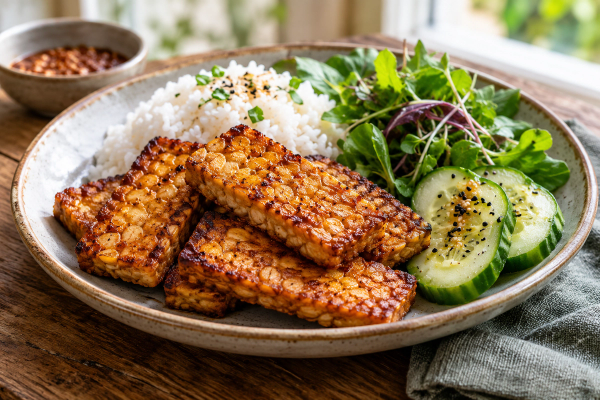
One night, after failing at three stalls in a row, I found a lady making pad Thai. I asked for tofu, no egg, no fish sauce, no dried shrimp. She looked at me for a second like I was making her life harder, which I was, and then she just nodded and made it with soy sauce. Was it the best pad Thai in Bangkok? No. Was it hot, sweet, tangy, peanutty and eaten standing next to a plastic table while someone was singing 90s Thai pop nearby? Yes. Sometimes the mood does half the cooking.
My Safe Bangkok Vegetarian Food Strategy, Because Hunger Makes Me Dramatic
#I don’t do that brave traveller thing where you skip meals and hope for the best. No, thank you. In Bangkok, I usually plan one proper vegetarian meal near my hotel, then go night-market grazing for snacks and dessert. Sukhumvit has Indian vegetarian restaurants like Dosa King and other South Indian or North Indian places around tourist-heavy areas, and Bangkok has dedicated vegetarian and vegan cafés too. I’ve eaten Thai-style vegetarian meals at May Veggie Home in the past, and there are several plant-based spots around Asok, Phrom Phong, and Silom that travellers keep returning to. Always check current opening hours though, because Bangkok restaurant life changes fast.
- Eat a proper dinner first if you’re strict vegetarian, then treat the market like a snack crawl.
- Carry a Thai translation card that clearly says no fish sauce, oyster sauce, shrimp paste, meat stock, egg, gelatin, and lard.
- Use Google Lens on menus, but don’t trust it blindly. It once translated something for me as “friendly vegetable happiness” and I still don’t know what that was.
- Cash is still useful, but PromptPay QR payment is everywhere now. Tourists may not always be able to use it, so keep small notes.
What I Actually Ate, Again and Again
#Let’s talk about the good stuff. Mango sticky rice is the obvious queen, and I don’t care if it’s touristy. Warm sticky rice, coconut cream, ripe mango, sesame or mung beans on top... it just works. Indian vegetarians usually love it because it has that kheer-meets-aamras comfort, but lighter and fresher. Then there’s roti with banana, which may contain egg in the dough or batter sometimes, so ask. I found one stall in Chiang Mai making a plain crispy roti with condensed milk and sugar, and I ate it three nights in a row like I had no self-control. Which, around Thai desserts, I don’t.
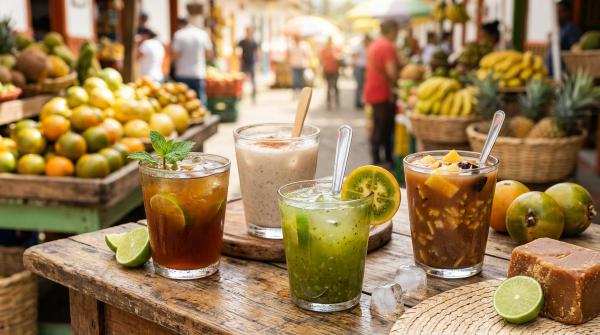
Kanom krok, those little coconut rice pancakes, were my surprise obsession. They’re crispy outside, soft inside, sometimes topped with corn or spring onion. Usually vegetarian, but again ask if you’re vegan because recipes vary. Grilled banana with coconut sauce is another one. Fried taro, fried sweet potato, banana fritters, pandan waffles, coconut jelly, Thai tea, fresh longan juice... the dessert and fruit side of Thai night markets is genuinely a blessing for us. Even when savoury food gets complicated, dessert says, come here beta, I’ll take care of you.
Chiang Mai: The Vegetarian Night Market Champion, In My Opinion
#If Bangkok is loud and fast, Chiang Mai is where I relaxed into eating. The city has a strong vegetarian and vegan scene, partly because of Buddhist food culture, digital nomads, yoga people, and travellers who came for a week and forgot to leave. The Sunday Walking Street Market in the Old City is one of my favorite food walks in Thailand. It’s crowded, yes. Very crowded. But it has crafts, temple courtyards, local snacks, and enough vegetarian options that I didn’t feel like I was negotiating every bite like a court case.
I remember one evening near Tha Phae Gate, rain had just stopped and the street was shining under yellow lights. A monk walked past with an umbrella, tourists were buying elephant pants, and I was holding a paper bowl of tofu and mushrooms in a spicy basil sauce that the vendor had made “jay” for me. Maybe it was the weather, maybe the lemongrass smell, maybe because I had been walking all day and my feet were basically dead. But that bowl tasted better than half the fancy restaurant meals I’ve had.
Chiang Mai Gate Market and Chang Phuak area also have good snack hunting, though not every stall is vegetarian-friendly. Look for tofu skewers, mushroom skewers, steamed corn, fruit shakes without yoghurt, coconut ice cream, and made-to-order stir fries. Also, Thai vegetarian restaurants in Chiang Mai are excellent for a proper meal before market wandering. Places change, but the Old City and Nimman areas usually have vegan cafés, smoothie bowls, Thai curries with tofu, and Indian restaurants when you need dal-rice because your soul is tired of guessing sauces.
Phuket, Krabi, and the Islands: Beautiful, But Ask Twice
#Southern Thailand is stunning, no doubt. Phuket weekend markets like Naka Market and Chillva Market are fun, bright, and snacky. Krabi’s Ao Nang night market and weekend walking streets have that holiday mood where everyone is sunburnt and hungry. But for vegetarians, the south can be more seafood-heavy. So I became extra careful. A “vegetable curry” can still have shrimp paste. A soup can look clear and harmless but be made with chicken stock. Papaya salad can have crab or dried shrimp. Even fried rice can have fish sauce.
That said, I ate very well in Phuket by mixing night market snacks with dedicated vegetarian restaurants and Indian places. Phuket also has a famous Vegetarian Festival around September or October, depending on the lunar calendar, where Jay food becomes widely available, especially around Phuket Town. It’s intense, spiritual, and not just a food festival, so go respectfully. But from a vegetarian traveller point of view, that period is amazing because yellow Jay flags pop up and suddenly food gets easier. In 2026, festival-based food travel is a big trend, and Thailand’s Jay festival is one of those experiences Indian vegetarians should seriously consider planning around.
The 2026 Food Travel Trends I Noticed, And Why They Help Vegetarians
#Food travel has changed a lot. Earlier, we just showed up and asked hotel reception where to eat. Now people are booking vegan street food walks, saving Google Maps lists, watching market reels, translating menus live, and joining small-group cooking classes where dietary preferences are actually asked in advance. Thailand is part of this shift. In Bangkok and Chiang Mai especially, plant-based eating is no longer treated like some weird foreign demand. You’ll see more oat milk, mushroom-based dishes, tofu snacks, vegan desserts, and stalls using clearer labels in tourist areas. Not everywhere, but enough that it feels different from my first trip years ago.
Another trend is hyper-local food tours. Instead of generic “try ten dishes” tours, travellers want neighbourhood stories, family-run stalls, heritage snacks, and sustainable eating. For Indian vegetarians, I’d suggest booking only tours that confirm they can handle vegetarian or vegan needs before you pay. Ask specific questions. Will the broth be vegetarian? Is fish sauce avoided? Are there seperate utensils? The good operators answer clearly. The vague ones say “yes yes veg available” and then take you to a pork noodle stall where you stand around drinking sugarcane juice. Been there. Not ideal.
My Favourite Night Market Vegetarian Foods to Hunt For
#If I had to build my perfect Thai night market dinner as an Indian vegetarian, it would go like this. Start with fresh coconut water because Thailand coconuts taste sweeter, don’t argue with me. Then som tam jay, spicy but not tourist-mild. Then tofu or mushroom skewers if I can confirm the sauce. Then a made-to-order basil tofu rice, no egg, no fish sauce, no oyster sauce. Then mango sticky rice. Then maybe coconut ice cream because holidays don’t count. Somewhere in between, I’d buy pineapple with chilli salt and regret nothing.
- Som tam jay: Papaya salad without fish sauce and dried shrimp. Ask for less spicy if you don’t want your ears ringing.
- Pad Thai tofu: Possible if made fresh and customized. Watch for egg and fish sauce.
- Khao niew mamuang: Mango sticky rice. Almost always safe for vegetarians, vegan if no dairy is added, usually it’s coconut milk.
- Kanom krok: Coconut rice pancakes. Check toppings and recipe if you avoid egg.
- Grilled corn, sweet potato, taro, banana fritters: Simple, cheap, happy food.
- Thai fruit: Mangosteen, rambutan, dragon fruit, rose apple, jackfruit, pineapple. Markets make fruit feel like treasure.
Stuff That Looks Veg But Might Not Be
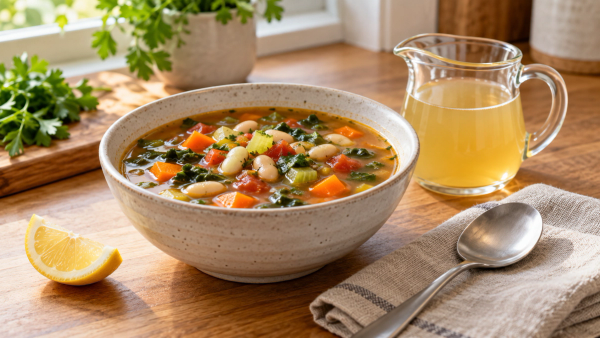
#This is the slightly boring but important part. Thai curries often use curry paste with shrimp paste, especially red, green, and southern style curry pastes. Tom yum can be made with vegetable stock, but often isn’t. Stir-fried vegetables can have oyster sauce. Fried rice can contain fish sauce or egg. Noodle soups are usually broth-based, and broth is rarely vegetarian unless stated. Even chilli dips, the pretty little sauces on the side, may have fish or shrimp. I’m not saying this to scare you. Just don’t assume like we do in India, where paneer butter masala is obviously veg unless someone has done a crime.
One trick that helped me was watching the wok. If the vendor is cooking each order separately, customization is possible. If everything is pre-made in big trays, ask what’s inside, but there’s less flexibility. Also, if a stall is super busy and the vendor doesn’t understand you, don’t force it. Smile, say thank you, move on. Thailand has enough food. No need to gamble your ethics or your stomach for one plate of noodles.
Indian Vegetarian Comfort Food in Thailand, Because Sometimes You Need Dal
#I love Thai food, but after a few days of sweet-salty-spicy guessing, I always crave Indian food. Bangkok, Pattaya, Phuket, and Chiang Mai have plenty of Indian restaurants, from budget thali places to fancier North Indian dining. South Indian food is a lifesaver because dosa, idli, curd rice, lemon rice, and filter coffee can reset your entire system. Around Bangkok’s Sukhumvit and Silom areas, and Phuket’s Patong or Phuket Town, you’ll usually find Indian vegetarian options. I try not to eat Indian every day while travelling, but having it as a backup makes me more adventurous at night markets because I’m not operating from panic.
A little tip from my own overplanning brain: save restaurants near your hotel, near the night market, and near public transport. Bangkok traffic can be ridiculous. You don’t want to discover your “nearby” veg restaurant is 45 minutes away when you’re hungry and sweaty. Also check recent reviews, not just star ratings. A place may have great paneer but closed last month. Travel in Thailand rewards people who double-check, sadly. Spontaneity is romantic until it’s 10:30 pm and your dinner is one packet of chips.
A Quick Market-by-Market Vegetarian Vibe Check
#| Place | Vegetarian difficulty | What I’d eat there |
|---|---|---|
| Bangkok night markets like Jodd Fairs style markets | Medium | Mango sticky rice, fruit, roti if egg-free, customized pad Thai, grilled corn |
| Srinakarin Train Night Market, Bangkok | Medium to hard | Snacks and desserts first, then careful made-to-order dishes |
| Chiang Mai Sunday Walking Street | Easy to medium | Jay snacks, tofu dishes, coconut desserts, fruit shakes |
| Chiang Mai Gate Market | Medium | Tofu skewers, stir-fry if customized, sweets, corn |
| Phuket Naka or Chillva Market | Medium to hard | Desserts, fruit, vegetarian stalls if marked, snacks after asking clearly |
| Ao Nang Night Market, Krabi | Medium | Fruit, coconut pancakes, Indian backup nearby, custom stir-fries when possible |
How Spicy Is Too Spicy? An Indian Person’s Honest Confession
#I went to Thailand with full confidence because I’m Indian and we eat chilli. Then a som tam lady in Chiang Mai humbled me. Thai heat is different. It’s sharp, fresh, immediate. It doesn’t always have the round masala warmth we’re used to. I asked for spicy because ego, and then spent ten minutes pretending I was fine while tears came out of my eyes. The vendor laughed, gave me cucumber, and said something that sounded affectionate but may have been judgement. Fair enough.
If you want medium, say “ped nit noi” for a little spicy. If you want no spicy, say “mai ped.” But honestly, a little chilli is part of the fun. Thai vegetarian food can become too sweet if there’s no heat, so I usually ask for mild to medium and then add chilli flakes myself. Also, Thai basil, lime, roasted peanuts, and fresh herbs give so much flavour that you don’t need everything to be burning hot. This is where Thai food feels different from Indian food. Less spice layering, more freshness and balance.
Night Market Etiquette, Small Things That Make Life Easier
#Thai people are usually kind, but night market vendors are working fast. Don’t block the stall while having a family discussion about whether fish sauce counts as non-veg. Step aside, translate your sentence, then order. Smile a lot. Learn two or three Thai words. Keep small cash. Don’t touch food unless invited. If you’re filming, ask with your face at least, not just shove a phone into the wok. And if a vendor says something isn’t vegetarian, believe them and thank them. That honesty is helpful.
- Go early if you want calm conversations with vendors. Around peak dinner time, customization becomes harder.
- Carry a small snack from 7-Eleven or an Indian store, especially if you’re travelling with kids or elders.
- Book hotels near food areas. Walking back after eating is underrated joy.
- Don’t make every meal a mission. Some nights can just be coconut ice cream and fruit. That’s still travel.
The Emotional Bit: Why I Still Love Thai Night Markets
#Even with all the sauce confusion and ingredient detective work, I really love Thailand’s night markets. They feel alive in a way restaurants sometimes don’t. You see teenagers sharing bubble tea, families buying dinner, tourists trying durian with fear in their eyes, old uncles grilling corn, kids running around with glow toys. Food is not just food there. It’s movement, smell, heat, bargaining, laughter, and sometimes complete sensory overload. I’ve had imperfect meals in Thailand that I remember more fondly than perfect meals in expensive places.
There was this one night in Chiang Mai when I sat on a low plastic stool with mango sticky rice balanced on my knees, watching lanterns swing above the street. I’d spent the day temple-hopping, got lost twice, bought a scarf I did not need, and my feet hurt. The rice was slightly too sweet, the mango was perfect, and the air smelled of rain and frying garlic. I remember thinking, this is why I travel. Not for checklist tourism. For small edible moments that stay in your head for years.
Final Advice for Indian Vegetarians Going to Thailand
#Go. Just go prepared. Thailand is not impossible for Indian vegetarians, but it rewards curiosity and clear communication. Learn the word Jay. Save phrases. Don’t assume sauces are vegetarian. Use night markets for snacks, desserts, fruit, and made-to-order dishes. Use vegetarian restaurants for proper meals. Chiang Mai is easier, Bangkok is exciting but needs strategy, and the islands are gorgeous but more seafood-heavy. If you’re strict Jain or vegan, plan more carefully and consider booking apartments or hotels with kitchen access.
The best Thai night market meal isn’t always the most famous dish. Sometimes it’s the one vendor who understands your messy translation, smiles, and makes you a plate of tofu rice exactly the way you need it.
And please don’t let fear of fish sauce keep you locked inside Indian restaurants for the whole trip. Eat the dosa when you need comfort, yes, but also try the coconut pancakes, grilled bananas, som tam jay, fresh mangosteen, Thai tea, and that weird green jelly dessert you can’t pronounce. Food travel is partly about getting it wrong, laughing, adjusting, and trying again. That’s the whole fun. I’m already mentally planning my next Thailand trip, probably around the Vegetarian Festival or another Chiang Mai market crawl. Until then, I’ll be stalking food maps and reading way too many travel stories on AllBlogs.in, like a normal hungry person.