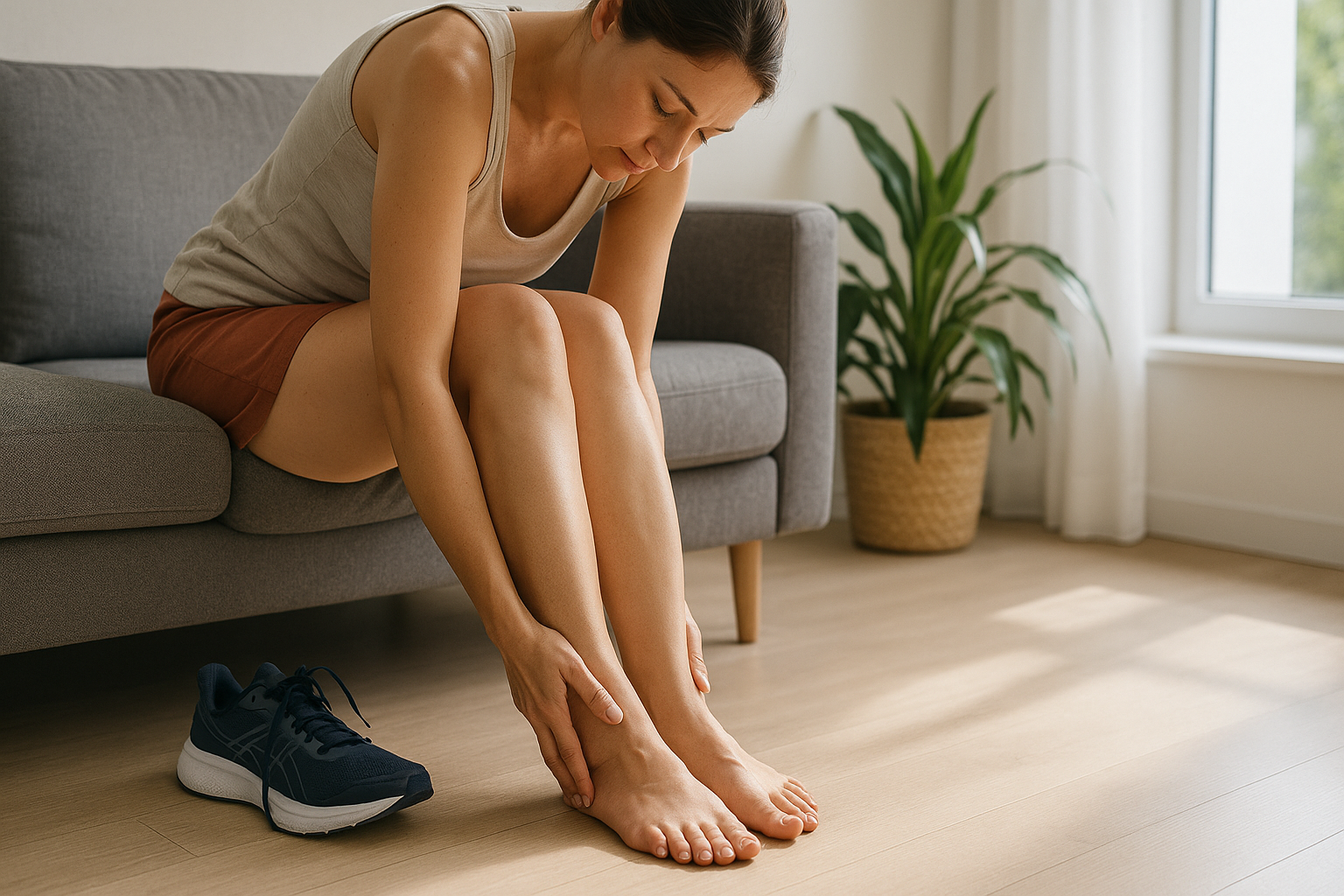
Every summer, like clockwork, my feet start acting weird. I notice it first when my sandals feel kinda tight by late afternoon, or when the little strap marks stay on my skin way longer than they should. The first time it happened I honestly thought, huh, maybe I just bought cheap shoes. But nope. Hot weather can absolutely make your feet and ankles swell, and for a lot of people it’s harmless-ish and temporary... but not always. That last part matters. So if you’ve looked down on a sweaty July day and thought, why do my feet look puffy all of a sudden, you’re really not alone.
I’m not your doctor, obviously, but I am someone who’s gone down a giant rabbit hole on this because me and my swollen summer feet have had a whole journey. I’ve read medical guidance, looked at recent wellness research, talked to clinicians, and done the very normal thing of texting friends pictures of my ankles asking if they looked "too shiny." Gross but real. What I’ve learned is that heat swelling is common, especially during travel, long work shifts, pregnancy, aging, and if you already deal with circulation issues. But there are also some red-flag situations where swollen feet are not just a heat thing at all.
The short version: heat makes blood vessels widen, and fluid sneaks into tissues
#Basically, when it’s hot outside, your body tries to cool itself down by widening blood vessels near the skin. That process is called vasodilation. It helps release heat, which is good, but it can also make fluid move out of the blood vessels and into nearby tissues. Gravity then does its annoying little thing and pulls some of that fluid downward into your feet, ankles, and lower legs. So by the end of a hot day, especially if you’ve been standing or sitting a lot, your feet can look puffy or feel heavy.
That kind of swelling is usually called edema. Mild heat edema tends to be temporary, often affecting both feet, and it usually improves when you cool down, elevate your legs, move around, and hydrate. A lot of clinicians still consider it a pretty common warm-weather response. In newer health reporting and patient guidance going into 2025 and 2026, there’s also more emphasis on how heat waves are affecting everyday symptoms like swelling, dehydration, dizziness, blood pressure changes, and medication side effects. Which makes sense because summers have just felt more brutal lately, havent they?
Why it seems worse now, or at least feels worse
#A thing I’ve noticed in recent public health coverage is that doctors are talking more about extreme heat than they used to. Not in a trendy wellness-influencer way, but like actual health system warnings during hotter seasons. Longer heat waves, more humid days, more people traveling, more people working hybrid jobs where they sit forever then suddenly walk around in 95-degree weather... it all sort of piles up. There’s also been more awareness around heat sensitivity in people taking certain meds like calcium channel blockers for blood pressure, NSAIDs more often than they should, some hormones, steroids, and a few diabetes medications. Even some supplements marketed for "performance" can dehydrate you if you’re not careful. Wellness culture does not always mention that part, which bugs me, honestly.
Common reasons feet swell in hot weather
#Some causes are pretty straightforward, and some are a bit more complicated. Heat itself is one. But often it’s heat plus something else. That was the piece I was missing when I first looked into it.
- Standing for long periods, like retail shifts, nursing, teaching, events, theme parks, airports, all that
- Sitting too long, especially on flights, road trips, or desk days where you barely move your ankles
- High salt intake, which can make your body hold onto more fluid
- Not drinking enough water, weirdly yes dehydration can make fluid balance worse
- Pregnancy, because blood volume changes and pressure on veins can increase swelling
- Extra body weight, which can put more pressure on veins in the legs
- Vein issues like chronic venous insufficiency, where blood has a harder time getting back up toward the heart
- Lymphedema, where lymph fluid builds up because drainage is impaired
- Medication side effects
- Heart, kidney, liver, or thyroid problems in some cases
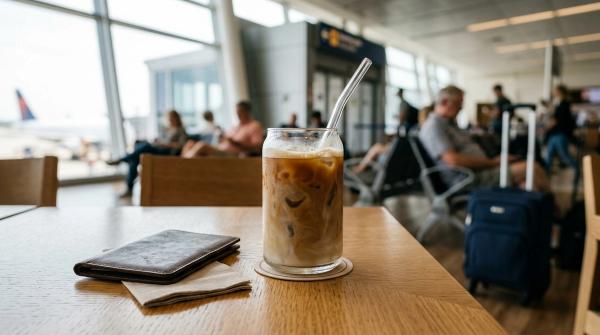
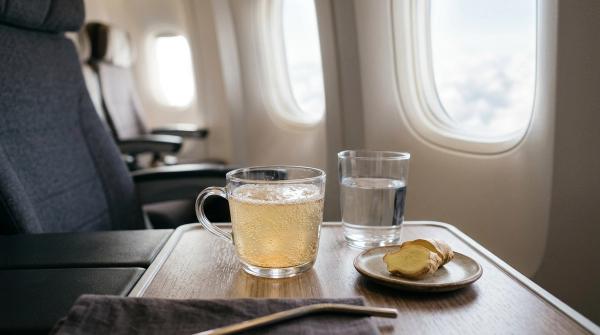
And then there’s the travel thing. Oh my gosh. Air travel plus summer heat is like the ultimate swollen-foot combo for me. Dry cabin air, sitting forever, salty airport snacks, then landing somewhere hot and trying to walk ten thousand steps in sandals? Terrible plan. I mean, fun maybe, but still a terrible plan.
What normal heat swelling usually feels like
#For a lot of people, simple heat-related swelling shows up as mild puffiness in both feet or ankles, tight shoes by the end of the day, sock marks that linger, a heavy or full feeling, maybe some stiffness. It’s often worse in the evening and better by morning. You might press a finger into the skin and notice a little dent for a moment, though not always. Usually it’s not sharply painful. More uncomfortable and sort of blah.
Mine tends to happen after a lot of walking in the heat, or after standing around chatting at outdoor events because apparently my body handles movement better than standing still. Which is rude, because summer is very much a stand-around-and-socialize season. Anyway. If the swelling is mild, even on both sides, and settles with rest, that leans more toward common heat edema. But if it’s sudden, severe, only on one side, or comes with other symptoms, that changes the picture fast.
The stuff that actually helps, at least in real life
#I used to think the answer was just "drink more water" and call it a day. Water helps, yes. But for me the best relief came from doing a few boring, practical things consistently. Not sexy wellness hacks, just regular-body maintenance.
- Put your feet up above heart level for 15 to 30 minutes when you can. I do this on the couch with two pillows and suddenly feel 80 years old, but it works.
- Move your ankles and calves often. Calf muscles help pump blood back upward, so even a quick walk or ankle circles can make a difference.
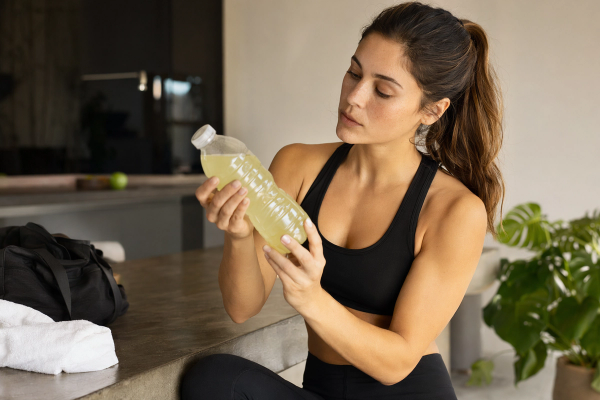
- Hydrate steadily instead of chugging a ton all at once. If you’re sweating a lot, think about electrolytes too, especially after long walks or outdoor exercise.
- Go easier on super salty meals when it’s very hot out. I’m not saying never eat fries, because be serious, but maybe don’t pair fries with airplane pretzels and ramen in one day.
- Wear supportive shoes that have a bit of room. Tight straps and narrow toe boxes make me miserable when swelling kicks in.
- Consider compression socks if your clinician says they’re okay for you. A lot more people are using them now for travel, standing jobs, and post-workout recovery, though the recovery claims can get overhyped.
On compression, I will say this carefully. It can help a lot for mild swelling and venous issues, and there’s been continued interest in wearable circulation gear in 2025 and 2026, but not every wellness trend deserves the hype. Fancy recovery boots and expensive gadgets are all over social media. Some people love them. I think they’re maybe useful for certain folks, but plain old graduated compression socks and basic movement are way more realistic for most of us. Also, if you have peripheral artery disease or certain circulation problems, compression isn’t always automatically a DIY thing. Ask first.
A few wellness trends I’m seeing in 2026, with my very honest take
#Since you asked for current stuff, here’s what seems to be popping up a lot lately in the wellness and medical-adjacent world around swelling, circulation, and heat. Some of it is helpful. Some of it is, uh, very Instagram.
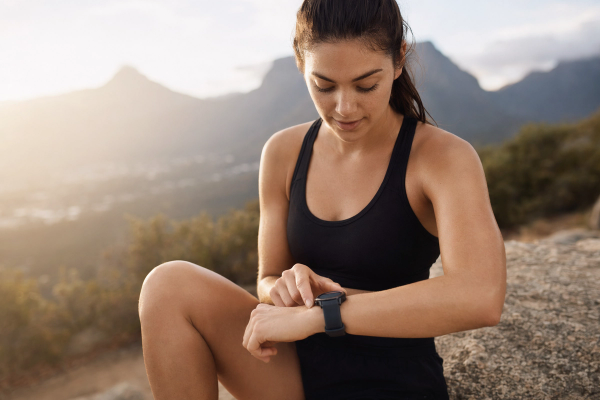
- Heat-risk wearables and smart rings are getting better at flagging elevated skin temp, heart rate strain, and hydration reminders. Helpful for some people, especially older adults and athletes, but they’re not diagnostic.
- Electrolyte drinks are everywhere now. Some are great during heavy sweating. Some are basically candy water with branding. Read labels.
- Walking pads and micro-movement breaks are huge because people are finally realizing sitting forever is awful for circulation.
- Recovery sandals and cushioned supportive footwear are having a real momement. I laughed at them, then bought some. So... yeah.
- There’s more discussion of women’s vascular health, pregnancy swelling, and perimenopause-related fluid shifts, which honestly was overdue.
The best modern trend, in my opinion, is that more health advice is focusing on prevention during heat waves rather than just treating people after they feel terrible. More reminders to check medications, stay cool, notice swelling changes, and look out for older relatives. That’s not flashy, but it’s important.
When swollen feet are not just a hot-weather annoyance
#Okay. This is the really important part. Sometimes swelling is a warning sign. Please don’t let a random blog, even a charming one, convince you to brush everything off as summer puffiness.
Get urgent medical help if swelling is sudden, significantly worse on one side, or happens with chest pain, trouble breathing, fainting, severe pain, redness, warmth, or if your calf is tender and swollen.
That kind of one-sided swelling can signal a blood clot, also called deep vein thrombosis. A clot is more likely if you’ve recently traveled for a long time, had surgery, are pregnant or postpartum, use estrogen-containing meds, have cancer, or have been immobilized. Not every one-sided swollen ankle is a clot, obviously, but it’s not something to shrug off.
You should also contact a clinician sooner rather than later if the swelling is new and keeps coming back, if it’s getting worse, if both legs are swelling a lot, if your skin is shiny or leaking fluid, if you gain weight rapidly from fluid, or if you have shortness of breath, unusual fatigue, reduced urine, yellowing skin, or known heart/kidney/liver disease. Persistent swelling can be related to chronic venous insufficiency, kidney disease, heart failure, liver disease, lymphatic problems, infection, or medication effects. That sounds scary, and I don’t mean it in a panic-y way, just a please-pay-attention way.
Pregnancy, hormones, age, and other situations where swelling gets more complicated
#Pregnancy swelling can be totally normal, especially later on and especially in hot weather. But sudden swelling of the face, hands, or severe swelling with headache, vision changes, or high blood pressure needs urgent assessment because of preeclampsia risk. I’m putting that plainly because people sometimes hear "swelling is normal in pregnancy" and stop there. Don’t stop there if something feels off.
Older adults may notice more swelling because circulation changes with age, activity may be lower, and medications can pile on. Hormonal shifts matter too. A lot of women in perimenopause and menopause talk about fluid retention more now, and thankfully clinicians seem to be taking that more seriously than they did years ago. It’s not always dramatic, but hot weather can make an already annoying tendency toward puffiness feel way worse.
Little day-to-day things that seem to help more than you’d think
#This section is not glamorous at all, sorry. But these are the habits that made the biggest difference for me over one very sweaty summer.
- I stopped waiting until I felt thirsty. Drinking earlier in the day helped more.
- I take walking breaks on travel days, even if I feel awkward pacing a station or airport terminal.
- I loosen or switch footwear before my feet get angry instead of after.
- I do calf raises while brushing my teeth. Looks dumb. Works.
- I avoid sitting with my legs tucked under me for hours, which I weirdly love doing and which absolutely does not love me back.
- I cool off gradually after being outside. Sometimes straight-up cold plunging sounds trendy, but for me it’s overkill and kind of miserable.
If your swelling is frequent, it can also help to track patterns. Heat, menstrual cycle changes, travel, salty food, meds, hydration, how long you stood, whether it was one foot or both. This sounds annoyingly organized, and I am not an organized person, but patterns can make doctor visits way more useful.
What a clinician may look at if you bring this up
#If you see a doctor or other licensed clinician, they’ll usually want to know whether the swelling is one-sided or both, how long it lasts, what meds you take, whether you’ve had travel or injury, if it improves overnight, and whether you have symptoms like pain or shortness of breath. They may look for varicose veins, skin changes, pitting edema, signs of infection, circulation problems, or heart and lung symptoms. Sometimes they’ll check blood work, urine, or order an ultrasound if there’s concern about a clot or vein problem. Which sounds like a lot, but sometimes that’s what’s needed to rule out the serious stuff.
My bottom-line take, after too much reading and too many puffy sandal days
#Most of the time, feet swell in hot weather because heat causes blood vessels to widen and fluid pools in the lower legs, especially when gravity, sitting, standing, salt, and dehydration all join the party. Mild swelling in both feet that improves with cooling down, elevating, moving, and hydrating is super common. Annoying, yes. Usually dangerous, no. But if it’s sudden, one-sided, painful, severe, or comes with breathing problems or other symptoms, don’t mess around waiting for a wellness tea to fix it. Please just get checked.
And if you feel a bit silly bringing it up to a clinician because it’s "just swollen feet," I wouldn’t. Bodies give weird little clues before they give bigger ones. I’ve learned that the hard way more than once. Better to ask, even if it turns out to be a basic hot-weather thing. Anyway, I hope this helped a little, or at least made you feel less alone in the puffy-ankle summer club. If you like casual health reads like this, I’ve found some nice wellness stuff over on AllBlogs.in too.