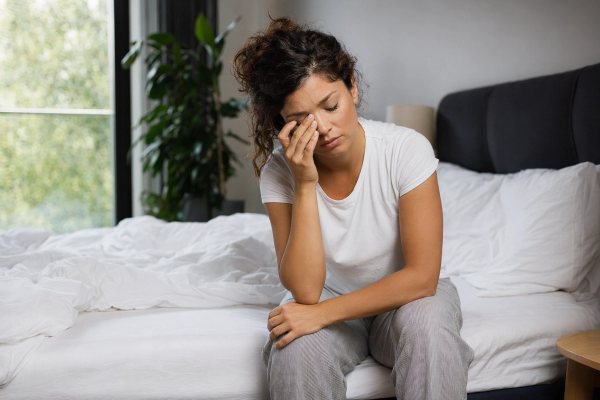
I’ve had this happen more than once, and the first time it kinda freaked me out. I was outside on a stupidly hot afternoon, came back into the house, stood there in the kitchen for maybe ten seconds, and then boom... that weird floaty, off-balance, almost-faint feeling hit me. Not full blackout or anything, but enough that I had to lean on the counter and do the whole “okay okay, just breathe” thing. If that sounds familiar, you’re really not the only one. A lot of people get dizzy after coming indoors from heat, and weirdly, it can happen even when you think you’re doing everything right.
Usually it’s not some mystery disease appearing out of nowhere. It’s more often your body reacting to heat exposure, dehydration, blood vessel changes, blood pressure shifts, sweating, and then the sudden temperature change when you step inside air conditioning. Sometimes it’s mild and annoying. Sometimes it’s your body waving a little red flag saying, hey, slow down, something’s off. And honestly, I think more of us should pay attention to those smaller signs before they turn into a bigger issue.
What’s actually going on in your body
#When you’re out in the heat, your body works hard to cool itself down. Blood vessels near the skin widen, which is called vasodilation, so more heat can escape. You sweat. Your heart may beat faster. You lose fluids and electrolytes. If you’ve been standing a long time, walking around, exercising, gardening, chasing kids, whatever... blood can pool a bit in your legs too. Then you come indoors, especially into strong AC, and your body has to re-adjust again. That transition can make some people feel lightheaded, woozy, spacey, or just sort of “not right.”
The simplest explanation is this: heat stresses your circulation. Then coming inside changes the enviroment quickly, and your blood pressure or hydration status may not be keeping up. If you were already borderline dehydrated, hadn’t eaten enough, or got overheated more than you realized, dizziness can show up right then. Sometimes not outside, but after. Which feels unfair, honestly.
The most common causes, from boring to kinda important
#- Dehydration. This is the big one. You lose water through sweat, and if you don’t replace it, blood volume can drop and you may feel dizzy or weak.
- Electrolyte loss. Sweating doesn’t just mean water loss. Sodium matters too, and in longer heat exposure potassium can matter as well.
- Low blood pressure or a quick blood pressure shift. Heat can widen blood vessels, and some people are just more sensitive to that.
- Overheating or heat exhaustion. This can include dizziness, headache, nausea, heavy sweating, weakness, and feeling faint.
- Standing up too fast after being outside. Classic orthostatic dizziness... annoying, super common.
- Low blood sugar. If you’ve been active in the heat and didn’t eat, that can absolutely add to the problem.
- Medications. Blood pressure meds, diuretics, stimulants, some antidepressants, antihistamines, and a few others can increase heat sensitivity.
- Alcohol or too much caffeine. I know, nobody loves hearing that one. But yep, they can make dehydration worse.
And then there are people who are more likely to feel this stuff in general. Older adults, pregnant people, young kids, people with heart issues, people with diabetes, folks with vestibular problems, and people with dysautonomia or POTS can all be more heat sensitive. If that’s you, heat may hit harder and faster than it hits other people. Me, I noticed it gets way worse if I’ve slept badly and skipped lunch, which is not very wellness-girl of me but there we are.
That weird dizzy feeling after AC kicks in... is that normal?
#Sort of normal, yes, but not something to just ignore forever. A sudden move from very hot outdoor air to cold indoor air can feel jarring. Some people describe it as dizziness, others say it’s more like a head rush, pressure change, or feeling briefly disoriented. If you also get migraines, sinus issues, or vestibular sensitivity, the indoor/outdoor switch can be extra dramatic. There’s also the fact that when you finally stop moving and come inside, you become more aware of symptoms that were building up outside. So it feels like the room caused it, but the heat may have set it up earlier.
I remember one summer I kept blaming my AC unit, like maybe the cold air was “too intense” or something. Turns out I was just underhydrated all the time. Not dangerously, probably, but enough that every hot walk ended with me standing in the hallway feeling like my brain was buffering. Once I started drinking earlier in the day, and not waiting till I was already thirsty, that happened way less.
Heat exhaustion vs heat stroke... this part matters a lot
#Okay, so not to get all dramatic, but this is where people sometimes mess up. Mild dizziness can be from dehydration or a temporary blood pressure dip. But dizziness can also be part of heat exhaustion, which needs prompt cooling and fluids. Heat exhaustion often comes with heavy sweating, weakness, headache, nausea, muscle cramps, faint feeling, cool or clammy skin, and a fast pulse.
Heat stroke is the emergency one. That’s when body temperature gets dangerously high and the body starts failing to cool itself properly. Warning signs can include confusion, altered behavior, fainting, seizure, trouble walking, very high temperature, and hot skin that may be dry or may still be sweaty depending on the situation. If someone seems confused, passes out, can’t keep fluids down, or is getting worse instead of better, that’s not “just a little dizzy.” That’s get emergency help now territory. Seriously.
If dizziness after heat comes with confusion, chest pain, trouble breathing, fainting, severe weakness, or symptoms of heat stroke, don’t try to just sleep it off. Get medical help.
Things people don’t always realize can make it worse
#This is the sneaky stuff. Humidity is a huge one because sweat doesn’t evaporate as well, so your cooling system basically gets less efficient. Bad air quality can make outdoor exertion feel harder too, and there’s been more public health attention on compound heat risk lately, where high heat plus humidity plus pollution creates a bigger physiologic burden. Also, wearable health trackers are more common now, and a lot of people are noticing elevated heart rate, lower recovery, and crummy sleep during heat waves. That’s not your imagination. Heat absolutely affects the whole system.
Another thing in more recent wellness conversations, especially going into 2026, is that people are talking a lot about “hydration” but sometimes in a very influencer-y way. Like everyone suddenly has a powder, a sachet, a magic mineral mix, some neon drink with adaptogens and moon dust or whatever. Some of those electrolyte products are fine, some are useful, but plain water still matters, and not every dizzy spell means you need an expensive hydration stack. If you’ve been sweating a lot for hours, electrolytes can help. If you sat outside for fifteen minutes and now feel weird, the answer may be rest, cooling down, and checking whether you actually ate lunch.
So what should you do in the moment?
#- Stop what you’re doing and sit or lie down if you feel faint. Don’t try to power through. I used to do that and it was dumb.
- Move to a cooler place, loosen tight clothes, and let your body settle. Not freezing cold necessarily, just cooler and calm.
- Sip water. If you’ve been sweating a lot or out for a long time, consider an oral rehydration drink or electrolyte beverage.
- Have a small snack if you haven’t eaten in a while. Something with carbs and a bit of salt can help some people.
- Use cool compresses, a fan, or a cool shower if you’re really overheated.
- Pay attention to symptoms over the next 30 to 60 minutes. You should be improving, not getting more foggy or weak.
And maybe don’t jump straight into a scorching shower after getting home from the heat. I know that sounds random, but I’ve done it and instantly regretted every life choice. More heat on top of heat can make the dizziness worse, at least for a bit.
When to get checked out, even if it seems minor
#If this keeps happening, it’s worth bringing up with a healthcare professional. Especially if you’re having repeated episodes, fainting, heart palpitations, chest discomfort, shortness of breath, bad headaches, vomiting, or dizziness that lasts more than a short while. Same goes if you have a medical condition, take meds that affect blood pressure or hydration, or your symptoms are getting more frequent. Recurrent heat-related dizziness can sometimes uncover things like anemia, blood pressure issues, vestibular disorders, medication side effects, arrhythmias, thyroid problems, or autonomic issues like POTS.
There’s also this annoying truth that a lot of people, mostly women but not only women, get told they’re “just anxious” when they describe dizziness. Anxiety can absolutely make dizziness worse, yes. But heat intolerance and orthostatic symptoms deserve a real look too. Both things can be true. I hate that this still has to be said, but if you feel brushed off and your symptoms are real and recurring, push for answers. Politely if possible, stubbornly if necessary.
How I try to prevent it now, without becoming a full-time hydration goblin
#I’m not perfect at this, not even close. But these things have helped me a lot. First, I hydrate before I go out, not after I already feel terrible. Second, I eat something. Third, if it’s brutally hot, I try to transition slowly when I come inside instead of speed-walking from blazing sun into arctic AC like a maniac. Sometimes I sit for a minute in a shaded entryway or just chill near the door and let my body catch up. It sounds silly, but it works.
- Drink fluids through the day, not all at once at night when it’s too late
- If sweating heavily for a long time, add electrolytes sometimes, especially during workouts or heat waves
- Wear loose, breathable clothes and a hat outside
- Avoid intense outdoor activity during peak afternoon heat when possible
- Take breaks, especially if you’re standing for long periods
- Be extra careful if you’re sick, hungover, sleep-deprived, fasting, or on meds that can dehydrate you
One thing I’ve noticed lately is more people using wearables to catch patterns. If your heart rate spikes unusually high in the heat, or your recovery tanks during hot weeks, that can be useful info to bring to a clinician. It’s not a diagnosis machine, obviously. But it can help you notice trends. Wellness tech gets overhyped a lot, but occasionally it’s actually... helpful?
A quick note on newer wellness trends in 2026
#There’s a lot of talk right now about heat resilience, sauna-cold contrast routines, hydration multipliers, mineral drops, and all that. Some of it has a decent rationale. Heat acclimatization is real, and people can improve tolerance gradually over time with careful exposure, especially athletes. But if you’re someone who gets dizzy coming indoors from heat, don’t assume your answer is to train harder in the sun because some podcast guy said it builds grit. Sometimes your body is asking for support, not a challenge.
The more evidence-based trends I actually like are boring ones, honestly. Better heat safety messaging, checking medications in summer, focusing on older adults and high-risk groups during heat waves, using oral rehydration strategies appropriately, and recognizing that climate-related heat exposure is becoming a bigger everyday health issue. That’s not trendy in a fun way, but it’s real life. More clinicians and public health folks are talking about heat illness prevention as basic preventive care now, and I think that’s overdue.
The bottom line, if you’re standing in your kitchen wondering why the room is spinning
#Most of the time, feeling dizzy after coming indoors from heat comes down to some mix of dehydration, electrolyte loss, blood pressure changes, overheating, low blood sugar, or simple body-overload from being too hot too long. It can be mild, but it can also be the early stage of something more serious. So don’t panic, but don’t ignore it either.
Sit down. Cool off. Sip fluids. Eat if you need to. And if you’re having severe symptoms, repeated episodes, or anything that feels off in a bigger way, get checked. Really. Your body isn’t being dramatic, even if other people act like it is. Heat hits different for different people, and there’s no prize for pushing through till you nearly pass out. I mean... what are we doing.
Anyway, that’s my very human take on it after a lot of reading, a few dumb mistakes, and more than one summer afternoon spent staring at my wall waiting to feel normal again. Hope it helps a bit. If you like casual health-and-wellness stuff explained like an actual person is talking, poke around AllBlogs.in too, there’s some good reading there.