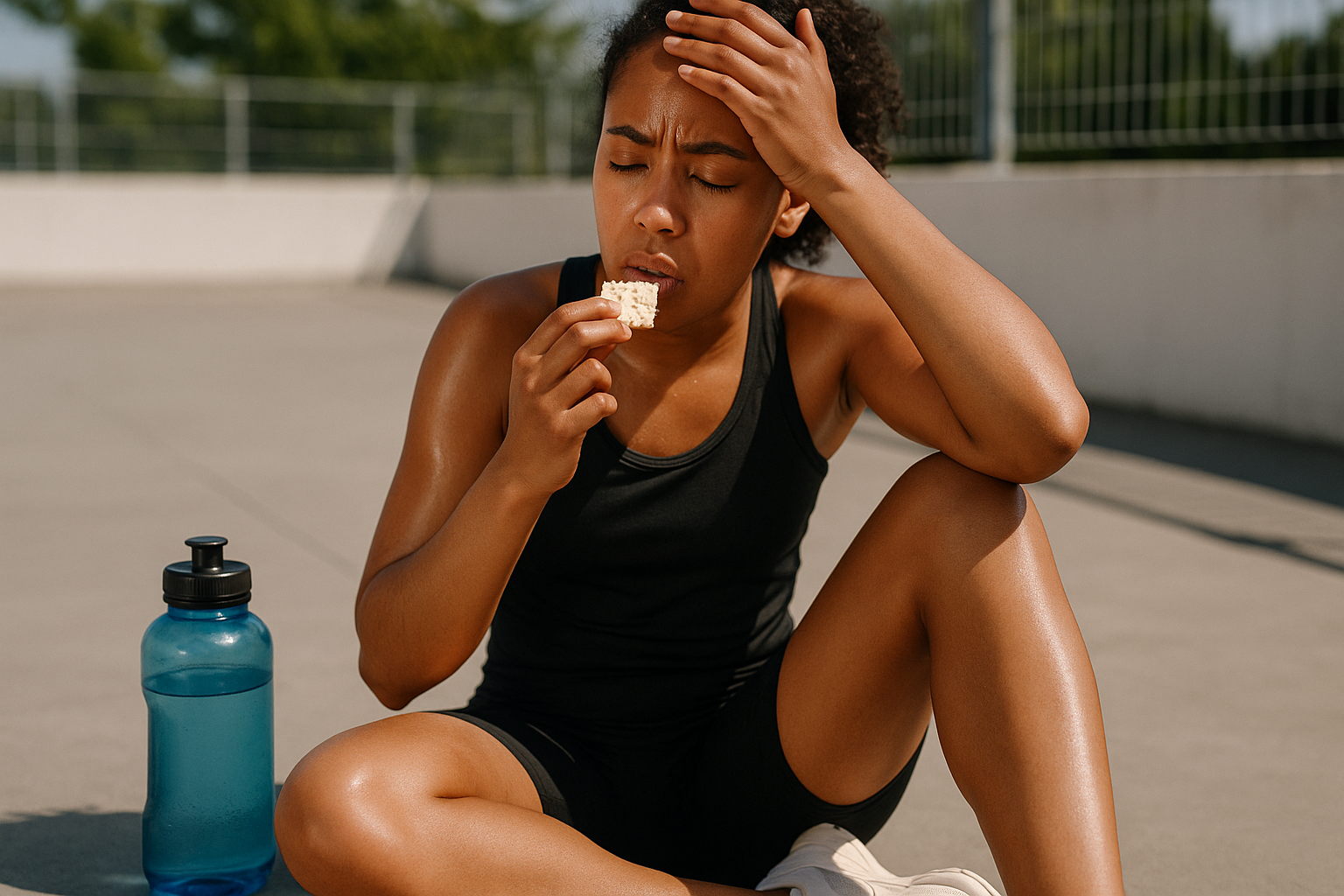
Every summer, like clockwork, I turn into a person who wants chips, pickles, salted watermelon, olives, fries... basically anything vaguely salty. I used to think it just meant I had "bad willpower" or that I was being dramatic. But after one especially gross, sticky July afternoon when I got dizzy after a walk and felt weirdly desperate for pretzels, I started looking into it more. And yeah, turns out salt cravings in hot weather can be pretty normal sometimes. Your body loses sodium in sweat, and when it's really hot out, that loss can go up fast, espescially if you're active, outside a lot, or one of those people who just sweats buckets for no reason.
Still, not every salt craving is harmless. That's the part people skip over on wellness TikTok and those hydration trend posts. A craving can be your body asking for electrolyte replacement... or it can be a sign you're getting dehydrated, overdoing plain water, taking a medication that shifts fluid balance, or dealing with an underlying issue like low blood pressure, adrenal problems, or sometimes just chronic stress messing with your appetite signals. So this post is me trying to explain the difference in a normal-human way, not the scary textbook way.
The basic reason hot weather makes salty food sound weirdly amazing
#So, quick body refresher. Sodium is one of the main electrolytes that helps regulate fluid balance, nerve function, and muscle contractions. When you sweat, you don't just lose water. You lose electrolytes too, especially sodium and chloride. Recent sports nutrition guidance still says sweat sodium losses vary a ton from person to person, which honestly made me feel better because I always thought I was imagining how rough heat feels on me compared with other people. Some people lose relatively little sodium in sweat, while others lose a lot, and trained athletes, outdoor workers, runners, and people acclimating to summer heat can lose enough that cravings start making total sense.
The heat itself also changes behavior. You drink more. Maybe you eat less heavy meals. Maybe you grab fruit, iced coffee, smoothies, plain water, all good things, but if you're sweating hard and replacing only fluids, your sodium balance can get a bit off. Not neccessarily dangerously off, just enough that your body goes, hey, can we get some salt over here please?? And then suddenly tortilla chips seem like a spiritual experience.
A salt craving in hot weather isn't automatically a red flag. But if it comes with dizziness, headache, nausea, weakness, muscle cramps, confusion, or feeling "off" after heavy sweating, don't just brush it off as random snack cravings.
What current health research and wellness trends are saying in 2026
#One thing I actually appreciate about the wellness space in 2026 is that it's finally getting a tiny bit less silly about hydration. For a while everything was giant water bottles and "drink a gallon a day" challenges, which, um, was not always helpful. Current guidance from major sports medicine and public health sources still leans toward individualized hydration, not one-size-fits-all water intake. That's important because overhydrating with plain water can dilute sodium levels, especially during endurance activity or long days in extreme heat. This is why electrolyte powders, oral rehydration solutions, and what people are calling "smart hydration" are still trending in 2026, though not all products are created equal and some are basically expensive flavored salt.
Another recent shift is that more clinicians and sports dietitians are talking publicly about sweat testing, sweat rate estimates, and personalized sodium replacement for athletes and heavy sweaters. You don't need a fancy performance lab to benefit from the general idea, by the way. Just noticing how much you sweat, whether your clothes get salty white marks, whether you cramp, and how you feel after heat exposure can tell you a lot. Heat illness prevention campaigns in recent years have also emphasized that thirst alone isn't always enough as an early signal, especially in older adults, kids, and people doing prolonged activity outdoors.
My own little wake-up call with heat, cravings, and doing hydration wrong
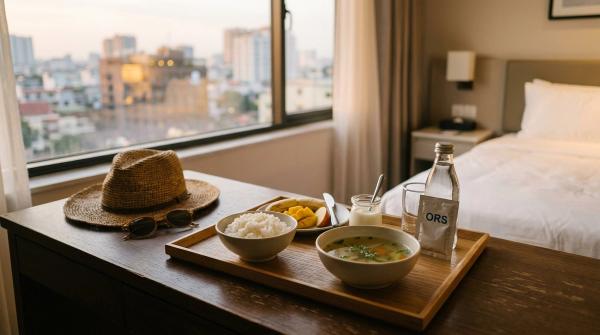
#I remember one weekend a couple summers ago, me and my friend went to an outdoor market and then decided, for reasons that make no sense now, to take a long sunny walk after. I had one of those huge insulated bottles and kept refilling it because I was trying to be "healthy." By the time I got home I was tired, headachy, a little nauseous, and honestly kind of grumpy in that oddly specific dehydrated way. The only thing that sounded good was miso soup and crackers. Once I ate, rested in the AC, and stopped pretending more plain water was the answer to everything, I felt way better. Not instantly, but enough that it clicked for me.
And no, that's not me saying everyone needs to start chugging electrolyte drinks all day. Most people can handle normal summer sweating just fine with regular meals, water, and maybe a salty snack if they've been outside a lot. But if you're sweating heavily, exercising for over an hour, working outdoors, or sick with vomiting/diarrhea in hot weather, electrolytes matter more than a lot of us realize.
When a salt craving is probably pretty normal
#- You've been sweating a lot because of heat, exercise, yard work, travel, beach days, hiking, or a job outside
- You also feel thirsty, maybe a bit low-energy, and salty foods genuinely sound better than sweets
- You haven't really eaten much, or you've been drinking mostly plain water all day
- You feel better after fluids, food, rest, and cooling down
This kind of craving is often just your body trying to restore balance. A normal meal can do a lot here. Soup, yogurt with salted nuts, eggs and toast, rice with grilled chicken, hummus, cottage cheese, or even yes, some pretzels with fruit. People sometimes overcomplicate this. You don't always need a neon sports drink or some influencer's mineral packet.
Warning signs that mean it might be more than a basic craving
#Okay, here's the important part. Salt cravings can sometimes come with symptoms that deserve actual medical attention, especially if they keep happening or seem out of proportion to your heat exposure. If you're craving salt and also getting frequent dizziness when standing, unusual fatigue, fainting, persistent nausea, muscle weakness, a pounding heartbeat, severe headaches, confusion, or very dark urine, don't ignore it. Also worth paying attention if the craving is intense even when it isn't hot out.
A few conditions can be related to salt craving or low sodium balance issues. Addison's disease and other adrenal problems are classic examples because aldosterone helps your body hold onto sodium. Some people with POTS or chronic low blood pressure also report feeling better with increased fluid and sodium, but that should be discussed with a clinician because recommendations are individual. Certain diuretics, antidepressants, and other medications can affect sodium levels too. Then there's hyponatremia, where blood sodium becomes too low, often from excess water intake, endurance exercise, illness, or medications. Mild cases can feel like headache, nausea, and low energy, and severe cases are a medical emergency.
Please get urgent help if you have these red-flag symptoms
#- Confusion, severe sleepiness, or trouble speaking clearly
- Fainting, seizures, chest pain, or severe shortness of breath
- Repeated vomiting or inability to keep fluids down
- Signs of heat stroke like hot red skin, altered mental state, or very high body temperature
- Severe weakness or symptoms that get worse fast after heavy sweating or lots of water intake
Not to be dramatic, but heat-related illness can escalate quicker than people expect. Heat exhaustion and heat stroke are not just "summer tiredness." If someone is confused, stops sweating despite being overheated, faints, or seems disoriented, that's emergency territory.
A thing people get wrong: more water is not always better
#This one gets me a little ranty because wellness culture has pushed water so hard that people sometimes miss the bigger picture. Water is good. Obviously. But if you're guzzling huge amounts during long hot days and not replacing electrolytes, you can feel worse, not better. That doesn't mean sodium is some miracle cure either. It's balance. That's the annoyingly true answer to most health stuff.
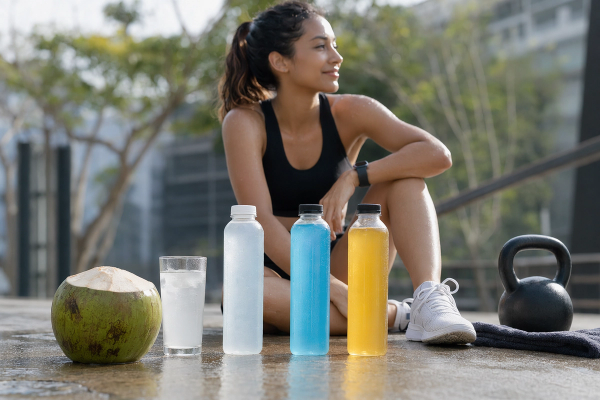
In 2026, sports nutrition experts still generally recommend drinking according to thirst for everyday life, and using a more structured hydration plan during prolonged intense exercise or high-heat conditions. Oral rehydration solutions, or lower-sugar electrolyte drinks, can be useful when you've lost a lot of sweat or when you're sick. I personally like the boring options best, broth, salted rice, fruit, yogurt, and an electrolyte packet only when I actually need it. Fancy branding doesn't hydrate you more, sadly.
Who may need to be extra careful in hot weather
#- Athletes, runners, cyclists, and gym people doing long sweaty sessions
- Outdoor workers, delivery drivers, gardeners, and anyone in hot indoor workplaces too
- Older adults, who may not feel thirst as strongly
- Kids, because they heat up faster and don't always say what they feel
- People taking diuretics or other meds that affect fluid balance
- Anyone with heart, kidney, adrenal, blood pressure, or autonomic nervous system conditions
And just to say it clearly, if you have kidney disease, heart failure, uncontrolled high blood pressure, or you've been told to limit sodium, don't start loading up on salt because a wellness article told you to. Talk to your doctor or dietitian first. Advice that helps one person can be totally wrong for another. Human bodies are rude like that.
How I handle salt cravings now without spiraling about it
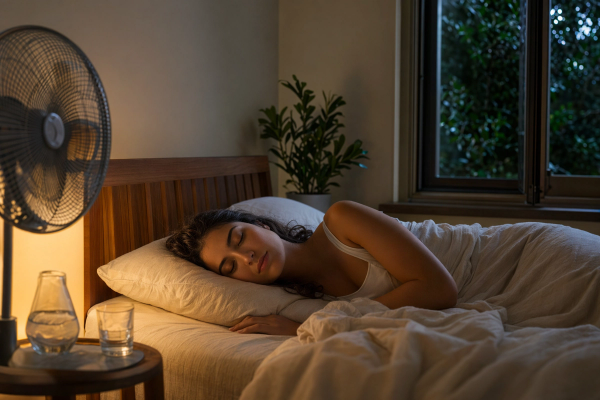
#These days I do a quick check-in instead of judging myself. Have I been outside a lot? Am I sweaty? Did I only drink coffee and water and then forget lunch? Am I getting a headache? Did I sleep badly? Sometimes the answer is literally just eat a decent meal and sit in front of a fan for twenty minutes. Other times I'll have water plus something with sodium, especially if I've exercised or been walking in humid weather. And weirdly enough, eating enough overall helps. Restricting food during hot weather can make cravings feel more intense later.
- If it's mild, I start with water, cooling down, and a normal snack or meal with some sodium
- If I've been sweating heavily for a while, I may use an electrolyte drink or oral rehydration solution
- If I feel dizzy, weak, crampy, or unusually wiped out, I stop activity and rest before trying to "push through"
- If symptoms keep happening, I write them down because otherwise I 100% forget details at the doctor
What foods can help when you're craving salt in the heat
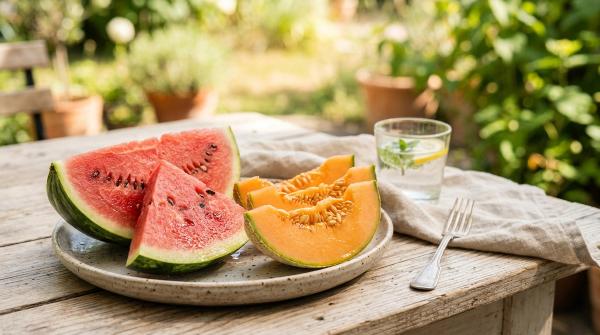
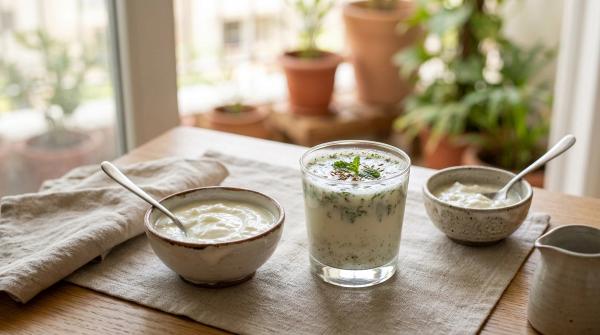
#Nothing revolutionary here, but practical is good. Broth-based soups are underrated, even in summer if you serve them warm-not-hot or go for miso. Salted nuts, whole grain crackers with cheese, olives, pickles, cottage cheese, tuna, eggs, bean salads, and smoothies paired with something salty all work. Fruit is great too because hydration isn't just fluids, it's fluids plus carbs plus electrolytes in context. Watermelon with a pinch of salt is actually kind of elite, sorry. Same with cucumber and yogurt with salt and mint. Very low effort, very good.
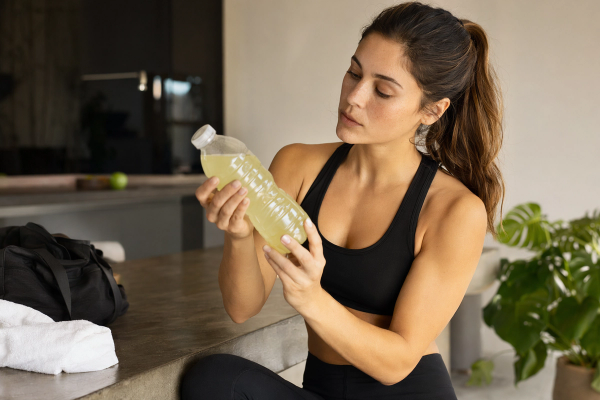
Commercial electrolyte products can help too, but read labels. Some are super high in sugar, some are very low in sodium and mostly marketing, and some contain way more sodium than a casual office-worker-in-AC probably needs. In 2026 a lot of brands are also adding magnesium, potassium, and trendy extras. Fine, I guess, but sodium is usually the key electrolyte lost in sweat. More ingredients doesn't always mean more useful.
When to actually bring this up with a doctor
#I'd make an appointment if your salt cravings are frequent, strong, and not clearly tied to heat or workouts. Also if they're coming with dizziness, low blood pressure, repeated headaches, weird fatigue, heart palpitations, GI symptoms, or if you've recently changed medications. A doctor might look at your medical history, blood pressure, hydration patterns, and in some cases order labs to check sodium and other electrolytes, kidney function, thyroid issues, or adrenal concerns. It's not overreacting. It's just information.
I know some people avoid asking because they think a salt craving sounds too minor or too random. But little body signals are often worth mentioning, especially when they repeat. Maybe it's nothing much. Maybe it's a heat habit. But maybe it's your body waving a tiny flag before bigger symptoms show up.
The short version, if your brain is also melting in the heat
#Craving salt in hot weather usually happens because you lose sodium through sweat, and your body wants help restoring fluid balance. That's often normal. It becomes more concerning if the craving is intense, constant, unrelated to sweating, or comes with symptoms like dizziness, weakness, nausea, fainting, confusion, muscle cramps, or pounding heartbeats. Hydration should be balanced, not just endless plain water. Food matters. Electrolytes matter sometimes. And medical advice matters when symptoms are persistent or severe.
Honestly, the biggest lesson for me has been to stop treating my body like it's being inconvenient when it's probably just communicating in a clumsy way. A salt craving might mean "hey, maybe have lunch and sit down" or it might mean "something's off, pay attention." Either way, worth listening. And if you're into reading more health stuff that feels a bit less robotic than the usual internet sludge, I've found some nice wellness reads over on AllBlogs.in.