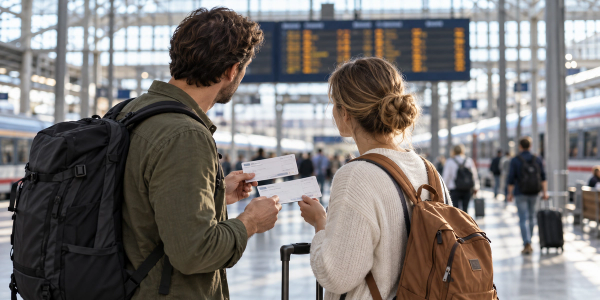
I have a slightly embarrassing airport habit. Some people buy a neck pillow, some people browse perfumes they don’t need, and I go hunting for sushi. Not always, not blindly, and definitely not from every sad little fridge next to the gate. But if I’m in an airport with decent food options and I’ve got a long flight ahead, I’ll at least look. Sushi is light, it doesn’t sit in your stomach like a cheese-loaded burger, and when it’s good, it makes the whole travel day feel a bit more civilized. When it’s bad, though... oh wow. Airport sushi can go from “nice little pre-flight treat” to “why did I do this to myself at 36,000 feet?” very fast.
The thing with sushi while traveling is that it sits right at the messy intersection of food joy and food safety. Raw fish, cooked rice, sauces, refrigeration, time, security queues, delayed flights, warm taxi rides, all of it matters. I learned that the hard way on a connection through Bangkok years ago, when I bought a salmon roll because it looked pretty and then carried it around like a souvenir for nearly three hours. By the time I ate it, the rice had gone a bit gummy and the fish had that faint sweet smell that makes your brain whisper, “maybe don’t.” I ate half anyway. Regret followed. Nothing dramatic, but enough stomach drama to make me rethink my whole airport snack personality.
Why airport sushi feels tempting, especially when you’re tired
#Airport food has changed so much. I still remember when the basic choice was a soggy sandwich, a muffin the size of a small helmet, or fries. Now you can find poke bowls, ramen bars, sushi counters, Korean fried chicken, idli in Indian lounges, decent coffee, and sometimes regional dishes that actually feel connected to the city you’re in. Tokyo Haneda and Narita are famous for proper Japanese food before flying, Singapore Changi has made airport eating feel like a sport, and even airports that used to be food deserts now have grab-and-go sushi cases next to craft coffee stands.
And sushi fits modern travel so neatly. It’s tidy. It’s portioned. It feels fresher than a beige sandwich. If you’re heading onto a long flight, a cucumber roll or a few pieces of nigiri sounds smarter than a heavy curry or a fried combo meal. I get it. I’ve done the same calculation in Delhi, Doha, Hong Kong, Vancouver, and once in Frankfurt where I was so sleep deprived that I bought sushi mainly because the packaging looked clean and calm. That’s not a safety standard, by the way. Pretty packaging is not refrigeration. But tired travelers, me included, make emotional decisions.
The basic safety rule: sushi is on a clock
#Here’s the part I wish every airport sushi box had printed in big letters: perishable food should not hang around at room temperature for more than two hours. That’s the standard food safety guidance from agencies like the FDA and USDA. If the surrounding temperature is hot, around 90°F or 32°C or above, the safe window drops to about one hour. Sushi is especially sensitive because it often includes raw fish, cooked rice, vegetables, and sometimes mayo-based sauces. Basically, it’s not a snack that enjoys being forgotten in your backpack while you wander duty-free.
Cold sushi should be held at 40°F or below, which is about 4°C. That’s the number I keep in my head. If I’m buying sushi from a proper refrigerated case that feels genuinely cold, great. If it’s sitting on a counter, even on one of those decorative beds of ice that only chills the bottom of the container, I get suspicious. Ice has to actually keep the food cold, not just look dramatic. And no, soy sauce, wasabi, and pickled ginger do not magically kill whatever might be growing. I love wasabi. I respect wasabi. But it is not a food safety plan.
| Situation | My practical limit | What I do |
|---|---|---|
| Bought chilled sushi and eating right away | Best option | Eat in the airport, before boarding if possible |
| Sushi out of refrigeration | 2 hours max, 1 hour in hot conditions | If I don’t know how long it sat out, I skip it |
| Sushi in an insulated bag with frozen ice packs | Only if it stays very cold | Use a thermometer if you’re serious, otherwise keep the trip short |
| Leftover sushi after a flight | Usually no thanks | If it was not kept cold the whole time, toss it |
| Raw sushi for pregnant or immune-compromised travelers | Skip raw fish | Choose cooked or vegetarian options instead |
My personal airport sushi test, because labels don’t tell the whole story
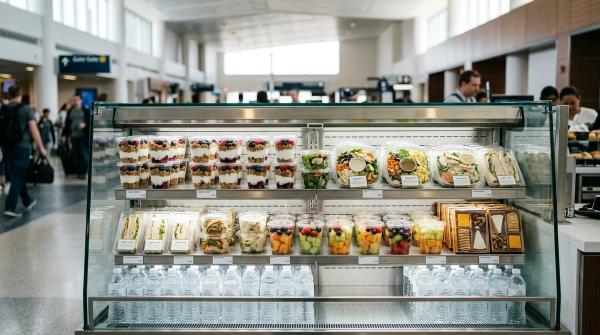
#I have a little ritual now. I check the case first. Is it cold enough that the plastic box feels chilled all over, not just vaguely cool on the bottom? Is there condensation inside the lid? That can mean temperature swings, which I don’t love. Is the fish glossy or dull? Does the tuna look natural or weirdly neon? Is the rice dried out at the edges? Are the rolls collapsing like they’ve had a long emotional day? I also look for a packed-on time or use-by time. In Japan, I’ve seen beautifully clear time labels on takeaway sushi and ekiben, which I appreciate so much. In other places, the label might only show a date, which is less helpful when you’re deciding whether to eat raw fish before an overnight flight.
I also trust turnover. A busy sushi counter making rolls constantly is different from a lonely fridge in a quiet terminal where the same spicy tuna box may have been waiting since breakfast. High turnover doesn’t guarantee safety, but it’s a good sign. I once had a simple tuna maki at Haneda before a late flight and it was honestly better than many restaurant meals I’ve had outside airports. Clean counter, steady customers, visible prep, clear timing. That’s the dream. Compare that with a sad airport kiosk in another country, no names mentioned, where the salmon rolls were stacked beside cut fruit and yogurt under a light that felt warm. I bought nuts instead.
Ice packs: useful, but not magic little snow gods
#People get very confident with ice packs. I used to as well. I’d throw one tiny gel pack into a lunch bag and convince myself I had created a mobile refrigerator. Not quite. Ice packs help only if they are properly frozen, there are enough of them, the bag is insulated, and the sushi starts cold. You can’t rescue lukewarm sushi by placing it next to a half-melted pack and hoping for the best. Cold food needs to stay cold from the start.
If you’re flying in the United States, TSA generally allows solid food like sushi through security, but ice packs and gel packs need to be frozen solid when you go through screening. If they’re slushy or melted, they may be treated like liquids unless they’re medically necessary. Other countries can have different airport security rules, so don’t build your whole meal plan around carrying four gel packs through an international terminal unless you’ve checked the rules. I’ve had frozen packs pass without a problem, and I’ve also had a security officer poke one suspiciously like it was a space object. Travel keeps you humble.
My real-life ice pack rule is simple: if the sushi has to survive more than a short airport transfer, I usually don’t bother. I’ll eat it before boarding or buy something else. For longer food-carrying questions, I treat sushi more strictly than a sandwich, even though sandwiches have their own limits too. I wrote about that same travel-food clock in Packed Sandwiches While Traveling: Safety Limits, and honestly the lesson is similar: time and temperature do not care about your itinerary.
What I skip almost every time
#I’m not anti-airport sushi. Clearly. But I am picky, and I think you should be too. I almost always skip spicy tuna rolls from random grab-and-go fridges. Not because spicy tuna is evil, but because chopped fish mixed with sauce has more surface area and more handling, and the chili mayo can hide quality clues. If fish is old, sauce can make it harder to notice. I also skip anything loaded with mayo, cream cheese, mystery “crunch,” or sauces zigzagged across the top. Those rolls are fun at a neighborhood sushi place where they’re made fresh, but in an airport box, they make me nervous.
- Raw shellfish, especially oysters or raw scallops, is a no for me in airports. Too risky and not worth it before flying.
- Discounted end-of-day sushi is another skip. I love a bargain, but not on raw fish before a long flight.
- Warm sushi rice with cold fish sounds nice in a restaurant, but if a takeaway box feels room temp all over, I walk away.
- Anything with a fishy, sour, ammonia-like, or overly sweet smell goes straight into the bin. Good sushi should smell clean, like the sea but not like low tide.
- I avoid boxes with swollen lids, leaking soy packets, wet labels, or rice that looks hard on the edges and mushy in the center.
What I choose when I still want sushi before a flight
#My safest airport sushi order is boring, and I mean that lovingly. Cucumber rolls, avocado rolls, cooked shrimp rolls, inari, tamago if it’s properly chilled, and sometimes eel because it’s cooked. Vegetarian rolls are not automatically risk-free, because cooked rice and cut vegetables still need safe handling, but they remove the raw fish issue. If I’m at a reputable airport sushi counter with visible prep and good turnover, I’ll sometimes order salmon or tuna nigiri and eat it immediately. I don’t pack it for later. I don’t save “just two pieces” for the plane. That’s how trouble starts.
Cooked options can be genuinely delicious too. Inari, those sweet tofu pockets filled with sushi rice, are one of my favorite travel bites in Japan. They’re soft, tidy, and oddly comforting when you’re jet-lagged. Kappa maki with crisp cucumber is underrated. A well-made shrimp roll with a little wasabi and soy can be perfect before boarding. The trick is not to treat cooked sushi as immortal. It still needs refrigeration. Cooked seafood, egg, rice, and cut vegetables are still perishable. But if I’m choosing between raw spicy tuna from a lonely fridge and a simple chilled cucumber roll from a busy counter, I know where I’m going.
The rice matters more than people think
#Everyone worries about the fish, which makes sense, but sushi rice deserves attention. Cooked rice can grow Bacillus cereus if it’s held improperly. Sushi rice is usually seasoned with vinegar, sugar, and salt, which helps with flavor and can lower the pH, but that doesn’t mean every airport roll is automatically safe at room temperature. Good sushi operations control the rice carefully. Random takeaway boxes? You just don’t know. If the rice feels dried out, crusty, or strangely wet, I take that as a sign the sushi has been sitting or temperature-abused.
This is also why I don’t love carrying sushi through a whole travel day. Imagine: taxi to airport, check-in line, security, gate delay, boarding, taxi on runway, meal service comes late, then finally you open your sushi box over your tray table. That’s not lunch anymore, that’s a science project with chopsticks. And I say this as someone who once carried convenience-store onigiri from Osaka to Seoul and felt very proud of myself until I realized I had eaten all my snacks before takeoff. Sometimes the safest plan is also the least romantic: eat it now or buy something else later.
Airport delays are the villain in this story
#You can make a good sushi plan and then the airport ruins it. A one-hour layover becomes four. Your gate changes twice. The lounge is full. Your backpack sits in a sunny window while you charge your phone. Suddenly that beautiful little box of salmon rolls is outside the safe window and you’re bargaining with yourself because it cost too much money. I know this bargaining voice very well. It says, “It’s probably fine.” It says, “I’ve eaten worse.” It says, “Food waste is bad.” All true-ish, except food poisoning on a plane is worse.
This is where I’ve become more ruthless. If I buy airport sushi, I eat it soon. If my flight is delayed and I can’t keep it cold, I toss it. Painful, yes. But cheaper than ruining the first two days of a trip. I use the same practical mindset with lounge buffets, especially before long flights. Some lounge food is great, some of it sits around too long, and some dishes are better skipped depending on timing. If you travel through India often, this piece on Indian Airport Lounge Food Before Long Flights gets into that same “eat now or skip it” thinking.
Raw fish, parasites, and the freezer thing people misunderstand
#A quick note because this comes up a lot: reputable sushi fish is often frozen under specific conditions to reduce parasite risk. Food safety rules in many places require parasite destruction freezing for fish intended to be eaten raw, with some exceptions depending on species and sourcing. But freezing is not a magic reset button. It helps with parasites, not all bacteria or viruses. If raw fish is handled badly after thawing, or kept too warm, it can still become unsafe. So when someone says “sushi-grade,” I don’t relax completely. That term is not a universal safety certification in the way many travelers imagine. I care more about the business, the handling, the temperature, and how quickly I’m eating it.
Also, certain travelers should be more cautious. Pregnant people, older adults, very young kids, and anyone with a weakened immune system are generally advised to avoid raw or undercooked seafood. That doesn’t mean they can’t enjoy Japanese food at the airport. Go for cooked rolls, veggie rolls, rice bowls from a reputable place, miso soup if it’s hot, or a proper cooked meal. There’s no food glory in taking a risk your body doesn’t need.
A few airport sushi memories, good and bad
#The best airport sushi I ever had was at Haneda. No surprise, probably. It was a small set, nothing flashy, just clean slices of fish, rice that held together without turning dense, and miso soup hot enough to wake me up. I ate slowly even though I was worried about missing boarding, which is exactly the kind of silly airport tension that makes food taste sharper. The whole thing reminded me why sushi is supposed to be about balance, not giant rolls drowning in sauce.
The worst was in a North American terminal during a snow delay. The airport was packed, everyone was cranky, and I bought a spicy salmon roll because it was the only thing left that wasn’t a candy bar. The fridge door didn’t close properly. I noticed that. I ignored it. The roll tasted flat and overly sweet, like the sauce was doing all the talking. I didn’t get properly sick, but my stomach felt off for the whole flight, and I spent six hours sipping water and regretting my personality. That experience changed me more than any official warning ever could.
Then there was Singapore Changi, where I had a neat little sushi box during a layover and felt completely comfortable because the case was cold, the labeling was clear, and turnover was fast. Changi is one of those airports where food is part of the travel experience, not an afterthought. Still, I ate it right away. Even in a polished airport, the clock starts once the food leaves proper refrigeration.
Sauces, soy packets, and the false comfort of strong flavors
#Strong flavors can trick you. Spicy mayo, eel sauce, wasabi, ginger, chili crisp, even too much soy can cover up fish that isn’t at its best. I’m not saying never eat sauced rolls, but I prefer simple sushi in airports because it gives me more information. Clean fish should taste clean. Rice should taste gently seasoned. Nori should not be leathery and sad. If a roll needs three sauces and fried crumbs to be exciting, I’d rather save that for a restaurant where it’s made fresh.
This is the same reason I’m careful with other travel foods that rely on sauces. Sauces are wonderful, but they can hide age, temperature problems, and sloppy handling. I think about this with street food too, especially when traveling in hot weather. If you’re into practical food safety while still eating well, the same instincts show up in Food Truck Meals While Traveling: Safety Clues and Red Flags. Different food, same traveler brain: look for turnover, temperature, cleanliness, and whether your gut says yes or absolutely not.
My simple airport sushi plan now
#- Buy sushi from a busy, reputable place with proper refrigeration, not a random warm-looking display.
- Look for packed-on or use-by times. If there’s no timing and the box looks tired, skip it.
- Eat it soon, ideally before boarding. Don’t save raw sushi for halfway across the ocean.
- If carrying sushi with ice packs, use an insulated bag and fully frozen packs, and keep the total time short.
- When in doubt, choose cooked or vegetarian rolls, or just get a hot meal instead.
That last point sounds boring, but it has saved me many times. Sometimes the best travel food decision is not the most exciting one. Before a long-haul flight, I want food that makes me feel good, not food that gives me anxiety every time the plane bumps. A hot bowl of noodles, a fresh dosa, a rice bowl, soup, or even a decent bakery item can be a better choice than questionable sushi. I love sushi too much to eat bad sushi. That’s my rule.
So, safe or skip?
#Airport sushi can be safe, and it can be genuinely lovely, but it asks more from you than a bag of chips. You need to notice time, temperature, turnover, and your own travel schedule. If it’s cold, fresh-looking, clearly labeled, from a place with good traffic, and you’re eating it soon, I’m in. If it’s been sitting around, feels room temp, smells even slightly off, or you’re planning to carry it through a long delay with one sad ice pack, skip it. No roll is worth starting your trip with stomach cramps in an airplane bathroom. Truly, no culinary dream ends well there.
And maybe that’s the bigger food-travel lesson. Eating well on the road isn’t only about chasing the famous dish or the prettiest airport meal. It’s about reading the room, respecting local food, respecting your body, and knowing when to say “not today.” I’ll still buy airport sushi when the signs are good. I’ll still get excited about a neat little box of maki before a flight. But I’ll eat it on time, keep it cold, and skip the sketchy spicy tuna. For more travel food rambling and practical eating notes, I like browsing AllBlogs.in when I’m planning what to eat next.