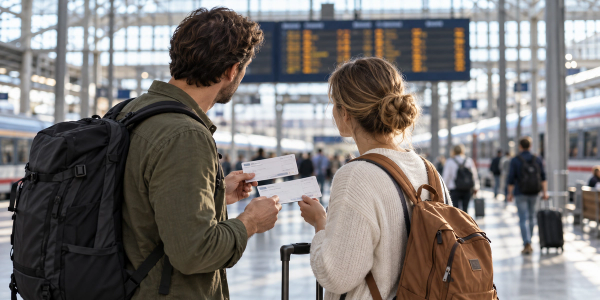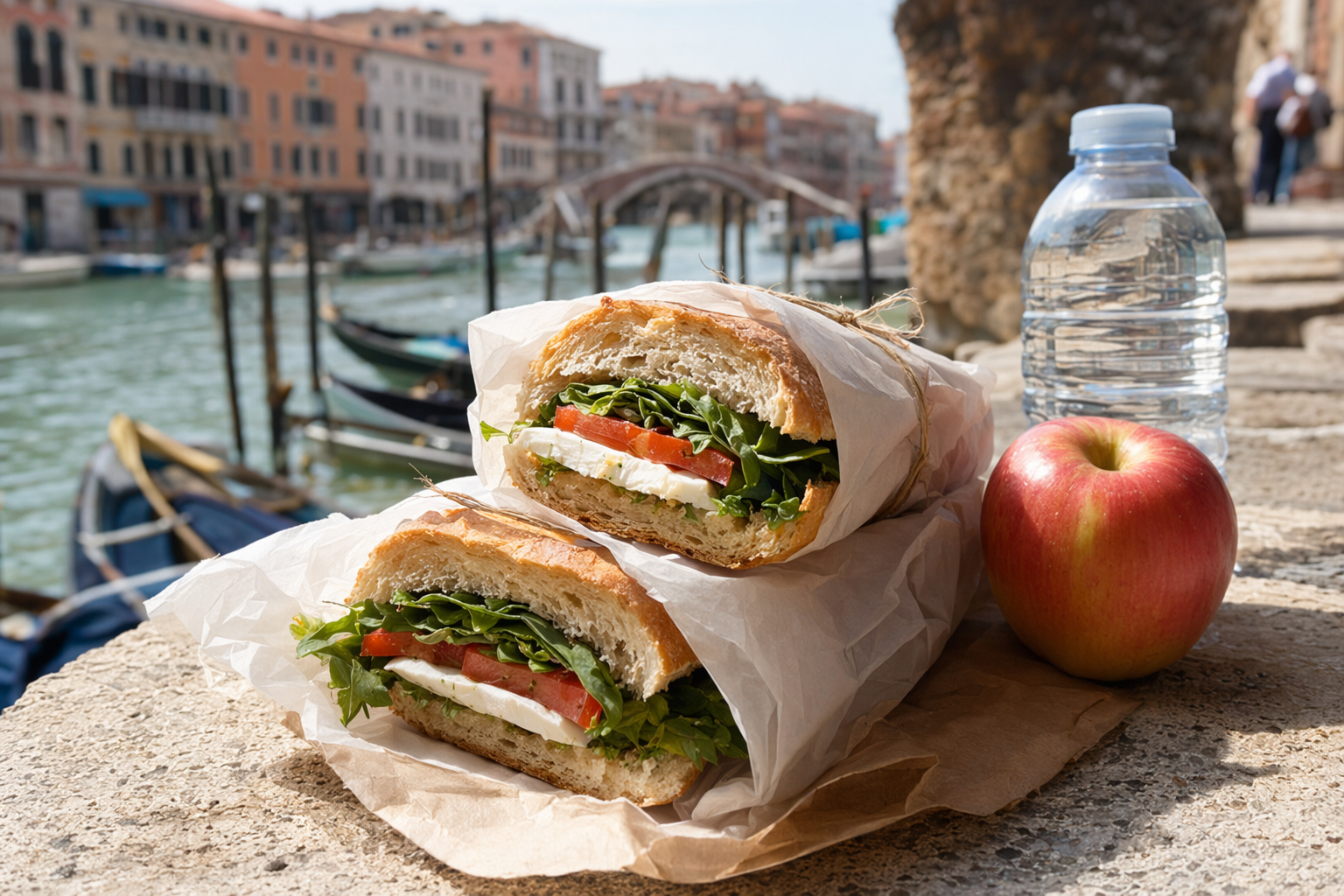
I love a good sandwich on the road. Like, properly love it. There’s something deeply comforting about pulling a wrapped sandwich from your bag when you’re sitting on a train platform in a city you barely know, shoes dusty, phone battery dying, stomach making that embarrassing little whale noise. A sandwich says: calm down, we planned for this. But sandwiches are also sneaky little food safety traps, and I learned that not from a textbook, but from a very sweaty cheese-and-chicken situation on a summer bus ride between Jaipur and Delhi years ago. I was young, overconfident, and honestly kinda cheap. I packed this big heroic sandwich in the morning, ate half at noon, forgot the other half in my backpack, then finished it around 5 p.m. because I hate wasting food. Terrible choice. Not dramatic hospital-level terrible, but the kind of night where you make promises to every god you’ve ever heard of.
So this is not me saying don’t pack sandwiches while traveling. Please do! Sandwiches are one of the greatest travel foods ever invented, right up there with bananas, roasted peanuts, and those tiny packets of salted chips that somehow taste better on trains. But there are limits. Real ones. The boring food-safety people are right about some things, even if they say it in the least romantic way possible. The USDA and FDA guidance is pretty clear: perishable food should not sit in the “danger zone,” roughly 40°F to 140°F, for more than 2 hours total, and only 1 hour if it’s above 90°F outside. In travel language, that means your turkey sandwich is not an all-day travel companion unless you’ve got a cooler situation going on.
The Romance of the Road Sandwich, and the Problem With Reality
#My favorite travel sandwiches are never fancy. I’ve eaten crusty bocadillos de tortilla on Spanish trains, spicy chutney sandwiches wrapped in newspaper on Indian railway platforms, overstuffed deli sandwiches in New York that were basically architectural projects, and Japan’s konbini egg salad sandwiches, which are so soft and perfect they almost feel fake. In Vietnam, bánh mì ruined me for plain baguettes forever. In Portugal, a simple ham and cheese from a corner bakery before a bus to Sintra tasted better than half the restaurant meals I had that week. Food is context, you know? A sandwich eaten on a sea wall with gulls screaming overhead is a different sandwich than the same one eaten under fluorescent office lights.
But travel context also changes the safety math. At home, your sandwich lives in a fridge until lunch. On the road, it gets stuffed into a daypack next to a camera, warms up in a taxi, gets squeezed under a seat, maybe sits in direct sun while you’re distracted by a cathedral or a spice market or some absurdly charming alleyway. And then you unwrap it hours later and go, hmm, smells okay. That phrase, smells okay, has betrayed so many travelers. Bacteria don’t always send a dramatic smell announcement. Sometimes they’re quiet little villains.
The Basic Safety Limit I Actually Follow Now
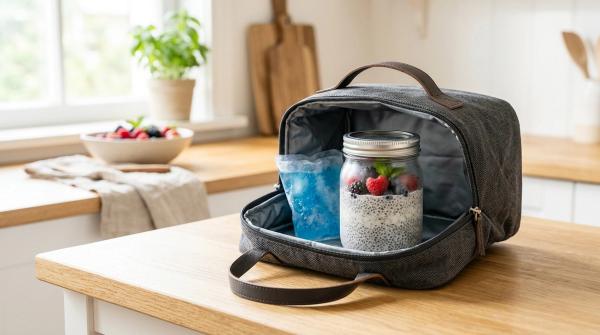
#Here’s my everyday rule, not perfect but practical: if the sandwich has meat, fish, eggs, cut tomatoes, soft cheese, mayo, or anything creamy, I treat it like a perishable meal. It gets eaten within 2 hours if it’s unrefrigerated. If it’s hot outside, like Indian summer hot or southern Spain in August hot, I cut that down to 1 hour. If I have an insulated lunch bag with frozen gel packs and the sandwich stays properly cold, then I’m more relaxed, but I still try to eat it by lunch rather than carry it like emotional luggage all day. Cold food should stay at 40°F or below. Most travelers aren’t carrying thermometers, me included, so if the ice pack is melted and the sandwich feels room-temp, I assume the clock has been running.
- Two hours unrefrigerated is the main limit for perishable sandwiches, according to USDA-style food safety guidance.
- One hour is the safer limit when the temperature is above 90°F, which happens fast in cars, buses, beaches, and station platforms.
- An insulated bag with frozen ice packs buys you time, but only if the food actually stays cold, not just vaguely less warm.
- If you’re unsure how long it’s been warm, don’t play hero. Toss it. I know, it hurts.
My Mumbai Train Sandwich Mistake, and Why Mayo Is Not a Personality Trait
#One of my clearest food-travel memories is from Mumbai, where I was doing that very touristy but still wonderful thing of eating everything in sight. Vada pav near Dadar, cutting chai so strong it could revive a dead laptop, pav bhaji with too much butter, which is obviously the correct amount. I had also packed a chicken mayo sandwich from a cafe because I thought I was being smart for the train later. It looked innocent. Neat triangles. Nice soft bread. I tucked it into my bag and then spent hours wandering through heat, traffic, and humidity that made my shirt feel like a damp napkin. By the time I ate it, the bread had gone a little sweaty and the filling had that heavy warm smell. Did I still eat it? I did. Do I respect that version of me? Not really.
Mayo gets blamed for everything, but the real issue is usually the whole perishable combo: cooked chicken, eggs, tuna, deli meat, dairy, and handling. Commercial mayonnaise is acidic enough that it’s not automatically the villain, but mixed into chicken salad or egg salad and left warm for hours? Nope. That’s where the risk climbs. These days, if I want creamy, I buy it fresh and eat it soon, or I keep it chilled properly. For monsoon trips or humid weather, I’m even more careful. I wrote similar notes to myself after reading about food safety on wet-season routes, and this piece on Overnight Bus Food in India During Monsoon: Pack, Buy, Avoid matches a lot of what I’ve learned the uncomfortable way.
What Makes a Sandwich Risky While Traveling?
#The riskiest packed sandwiches are usually the ones that sound most satisfying: roast chicken with aioli, tuna salad, egg mayo, ham and soft cheese, leftover kebab meat in pita, smoked salmon with cream cheese, anything with fresh cut tomato and lettuce that’s been washed who-knows-when and stored who-knows-how. I’m not saying never eat them. I eat them all the time. But I don’t let them sit warm for half a day anymore. There’s a difference between delicious and durable, and travel food needs to be both unless you have refrigeration.
Deli meats can be tricky because they’re ready-to-eat and handled after cooking. Soft cheeses hold more moisture. Cooked poultry is famously unforgiving. Seafood sandwiches are the drama queens of the lunchbox, tasty but demanding. Cut vegetables add moisture, and wet bread is not only sad, it can speed up the whole spoilage vibe. Also, let’s talk about hands. Travel hands are disgusting. Mine included. You touch railings, tickets, money, luggage handles, taxi doors, hostel lockers, and then suddenly you’re adjusting lettuce with your fingers like a chef in a calm studio kitchen. No. Carry sanitizer, or wipes, or wash properly when you can.
The Safer Sandwiches I Pack When I Don’t Have a Cooler
#When I’m doing a no-cooler day, I pack sandwiches that lean dry, salty, acidic, or shelf-stable. Peanut butter and banana, eaten within a reasonable time, is my old reliable. Hard cheese with pickle or chutney can work better than soft cheese, especially if the weather isn’t boiling. Hummus is borderline for me if it’s unrefrigerated, so I keep that short. Jam, nut butter, honey, roasted veggies that are not too wet, avocado with lime if I’ll eat it quickly, and cured dry salami in cooler climates can be okay-ish, though I’m still cautious with meat. In India, a dry aloo masala sandwich with green chutney tastes brilliant, but chutney can be risky if it’s fresh and wet and sat out, so I use it lightly or pack it separately.
A surprisingly good travel sandwich is thick bread, peanut butter, a smear of jam, and crushed roasted peanuts for crunch. Is it gourmet? No. Does it survive a four-hour museum morning and a delayed tram? Yes. Another one I like is cheddar, mustard, and pickled onions on sturdy bread. Mustard is such a useful traveler condiment because it brings flavor without the same spoilage anxiety as creamy spreads. If I’m in a city with great bakeries, like Paris or Lisbon, I’d rather buy a fresh baguette sandwich close to eating time than carry one from dawn. Same with Japan, honestly. The convenience stores there have such high turnover that grabbing an egg sando right before the train feels safer than packing one at 7 a.m. and treating it like a passport.
Bread Choice Matters More Than People Admit
#Soft sandwich bread gets soggy, squashed, and weirdly warm. A crusty roll, baguette, ciabatta, or paratha wrap holds up better. I learned this in Italy after carrying a panino from Florence to a hillside bus stop outside Siena. It had pecorino and salami, nothing too wet, and the bread stayed chewy and proud instead of collapsing into paste. Meanwhile my friend had packed tomato mozzarella focaccia, which sounded heavenly at breakfast and became a wet dairy sponge by noon. We still ate some of it, because we were hungry and dumb, but even she admitted it had gone too far.
Moisture is the sandwich killer. Put lettuce between bread and wet fillings if you’re eating soon, but if it’s traveling longer, keep tomatoes separate. Toast the bread lightly. Butter or mustard can create a small barrier, though don’t overthink it like you’re engineering a bridge. Wrap in parchment first, then foil or a container, so it doesn’t sweat as much. Plastic wrap traps condensation, which is fine for some sandwiches and gross for others. I’ve had sandwiches come out of plastic looking like they spent the morning in a sauna, which, to be fair, they had.
Cooler Bags, Ice Packs, and the Hotel Mini-Fridge Gamble
#If I’m traveling by car or taking a long train, I’ll use a small insulated bag with two frozen gel packs. Not one sad little ice pack floating around like a decorative thought. Two, ideally surrounding the sandwich. Frozen water bottles help too, and then you get cold water later, which feels like winning twice. The bag should stay closed. Every time you open it to admire your snacks, warm air gets in. I say this as someone who opens snack bags constantly because I am spiritually weak.
Hotel fridges are another whole thing. Some are cold, some are basically cupboards with a light. If I’m storing sandwich fillings overnight, I check whether drinks are actually cold by morning. If milk doesn’t feel properly cold, I don’t trust the fridge with chicken salad. For more on that little travel roulette wheel, the guide on Hotel Mini-Fridge Food Safety for Travelers is worth reading before you turn your room fridge into a deli counter. Also, don’t pack tomorrow’s sandwich while half-asleep with unwashed hands after a night market crawl. I have done this. It was not my finest culinary hour.
Airports, Security Lines, and the Expensive Sandwich Trap
#Airports are where my sandwich ethics get tested. A limp airport sandwich can cost as much as a decent dinner in some cities, and still taste like cold cardboard with ambition. So yes, I pack food. Most solid sandwiches usually pass security fine in many places, though liquids and gels are the issue, so don’t pack a giant tub of sauce and act surprised. Ice packs can be subject to rules too, and in the U.S. TSA generally wants frozen gel packs to be frozen solid when going through screening unless medically necessary. Airport rules vary by country, so I always check if I’m carrying anything unusual, especially fresh produce or meat across borders.
My airport sandwich strategy is simple: pack something sturdy and eat it before boarding or early in the flight. Peanut butter, cheese and pickle, or a dry roasted veg sandwich. I avoid tuna on planes because I believe in being a decent member of society. Same goes for egg salad, though Japan’s egg sandwiches are so good they make me question my morals. If I buy after security, I look for sandwiches that are clearly refrigerated, sealed, and within date, not the ones sitting at room temperature beside the muffins. A queue helps. Turnover matters. Same principle as street food, actually.
Long Bus Rides: The True Sandwich Stress Test
#Buses are harder than trains for food, at least for me. Trains have tables, airflow, sometimes pantry cars, and a general sense that eating is part of the experience. Buses are cramped, hot, bumpy, and somehow every smell becomes everyone’s smell. On a long bus in Rajasthan, I once watched a family unwrap the most beautiful thepla, pickle, and dry potato sabzi, and I was jealous because their food was built for travel. My sandwich, meanwhile, had slid sideways and become a dense little brick. Indian travel food has so many smart traditions because people have been solving this problem forever: dry snacks, pickles, fried items, roasted grains, spice, salt, less moisture.
If I’m packing for an overnight bus now, I skip delicate sandwiches unless I can eat them early. I’d rather bring dry poha chivda, khakra, fruit with a peel, nuts, or buy fresh hot food from a busy stop where the turnover is obvious. Sandwiches with perishable fillings on an overnight route? Only if chilled properly and eaten soon. And please don’t tuck leftovers into your bag after dinner and call it breakfast. I know budget travel makes us creative, but there’s creative and then there’s gastrointestinal roulette.
Picnics Abroad: Beautiful, Delicious, Slightly Dangerous
#The best sandwich I ever packed might have been in Greece. A small bakery in Naxos sold these sesame rolls, and I filled one with feta, olives, cucumber, and tomato before hiking to a beach. The sea was ridiculous blue, the kind of blue that makes you forgive all your life choices. But it was also hot. Very hot. We ate within an hour, and that’s why it stayed a happy memory. Feta and cut vegetables sitting in a backpack all afternoon would’ve changed the story.
Picnic food feels wholesome, so we forget it can spoil. A blanket, a view, a bottle of something cold, little sandwiches wrapped in paper... it’s romantic. But if there’s no cooler, choose foods that can handle the day. I’ve started using the same approach I use for hikes: pack durable foods, keep perishables cold, eat risky items first. If you’re planning a no-cooler picnic, this piece on Picnic Food Without a Cooler: Safe Ideas for Day Trips lines up with my own hard-earned rules, minus the embarrassing bus sandwich story.
How I Judge a Bought Sandwich While Traveling
#Not every travel sandwich has to be homemade. Honestly, some of the best are bought from tiny shops where someone’s been making the same thing for 30 years. But I look for clues. Is the sandwich refrigerated if it has perishable fillings? Are staff using tongs or gloves, or at least not handling cash and then touching fillings? Is there a steady line of locals? Are the ingredients covered? Does the place smell clean, not like old oil and sadness? In Spain, a bar tortilla sandwich can be fine if turnover is fast, but tortilla sitting unrefrigerated all day in warm weather makes me nervous. In India, chutney sandwiches from a busy stall can be fantastic, but I prefer stalls where the chutney looks fresh, the bread isn’t sitting in dust, and the vendor’s hands are moving with practised cleanliness.
I’m not a germaphobe traveler. I eat street food, I love markets, I’ve eaten things from banana leaves, newspaper, metal plates, plastic stools, and once from a very questionable ferry snack counter because hunger won. But I do believe in watching. Food safety while traveling is mostly observation plus humility. If something feels off, I leave it. There will be another sandwich. There is always another sandwich.
My Quick Packing Method Before a Travel Day
#The night before a long travel day, I do a tiny bit of planning, nothing fancy. I decide what needs to be cold and what doesn’t. I freeze water bottles or gel packs if I have access to a freezer. I pack wet ingredients separately when possible. I put the sandwich near the cold packs, not in the outside pocket of a backpack where the sun can roast it. I keep hand wipes in the same pouch because if they’re buried somewhere, I won’t use them. Human nature, unfortunately.
- Make the sandwich with clean hands and clean surfaces, especially if you’re in a hostel kitchen or shared rental kitchen.
- Cool fillings before packing. Don’t trap warm chicken or eggs inside bread and then seal it up like a little bacteria greenhouse.
- Label the time in your head. If it left the fridge at 8 a.m., don’t pretend at 2 p.m. that time is a flexible concept.
- Eat the riskiest sandwich first. Save nuts, crackers, fruit, or shelf-stable snacks for later.
What I Don’t Pack Anymore, Even Though I Miss It
#I don’t pack tuna mayo for long trips anymore. I love it, but no. I don’t pack egg salad unless it’s staying cold and getting eaten soon. I don’t pack smoked salmon unless I’m basically walking straight to a picnic spot with ice packs. I don’t pack leftover meat from last night’s dinner into bread and call it a plan unless it was cooled and stored properly. And I’m careful with sprouts. Raw sprouts have been linked to outbreaks over the years because bacteria can grow during sprouting, so they’re not my travel sandwich garnish of choice. Crunchy, yes. Worth it in a warm backpack? Not for me.
I also avoid overstuffed sandwiches when traveling. This is more emotional safety than food safety, but still. A giant sandwich sounds fun until half the filling drops onto your jeans in a train carriage and you have to sit with mustard on your thigh for three hours. Compact sandwiches are better travel companions. Wraps can be good, though they can also become damp tubes of regret if filled wrong. Sorry, but it’s true.
A Little Love Letter to Local Sandwiches
#Part of the joy of traveling is realizing nearly every place has its own answer to “stuff good things in bread.” Mumbai has vada pav, which is technically more snack-burger than sandwich but spiritually belongs here. Vietnam has bánh mì with that crackly baguette and pickled vegetables. Turkey has balık ekmek by the water, best eaten fresh because fish waits for no one. Mexico has tortas. The U.S. has po’boys, cheesesteaks, Italian beef, and deli sandwiches so large they feel like a dare. France has jambon-beurre, which proves butter and ham can be a whole philosophy. These foods are safest and best when eaten where they’re made, fresh, hot or properly chilled, with the local rhythm around them.
That’s maybe the bigger point. Packing sandwiches is useful, but don’t let your backpack lunch make you miss the food culture around you. I pack when I need control: early trains, expensive airports, hikes, long museum days, kids getting cranky, me getting cranky. But if I’m in a city known for a particular sandwich or street snack, I want the local version, made by someone who knows what they’re doing. Travel food is not just fuel. It’s memory. It’s place. It’s the reason I still think about a simple cheese roll from a Lisbon bakery years later.
So, What’s the Real Limit?
#The real limit is this: perishable packed sandwiches need cold control or quick eating. Two hours unrefrigerated, one hour in serious heat. Keep cold foods cold, ideally at 40°F or below. Keep hot foods hot, 140°F or above, though hot sandwiches are harder to maintain safely while traveling unless you have proper insulated gear. When in doubt, toss it. That sounds wasteful, and I hate waste, but food poisoning while traveling wastes a whole day, sometimes more, and it can turn a beautiful trip into a bathroom-based itinerary. Nobody wants that blog post.
A packed sandwich should make travel easier, not become a tiny edible time bomb in the bottom of your bag.
I still pack sandwiches all the time. I just pack smarter now. I choose fillings based on weather, timing, and whether I’ve got a cooler. I eat the risky stuff early. I buy fresh when the local food scene deserves it, which is often. And I try, imperfectly, to remember that my stomach is also a traveler and deserves a little respect. If you’re wandering somewhere soon with a sandwich in your bag, may your bread stay sturdy, your cheese stay cool, and your lunch not betray you halfway through a bus ride. For more food-travel rambles and practical little safety guides, I like browsing AllBlogs.in when I’m planning my next hungry adventure.