If you cook a lot of stir-fries, noodles, fried rice, tofu bowls, or glossy vegetable dishes, you’ve probably seen oyster sauce in the ingredient list. It’s one of those sauces that makes food taste deeper, richer, and a little more restaurant-style with almost no effort.
But if you’re vegetarian, vegan, avoiding shellfish, or ordering for someone with dietary restrictions, there’s one big question:
Is oyster sauce vegetarian?
Usually, no. Traditional oyster sauce is not vegetarian because it’s made with oysters, oyster extract, or oyster juice.
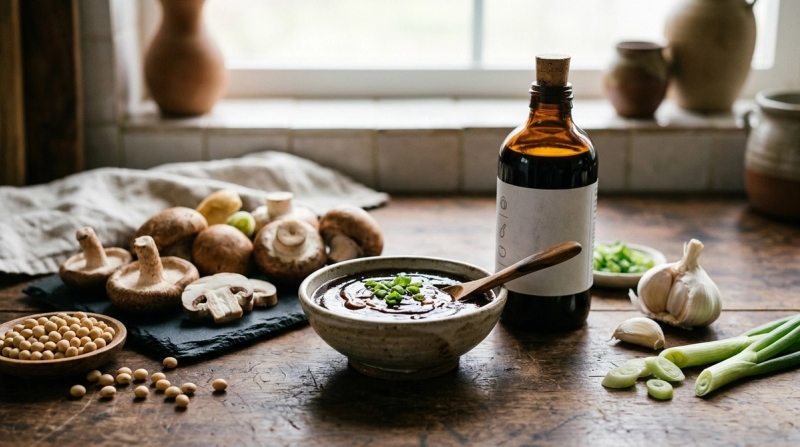
That said, there are great vegetarian versions. They’re often called vegetarian oyster sauce, mushroom oyster sauce, or mushroom-flavored stir-fry sauce. These are usually made with mushrooms instead of oysters, and they’re designed to give you a similar salty-sweet, savory flavor.
Here’s how to tell the difference, what to look for on labels, what to ask at restaurants, and what to use when a recipe calls for oyster sauce.
Quick Answer
#- Regular oyster sauce is not vegetarian or vegan. It normally contains oysters or oyster extract.
- Vegetarian oyster sauce is usually mushroom-based. Shiitake mushrooms, oyster mushrooms, or mushroom extract are commonly used for umami flavor.
- The front label isn’t enough. Always check the ingredients for oyster extract, shellfish, fish sauce, anchovies, soy, and wheat.
- Mushroom oyster sauce is the closest cooking substitute. It works well in stir-fries, noodles, rice dishes, tofu, and vegetables.
- At restaurants, ask about the sauce. A dish can look vegetarian but still be cooked with oyster sauce or fish sauce.
Traditional Oyster Sauce vs. Vegetarian Mushroom Sauce
#The confusing part is that even vegetarian versions may still use the words “oyster sauce” on the bottle. The real answer is in the ingredient list.
Traditional oyster sauce
#Traditional oyster sauce is a thick, dark brown sauce made with oysters or oyster extract. It tastes salty, slightly sweet, rich, and savory. It also gives stir-fries that glossy coating that clings to vegetables, tofu, noodles, and rice.
Because it comes from oysters, traditional oyster sauce is not vegetarian and not vegan.
On a label, watch for ingredients like:
- Oyster extract
- Oyster juice
- Oyster sauce
- Oyster flavoring
- Shellfish ingredients
If you see any of these, it’s not vegetarian.
Vegetarian mushroom oyster sauce
#Vegetarian oyster sauce is the meat-free version. You might see it labeled as:
- Vegetarian oyster sauce
- Mushroom oyster sauce
- Mushroom-flavored stir-fry sauce
- Vegan oyster sauce
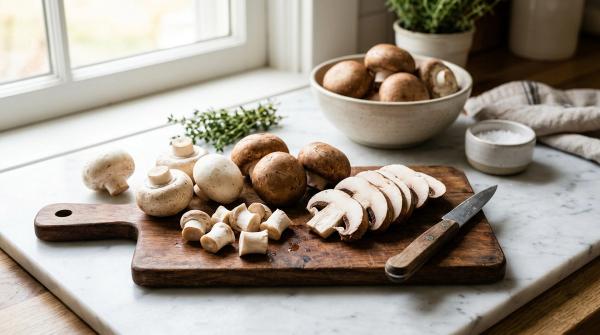
Instead of oysters, these sauces usually use mushrooms to create a deep, savory flavor. Shiitake mushrooms and oyster mushrooms are common choices.
And just to clear up a common point: oyster mushrooms are mushrooms, not shellfish. They’re named that because of their shape, not because they contain oysters.
Vegetarian mushroom sauce is usually dark, thick, salty, a little sweet, and full of umami. It may not taste exactly like traditional oyster sauce, and some brands are sweeter or saltier than others, but it’s usually the best direct swap.
Is Oyster Sauce Veg or Non-Veg?
#If a bottle simply says “oyster sauce,” assume it is non-veg unless it clearly says vegetarian or vegan.
A simple way to think about it:
- Oyster sauce: non-veg
- Vegetarian oyster sauce: usually vegetarian-friendly
- Mushroom oyster sauce: usually vegetarian-friendly
- Vegan oyster sauce: made without animal ingredients, but still check the label
Even with vegetarian or vegan sauces, it’s worth reading the ingredients, especially if you avoid gluten, soy, or certain additives.
What to Check on the Label
#Sauce labels can be sneaky. The name on the front might sound fine, but the ingredient list tells you what’s actually inside.
Ingredients that are not vegetarian
#Avoid sauces that contain:
- Oyster extract
- Oyster juice
- Oyster sauce
- Oyster flavoring
- Shellfish
- Fish sauce
- Anchovies
Fish sauce and anchovies aren’t always in oyster sauce, but they do show up in some bottled Asian sauces, stir-fry sauces, marinades, and restaurant sauces. If you’re vegetarian or vegan, these are ingredients to watch for.
Allergens and dietary concerns
#Even vegetarian oyster sauce may contain ingredients that matter for allergies or special diets.
- Shellfish: Traditional oyster sauce contains shellfish and is not safe for people with shellfish allergies.
- Soy: Many regular and vegetarian sauces contain soy sauce or soy ingredients.
- Wheat or gluten: Many soy sauces contain wheat, so some oyster sauce alternatives are not gluten-free.
If you need a gluten-free version, look for a bottle clearly labeled gluten-free. You can also make a quick homemade swap using gluten-free tamari instead of regular soy sauce.
If allergies are serious, be extra careful with restaurants and shared kitchens. A menu may not mention oyster sauce, but it can still be part of the cooking sauce.
Restaurant Ordering Tips
#Ordering vegetarian or vegan food at restaurants can be tricky, especially with stir-fries, noodles, fried rice, and dishes served in a brown sauce.
A dish may look vegetarian because it has tofu, broccoli, mushrooms, or mixed vegetables, but the sauce can still contain oyster sauce, fish sauce, or another seafood-based ingredient.
1. Ask about oyster sauce directly
#Instead of only asking, “Is this vegetarian?” ask a more specific question:
“Does this dish contain oyster sauce, fish sauce, or any seafood-based sauce?”
That usually gets a clearer answer.
2. Ask for a simple sauce
#Some restaurants have a vegetarian sauce available. You can ask:
“Can this be made with mushroom sauce instead of oyster sauce?”
Or keep it very simple:
“Can you make it with soy sauce, garlic, and vegetables only?”
Clear requests are easier for the kitchen to follow.
3. Be careful with noodles and fried rice
#Lo mein, chow mein, fried rice, and saucy noodle dishes often use oyster sauce for flavor, color, and shine. Even if the dish is listed with vegetables or tofu, it’s still worth asking about the sauce.
4. Be extra clear when traveling
#If there’s a language barrier, point to the dish and ask specifically about oyster sauce, fish sauce, seafood, and shellfish. If you follow a strict vegetarian or vegan diet, say that you do not eat seafood-based sauces at all.
Easy Oyster Sauce Substitutes for Home Cooking
#If a recipe calls for oyster sauce and you don’t eat it, the easiest substitute is mushroom oyster sauce. In most recipes, you can use the same amount.
Still, taste it first if you can. Some brands are very salty, some are sweeter, and some are thicker than others.
If you don’t have mushroom oyster sauce, try one of these simple swaps.
1. Mushroom Oyster Sauce
#Best for:
- Stir-fries
- Noodles
- Tofu dishes
- Vegetable sides
- Fried rice
- Rice bowls
This is the closest substitute for regular oyster sauce. It gives you savory depth, a bit of sweetness, and that glossy finish without using oysters.
Use it in dishes like:
- Broccoli stir-fry
- Tofu and mushrooms
- Garlic greens
- Vegetable fried rice
- Saucy noodles
- Stir-fried bok choy
For most recipes, use it as a 1:1 replacement for oyster sauce.
2. Soy Sauce and Hoisin Sauce
#Best for quick stir-fries and noodle sauces.
Mix:
- 1 tablespoon soy sauce
- 1 tablespoon hoisin sauce
- A small splash of water, if needed
Soy sauce brings saltiness. Hoisin adds sweetness, body, and thickness. This mixture is usually a little sweeter than mushroom oyster sauce, but it works well in everyday cooking.
If you need it gluten-free, use gluten-free tamari and make sure your hoisin sauce is gluten-free too.
3. Soy Sauce, Sugar, and Cornstarch
#Best for a quick pantry fix.
Mix:
- 2 tablespoons soy sauce or tamari
- 1 teaspoon sugar
- 1/2 teaspoon cornstarch
Stir until smooth, then add it to your pan with a little water or cooking liquid. The cornstarch helps the sauce thicken and coat the food better.
This won’t taste exactly like oyster sauce, but it gives you the same basic idea: salty, lightly sweet, and glossy.
4. Soy Sauce Only
#If soy sauce is all you have, you can use it, but don’t swap it one-for-one. Soy sauce is thinner and saltier than oyster sauce, so using the same amount can make your dish too salty.
Use a little less, then taste and adjust.
If possible, add a pinch of sugar and something to thicken the sauce, like cornstarch mixed with water. It will feel more balanced and closer to the texture of oyster sauce.
Best Choice for Vegetarians and Vegans
#If you cook stir-fries or noodle dishes often, the easiest option is to keep a bottle of vegetarian oyster sauce or mushroom oyster sauce in your pantry.
It’s more convenient than mixing a substitute every time, and it comes much closer to the flavor and texture of traditional oyster sauce than plain soy sauce does.
Just remember: labels matter. If you’re vegan, gluten-free, soy-free, or cooking for someone with allergies, always check the ingredients before using it.