When the belt stops moving and your bag is still not there
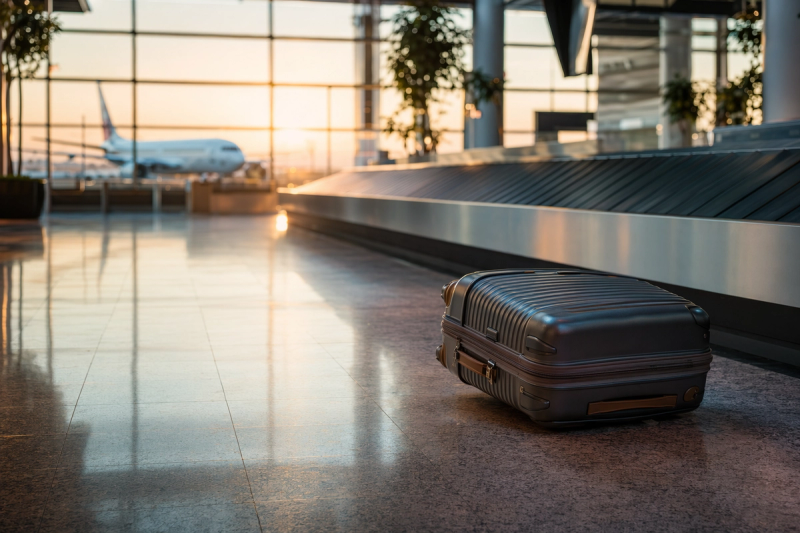
#There is a very specific kind of silence at an international airport when the baggage carousel stops. Everyone has gone, one lonely suitcase is going round like it has no home, and you are standing there with your passport pouch, neck pillow, and that sinking feeling in the stomach. Mine happened after a long India-to-Europe connection, and honestly, I was too tired to even panic properly. I kept thinking, arre maybe one more trolley will come. Maybe oversized baggage. Maybe staff will bring it. Nothing. My suitcase, with my jeans, chargers, basic medicines, and one very carefully packed packet of homemade masala chai, had decided to take a separate holiday.
If your baggage is delayed abroad, the first 24 hours are not about drama. They are about boring, practical, slightly annoying steps that save you money and headache later. I learnt this the hard way because I first wasted 20 minutes roaming between belts like some CID investigation was going on. So this is my proper Indian traveler checklist for that first day: what to do at the airport, what to buy, what to claim, what not to say casually, and how to keep your trip from becoming a full disaster.
First thing: don’t leave the airport without filing the report
#This is the biggest point. Please don’t think, “hotel jaake call kar lenge.” No. Before you cross out of the baggage area, go straight to the airline baggage services counter or the lost luggage desk. Sometimes it is handled by the airline, sometimes by a ground handling company, and sometimes there is one common counter for multiple airlines. Show your boarding pass, baggage tag sticker, passport, and give them your local address. Ask for a Property Irregularity Report, usually called PIR. This report number is basically your lifeline. Without it, later conversations become very irritating because the call centre person will ask for it again and again.
Also check the baggage tag number printed on your boarding pass sticker. I know many of us throw boarding passes into some random pocket after immigration, but keep it. Take photos of the PIR, baggage tag, boarding pass, and your suitcase if you have an old photo. I had one photo from home where my bag was in the background near the sofa, not even a proper suitcase photo, but it helped me describe the brand, colour, size, and that embarrassing red ribbon my mother tied so I can identify it quickly. Indian moms are geniuses, boss.
What to say at the baggage desk, without getting confused
#Keep your explanation short. Something like: “My checked bag has not arrived. This is my final destination. Here is my baggage tag. I need a PIR and tracking number.” Don’t start with a 10-minute story of your layover unless they ask. Give your hotel address, phone number with country code, WhatsApp number if active, email, and the number of days you are staying there. If you are moving cities soon, tell them clearly. A friend of mine gave only his first hotel address in Rome and then left for Florence next morning. His bag reached Rome after him, then followed him around Italy like a confused tourist.
- Ask for the PIR number and airline baggage tracking website or phone number.
- Ask if they deliver to hotel, Airbnb, hostel, cruise port, or only airport pickup.
- Ask about emergency purchase allowance, because every airline has its own process.
- Ask if you need to submit receipts online and within how many days.
Your phone is more important than your suitcase in the first 24 hours
#This sounds dramatic but it’s true. If your mobile data is not working abroad, baggage delay becomes ten times more stressful. Airlines send updates by SMS, email, WhatsApp, or app notification. Hotels may call. Delivery driver may need directions. And Indian travelers have one extra headache: OTP. Your bank card, forex card app, UPI-linked stuff, even email login sometimes wants OTP on your Indian number. So before you even leave the airport, connect to Wi-Fi and make sure you can access email, airline app, maps, hotel booking, and payment apps.
I now sort my connectivity before leaving India, because airport Wi-Fi is not always reliable and sometimes it asks for a local number, which is comedy only when you are not tired. If you’re confused about Indian SIM OTPs, WhatsApp, and eSIM setup outside India, this guide is genuinely useful: eSIM OTP Abroad Guide for Indian Travelers. Keep your Indian SIM active for incoming OTP if possible, but use local eSIM/data for maps and calls. Also save the airline baggage contact in your phone with the country code. Small thing, big relief.
The actual first 24-hour checklist I follow now
#Okay, here’s the practical list. Not fancy, not perfect, just what works. First, file PIR before exit. Second, confirm delivery address and keep proof. Third, photograph every document. Fourth, check your travel insurance wording. Fifth, buy only essentials and keep receipts. Sixth, update your hotel reception that a delayed bag may arrive. Seventh, check airline tracking after a few hours, not every 4 minutes like I did. Eighth, prepare one small survival kit for the night. Ninth, message family calmly, because Indian family WhatsApp groups can turn one delayed suitcase into national emergency.
- At the airport: collect PIR, tracking reference, desk contact, and emergency allowance info.
- Before leaving: confirm whether customs rules require you to be present when the bag arrives. Some countries or airports have specific procedures.
- At hotel: give reception your name exactly as on passport and airline file, plus PIR number if they ask.
- Within 24 hours: buy basic toiletries, innerwear, one change of clothes, charger if needed, and weather protection.
- Same day: start a note on your phone with times, names, phone calls, and expenses. Sounds extra, but later it helps.
What you can buy, and what airlines may reimburse
#This is where people either spend too little and suffer, or buy a whole new wardrobe and then get angry when the airline says no. For international flights, many airlines cover “reasonable essential expenses” when checked baggage is delayed, but the exact rules differ. Some airlines give a fixed amount per day, some reimburse after you submit receipts, some treat outbound and return-home delays differently. If your bag is delayed on the way back to India, they may say you already have essentials at home. Annoying, but common.
Under the Montreal Convention, which applies to many international journeys, airlines can be liable for baggage delay, loss, or damage up to a limit expressed in Special Drawing Rights, not rupees or dollars. But this does not mean you automatically get the maximum. You still need proof, receipts, and a reasonable claim. Travel insurance may add delayed baggage benefits too, often after a minimum delay period like 6, 12, or 24 hours depending on policy. Read your policy PDF, not just the sales brochure. Trust me, the real details hide there like exam fine print.
| Essential purchase | Usually reasonable | Be careful with |
|---|---|---|
| Toiletries | Toothbrush, toothpaste, deodorant, basic skincare, sanitary products | Expensive perfumes, luxury cosmetics |
| Clothing | Innerwear, socks, t-shirt, simple trousers, sleepwear | Designer shopping, multiple outfits per day |
| Weather items | Jacket, gloves, umbrella, thermals if destination needs it | Premium winter gear unless unavoidable |
| Electronics | Basic charger or adapter if it was in checked bag | New phone, headphones, camera gear |
| Medicines | Basic OTC items where legal, prescription replacement if needed | Buying without prescription rules in that country |
Indian packing mistake: putting survival items in checked luggage
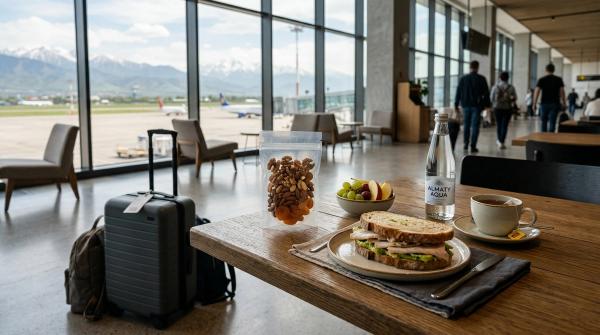
#We Indians pack like we are shifting house. Snacks, extra sandals, backup kurta, medicines, gifts for cousin, pressure cooker sometimes, no judgement. But please keep the first 24-hour survival kit in cabin baggage. I now carry one spare t-shirt, innerwear, socks, basic medicines with prescription if needed, power bank, universal adapter, small toiletries under liquid rules, and one light layer. If travelling in winter, I wear or carry my main jacket. Not packed inside check-in. If your bag is delayed in Zurich or Toronto in peak winter and your jacket is inside it, you will remember this sentence with full emotion.
Also never pack important documents, jewellery, house keys, laptop chargers, daily medicines, or visa papers in checked luggage. For Indian travelers, I’d add forex card, some USD/EUR cash, international debit card, and your Indian SIM ejector pin. Sounds silly until you need to swap SIMs at 11 pm in a hotel bathroom using an earring. Been there, not proud.
Leaving the airport: transport, safety, and the tired-brain problem
#After filing the report, your brain will be fried. This is when people make bad decisions, especially after long-haul flights. If you are arriving late at night, choose safe transport over cheapest transport. Airport trains and metros are great in places like Singapore, London, Dubai, Paris, Amsterdam, Kuala Lumpur, and many European cities, but check operating hours and luggage rules. If you have no bag, technically travel is easier, but you are also distracted. Keep passport pouch inside jacket or crossbody bag, not in the open tote.
For taxis, use official airport taxi counters or trusted apps available locally. Don’t go with random “taxi, taxi” uncles outside arrival gates, even if they speak Hindi and call you brother. Especially when you are stressed. If you are landing in a city known for pickpocketing around stations, like parts of Paris, Rome, Barcelona, or Prague, be extra boring and alert. I love wandering, but first night after baggage delay is not the time to explore dark side lanes with your passport and no clean clothes.
Where to stay if your bag is delayed and plans go sideways
#Sometimes delayed baggage forces you to stay near the airport or extend a hotel night. Accommodation costs vary wildly by city and season, but rough ranges help. Airport capsule hotels or pod-style stays in parts of Asia can be around USD 25 to 70 for a short stay. Hostels in Europe or Southeast Asia may be USD 15 to 60 per bed, depending on city. Budget hotels often start around USD 50 to 120, while airport hotels can easily go USD 100 to 250 or more. In expensive cities like London, New York, Zurich, or Singapore, even basic rooms can feel like you are paying rent in Mumbai Bandra.
If your bag is delayed, message your hotel before arrival: “My checked luggage is delayed. Airline may deliver it. Can reception accept it if I am out?” Many hotels will accept it, but they may need your authorisation or passport-name match. Hostels and Airbnbs are trickier. For Airbnb, ask the host clearly because there may be no reception. If you are changing hotels next day, give the airline the most stable address, not some vague “I will update later” thing. Also keep a printed or screenshot copy of the hotel booking, since some baggage delivery forms ask for address proof.
Shopping for emergency basics without wasting your trip budget
#My rule is: buy enough to feel human, not enough to feel fashionable. In Europe, shops like Primark, H&M, Decathlon, Uniqlo, DM, Rossmann, Boots, or local supermarkets can save you. In the US, Target, Walmart, CVS, Walgreens. In Southeast Asia, 7-Eleven, Watsons, Guardian, local malls, and night markets are super useful. In the Middle East, pharmacies and hypermarkets are usually well stocked, though prices in airport malls can be high. If you arrive on Sunday in parts of Europe, many shops may be closed, so airport or railway station stores might be your only option.
Keep receipts like they are gold. Paper receipts fade, so take photos immediately. If the receipt is in another language, don’t worry, but maybe circle the important items before uploading later. Avoid cash if you can because card statements add proof, but keep some local cash for small stores. And don’t forget cultural basics. In some countries, pharmacies are not open late, certain medicines require prescription, and sizes may differ. If you need Indian comfort, buy bananas, yoghurt, bread, instant noodles, or whatever settles your stomach. First day abroad without luggage is not the day to test your digestive bravery with raw seafood, frankly.
Food, mood, and not letting one suitcase ruin the city
#This part sounds soft, but it matters. After my bag delay, I wasted half a day refreshing the airline tracker. Then a hotel staff aunty-type lady, not Indian but same energy, told me to go outside, eat something warm, and come back. Best advice. Your suitcase may arrive in 6 hours or 36 hours, and sitting in the room in airport clothes won’t speed it up. Go for a simple local meal near your stay. A bakery, ramen shop, kebab place, nasi lemak stall, soup, falafel, pizza slice, whatever is normal and nearby. You’ll feel less helpless.
Btw, this is where local culture quietly helps. In many cities, laundromats are common and people don’t think twice about repeating clothes. In Japan, convenience stores are basically life support. In Thailand and Malaysia, malls have everything from SIM cards to cheap cotton clothes. In Europe, pharmacies can guide you better than random internet searches for small health needs. Ask hotel staff for the nearest supermarket instead of only tourist shopping street. Lesser-known neighbourhood stores often have better prices and kinder people. Not always, but often. And yes, if you have thepla in cabin bag, this is the moment it becomes emotional support food.
Tracking the bag without losing your mind
#Airline baggage tracking systems are useful, but they can be slow. Sometimes the bag is found and loaded before the website updates. Sometimes it says “tracing continues” while the airport already knows it is coming on the next flight. Check every few hours, not every few minutes. If you call, note the time, person’s name if given, and what they said. Be polite but firm. The staff didn’t personally hide your suitcase, though it feels like that at 2 am.
If you used an AirTag or tracker in your bag, it can help you understand where it is, but don’t treat it as final official proof. Airlines still work through their systems. Also don’t march into restricted airport areas saying your AirTag is showing inside. Security won’t enjoy your confidence. Share the location politely if customer service asks. For connecting flights, baggage delays often happen when layovers are short, flights are late, or baggage systems are overloaded during peak holiday periods. It’s not always theft. Mostly it is logistics gone messy.
Flight delay, baggage delay, missed connection: keep the paperwork separate
#One thing I didn’t understand earlier: a flight delay and a baggage delay are different claims. If your flight was delayed from India and then your bag missed the connection, keep both sets of proof. Boarding passes, delay messages, meal vouchers, baggage reports, hotel receipts, everything. Don’t mix receipts randomly. If you had an airport disruption in India before flying out, this related piece on Indian Airport Delay Food Guide: Claim, Eat, Carry explains the food and receipt side nicely. Different problem, same habit: keep proof, ask at the counter, don’t assume WhatsApp screenshots are enough.
Also, if online check-in failed before your international flight because of passport, visa, or name mismatch issues, arrive earlier and keep documents sorted. Baggage problems feel worse when the whole journey already started with stress. I’ve seen people fighting at counters because their name order was different on ticket and passport, and then later baggage tags got confusing too. If that’s your usual anxiety, read this before your next trip: International Flight Online Check-In Not Working? Passport, Visa & Name Fixes for Indian Travelers. It’s not directly about luggage, but it sits in the same family of airport headaches.
Season matters more than you think
#A delayed bag in Bali is irritating. A delayed bag in Iceland in winter is a survival problem. Before you travel, think of the first 24 hours by season. For cold destinations, carry thermals, gloves, beanie, and jacket in cabin. For monsoon or tropical places, keep one quick-dry outfit and sandals or at least socks that don’t stay wet forever. For business trips, keep one presentable shirt or kurta in hand baggage. For weddings abroad, please carry the main outfit or at least blouse, jewellery, and essentials in cabin if allowed. Indian wedding luggage is basically museum-level precious.
Best travel months depend on destination, but baggage systems get more strained during peak summer holidays, Christmas-New Year, long weekends, and big events. Prices for emergency hotels and clothes also jump during festivals, sports events, fashion weeks, and conferences. If you are going to a city during a big marathon, expo, or concert weekend, don’t assume you can easily book a cheap room last minute. Even hostels fill up. For safety, I now keep one flexible backup night in mind when landing very late or connecting through busy hubs.
The money side: cards, cash, insurance, and Indian jugaad
#For the first 24 hours, you need payment access more than anything. Carry at least two cards, ideally from different banks or networks, and some local currency or widely accepted cash like USD/EUR depending where you go. Forex cards are useful but not every small shop accepts them. Credit cards are better for hotel deposits in many countries. UPI is expanding in some places, but don’t depend on it abroad like you do in India for chai tapri payments. Keep bank customer care numbers saved offline, because if a transaction gets blocked, you don’t want to search while standing in a pharmacy queue.
For insurance, check delayed baggage benefit, baggage loss benefit, passport loss, trip delay, and emergency purchase rules. Some policies exclude unattended baggage or valuables in checked luggage. Many require original receipts and airline PIR. If your company booked travel insurance, ask HR or travel desk for the policy certificate before flying, not after suitcase drama. And don’t exaggerate claims. Buy what you actually need. A clean claim with reasonable receipts usually moves better than a messy claim with luxury shopping and emotional essay attached.
What if the bag arrives, but damaged or items are missing?
#When the bag finally reaches, don’t just smile and send the delivery guy away in two seconds. Check the suitcase outside, wheels, zip, lock, handle, and obvious damage. Take photos before opening if something looks off. If items are missing or damaged, report quickly to the airline through their baggage claim channel. There are usually deadlines for damage and missing contents, and they can be short. Keep the baggage tag and delivery note.
If customs seal or security inspection note is attached, photograph it. If the lock is broken, note it. Don’t throw away damaged bags until claim is settled unless airline tells you. I know hotel rooms become messy, especially when you’re living from cabin bag, but keep everything together in one folder or pouch. My personal system is very uncle-type: one plastic envelope for paper receipts and one phone album named “Baggage Claim”. Not aesthetic, but works.
My calmer version of the first night plan
#If I land abroad today and my bag doesn’t arrive, this is exactly what I’ll do. File PIR. Confirm delivery. Get data working. Tell hotel. Buy toothbrush, deo, innerwear, socks, one simple outfit, and charger only if needed. Eat something warm. Sleep. Next morning, check tracker and call once. Continue with sightseeing or work with a lighter plan. That’s it. No airport crying, no angry tweeting at midnight, no buying three jackets because I’m upset. Okay maybe one angry message to my wife, but that is allowed.
A delayed suitcase feels personal, but most of the time it is just a logistics problem. Treat it like paperwork plus patience, and your trip can still be good.
And please don’t let shame come in. Repeating clothes is fine. Buying cheap emergency underwear is fine. Asking hotel reception for help is fine. Indian travelers sometimes feel we must manage everything silently, but abroad, systems work when you ask the right desk and keep the right documents. Be polite, keep receipts, and move on with the day. Your bag will most likely catch up. If it doesn’t, at least you have the claim process started properly.
Final thought, from one slightly traumatised suitcase-watcher to another
#Baggage delayed abroad is one of those travel problems that looks small from outside and feels huge when it happens to you. Especially after a long flight from India, when you’re jet-lagged, hungry, calculating every expense into rupees, and trying to sound confident in front of airline staff. But the first 24 hours decide whether it stays a manageable inconvenience or becomes a full mess. File the report before leaving, keep your phone and money working, buy sensible essentials, save receipts, and don’t pause the whole trip for a suitcase.
Now I always pack my cabin bag like my check-in bag may go missing for one day. Not fearfully, just smartly. And honestly, that one habit has made international travel much less stressful. Hope your bag always arrives on the belt, with that proud little thud. But if it doesn’t, you know what to do. For more practical Indian-traveler style guides and real trip planning stuff, I usually keep browsing AllBlogs.in when I’m planning or recovering from these travel nautankis.