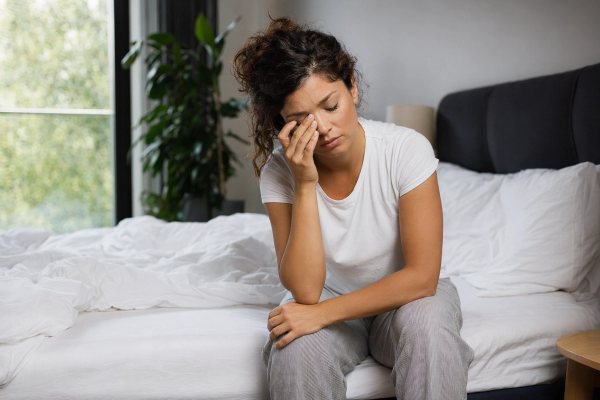
Last July I had one of those weird body moments that instantly makes your brain go to a bad place. I was standing in a grocery line, it was brutally hot outside, I'd had iced coffee but basically no actual water, and all of a sudden my heart started doing this flip-floppy thing in my chest. Not exactly pain, more like pounding, fluttering, skipping, then pounding again. I remember thinking, okay cool, this is either anxiety or I am personally about to collapse next to the avocados. It turned out to be a really big wake-up call about dehydration, electrolytes, and how summer heat can sneak up on you way faster than you think.
So the short answer is yes, dehydration can absolutely contribute to heart palpitations in summer. Not every flutter means dehydration, and not every palpitation is harmless, but low fluid levels can change your blood volume, stress your cardiovascular system, and mess with electrolytes like sodium and potassium that help your heart beat normally. That's the simple version. The more annoying, real-life version is that heat, sweat, alcohol, caffeine, exercise, certain meds, poor sleep, and anxiety all like to pile on at the same time, which makes it kinda hard to tell what's what.
Why summer seems to make everything louder in your body
#When you're dehydrated, your body has less circulating fluid. That means your heart may have to work harder to keep blood pressure and blood flow where they need to be. You can end up with a faster heart rate, dizziness, feeling shaky, headaches, dry mouth, fatigue, and yep, palpitations. And in summer? You lose more fluid through sweat, sometimes a lot more than you realize. Add a long walk, humid weather, a salty lunch, one of those giant cold brew drinks, and not enough water, and suddenly your body is trying to improvise with not enough supplies. Not ideal.
This isn't just wellness-influencer talk either. Heat-related illness has been getting more attention in recent years because hotter seasons are lasting longer in a lot of places, and emergency departments tend to see more dehydration and heat stress during heat waves. Public health guidance keeps getting more specific now, especially for older adults, outdoor workers, athletes, pregnant people, kids, and anyone with heart disease, kidney issues, diabetes, or meds that affect fluid balance. Honestly I think that's one of the biggest 2026 wellness shifts, people are finally treating hydration like basic health infrastructure, not just some cute giant water bottle trend.
A lot of us think dehydration means you have to be severely dried out before it matters. That's not really true. Even mild dehydration can make you feel pretty awful, and if you're sensitive to heart rhythm changes, you may notice it fast.
What palpitations from dehydration can feel like... and how mine felt
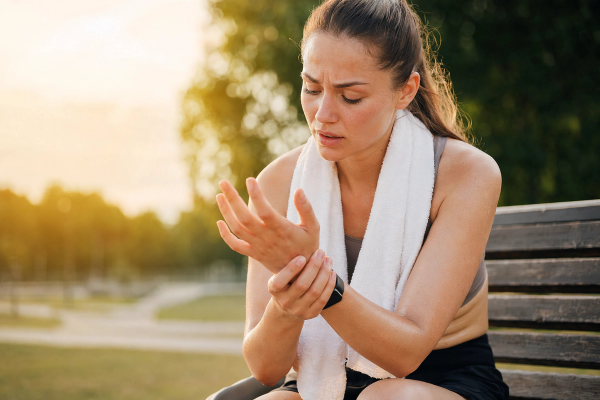
#People describe palpitations in all kinds of ways. Fluttering. Thumping. A skipped beat. A sudden racing feeling. A fish flopping in the chest, which is gross but weirdly accurate. Mine felt like my heart couldn't pick a tempo. It got worse when I stood up, and I also had that lightheaded, almost floaty feeling like my body was buffering. I was sweaty but not in a good healthy workout way. More in a human raisin way.
- A fast heartbeat or pounding heartbeat after being out in the heat
- Feeling dizzy when you stand up
- Dry mouth, dark yellow urine, headache, or muscle cramps
- Feeling extra tired, anxious, or just kind of off
- Palpitations after lots of sweating, diarrhea, vomiting, alcohol, or too much caffeine
Now, little reality check here: palpitations can also happen because of anxiety, anemia, thyroid problems, low blood sugar, viral illness, medication side effects, perimenopause, nicotine, stimulant supplements, atrial fibrillation, and a bunch of other stuff. So if your brain is looking for one neat answer, sorry, bodies are messy. Mine sure is.
The electrolyte part nobody explained to me properly
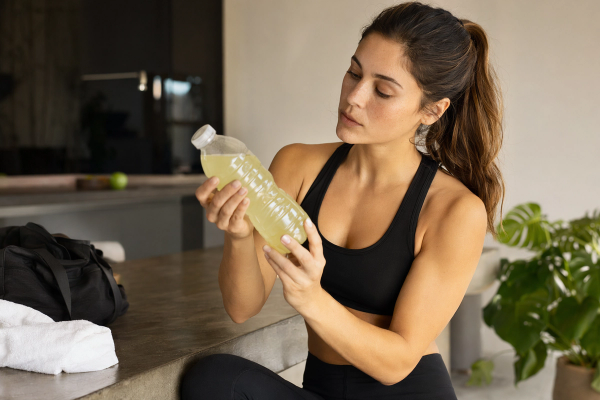
#I used to think hydration just meant chugging water. And yes, water matters a ton, obviously. But if you've been sweating a lot for hours, or you've been sick, or you've done intense exercise in the heat, fluids alone may not always be the whole picture. Electrolytes help regulate nerve and muscle function, including your heart muscle. Potassium, sodium, magnesium, and calcium all matter. If those get out of balance, heart rhythm symptoms can show up. Not always dramatic, but enough to make you go, um, what was that.
One thing that's become way more mainstream by 2026 is smarter hydration instead of mindless overhydration. Sports dietitians and cardiology folks keep repeating this because people went from not drinking enough to overdoing electrolyte packets in giant Stanley cups all day long. Too little fluid can be a problem, but too much plain water, especially over a short time, can also dilute sodium and cause serious issues. Same with hammering concentrated electrolyte products when you don't actually need them. More isn't always better. I know, that's less fun than a miracle hack.
What seems reasonable for most people
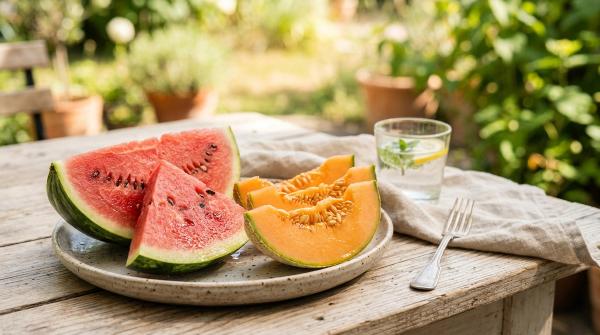
#For everyday summer hydration, starting with regular water intake, drinking more in hot conditions, and replacing longer or heavier sweat losses thoughtfully makes sense. If you're exercising over an hour in serious heat, working outside, or losing fluid from illness, a drink with electrolytes may help. If you're just sitting in air conditioning scrolling and sipping neon powder water all day... probably not neccessary. Food helps too, by the way. Fruit, yogurt, soups, smoothies, cucumber, watermelon, oranges, even salty foods in the right context. It's not all about fancy packets.
Who needs to be extra careful
#Some people can get into trouble faster than others. Older adults may not feel thirst as strongly. Kids can get dehydrated quickly. Endurance athletes and outdoor workers lose more sweat. People taking diuretics, stimulant meds, some blood pressure meds, laxatives, or certain diabetes medicines can have a trickier fluid situation. And if you have a history of arrhythmia, POTS, kidney disease, heart disease, or you're pregnant, summer dehydration is not something to just shrug off.
| Group | Why summer dehydration may hit harder | Extra note |
|---|---|---|
| Older adults | Reduced thirst signals, meds, chronic conditions | May get dizzy or confused before they feel thirsty |
| Outdoor workers and athletes | Heavy sweating, prolonged heat exposure | Need planned hydration, not just 'drink when you remember' |
| People with heart or kidney issues | Fluid balance is more medically complicated | Should follow clinician guidance, not random internet advice |
| Kids and teens | Smaller bodies heat up quicker | Watch energy, pee frequency, mood, and overheating signs |
| Pregnant people | Higher fluid needs and heat sensitivity | Bring it up with OB or midwife if palpitations happen |
My biggest mistake? Assuming coffee counted enough
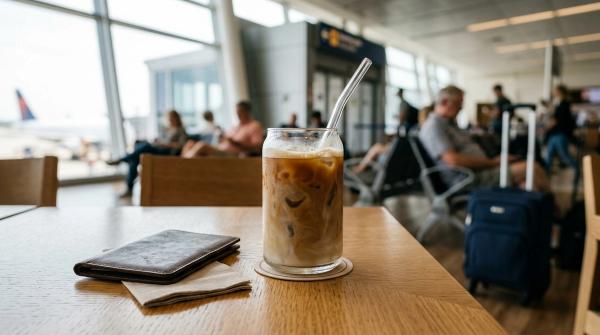
#Look, I love coffee. Deeply. Spiritually. But on hot days I was doing this thing where I had coffee, maybe sparkling water, maybe an iced tea, then wondered why I felt jittery and weird by 3 pm. Caffeine doesn't instantly dehydrate everyone into dust, that's oversimplified, but if it's replacing actual fluid and you're already sweating a lot, it can absolutely be part of the problem. Same with alcohol on hot evenings. One rooftop drink turns into two, you don't eat enough, you sweat walking home, and then in the middle of the night your heart is doing jazz improv. Been there.
- I started checking urine color, not obsessively, just as a rough clue. Pale yellow is usually better than dark apple-juice looking stuff
- I drink some water before I go outside, not just after I'm already thirsty
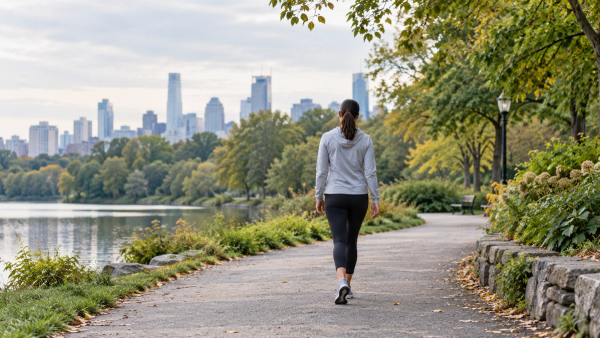
- If I'm walking a lot or exercising in humid weather, I plan fluids and sometimes electrolytes ahead of time
- I stopped pretending a giant iced coffee was a personality and a hydration plan
- If palpitations hit, I sit down, cool off, sip fluids slowly, and actually pay attention instead of pushing through
A few 2026 wellness trends I actually think are useful
#Not all trends are dumb. Some are very dumb, but not all. One helpful shift lately is wearable tech getting better at flagging heat strain, heart rate spikes, sleep disruption, and recovery patterns. They're not diagnostic devices, and they can make anxious people more anxious, but for some folks they do help spot patterns like 'wow, my resting heart rate jumps on hot underhydrated days.' Another trend I like is people talking more openly about nervous system regulation. Because honestly, dehydration and anxiety can tag-team you. Your heart flutters, you panic, then the panic makes it worse. Super rude cycle.
I'm also seeing more clinicians recommend individualized hydration plans instead of generic eight-glasses-a-day nonsense. Fluid needs vary with body size, climate, activity, diet, illness, and medications. That feels obvious, but wellness media used to flatten everything into one-size-fits-all advice. Finally changing, thank goodness.
When palpitations are probably not something to brush off
#This part matters a lot. If you have palpitations with chest pain, shortness of breath, fainting, severe weakness, confusion, blue lips, or they won't stop, get medical help right away. Same if your heart feels very fast or irregular for more than a few minutes, especially if you have a known heart condition. Dehydration might be the trigger, sure, but it can also tip off a bigger problem, and some dangerous rhythm issues feel just like 'weird fluttering' at first. Better to be checked than to tough it out because some blog told you to drink coconut water and vibe.
- Go urgent or emergency if palpitations come with chest pressure, trouble breathing, fainting, or severe dizziness
- Get checked soon if they keep happening, happen at rest, wake you from sleep, or are new for you
- If you're on heart meds, diuretics, or have kidney or cardiovascular disease, ask your clinician what your hydration plan should be
Also, if you've had a stomach bug, food poisoning, or a few days of really poor intake, don't underestimate that. Vomiting and diarrhea can throw off fluid and electrolytes fast. Same with intense training blocks in the heat. There was a phase where I kept calling things 'just stress' and, well, sometimes it was stress. But not always. Sometimes it was my body asking for actual help, and I was being kind of stubborn about it tbh.
What helps in the moment if you think dehydration is part of it
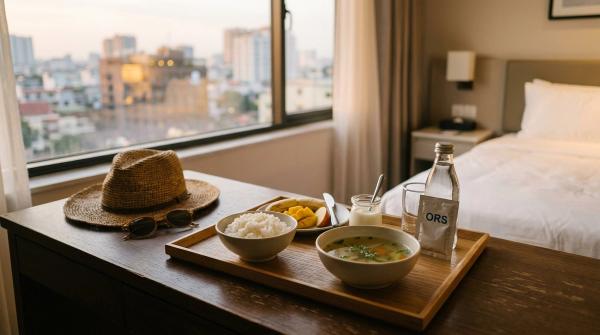
#Assuming you're not having emergency red-flag symptoms, the boring advice really is the useful advice. Move to a cooler place. Sit or lie down. Sip water. If you've been sweating a lot or you've been ill, consider a balanced electrolyte drink or oral rehydration solution. Loosen tight clothes. Stop exercising. Cool your skin with a fan, cool cloth, shade, whatever you've got. Then reassess. If the palpitations settle as you cool down and rehydrate, that's useful info, but still make a note of it if it's happening repeatedly.
I also personally find it helps to do slow breathing once I've had some water, because if I don't, I start catastrophizing. In for four, out for six, nothing fancy. Just enough to stop my brain from turning a dehydration episode into a full dramatic event. Which, to be fair, is one of my special skills.
Simple summer prevention stuff that actually works
#I wish I could tell you there's one perfect anti-palpitations wellness routine, but there isn't. It's more like stacking boring little habits before the heat knocks you sideways.
- Start the day hydrated instead of trying to catch up later
- Eat regularly, because low blood sugar plus heat plus caffeine is a cursed combo
- Wear lighter clothes and avoid peak heat when you can
- Take breaks if you're outside or working out
- Use electrolytes strategically, not like candy
- Watch for meds or supplements that may raise heart rate or affect fluid balance
- Don't ignore repeated symptoms just because you're young or usually healthy
So... can dehydration cause heart palpitations in summer? My honest take
#Yes. It can. Pretty commonly, actually. Dehydration can lower blood volume, strain the cardiovascular system, and contribute to electrolyte imbalances, all of which can make your heart feel like it's beating weird. Summer heat makes the whole thing more likely because sweating increases fluid loss and people tend to underestimate how much they're losing. But also, and this is important, palpitations aren't automatically 'just dehydration.' If they are new, intense, frequent, or come with other symptoms, get medical advice. Please don't let internet wellness culture talk you out of proper care.
These days I'm way less casual about hot weather. I still mess up sometimes, obviously. I'll forget my water bottle, drink too much coffee, get distracted, and then be like wow why do I feel like a Victorian ghost. But I've learned that my body gives hints before it gives alarms. Dry mouth. Headache. Standing up too fast and seeing stars. That buzzy chest feeling. If I listen early, things go way better.
And if you're dealing with this too, you're not silly or dramatic for noticing it. Heart sensations are scary. Even when they turn out to be explainable, they're scary. Be gentle with yourself, hydrate smarter, get checked when needed, and don't do what I did that one awful grocery-store day and try to power through on iced coffee alone. Not a good plan. If you like casual health reads like this, I ramble through more stuff over on AllBlogs.in.