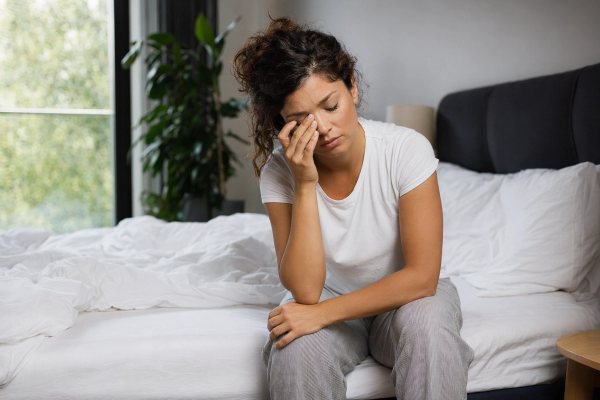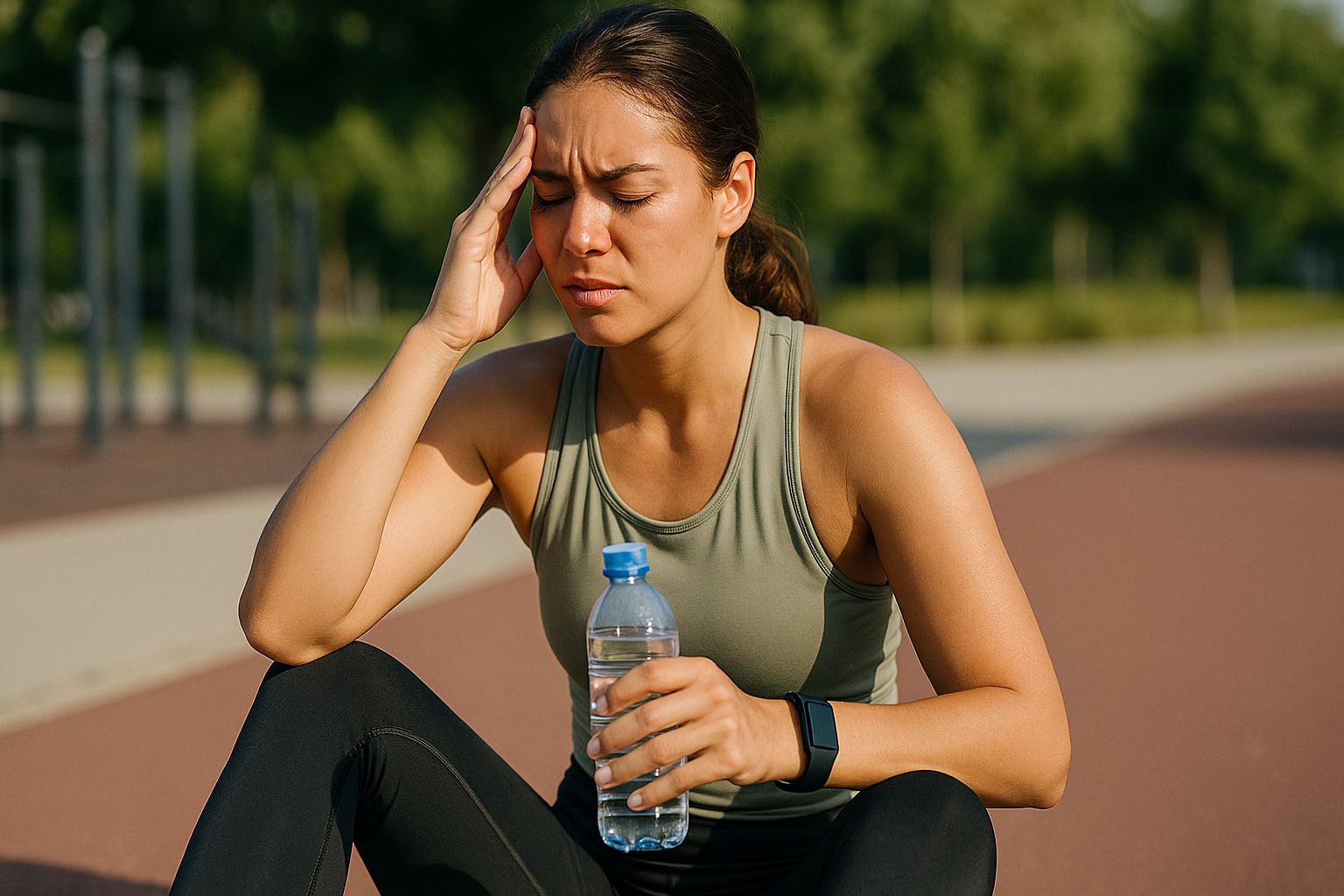
Every summer, like clockwork, I used to get these weird headaches that would sneak up on me somewhere between late morning and that brutal sticky-afternoon heat. At first I blamed everything except the obvious. Too much screen time. Not enough coffee. Then too much coffee. Bad sleep. My ponytail, lol. But after a few summers of feeling kind of wrecked, I realized hot weather changes your body way more than people think. And yeah, summer headaches can absolutely be about heat, dehydration, or low blood pressure. Sometimes all three are tangled together, which is honestly rude.
Quick note before I ramble too far, I’m not your doctor, and if headaches are severe, sudden, one-sided with weakness, come with confusion, chest pain, fainting, fever, stiff neck, or vision changes, that’s not a “drink more water and vibe” situation. Get medical help. But for the really common summer headache thing? There are patterns. Once I started paying attention, a lot clicked.
The short version: yes, heat can trigger headaches, but not always in the way people think
#A lot of us say “the heat gave me a headache,” and, well, that’s kinda true. But heat itself is usually part of a chain reaction. When it’s hot, your body tries to cool you by sweating and by shifting blood flow toward the skin. That can lower fluid volume if you’re not replacing what you lose. Blood vessels can dilate. Blood pressure can dip, especially if you already run low or you stand up fast or you’ve been outside too long. If you’ve also had alcohol at a barbecue, skipped lunch, slept badly because it was too hot, and chugged iced coffee instead of water... yeah, there’s your headache probably.
What surprised me when I started reading current guidance from major health orgs is how much they keep emphasizing cumulative heat stress now, not just extreme heat stroke type stuff. In the last couple years, public health messaging has gotten way more serious because heat waves are happening more often, lasting longer, and affecting people who don’t think of themselves as “at risk.” By 2026, wellness people are talking more openly about heat resilience, hydration strategy, electrolyte balance, and even wearables that flag rising skin temp or heart strain. Some of that is useful. Some of it is overpriced nonsense. Bit of both, if I’m honest.
How I can usually tell if it’s dehydration vs heat vs low BP... ish
#This is the messy part, because these overlap like crazy. But here’s how it tends to feel for me and what lines up with what clinicians often describe.
- Heat-related headache: often shows up after being outdoors or in a hot room, especially if I’ve been walking around, sweating, or just baking in sun. I feel drained, flushed, maybe a little nauseous, kind of heavy-headed.
- Dehydration headache: this one feels dry and dull and annoying, like my whole body is low on resources. I might notice thirst, darker urine, dry mouth, tiredness, crankiness, and my brain gets weirdly foggy.
- Low blood pressure type headache: less classic maybe, but when my BP runs low in heat I get lightheaded, floaty, weak, and standing up feels dramatic for no reason. Sometimes I get that almost hollow feeling in my head, plus a headache after.
Not everyone gets all the textbook signs, though. That’s where I messed up before. I assumed dehydration always meant “I am super thirsty,” but apparently thirst can lag behind what your body actually needs, and some people, especially older adults, may not feel it strongly enough. Also if you’re sweating a lot and replacing only plain water for hours, electrolytes can get out of whack too. Not super common in everyday life, but it happens, especially in endurance exercise or outdoor work.
What’s actually going on in your body when summer headaches hit
#Okay, super non-med-school version. Heat exposure makes your body work to keep core temperature stable. You sweat, which means fluid loss. Your heart may beat faster to move blood around for cooling. Blood vessels near the skin open up. If you don’t replace fluids and salts enough, blood volume can drop. If blood pressure drops, less blood may be effectively reaching your brain for a moment, especially when changing position. That can mean dizziness, weakness, headache, and “ugh I need to sit down right now.”
There’s also migraine stuff. Heat and bright light are common migraine triggers for a lot of people. So are dehydration, disrupted sleep, and strong smells like sunscreen or chlorine, weirdly enough. If you already get migraines, summer can be like trigger stacking. One little thing maybe wouldn’t do it, but heat plus glare plus dehydration plus missed meals? Boom. Head pounding. I remember one July afternoon I was so convinced my headache was from “just the sun” that I ignored the fact I hadn’t eaten since breakfast and had only had cold brew. Dumb. Very dumb.
My personal rule now is this: if I’m in heat and my head starts hurting, I stop acting like I can power through it. Summer headaches are one of those things that can go from mildly annoying to really not-fine pretty fast.
So... is low blood pressure actually a real summer thing?
#Yep, it can be. Warm weather can lower blood pressure in some people because blood vessels widen to release heat. Add sweating and a little dehydration, and the dip can be more noticeable. This is especially a thing for people who already tend to have low BP, take blood pressure meds, diuretics, some antidepressants, or meds that affect fluid balance, and for people with dysautonomia or POTS. I’ve got a friend with POTS and summer is basically her annual enemy. She plans hydration way more carefully than most people and honestly she taught me half of what I know.
Recent clinical discussions and patient resources through 2025 into 2026 have put more emphasis on orthostatic symptoms in heat, meaning symptoms when you stand up or stay upright too long. That includes dizziness, palpitations, blurry vision, weakness, and yes sometimes headache. It’s not always dramatic enough to be called a full fainting episode. Sometimes it’s just enough to make you feel off and headachy all day.
The dehydration part nobody explained to me properly
#For years, hydration advice online was either “drink eight glasses” or “carry a gallon jug everywhere,” and neither one felt very realistic. What I’ve learned is hydration is not one exact number for everyone. It depends on body size, activity, heat, humidity, how much you sweat, whether you’ve been sick, and if you’re drinking alcohol or caffeine. Current advice from sports medicine and public health still leans practical: drink regularly through the day, increase intake in hot weather, and use urine color as a rough clue. Pale yellow is usually fine. Darker yellow and going less often can suggest you need more fluids.
That said, don’t become obsessed with drinking absurd amounts. Overhydration is also a thing, though less common, and can dilute sodium if you’re replacing heavy sweat losses with only water for long periods. In 2026 there’s been a lot more chatter about “smart hydration” products and electrolyte packets. Some are genuinely useful, especially for athletes, outdoor workers, people with heavy sweat losses, or folks who get low BP symptoms. Some are basically expensive flavored salt candy. You don’t need a fancy sachet after, like, a normal trip to Target in warm weather.
- If you’re sweating heavily for more than an hour or two, electrolyte drinks may help more than plain water alone
- If you’re mostly indoors and just mildly warm, regular water plus meals is often enough
- If you have kidney disease, heart failure, uncontrolled high blood pressure, or you’re on fluid/salt restrictions, ask your clinician before loading up on electrolytes or salt
Symptoms that mean it might be more than ‘just a summer headache’
#I really don’t like fearmongery health content, but I also hate when blogs make everything sound harmless. So here’s the balanced version. A mild headache after heat exposure that improves with cooling down, fluids, food, and rest is one thing. But headache can also show up in heat exhaustion and heat stroke, and that’s serious.
- Red flags: confusion, fainting, vomiting that won’t stop, very high body temp, hot dry skin or altered sweating, rapid pulse, severe weakness, chest pain, shortness of breath, seizure, severe or sudden “worst headache” pain
- Get urgent help if headache comes with neurologic symptoms like trouble speaking, facial droop, numbness, one-sided weakness, or new vision loss
- If you’re older, pregnant, have heart disease, kidney issues, migraine disorder, or take meds that affect hydration/temperature regulation, be extra cautious in heat
A lot of meds can make summer harder too, and this doesn’t get talked about enough. Diuretics, some blood pressure meds, antihistamines, stimulants, some psychiatric meds, and anticholinergic meds can all affect hydration or heat tolerance. So if every summer suddenly feels worse than it used to, it’s worth checking whether medication changes are part of the story.
What’s helped me the most, in real life, not in perfect influencer life
#Honestly? Doing boring things earlier. That’s my breakthrough, lol. I used to wait until I felt awful, then try to fix it. Now I front-load the basics. I drink some water in the morning before coffee. I eat actual food with salt and protein if I know I’ll be outside. I carry water, but more importantly, I remember to drink it. Revolutionary, I know.
- Start hydration before you go out, not when the headache starts
- If you’re headache-prone, don’t skip meals in hot weather. Low blood sugar and heat are a rotten combo
- Use shade, hats, cooling towels, or just go inside. There is no medal for staying in the sun
- If you run low BP, ask your clinician whether a bit more salt, compression gear, or a hydration plan makes sense for you
- For migraine people, sunglasses and managing glare has helped me more than I expected
I’ve also gotten picky about caffeine timing. Caffeine can help some headaches and trigger others, because biology loves chaos apparently. For me, one coffee is okay. Coffee instead of breakfast in 92-degree weather is an invitation to regret. Also alcohol in the sun dehydrates me way faster now than it did in my 20s, which is unfair but there we are.
A few 2026 wellness trends I actually think are useful... and a few I don’t
#Useful: electrolyte planning for people who genuinely sweat a lot, wearable heat alerts for athletes/outdoor workers, more awareness of women’s health and heat tolerance across the menstrual cycle, and better education around dysautonomia/POTS. Those feel like real progress. Also, some workplaces and schools are finally taking heat safety more seriously, which they should’ve done ages ago.
Less useful, in my opinion: influencers acting like everyone needs mineral drops, continuous hydration tracking, six different adaptogen beverages, and a $90 cooling bottle sleeve. No. Sometimes the answer is just water, lunch, shade, and not pretending you’re okay when you are very obviously getting cooked. I say that with love because me and denial have a long history.
If you keep getting summer headaches, here’s when I’d stop guessing
#If this happens over and over, it’s worth bringing to a healthcare professional, especially if headaches are new for you, worsening, happening with dizziness/fainting, or interrupting daily life. They may want to check blood pressure sitting and standing, review meds, ask about migraine, anemia, blood sugar, thyroid stuff, hydration habits, sleep, and sometimes heart rhythm issues. Not because it’s definitely something scary, but because recurring symptoms deserve actual attention.
I finally mentioned mine after way too long, and it turned out I wasn’t imagining the low-BP-ish pattern at all. Nothing dramatic, but enough that basic strategy changes helped a ton. That was weirdly validating. Sometimes wellness culture pushes this idea that if you just optimize hard enough you can solve everything alone. Eh. Sometimes you need a clinician to connect dots you can’t.
My bottom line on heat, dehydration, and low BP headaches
#If you get headaches in summer, the answer is often not one single thing. Heat can trigger the process. Dehydration can make it worse. Low blood pressure can sneak in and add dizziness, fatigue, and that awful washed-out feeling. Migraines can get layered on top. It’s annoyingly complicated, but also manageable once you know your own pattern. Track when it happens. Notice whether it follows sun exposure, missed meals, long walks, standing, sweating, alcohol, poor sleep, or all of the above. Patterns are everything.
And please don’t feel silly for taking it seriously. I used to shrug off summer headaches as me being dramatic or “bad at heat.” But headaches are your body’s way of waving a flag. Maybe a tiny flag, maybe a bigger one. Either way, worth listening to. Cool down, hydrate smart, eat something, rest, and get checked if it keeps happening or feels wrong. That’s the grown-up advice I resisted for way too long.
Anyway, that’s my very human, slightly sweaty take on it. If you’re into health stuff that feels practical and not preachy, I’ve found some solid reads over on AllBlogs.in too.