Northeast India can spoil you a little. One good homestay in the hills and suddenly regular hotels start feeling cold and weirdly plastic. But yeah, not every homestay is the dreamy bamboo-balcony, steaming chai, mountain-view kind. Some look cute in photos and then you reach and the bathroom smells damp, bedsheets are sus, and there’s one lonely bucket with mystery stains. I’m saying this because I’ve travelled through Meghalaya, Sikkim, Assam, and a bit of Nagaland using mostly homestays, and I learned the hard way that “clean” means way more than just a room that looks tidy in pictures.
If you’re planning a Northeast trip and wondering how to pick a clean homestay, this is honestly the thing to get right first. Transport can be adjusted, weather can be survived, plans can change. But if your stay is unhygienic, your whole mood goes downhill. Plus in many Northeast destinations, especially village stays and remote hill areas, homestays are not just accomodation, they’re your local guide, your food source, your heater arrangement, your emergency contact, sometimes even your ride arranger. So choosing well matters. A lot.
Why homestays make more sense here than regular hotels
#In Northeast India, a hotel is not always the best or even the most practical option. Places like Cherrapunji, Mawlynnong, Zuluk, Dzükou-side villages, Majuli, Tawang route stops, and small towns in Arunachal or Meghalaya often work better with homestays because they’re rooted in local life. You get home-cooked food, help with local taxis, advice on road conditions, and a more realistic idea of what the place is actually like. Also, many cleaner budget and mid-range stays in the region are family-run, not chain properties.
That said... some people assume homestay means automatically warm, authentic, spotless, and wholesome. Uh, no. I’ve stayed in one near Sohra where the family was super sweet but the washroom ventilation was terrible and towels never fully dried. In another place near Ravangla, the room was very basic but cleaner than many city hotels I’ve paid double for. So don’t choose based on vibes alone. Choose based on clues.
First thing I check now: recent reviews, and not just the star rating
#This one changed everything for me. Earlier I used to see 4.5 stars and book fast, especially during long weekends. Big mistake. Now I actually read the most recent 10 to 20 reviews and specifically search for words like clean bathroom, hot water, mold, bedsheets, insects, smell, helpful host, kitchen hygiene, and location after dark. New reviews matter more than overall rating because management can slip, staff can change, and monsoon can mess up a property fast in the Northeast.
- If three or more recent reviews mention damp rooms, believe them.
- If people praise the bathroom cleanliness separately, that’s a very good sign.
- If all reviews sound fake and say things like “awesome hospitality nice ambience must visit” with no details... I get suspicious.
- Photos uploaded by guests are way more useful than host photos. Always.
This is extra important in high-moisture places like Meghalaya. During monsoon and even shoulder months, some properties struggle with seepage, fungus on walls, musty blankets, and cold wet floors. The room may be “cleaned” daily and still feel unpleasant. A good host usually knows this and will mention dehumidifiers, sun-dried linen, room airing, or proper ventilation.
Call or WhatsApp the host before booking, seriously
#I know people hate calling. Me too, honestly. But for Northeast homestays, one short call can tell you more than twenty polished listing lines. I usually ask very direct questions now, in simple language. Is the attached bathroom western or Indian. Do you provide fresh towels. Is there 24-hour water or only bucket water. Is hot water available in the morning only. Are blankets sun-dried. Is food cooked in-house. Can you share current room photos on WhatsApp. The way they answer tells you a lot.
A clean and responsibly run homestay host usually doesn’t get annoyed by these questions. They answer clearly. Sometimes they even send videos of the room, bathroom, corridor, and view outside. That’s gold. One aunty in upper Assam literally sent me a video of the washbasin, toilet, and kitchen sink area saying, “Beta, see properly, if okay then come.” I booked immediately. Best decision.
A neat host usually runs a neat homestay. Not always, but very often. The way they communicate is kind of the first cleanliness check.
What clean actually means in the Northeast... it’s a bit different
#This sounds obvious, but expectations need to match geography. A clean homestay in Gangtok or Shillong might look quite polished, tiled bathroom, proper linen, geyser, room freshener, all that. A clean homestay in a remote village in Arunachal or on an interior island stretch in Majuli may be simpler, with wooden walls, basic fittings, patchy network, and bucket bath setup. Simpler does not mean dirty. And fancy does not mean hygienic. I’ve seen both.
So when I say clean, I mean these basics are non-negotiable: fresh-smelling bedding, no visible mold on sleeping area walls, bathroom floor washed properly, toilet seat or pan clean, no overflowing dustbin, no leftover food smell in room, drinking water handled safely, kitchen area reasonably maintained, and no obvious pest issue. If all this is there, I’m okay even if the room is small or furniture is old-school.
The bathroom test, which sounds dramatic but is not
#The fastest way to judge a homestay is the bathroom. Full stop. If the bathroom is clean, chances are the kitchen and room maintenance are also decent. If the bathroom has black corners, slime near the bucket, broken drain cover, old soap bits, or wet mats that smell like they’ve been dead since 2019... just no. Even if the bedroom has fairy lights and a balcony.
- Ask for a current bathroom photo, not brochure photos.
- Check whether drainage is proper. Hill bathrooms with poor drainage become nasty very quickly.
- Ask if hot water is geyser, rod, gas, or bucket-on-request. This affects hygiene more than people think.
- See if they provide floor mats that are washed regularly. Sounds tiny, matters a lot.
In colder places like Tawang route homestays, Lachung side stays, or high-altitude villages in Sikkim, bathrooms may be basic due to weather and water limitations. That’s understandable. But they should still be clean. No excuses there.
Location affects cleanliness more than price does
#I used to think paying more automatically meant better hygiene. Not really. In Northeast India, location and weather exposure matter just as much. A Rs 1,500 room in central Shillong or Gangtok can be cleaner than a Rs 4,000 scenic property in a wet cliff-side area if the latter has seepage and poor upkeep. On the other hand, a well-kept village homestay in Meghalaya charging Rs 1,200 with meals can feel incredibly fresh because the family actually maintains it daily.
Typical prices, btw, vary by state and season. In many parts of Assam and Meghalaya, basic but decent homestays often start around Rs 1,000 to Rs 1,800 per night for two, with food extra or partly included. In Gangtok, Pelling, or more touristy Sikkim circuits, cleaner mid-range family stays can be around Rs 1,800 to Rs 3,500. In Tawang route areas and remote Arunachal stretches, rates can go up depending on transport difficulty, electricity backup, and meal inclusion. During holidays and peak months, prices jump, and weirdly cleanliness sometimes drops because turnover gets too fast.
Best months if cleanliness is a big priority
#Okay, personal opinion here, but if hygiene and comfort matter a lot to you, avoid peak monsoon for first-time Northeast homestay travel unless you are very chill about dampness. June to September can be beautiful, green, dramatic, no doubt. But it also means slower drying linen, muddy approaches, possible leeches in some areas, seepage issues, fog-heavy days, and roads getting messed up. Not every place, but enough places.
I’ve generally had the best luck with October to April depending on the state. Meghalaya feels fresher post-monsoon. Assam is lovely in winter. Sikkim from spring to early summer is comfortable, though permits and snowfall routes can affect plans in higher regions. Nagaland gets especially active around the Hornbill Festival season in December, but book early because the good homestays vanish first. If you’re travelling in 2026 or whenever really, just double-check road and weather updates a week before because conditions in the hills can flip fast.
Look for small signals in photos that most people ignore
#This became my weird little hobby after one bad stay. I zoom into listing photos now like an aunty checking a rishta profile. Window corners, mattress edges, curtain bottoms, bathroom tile joints, bucket condition, bedside switches, even the ceiling. Clean properties usually look cared for in the small things. Dirty ones hide behind wide-angle shots and decorative cushions.
- Are the bedsheets plain but crisp, or over-designed and suspiciously wrinkled?
- Do the bathroom taps have water marks and rust build-up?
- Is there natural light? Dark rooms hide a lot, boss.
- Do guest photos show the same room quality as owner photos, or totally different?
- If there’s food photos, does the dining space look clean and uncluttered?
And yes, kitchens matter. Many Northeast homestays serve breakfast and dinner by default because nearby food options may be limited after evening, especially in smaller towns and village belts. If the host serves meals, I gently ask whether they use filtered or boiled water, and if veg/non-veg is cooked fresh to order. In places like Majuli, Ziro, or interior Meghalaya, this matters more than having a fancy café nearby because there may not be one.
Safety, permits, and why a clean homestay is also a safer one
#Cleanliness and safety are weirdly connected. A professionally run or sincerely managed homestay is more likely to keep guest records, help with local permits, know road closures, and guide you on what not to do after dark. In parts of Arunachal Pradesh, Indian travellers may need Inner Line Permit depending on route, and hosts often help explain current procedure. Sikkim north-side circuits also involve permits and weather-based movement limits. In this kind of region, a reliable host is not just a host.
As for general travel safety, the Northeast is far more welcoming than many people from mainland cities imagine, but practical caution still matters. Roads can be long and tiring, fog can reduce visibility, and late-night arrivals into remote areas are best avoided. I now prefer homestays that respond quickly, share exact directions, and can arrange pickup from the nearest taxi stand if the last stretch is confusing. Especially for solo women travellers or anyone reaching after sunset, that communication gives peace of mind.
A few places where I personally found clean homestay culture really strong
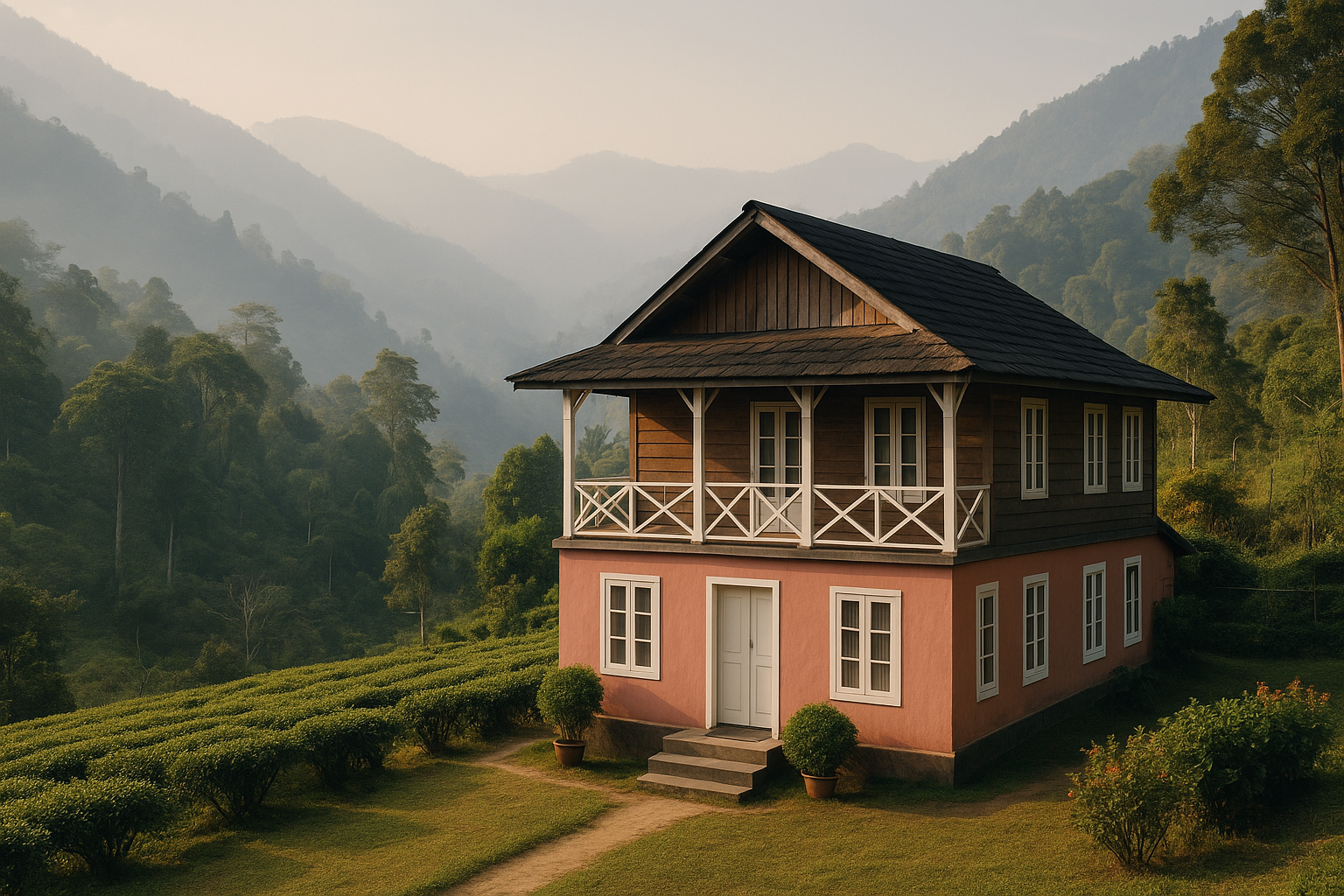
#Not saying every property is perfect, obviously, but some areas stood out. Meghalaya, especially around Shillong outskirts, Mawphlang side, and some village stays near Dawki and Cherrapunji, had families who took cleanliness very seriously. Sikkim too, particularly in and around Gangtok, Ravangla, and Pelling, I found many homestays clean, organized, and surprisingly warm in service. Majuli had basic setups but some of the neatest courtyards and freshest food I’ve had. In Assam tea garden regions, a few family-run stays were so polished it almost felt like staying with relatives who are extremely sorted.
One thing I loved in many homes across the region was the habit of removing shoes, keeping dining spaces tidy, and serving food fresh instead of reheated nonsense. Smoked pork in Nagaland, thukpa and churpi-based dishes in Sikkim, Khasi-style meals in Meghalaya, simple Assamese thali with tenga and bhaji... all of it tastes better when the place feels clean and cared for. And trust me, you can tell.
Red flags I never ignore anymore
#This section is from pure trial-and-error, and maybe a little suffering. If a host avoids sending recent photos, says “same as online only” again and again, gives vague answers about bathroom water, has multiple reviews mentioning smell or dirty blankets, or insists on full advance without basic clarity, I move on. Also if the approach road is too isolated and there’s no clear signboard or landmark, I ask more questions. Hidden locations are cute until you’re dragging a backpack in rain and network dies.
- No clear check-in instructions
- Too many decorative photos, too few practical ones
- Review pattern suddenly drops in last 3 months
- Host gets defensive when you ask simple hygiene questions
- Kitchen or dining area never shown anywhere
Another thing, if a property says “eco stay” or “rustic experience,” don’t assume that means compromised hygiene is acceptable. Eco-friendly can still be very clean. Rustic can still be very clean. I actually like simpler stays, but not dirty ones. There’s a difference, yaar.
My practical booking formula now, after enough small disasters
#So this is basically what I do now almost every time. First, shortlist 4 or 5 homestays from maps, booking platforms, Instagram pages, and local recommendations. Then I check recent reviews, compare guest photos, and throw out any place with repeated complaints about smell, washrooms, or unwashed bedding. After that I WhatsApp the top two or three and ask for current room and bathroom photos, food options, water setup, parking if needed, heater details in winter, and distance from main road.
Then I choose the one that feels transparent, not the one with the fanciest balcony. Funny thing is, the most honest hosts are usually the best. They’ll say things like, “Room is small but clean,” or “Hot water only from 6 to 9 am,” or “Road is steep, come before dark.” That honesty saves trips. The over-selling ones... hmm, not always but often disappointing.
Final thoughts before you book anything
#Choosing a clean homestay in Northeast India is really about paying attention. Not overthinking, just noticing the right things. Read beyond ratings. Ask direct questions. Respect local conditions but don’t lower your hygiene standards too much. Understand the season. Match your expectations to the location. And when you find a genuinely clean, kind, well-run homestay, appreciate it properly because these family-run places are doing a lot with limited resources, difficult weather, and unpredictable tourist behavior.
For me, the best stays in the Northeast were not always luxurious, not even close. But they felt safe, fresh, warm, and human. The blanket smelled sun-dried, the bathroom didn’t scare me, dinner was hot, and someone actually cared whether I had reached okay. That stuff stays with you more than fancy wallpaper ever will. If you’re planning your trip soon, hope this helps a bit... and yeah, for more grounded travel reads like this, casual ones not too robotic, you can also check out AllBlogs.in.