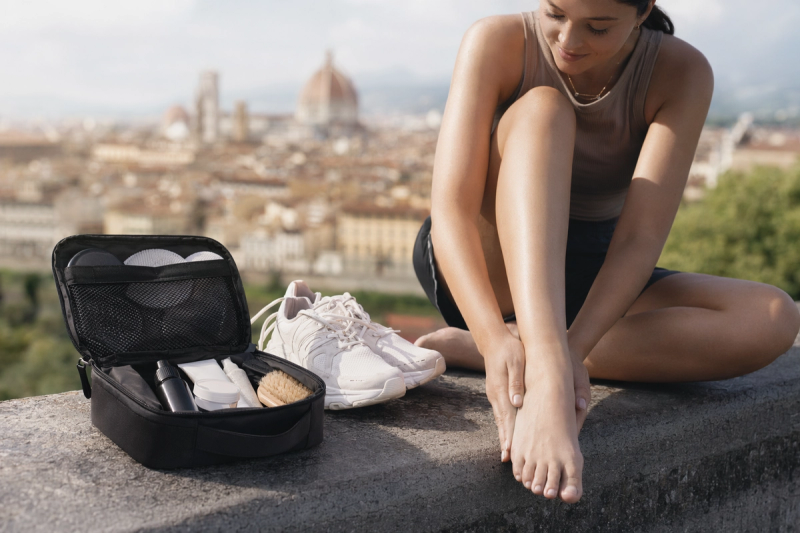
The quiet reason city trips get hard: your feet do most of the work
#City travel looks easy on paper. A museum in the morning, a market after lunch, maybe a long wander through old streets because “it’s only 18 minutes away.” Then suddenly your phone says you walked 24,000 steps and your shoes feel like they’re personally angry at you. This is where a small city walking foot care kit can be the difference between enjoying the next day and limping through it with that forced vacation smile.
Foot care is not glamorous, and honestly that’s probably why people forget it. They pack outfits, chargers, skincare, a nice day bag, and then toss in shoes they haven’t worn much. But feet take repeated pressure, friction, heat, sweat, swelling, and hard pavement all day. A traveler’s foot kit is not about being dramatic or over-prepared. It’s basic comfort planning, like carrying water or sunscreen. And for some people, especially those with diabetes, circulation problems, nerve changes, immune concerns, or a history of foot ulcers, foot care can be more than comfort. It can be a safety issue. General tips may help, but personal medical guidance matters a lot in those cases.
What belongs in a city walking foot care kit
#A good kit should be small enough that you’ll actually carry it. That part matters. The perfect kit sitting in your hotel room is basically decoration. Think flat, light, and useful, not a mini pharmacy. You want items that help with friction, moisture, minor skin irritation, nail snags, swelling, and the very ordinary messiness of walking all day in a city.
- Blister bandages, ideally hydrocolloid ones, in a few sizes. These can cushion and protect a hot spot or blister from more rubbing.
- A small roll or strips of moleskin or athletic tape for areas that always rub, like the heel, side of the big toe, or under sandal straps.
- A tiny pair of nail clippers and an emery board. A jagged nail can tear a sock or dig into a neighboring toe over hours of walking.
- A few alcohol-free cleansing wipes or simple wound-cleaning wipes. Soap and clean water are still the classic first step when available, but wipes are useful when you’re out.
- Travel-size foot balm or anti-friction stick. Use it before the rubbing starts, not after your skin is already annoyed.
- A small amount of foot powder, if you tolerate it well, especially for sweaty feet. Avoid dumping powder into damp shoes like you’re seasoning fries, because clumps can rub too.
- One spare pair of socks in your day bag. This sounds boring until it saves your afternoon.
- A couple of adhesive bandages, sterile gauze pads, and medical tape for minor skin protection. If a wound is deep, dirty, worsening, or painful, don’t DIY your way through it.
Start before the trip, not when your heel is already yelling
#The best foot care kit starts before anything goes in a pouch. Shoes need a trial walk. Not a quick stroll to the mailbox, but a real test on pavement, stairs, and maybe a little heat. If a shoe rubs after 20 minutes at home, it may become a tiny villain after four hours in Rome, Tokyo, New York, or wherever you’re going. New shoes are a common travel trap. They look clean in photos, sure, but city walking punishes stiff materials and narrow toe boxes.
Look for shoes with enough room at the toes, stable support, and soles that suit hard surfaces. This doesn’t mean everyone needs chunky orthopedic-looking shoes. It means your foot should not be squeezed, sliding, or fighting the shoe all day. The American Podiatric Medical Association commonly advises choosing shoes that fit the activity and provide support, and that simple idea is still underrated. If you use orthotics or special insoles, test them with the exact socks you’ll wear. Socks change fit more than people think.
Toenails deserve a pre-trip check too. Trim them straight across and not too short, since cutting into the corners can encourage ingrown nails for some people. If you already have nail pain, redness, drainage, thick nails, or recurring ingrown nails, it’s sensible to speak with a podiatrist or qualified clinician before traveling. Don’t wait until you’re far from your regular care and trying to translate “my toe is angry” at a pharmacy counter.
Blisters: the tiny trip-ruiners
#Blisters are usually caused by friction, often with moisture and heat joining the party. Skin layers separate, fluid collects, and then every step reminds you that anatomy is rude sometimes. The American Academy of Dermatology has long emphasized prevention basics like reducing friction, keeping feet dry, and protecting irritated areas early. That advice may sound plain, but plain works better than magical claims.
The key is catching a “hot spot” before it becomes a full blister. A hot spot feels warm, tender, or slightly burning in one exact place. Stop if you can. Dry the area. Add moleskin, tape, or a blister bandage so the shoe rubs the protection, not your skin. This is where travelers often go wrong. They think, “I’ll deal with it later.” Later is when you’re sitting on a curb peeling off your sock like it’s a crime scene.
If a blister forms, it is commonly recommended not to pop it if the skin is intact, because the blister roof can help protect the raw skin underneath. If it opens on its own, gently clean it with soap and water when possible, cover it with a sterile dressing, and keep an eye on it. Seek medical care if you notice spreading redness, warmth, swelling, pus, red streaks, fever, increasing pain, or if you have diabetes, poor circulation, reduced sensation, or are immunocompromised. Those details matter. A small foot wound can be a bigger deal for some bodies.
Friction control: balm, powder, tape, socks, and the unsexy stuff that works
#Friction prevention is not one product. It’s a little system. Balm helps reduce rubbing. Powder may help manage moisture for some people. Socks create a protective layer. Tape or moleskin shields specific zones. Shoes should not create the problem in the first place, but, well, travel is travel and sometimes the “comfortable” shoes betray you after lunch.
If your feet sweat a lot, moisture-wicking socks can be more useful than thick cotton socks, because damp cotton can stay wet and increase rubbing. Some walkers like double-layer socks because the layers rub each other instead of the skin. Others hate them. There’s no single perfect sock. Try options before the trip, especially if you’re prone to blisters. And if you’re using anti-friction balm, apply a thin layer where rubbing happens: heels, toes, sides of feet, maybe under straps. Too much balm can make feet slide around, which creates a different problem.
The same friction logic applies beyond feet. Long city days can also mean thigh chafing, waistband rubbing, or underarm irritation, especially in heat. If that’s part of your travel reality, the guide Anti-Chafing Shorts vs Balm vs Powder: What Should You Buy? fits right alongside foot balm and sock planning. It’s all the same basic issue: skin plus repeated movement plus moisture equals trouble if you ignore it.
Moisture, heat, and why changing socks is not “extra”
#A spare pair of socks is one of the most underrated things in a day bag. Wet socks from sweat, rain, puddles, or that one public fountain moment can soften skin and increase friction. Changing socks midday may feel fussy, but it can support comfort and reduce irritation. It also gives you a chance to check your feet before a minor issue turns into a painful one.
Foot odor and fungal issues are also more likely in warm, damp environments. This doesn’t mean every sweaty walk causes athlete’s foot. Not at all. But fungi tend to like moist spaces, and travelers often wear the same shoes for long hours. Let shoes air out overnight if you can. Remove insoles if they’re damp. Rotate shoes if you packed two pairs. Wear flip-flops or shower sandals in shared showers, pools, or hostel bathrooms, since public wet areas can expose feet to fungi and viruses like those linked with plantar warts. Again, no panic needed, just sensible barriers.
The day bag connection: your feet feel what your shoulders carry
#Foot pain is not always just about feet. A heavy, awkward bag can change posture, shorten stride, load one side of the body, and make a long walking day feel harder everywhere. If you carry a camera, water bottle, extra layer, souvenirs, snacks, and a “just in case” pile, your calves and feet may notice even if your brain doesn’t connect the dots.
Try to keep the foot kit small and the bag balanced. Put heavier items close to your body. Switch sides if using a sling or crossbody. If your sightseeing bag is digging into one shoulder by noon, your walking mechanics may get sloppy by afternoon. For a deeper look at that tradeoff, Best Day Bag for Sightseeing: Backpack vs Sling is worth reading before you pack. Comfort is a whole-body thing, annoying as that sounds when you just want the cute bag.
Hydration and swelling: not everything is solved by more bandages
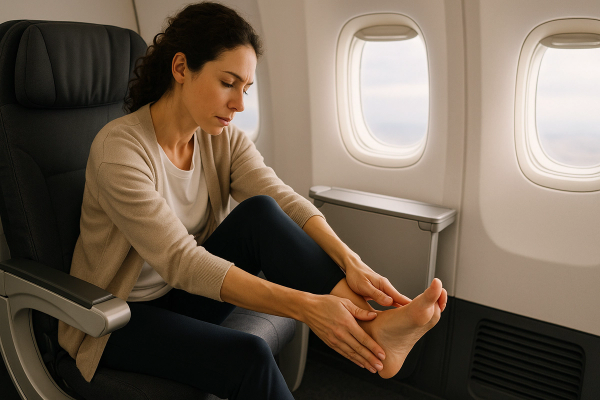
#Feet and ankles can swell during travel for many reasons: long flights or train rides, heat, salty meals, alcohol, standing in lines, hormonal changes, certain medications, and just plain lots of walking. Mild swelling after a long day can happen, but severe, one-sided, painful, red, or sudden swelling needs medical attention. Also seek urgent care for swelling with chest pain, shortness of breath, fainting, or coughing blood, because those can be warning signs of serious conditions.
For ordinary long walking days, breaks may help. Sit down for a few minutes. Loosen tight laces if feet swell. Elevate feet at the hotel. Gentle calf movement can support circulation during long sitting periods. Some travelers use compression socks, especially for flights, but they’re not right for everyone. People with circulation problems, certain vascular conditions, or skin issues should ask a healthcare professional before using stronger compression.
Hydration is part of the picture, though it’s not a magic cure for tired feet. Water, electrolytes, caffeine, alcohol, sweat, and heat all interact in real life. If you’re walking in summer or in a city with lots of stairs and sun, plan fluids instead of waiting until you feel wiped out. The post Travel Day Hydration Mistakes: Water, Coffee, Electrolytes pairs well with foot-care planning because fatigue, cramps, headaches, and heat stress can sneak up during sightseeing.
A simple morning-to-night foot routine for city travelers
#You don’t need a complicated ritual. In fact, complicated routines fall apart when you’re tired, hungry, and trying to find the right metro platform. A small repeatable routine is better.
- Morning: check your feet quickly before socks go on. Look for redness, rubbing, tender spots, nail edges, or skin cracks. If you know one spot always rubs, protect it before leaving.
- Before walking: apply anti-friction balm or tape where needed. Make sure socks are smooth, not bunched. Tie shoes snugly but not so tight that toes feel squeezed.
- Midday: if something feels hot or tender, stop early. Change socks if damp. Add a blister bandage or moleskin before the skin breaks.
- Evening: wash and dry feet, including between toes. Let shoes air out. Check for blisters, cuts, swelling, or areas that look unusual.
- Before bed: elevate feet for a bit if they feel tired or puffy. Gentle stretching may feel good for some people, but don’t force painful movements.
That’s it. Not fancy. But small checks can prevent the very common travel pattern where someone ignores a hot spot on day one, then spends day three avoiding every staircase and pretending the taxi was “for the experience.”
Special caution for diabetes, circulation issues, nerve changes, and immune concerns
#This part deserves extra care. If you have diabetes, peripheral neuropathy, reduced sensation, peripheral artery disease, immune suppression, a history of foot ulcers, or slow-healing wounds, travel foot care should be more proactive and more individualized. Reduced sensation can mean a blister or cut is not painful even when it is serious. Poor circulation can slow healing. Infection risks may be higher for some people.
A pre-travel check with a clinician or podiatrist may be wise, especially if you’ll walk more than usual or be away from your regular care. Ask what supplies you should carry, what warning signs matter for you, and where to seek care if something happens. Avoid self-treating corns, calluses, or wounds with sharp tools or strong chemical pads unless a clinician has said it’s appropriate for your situation. Over-the-counter products can still cause harm if they’re not right for the person using them.
Also, don’t assume “minor” means safe. A small cut that is worsening, draining, warm, spreading, or not healing deserves professional advice. If there is fever, rapidly spreading redness, severe pain, blackened skin, numbness, or a wound after stepping on something sharp or dirty, seek care promptly. Travel plans can be adjusted. Feet are harder to replace, obviously.
What not to pack, or at least not to rely on blindly
#A city walking kit should not become a license to push through pain. Pain is information. Sometimes it’s harmless soreness from doing more than usual. Sometimes it’s a sign your footwear is wrong, your skin is breaking down, or an injury is developing. Be careful with numbing sprays or products that make it easier to ignore pain. Masking discomfort can lead to more walking on an irritated area.
Avoid packing lots of “just in case” treatments you don’t understand. Strong corn removers, medicated creams, antifungal products, antibiotic ointments, pain relievers, and anti-inflammatory medicines can all have appropriate uses, but they also have cautions. Some interact with medications or are not suitable for certain health conditions. If you regularly use a medication, bring it in its original packaging and follow guidance from your own healthcare professional. If you’re unsure about a product, ask a pharmacist or clinician rather than guessing.
Also skip flimsy emergency shoes for long walking. Those foldable flats or thin sandals may be fine for a quick hotel hallway trip, but they often lack support and protection for cobblestones, subway grates, uneven sidewalks, and rainy streets. City pavement is not kind. It never has been.
How to handle common foot problems while traveling, carefully
#For tired, achy feet after a normal walking day, rest, shoe removal, gentle stretching, and elevation may help. A warm shower can feel relaxing, while some people prefer cool water after heat. Avoid extreme temperatures, especially if you have reduced sensation or circulation problems. If pain is sharp, localized, worsening, or associated with swelling or inability to bear weight, get medical advice instead of assuming it’s just “travel feet.”
For cracked heels, regular moisturizing may support the skin barrier, but deep cracks that bleed, hurt, or show signs of infection need care. For itchy, peeling skin between toes, athlete’s foot is one possibility, but not the only one. A pharmacist or clinician can help identify appropriate options. For bruised toenails, pressure from shoes or downhill walking can be a factor, but repeated bruising, severe pain, or nail separation should be checked. For plantar heel pain, many people think of plantar fasciitis, but heel pain has several causes, so persistent symptoms deserve a proper evaluation.
The responsible rule is boring but useful: if symptoms are severe, persistent, worsening, unusual for you, or affecting your ability to walk safely, seek professional help. Don’t let vacation optimism talk you into ignoring something that clearly needs attention.
A compact packing version if you hate carrying stuff
#If you’re a minimalist traveler, here’s the tiny version. Put two hydrocolloid blister bandages, two strips of moleskin or tape, one cleansing wipe, one small bandage, a folded pair of thin socks, and a mini anti-friction balm into a zip pouch. Add nail clippers only if your trip is longer or your nails tend to snag. That’s not much bigger than a phone charger. It can live in a day bag without becoming a burden.
If you’re traveling with kids, older adults, or someone who walks slower, foot stops become even more important. A quick bench break is not a failure. It’s pacing. People enjoy cities more when they aren’t silently suffering. Build in pauses around meals, parks, transit rides, or museum visits. The best walking day is not always the highest step count. Sometimes the best day is the one where everyone still has enough energy to enjoy dinner.
Final thought: take your feet seriously, but don’t get weird about it
#A city walking foot care kit is really just a kindness you do for your future self. It doesn’t need to be expensive, medicalized, or complicated. Protect skin before friction turns ugly, keep feet dry when you can, check small problems early, choose shoes that have proven themselves, and ask a qualified healthcare professional when symptoms are severe, persistent, worsening, or risky for your health history.
Travel should have room for wandering, detours, and that one extra neighborhood you didn’t plan to love. Comfortable feet make all of that easier. Pack the little kit, take breaks without guilt, and let your body be part of the itinerary instead of an afterthought. For more practical, not-too-fussy travel wellness ideas, you can always browse AllBlogs.in.