If you’ve ever had a perfectly good summer day ruined by thigh chafing, you already know how quickly “a little rubbing” can turn into a full-body problem.
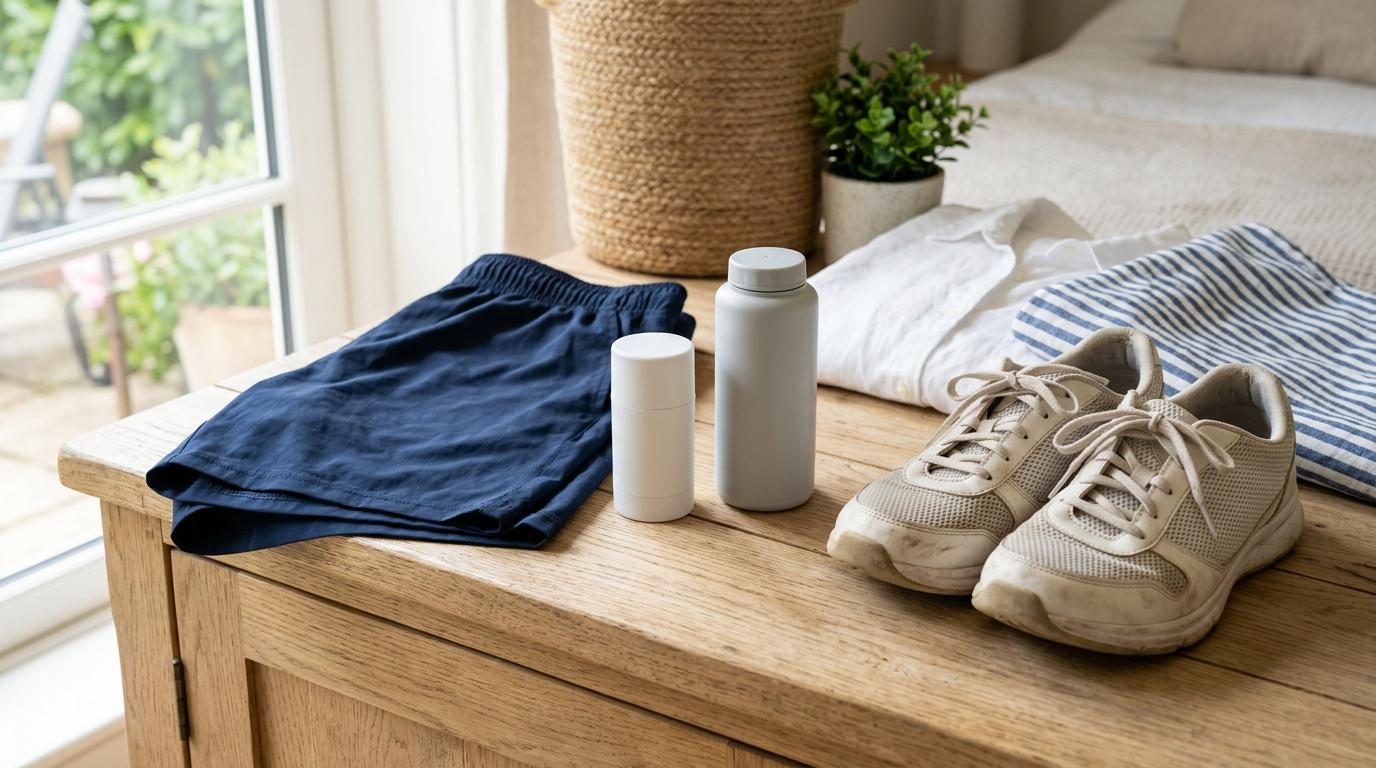
So, if you’re comparing anti-chafing shorts vs balm vs powder, here’s the simple version:
- Choose anti-chafing shorts if you want reliable, all-day thigh protection.
- Choose anti-chafe balm if you want something invisible that works on bare skin.
- Choose chafing powder if sweat, dampness, and stickiness are your main issue.
For long walks, hot commutes, travel days, festivals, outdoor weddings, or anything where you’ll be moving around for hours, anti-chafing shorts are usually the most dependable. Balm is the most versatile. Powder can be great, but it’s better for moisture than serious friction.
Quick Match: What Should You Buy?
#- Inner-thigh rubbing under dresses or skirts: Buy anti-chafing shorts because they stop skin from rubbing against skin.
- Bare thighs in shorts, swimwear, or active outfits: Buy anti-chafe balm or stick because it creates a smooth glide layer.
- Under-bust sweat, groin folds, or damp skin: Buy chafing powder or cream-to-powder because it helps absorb moisture.
- Long commute, travel day, festival, or outdoor work: Buy anti-chafing shorts because they need less fuss and less reapplying.
- Rubbing from seams, waistbands, straps, or bra bands: Buy anti-chafe balm because it is easy to apply exactly where you need it.
Who This Guide Is For
#This is for anyone who has ever gone for a walk in warm weather and thought, “Oh no. Not this again.”
Maybe you’re:
- Commuting in the heat
- Walking all day on holiday
- Going to an outdoor wedding or festival
- Working outside
- Running errands on a humid day
- Wearing dresses, skirts, uniforms, shorts, or fitted summer clothes
Chafing can happen on your inner thighs, under your bust, around your bra line, near your waistband, under your arms, in your groin area, or anywhere skin or fabric rubs repeatedly.
And the annoying thing is, different types of chafing need different fixes. Sometimes the problem is friction. Sometimes it’s sweat. Often, it’s both.
Why Chafing Happens in Hot Weather
#Chafing usually comes down to three things:
- Friction from skin rubbing against skin or fabric
- Moisture from sweat
- Repeated movement from walking, stairs, commuting, dancing, exercising, or just being out all day
That’s why one product won’t work perfectly for everyone.
If your thighs are rubbing together with every step, powder probably won’t be enough. If your biggest issue is dampness in body folds, shorts may not solve everything. And if there’s one tiny spot driving you mad, like a bra band or waistband, balm is often the easiest fix.
So let’s look at the real difference between the three.
Anti-Chafing Shorts vs Balm vs Powder: The Main Difference
#Anti-chafing shorts stop the rubbing
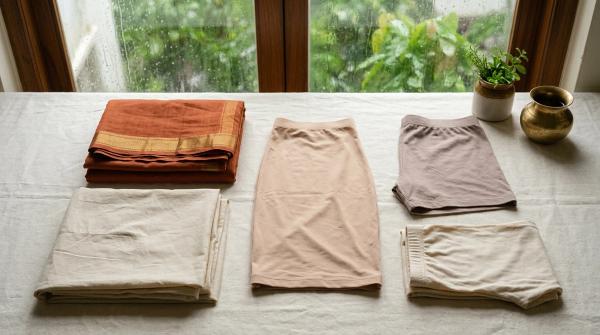
#Anti-chafing shorts create a fabric barrier between your thighs. They’re usually lightweight, fitted shorts worn under dresses, skirts, loose trousers, uniforms, or sometimes longer tops.
They don’t really treat chafing. They prevent it by stopping skin-on-skin contact in the first place.
Anti-chafe balm helps skin glide
#Anti-chafe balm, cream, or stick makes your skin feel smoother so it doesn’t catch and drag as much.
It’s useful when you don’t want to change your outfit or add another layer. You can use it on thighs, underarms, bra lines, waistbands, straps, or other small areas that rub.
Chafing powder keeps things drier
#Chafing powder helps absorb sweat and reduce dampness. It works best when moisture is the bigger problem, not heavy rubbing.
Powder can feel fresh at first, especially in hot weather. But if you sweat a lot or walk for hours, it may need reapplying. It can also clump if it mixes with sweat, which is nobody’s idea of comfort.
1. Anti-Chafing Shorts
#Best for: all-day thigh protection, dresses, skirts, travel, commuting, eventsAvoid if: you hate extra layers, your outfit is very tight, or the shorts will show under your hemline
Anti-chafing shorts, also called thigh chafing shorts or slip shorts, are usually the most reliable choice if inner-thigh rubbing is your main problem.
They work because they physically stop your thighs from rubbing together. Instead of skin dragging against skin, there’s a smooth layer of fabric in between. On a long, hot day, that can make the difference between enjoying yourself and spending the whole time thinking about your legs.
They’re especially useful for:
- Dresses and skirts
- Loose summer trousers
- Long travel days
- Office commutes
- Outdoor events
- Walking-heavy holidays
- Anyone who doesn’t want to keep reapplying products
The downside is obvious: they’re another layer. In very hot or humid weather, that can feel like a lot. Fit matters too. If the shorts roll up, dig in, or stop above the area where your thighs rub, they can become part of the problem instead of the solution.
Look for: a smooth waistband, enough thigh length, lightweight fabric, and a fit that stays in place without squeezing.
2. Anti-Chafe Balm or Stick
#Best for: bare legs, bra-line rubbing, underarms, waistbands, running, active daysAvoid if: your skin is already broken or very sore, or your main problem is heavy sweat
Anti-chafe balm is probably the easiest option to keep in your bag. Most come as a stick, balm, or cream. You apply it directly to the area that rubs.
It works by creating a smooth glide layer. Instead of your skin catching with every step or movement, the surface feels slicker and less irritated.
Balm is great for:
- Inner thighs when wearing shorts
- Bra bands and sports bras
- Waistbands
- Underarms
- Necklines and straps
- Swimwear edges
- Shoes or sandals, if the product is suitable for that
It’s also more discreet than powder. It usually doesn’t leave obvious white marks, which is helpful if you wear dark clothes.
The trade-off is that you may need to reapply it. For a short walk or quick errands, one application may be enough. For a long, sweaty day, probably not. Balm also doesn’t absorb sweat the way powder does, so very damp areas may still feel sticky.
Look for: a texture you like, easy application, and packaging you can carry with you if needed.
3. Chafing Powder and Cream-to-Powder
#Best for: sweat-prone areas, under-bust dampness, groin folds, mild humidityAvoid if: you’ll be walking for hours or sweating heavily
Chafing powder is the moisture-control option. It helps keep skin drier, which can reduce that sticky, draggy feeling that often makes chafing worse.
Powder can be helpful for:
- Under-bust sweat
- Groin folds
- Inner thighs on low-friction days
- Feet or toes, depending on the product
- General dampness in humid weather
Cream-to-powder products sit somewhere in the middle. They apply like a cream, then dry down with a powdery finish. Some people prefer them because loose powder can be messy, especially if you’re applying it away from home.
The limitation is that powder doesn’t provide the same strong glide as balm, and it doesn’t physically separate your thighs like shorts do. If you’re walking for hours in the heat, powder may not be enough on its own.
It can also show on dark clothes, and if you apply it to damp skin, it may clump.
Look for: a comfortable texture, non-messy packaging, and a formula that works well with your clothes and skin.
Clothing Habits That Make a Big Difference
#Sometimes the product isn’t the problem. Sometimes your clothes are working against you.
For hot-weather walking, check the basics:
- Avoid rough seams in high-friction areas
- Choose underwear that doesn’t bunch up
- Make sure shorts or liners are long enough to cover the rubbing area
- Avoid fabric that gets heavy, stiff, or scratchy when sweaty
- Test outfits before travel days, weddings, or long events
- Carry a small backup balm or powder if you know you’ll sweat a lot
This matters most when you’ll be out for hours. An outfit that feels fine for a 15-minute walk can feel completely different after heat, stairs, public transport, queues, dancing, or a full day of sightseeing.
What to Check Before Buying
#Before you buy anti-chafing shorts, balm, or powder, think about how and where you actually chafe.
1. Your main trigger
#Ask yourself what’s really happening.
- Skin rubbing against skin? Start with anti-chafing shorts or balm.
- Sweat and dampness? Try powder or cream-to-powder.
- One small area rubbing, like a bra band? Balm is usually easiest.
- All-day walking in a dress or skirt? Shorts are probably the safest choice.
2. Your outfit
#The product has to work with what you’re wearing.
- Shorts need to stay hidden under your hemline.
- Balm should not stain delicate fabrics.
- Powder may show on dark clothing.
- Cream-to-powder can be easier than loose powder if you’re applying it outside the house.
3. Reapplication
#Anti-chafing shorts are the lowest-maintenance option. You put them on once and get on with your day.
Balms and powders may need reapplying, especially if you’re sweating heavily, walking a lot, or spending the day in humid weather. If you won’t have easy access to a bathroom or private space, that’s worth thinking about.
4. Fit and comfort
#For thigh chafing shorts, fit matters more than anything.
Ask yourself:
- Do they roll up?
- Do they dig into your waist?
- Are they long enough for your thighs?
- Can you sit, walk, and climb stairs comfortably?
- Do they feel too warm for your climate?
A badly fitting pair of shorts can create a whole new rubbing problem, which is incredibly frustrating.
5. Texture and residue
#For balm and powder, texture matters more than people think.
Some people love a dry-touch balm. Others prefer something creamier. Some powders feel fresh and silky, while others feel dusty or messy. The best product is the one you’ll actually use, not necessarily the one with the nicest packaging or the most glowing reviews.
Best For / Avoid If
#Anti-Chafing Shorts
#Best for:
- Dresses and skirts
- Inner-thigh rubbing
- Long commutes
- Travel days
- Outdoor events
- People who don’t want to reapply products
Avoid if:
- You dislike extra layers
- Your outfit is very fitted
- Your hemline is too short
- Shorts usually roll up on you
- You need protection somewhere other than your thighs
Anti-Chafe Balm
#Best for:
- Bare thighs
- Bra-line irritation
- Waistbands
- Underarms
- Active walking or workouts
- People who want discreet protection
Avoid if:
- Your skin is already broken or very sore
- You want sweat absorption
- You dislike the feel of product on your skin
- You don’t want to carry something for reapplication
Chafing Powder
#Best for:
- Dampness and sweat
- Under-bust areas
- Groin folds
- Mild daily humidity
- People who prefer a dry finish
Avoid if:
- You’ll be walking for hours
- You sweat enough for powder to clump
- You wear a lot of dark clothing
- You need strong friction protection
Simple Buying Decision
#Still not sure? Here’s the easiest way to decide.
Buy anti-chafing shorts if:
#You mainly get thigh chafing in dresses, skirts, or loose clothing, and you want the most dependable option for long days.
Buy anti-chafe balm if:
#You want flexible, invisible friction protection that works on different body areas and with different outfits.
Buy chafing powder if:
#Your biggest problem is sweat, dampness, or sticky skin rather than strong rubbing.
Change your clothing habits if:
#Your chafing is made worse by rough seams, wet fabric, tight waistbands, bunching underwear, or poor fit. Products help, but your clothes can either support them or completely undo them.
Common Mistakes to Avoid
#1. Waiting until your skin is already burning
#Anti-chafing products work best before irritation starts. Apply balm or powder before you walk, or put on thigh chafing shorts before you leave the house.
3. Applying powder to sweaty skin
#Powder works best on dry skin. If you apply it straight onto sweat, it can clump, feel gritty, and make the area more uncomfortable.
4. Buying shorts that are too short
#If the shorts don’t cover the area where your thighs rub, they won’t solve the problem. Length matters a lot.
5. Testing something new on a big day
#Don’t try a new balm, powder, or pair of shorts for the first time on a travel day, race day, work shift, or wedding. Test it on a normal walk first, even if it’s just around the block.
Final Verdict
#For most people, the choice is pretty straightforward:
- Choose anti-chafing shorts for reliable all-day thigh protection.
- Choose anti-chafe balm for flexible, invisible friction control.
- Choose chafing powder when sweat and dampness are the main issue.
- Improve your clothing habits if seams, wet fabric, or poor fit keep causing irritation.
If you only buy one thing for long commutes, travel days, or summer events in dresses and skirts, start with anti-chafing shorts. If you wear lots of different outfits and need protection in different places, keep an anti-chafe balm handy. Powder is useful too, but it’s best thought of as moisture control rather than a complete fix for heavy rubbing.