The sneaky thing about travel thirst
#Travel-day hydration sounds so simple that it almost feels silly to talk about. Drink water, don’t overdo coffee, maybe grab an electrolyte packet if it’s hot. Done, right? Except travel has a funny way of messing with normal body cues. You wake up early, rush through security, skip your usual breakfast, sit in dry cabin air, eat salty snacks, avoid drinking because you don’t want the airplane bathroom situation, then arrive with a headache and wonder why your body feels like it got left behind at gate B14.
This is not about turning every trip into a wellness project. Nobody needs another thing to optimize while trying to find a charger and keep track of boarding passes. It’s more about avoiding the common hydration mistakes that can make a travel day feel worse than it needs to. Water matters, yes. Coffee is not automatically the villain. Electrolytes can be helpful, but they’re not magic pixie dust either. The useful answer is usually somewhere in the middle, which is annoying but also kind of relieving.
Quick health note before getting into it: general hydration advice is not a personal medical plan. If you have kidney disease, heart failure, uncontrolled blood pressure, diabetes, a fluid restriction, are pregnant, take diuretics or blood pressure medications, or you’re caring for a child or older adult, it’s worth asking a qualified healthcare professional what’s right for your situation. And if symptoms are severe, unusual, worsening, or persistent, don’t try to “hydrate harder” your way through it. Get medical help.
Mistake 1: Waiting until you feel awful to start drinking
#A lot of people treat hydration like a repair job. They don’t drink much before leaving home, maybe because they’re rushing or because they don’t want to stop for a bathroom break. Then a few hours later they feel foggy, cranky, dry-mouthed, and somehow both tired and wired. At that point, chugging a giant bottle can help a bit, but it may also just send you straight to the restroom without fixing the whole picture.
Thirst is useful, but it’s not always perfectly timed. The National Academies in the U.S. gives broad daily fluid intake estimates of about 3.7 liters for men and 2.7 liters for women from all beverages and foods, but that is not a travel-day target for everyone. Body size, temperature, altitude, sweating, illness, medications, alcohol, caffeine, and food all change the need. The practical takeaway is simpler: begin the day reasonably hydrated instead of trying to catch up after you already feel bad.
A gentle pre-travel rhythm may help. Something like a glass of water when you wake up, another with breakfast if you’re eating, and then small sips as you go. Not dramatic. Not a gallon jug challenge. Just enough that your body isn’t starting the day at a deficit. For many people, urine that is pale yellow can be a rough sign of adequate hydration, though vitamins, medications, and foods can change color too. Clear urine all day is not a gold medal. It can just mean you’re drinking more than you need.
Mistake 2: Avoiding water because bathrooms are inconvenient
#This one is understandable. Airplane bathrooms are cramped. Road-trip stops can be gross. Train toilets can be... well, train toilets. So people sometimes restrict fluids on purpose. The problem is that travel already includes dehydrating-ish conditions: disrupted routines, salty meals, dry air, longer sitting, and sometimes heat or carrying luggage around while sweating through a hoodie you regretted wearing.
The better strategy is usually timing, not total avoidance. Drink normally before you leave, use the bathroom before boarding or starting a long stretch, then sip steadily rather than gulping huge amounts right before you’re stuck in a window seat. On road trips, plan stops into the route instead of treating them like failure. If you’re traveling with kids, older adults, or someone with medical needs, bathroom planning is part of comfort and safety, not a nuisance.
There’s also the blood-flow side of travel. Long periods of sitting can increase the risk of blood clots in some people, especially on long flights or drives. Hydration alone does not prevent clots, and it should not be presented that way. But being so under-hydrated that you feel weak or avoid moving around is not helping. For long trips, organizations like the CDC commonly recommend moving your legs, walking when possible, and asking a clinician about risk if you have a history of clots, recent surgery, pregnancy, cancer, or other risk factors.
Mistake 3: Thinking coffee “doesn’t count”
#Coffee gets blamed for dehydration a lot, and the story is more nuanced than that. Caffeine can have a mild diuretic effect, meaning it may make you pee more, especially if you’re not used to it. But research has generally found that moderate coffee intake still contributes fluid. In plain language: coffee is not the same as drinking nothing. If you’re a regular coffee drinker, your usual cup is probably not destroying your hydration.
That said, travel coffee can still cause problems. Not because it’s evil, but because the context is different. Airport coffee is often bigger and stronger than your normal mug. People drink it on an empty stomach. They stack it with poor sleep, stress, early flights, and maybe a second cup “just to survive.” Then they feel jittery, get reflux, need the bathroom at the worst time, or arrive at night unable to sleep. Hydration is not just fluid math. Comfort matters too.
The U.S. FDA notes that up to 400 mg of caffeine per day is not generally associated with dangerous effects for most healthy adults, while pregnancy guidance is commonly lower, often around 200 mg per day depending on the medical organization. Individual tolerance varies a ton. Some people feel fine after cold brew. Some feel their soul leave their body after half a latte. If caffeine gives you palpitations, anxiety, stomach upset, insomnia, or unusual symptoms, it’s worth cutting back and checking with a clinician if it’s concerning.
A calmer coffee plan for travel days
#Try pairing coffee with water and food, even if the food is small. A banana, yogurt, toast, eggs, nuts, whatever works for your diet and travel setup. If you’re crossing time zones, think about when caffeine will hit your sleep later. A morning coffee before a daytime flight is one thing. A giant iced coffee at 5 p.m. before landing at bedtime is another beast entirely. And if you’re prone to urgent bathroom trips, maybe don’t test a new triple-shot airport special right before boarding. Obvious, but also... people do it.
Mistake 4: Treating electrolytes like a wellness upgrade everyone needs
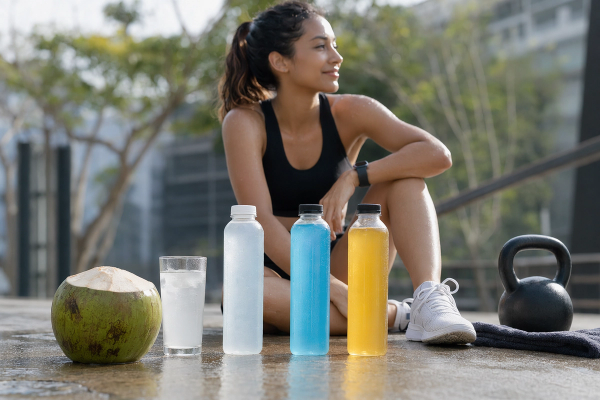
#Electrolytes are minerals that carry an electrical charge in the body. Sodium, potassium, chloride, magnesium, calcium, and others help with fluid balance, nerve signaling, and muscle function. They are important. But “important” does not mean “more is always better.” This is where travel wellness marketing gets a little loud. Packets, tablets, neon drinks, coconut water, hydration multipliers, recovery blends. Some are useful in the right situation. Some are basically expensive salty-sweet drinks for a normal day when water and food would have been enough.
Electrolytes may make sense when you’re sweating a lot, traveling in hot or humid weather, hiking with luggage through a city, dealing with mild fluid losses, or doing a long active day where plain water plus meals isn’t cutting it. They may also be used in specific illness situations, but vomiting and diarrhea deserve more caution. Oral rehydration solutions, the kind based on medical formulas used by groups like the World Health Organization and UNICEF, are designed differently than standard sports drinks. If dehydration is moderate or severe, or if a baby, older adult, pregnant person, or medically fragile person is involved, professional guidance matters.
The flip side: electrolyte products can contain a lot of sodium, sugar, or potassium. That may be inappropriate for some people, especially with kidney disease, heart failure, high blood pressure, or certain medications such as ACE inhibitors, ARBs, potassium-sparing diuretics, or other drugs that affect fluid and mineral balance. If you’ve been told to limit sodium, potassium, or fluids, do not assume a travel electrolyte packet is harmless because the label looks sporty and clean.
If you’re trying to sort out the difference between plain water, coconut water, sports drinks, and homemade options, this guide on Electrolyte Drinks vs Coconut Water vs Sports Drinks is a helpful next read. The short version for travel: use electrolytes for a reason, not just because the airport kiosk has them next to the headphones.
Mistake 5: Drinking tons of plain water while ignoring salt, food, and sweat
#Most travelers do not need to worry about drinking too much water. But it can happen, especially when someone is sweating heavily and replacing only water for a long time, or when they force fluids far beyond thirst. Low sodium in the blood, called hyponatremia, can be serious. It is more often discussed in endurance sports, but the basic lesson applies: hydration is not just “more water, always.” It’s balance.
For ordinary travel, meals usually provide enough sodium and other electrolytes. In fact, travel food is often very salty. Pretzels, chips, fast food, instant noodles, cured meats, airport sandwiches, soup cups, snack mixes. Sodium makes you thirsty and can leave some people feeling puffy or bloated, though bodies respond differently. If you rely on convenience foods during trips, it helps to notice the pattern rather than judge yourself for it. Travel is messy. Sometimes the only option is a vending machine and hope.
Instant noodles and soup cups are a classic travel fallback because they’re warm, cheap, and easy if you have a kettle. They can also be very high in sodium, so pairing them with water and balancing the rest of the day may help with thirst and comfort. If that’s your kind of travel meal, the safety and sodium tips in Instant Noodles While Traveling: Kettle & Safety Tips are worth a look before you make a hotel-room dinner out of boiling water and optimism.
Mistake 6: Forgetting that air travel feels dry, but the bigger issue may be routine disruption
#Airplane cabins often have low humidity, and that dry air can make your mouth, nose, eyes, and skin feel parched. People sometimes assume they’re becoming dramatically dehydrated just from cabin air. The truth is more boring. Cabin dryness can be uncomfortable, but the bigger hydration problem is usually everything around the flight: early wake-up, less fluid intake, coffee without breakfast, salty snacks, alcohol, sitting for hours, and avoiding the bathroom.
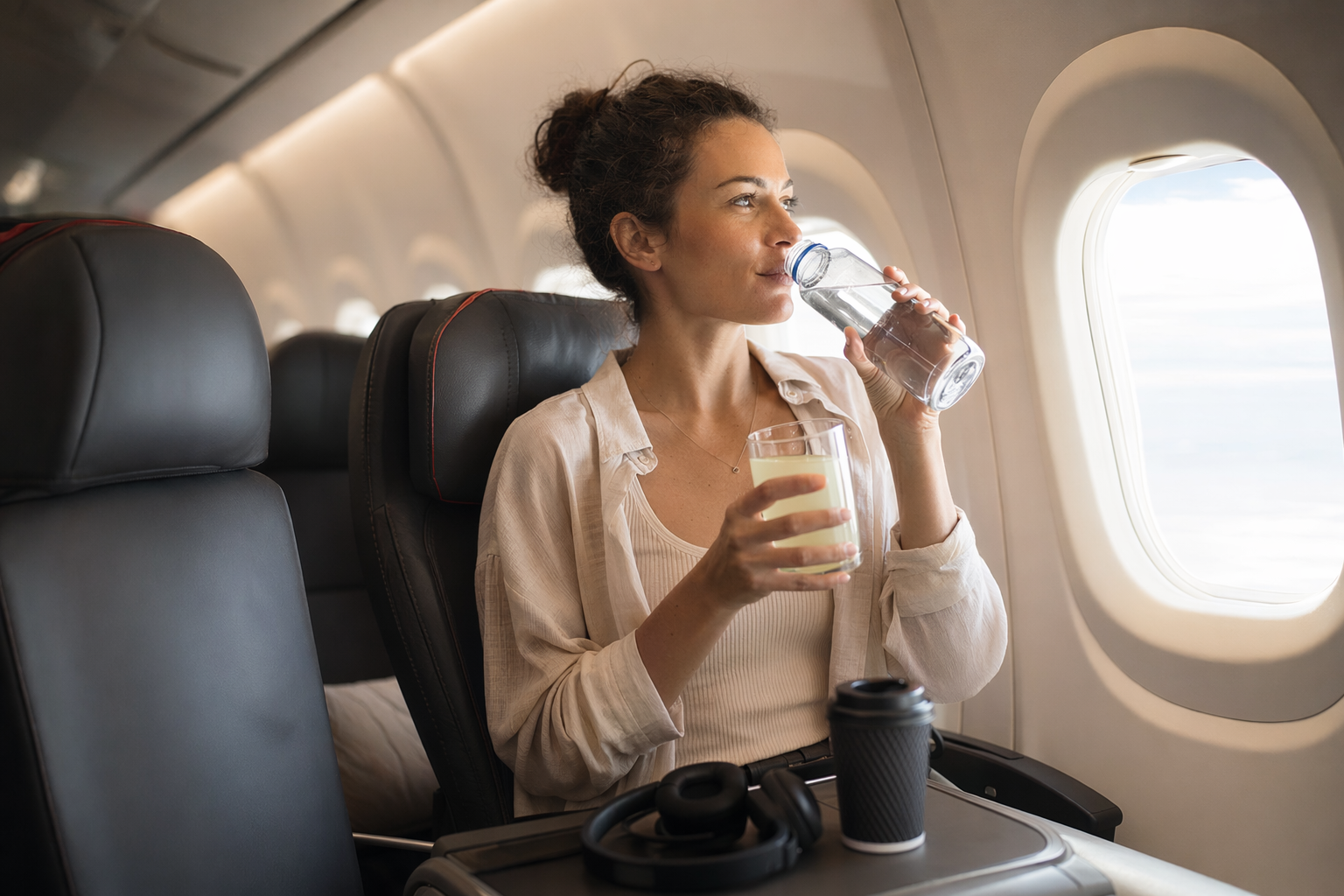
A practical flight setup does not need to be fancy. Bring an empty reusable bottle through security and fill it before boarding if allowed. Sip regularly. Consider lip balm or saline nasal spray if dry air bothers you, especially on longer flights. Go easy on alcohol, since it can increase urine output, worsen sleep quality, and make jet lag feel rougher. If you do drink alcohol, alternating with water and eating something can support comfort, though it doesn’t erase alcohol’s effects.
For overnight flights, hydration and sleep can conflict a bit. Drink too little and you wake up dry and headachy. Drink a lot and you’re climbing over strangers at 2 a.m. There is no perfect answer. A middle-ground approach usually works better: hydrate earlier in the day, sip during the flight, avoid a huge fluid dump right before trying to sleep, and keep caffeine and alcohol modest if sleep is the goal.
Mistake 7: Letting gas-station and airport choices quietly run the show
#Travel hydration is often decided in convenience stores. You stop for fuel and suddenly the options are giant coffee, energy drink, soda, flavored water, sports drink, bottled water, and a wall of salty snacks. None of these are morally good or bad. But they do have different effects on thirst, bathroom timing, blood sugar swings, reflux, and general “ugh why do I feel weird” energy.
If you’re driving, consider building a small combo instead of grabbing random items while tired. Water plus a snack with some protein or fiber can be steadier than only sweet drinks and chips. If you want caffeine, coffee or tea may be easier to pace than a huge energy drink. If you’re sweating, an electrolyte drink might make sense. If you’re mostly sitting in an air-conditioned car, plain water is probably fine for many people. Road-trip choices get easier when you’re not making them while starving under fluorescent lights.
For more practical convenience-stop ideas, Gas Station Food While Traveling: What to Buy, Skip and Save for Later fits nicely here. It’s not about being perfect on the road. It’s about not accidentally creating a snack-and-drink situation that makes the next three hours uncomfortable.
Mistake 8: Using urine color, thirst, or headaches as if they tell the whole story
#People love simple body signals. Dark urine means dehydrated. Headache means drink water. Thirst means too late. These can be useful clues, but they are not complete diagnostic tools. Urine can look darker after vitamins, certain foods, medications, or just because you went a while without peeing. Headaches can come from dehydration, yes, but also from missed meals, caffeine changes, poor sleep, stress, sinus pressure, alcohol, screen time, altitude, and medical issues.
Better to think in patterns. Are you thirsty, peeing less than usual, and your urine is darker? Did you sweat a lot or drink less than normal? Do you feel lightheaded when standing? Those clues together may suggest you need fluids and possibly electrolytes or food. But if a headache is severe, sudden, unusual, associated with weakness, confusion, fever, chest pain, fainting, stiff neck, shortness of breath, or neurological symptoms, that is not a “just hydrate” moment. Seek urgent medical care.
Signs that may go with dehydration include thirst, dry mouth, fatigue, dizziness, less frequent urination, dark urine, and sometimes headache. More serious dehydration can involve confusion, fainting, rapid heartbeat, very low urine output, or inability to keep fluids down. Children and older adults can worsen faster, and they may not communicate symptoms clearly. When in doubt, especially with illness, heat exposure, or ongoing vomiting or diarrhea, it’s safer to get professional advice.
Mistake 9: Ignoring heat, altitude, and the “I’m just walking around” sweat factor
#Travel sweat is sneaky. You may not be doing a workout, but you’re hauling bags, wearing layers, standing in lines, walking through terminals, climbing stairs in train stations, or exploring a sunny city for hours. Hot and humid weather increases fluid needs. Higher altitude may also increase fluid loss through breathing and urination for some people, and it can reduce appetite or make alcohol hit harder. Add jet lag and suddenly your usual cues are scrambled.
In hot conditions, a good plan is to drink earlier and more regularly, take shade breaks, and eat enough. If you’re sweating heavily for hours, electrolytes may help replace sodium lost in sweat. But heat illness is not fixed by a cute water bottle. Symptoms like confusion, fainting, very high body temperature, vomiting, severe weakness, or altered mental status can be emergencies. Heat stroke requires urgent medical care. For milder heat exhaustion symptoms, cooling down, resting, and fluids may help, but worsening or severe symptoms need professional help.
Travelers sometimes forget sun exposure too. Alcohol at the beach, coffee in the morning, salty lunch, then hours walking around in heat. It stacks. There’s no need to panic about it. Just notice the stack. Water, shade, food, and breaks are boring in the best way.
A simple travel-day hydration rhythm
#No one needs a complicated hydration schedule unless a clinician has given one. For many healthy adults, a flexible rhythm works better than strict rules. Think of it as keeping your body in the conversation throughout the day.
- Before leaving: drink a normal glass of water and eat something if you can. If you drink coffee, pair it with water or food rather than making coffee the whole breakfast.
- During the first travel stretch: sip instead of chugging. If bathrooms are limited, slow steady drinking is usually more comfortable than panic-drinking a liter at once.
- At meals: include fluids and notice salt. Salty foods are fine sometimes, but if everything is salty, expect more thirst and maybe some bloating.
- For heat, sweat, or long active days: consider electrolytes, especially sodium-containing options, if plain water and meals are not enough. Check labels if you need to watch sodium, sugar, or potassium.
- Before sleep: taper fluids a bit if nighttime bathroom trips are a problem, but don’t go to bed truly thirsty just to protect sleep. Find the middle.
This is intentionally imperfect. Travel is imperfect. A realistic plan you can actually follow beats a perfect plan that falls apart the second your flight is delayed.
Who needs to be more careful
#Hydration advice changes when health conditions or medications are involved. People with kidney disease, heart failure, liver disease, certain endocrine conditions, or fluid restrictions may need specific instructions. People taking diuretics, lithium, some blood pressure medicines, SGLT2 inhibitors, or medications that affect sodium or potassium should be cautious with big changes in fluid or electrolyte intake. This does not mean travel is unsafe. It means personalized advice matters.
Older adults may have a reduced thirst response and may be more vulnerable to dehydration, especially during heat or illness. Children can dehydrate faster than adults, particularly with vomiting, diarrhea, or fever. Pregnant travelers may need to be more cautious with heat, nausea, caffeine intake, and fluid needs. Again, not scary, just worth planning. If a trip involves remote areas, high heat, altitude, or long gaps without services, checking in with a healthcare professional ahead of time can be a very sensible move.
Hydration is not a contest. It’s a support system. The goal is comfort, safety, and enough fluid balance for the day you’re actually having.
When to stop troubleshooting and get help
#Most travel-day hydration issues are mild and improve with rest, fluids, food, cooling down, or caffeine moderation. But some symptoms deserve more respect. Seek urgent help for confusion, fainting, chest pain, trouble breathing, severe or sudden headache, signs of stroke, severe weakness, persistent vomiting, blood in vomit or stool, inability to keep fluids down, very little urination, or symptoms of heat stroke. If something feels seriously wrong, do not wait to see if an electrolyte drink fixes it.
Also get medical advice for symptoms that keep coming back during travel, such as repeated dizziness, palpitations, swelling, severe headaches, or unusual fatigue. It may be hydration-related, or it may be something else entirely. A qualified clinician can help sort that out far better than a bottle label or a travel forum.
The bottom line, without making it weird
#Travel hydration is mostly about avoiding extremes. Don’t start the day dry and hope coffee carries you. Don’t fear coffee so much that you ignore the fact it can fit into a normal routine. Don’t use electrolytes like a personality trait, but don’t dismiss them when heat, sweat, or illness makes them useful. Don’t force water endlessly just because someone online said clear pee equals health. Your body is more complicated than that, and honestly, kinder than that too.
A good travel-day plan is boring in the best possible way: drink some water before you leave, sip as you go, eat enough, respect caffeine, use electrolytes when there’s a reason, and get medical help when symptoms are severe or strange. That’s it. Not perfect. Just practical. For more careful, real-life wellness and travel health guides, you can keep browsing AllBlogs.in.