The cold case lesson I learned somewhere between New York and a very questionable potato salad
#I love deli salad bars in the way some people love museums. Like, I will absolutely plan a lunch stop around a good cold case with glossy beet salad, marinated mushrooms, chickpeas with too much parsley, maybe a tuna salad that looks homemade but probably came from a giant tub in the back. When I travel, especially in cities where I’m walking 20,000 steps and pretending that counts as a personality, deli counters become my little edible pit stops. They’re quick, local-ish, affordable-ish, and you can build a plate that feels more interesting than another sad airport sandwich. But also... deli salad bars can be sketchy. Not always. Not even usually. But when they go wrong, they go wrong in a very unglamorous way, and nothing ruins a food trip faster than spending the next day studying the tile pattern of a hotel bathroom.
My worst almost-mistake was in Manhattan, years ago, after a red-eye flight and a morning of wandering around the Lower East Side like a half-zombie with a camera. I found one of those glorious deli buffets with hot food on one side, cold salads on the other, plastic containers stacked like little promises. I was hungry enough to eat the sneeze guard. There was this creamy macaroni salad, all pale and innocent, and I remember thinking, “Hmm, that looks like it’s been here since breakfast.” But I took some anyway because I was tired and being dumb. Two bites in, it tasted... warm. Not room temperature warm in a nice picnic way. Warm like it had given up on life. I tossed it. Dramatic? Maybe. But me and my stomach have an agreement now: when mayo tastes like regret, we walk away.
Why travelers get tempted by deli salad bars in the first place
#Deli salad bars are kind of perfect travel food on paper. You can eat vegetables without committing to a full restaurant meal. You can sample local-ish things. In New York it might be whitefish salad, pickled cucumbers, chopped liver if you’re in the old-school spots. In Paris, not exactly “deli salad bar” in the American sense, but you’ll see prepared grated carrot salad, lentils, tabbouleh, little cold proteins in traiteurs. In Japan, department-store food halls, the depachika, are basically treasure caves of chilled salads, bento, pickles, and seafood. In Tel Aviv, the spread of salads can make you emotional, no joke, because suddenly eggplant, tahini, tomato, herbs, cabbage, pickles, all of it is brighter than your mood.
And honestly, the current travel-food mood leans this way. People want fast meals that don’t feel like fast food. They want protein bowls, deli salads, mezze boxes, grab-and-go things from fancy groceries. I get it. I’m one of those annoying people who will spend 18 minutes comparing two lentil salads and then act like I made a brave culinary decision. But the thing with cold prepared foods is that they live or die by time, temperature, and handling. The recipe can be gorgeous, the ingredients can be pristine, the shop can have cute tiles and a handwritten menu... but if that chicken salad has been hanging out too warm, it doesn’t care about your itinerary.
The boring food safety rules that are actually not boring when you’re far from home
#Here’s the bit I wish someone had explained to me before I started treating every deli case like a tasting menu. Cold foods need to stay cold. In the U.S., food safety guidance from agencies like the FDA and USDA commonly uses 40°F as the home-fridge benchmark, while the FDA Food Code uses 41°F or below for cold holding in food service. Hot foods should be held hot, commonly 135°F or above in food service settings. The USDA’s “danger zone” idea, 40°F to 140°F, is the simple traveler version: bacteria can grow faster in that range. The classic rule is don’t leave perishable foods out more than 2 hours, or 1 hour if it’s hotter than 90°F. This is not sexy information. It will not get likes on your vacation photos. But it might save your second day in Barcelona.
What makes deli salad bars tricky is that you can’t always see the numbers. There’s rarely a little sign saying, “Hello hungry traveler, this egg salad has been held at 39°F for 47 minutes.” Would be nice!! Instead you’re reading clues. Is the food sitting in a properly chilled well, or is it just in a bowl on a counter looking cute? Is there condensation in a way that suggests cold holding, or does everything look sweaty and tired? Are staff swapping pans, cleaning spills, replacing utensils, checking temps? I don’t need perfection. I’m not walking around with a thermometer like a salad detective. But after enough trips, you start noticing vibes.
My little deli case checklist, learned the hard way
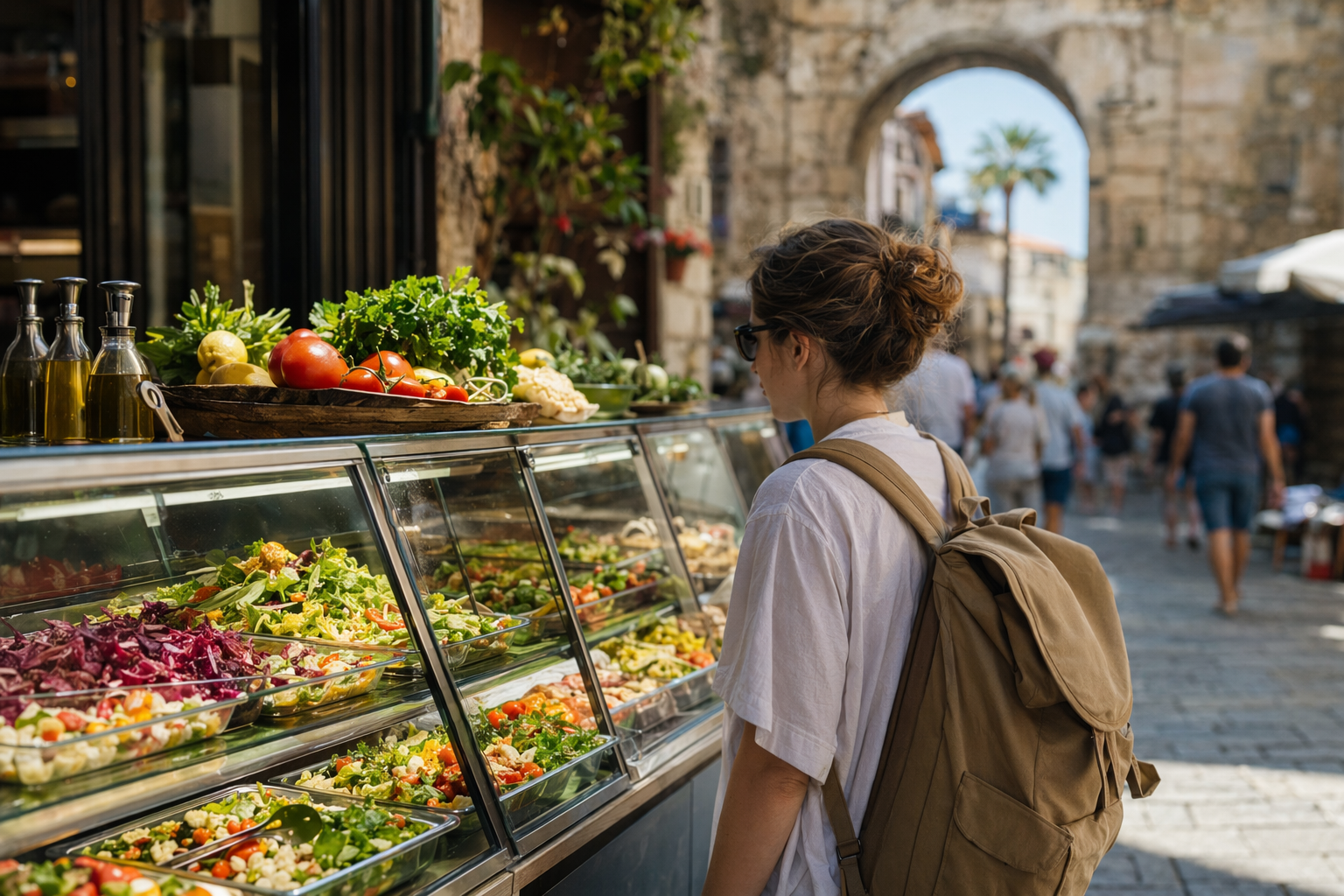
#- I look for real cold holding first. The pans should be nestled into a chilled case or sitting on plenty of ice, not perched on top of ice like a decorative suggestion. If the edges of the salad look dried out or the cheese cubes are sweating, I usually pass.
- I check turnover. A busy deli at lunch, with staff refilling smaller pans often, usually makes me happier than a giant sleepy bowl of pasta salad at 4:30 p.m. Bigger is not always better here. Smaller batches can be a good sign.
- I watch the tongs for a second. Shared tongs are where strangers become part of your meal, which is poetic and also gross. If the same spoon is bouncing between raw-looking seafood salad, coleslaw, and olives, nope. This is also why I’m cautious at hotel buffets, and I wrote more about that kind of thing in Hotel Breakfast Buffet Safety: What to Eat or Skip, because breakfast buffets and deli bars are cousins with the same bad habits.
- I avoid the messy edge zone. You know the corners where dressing has crusted, lettuce bits are stuck to the glass, and one lonely tomato has escaped? That’s not where I want my lunch coming from. Maybe it’s harmless, maybe not. But travel is already full of gambles.
Creamy salads: delicious, nostalgic, and sometimes a tiny food-safety trap
#I have a soft spot for creamy deli salads. Potato salad, egg salad, tuna salad, chicken salad, macaroni salad... they taste like road trips and aunties and paper plates at summer parties. In Budapest I once found this deli counter with a kind of creamy cucumber salad that I still think about. In Chicago, I had an egg salad sandwich from an old deli that was so simple it made me mad, because why was it better than every over-designed sandwich I’d paid $18 for that year? But creamy salads are also where I become picky. Not because mayonnaise is evil. That’s one of those food myths people repeat. Commercial mayo is acidic enough that it isn’t usually the villain by itself. The bigger issue is the cooked potatoes, eggs, chicken, pasta, and all the handling that happens after cooking.
Eggs and cooked poultry don’t forgive sloppy temperature control. Neither does cut melon, cooked rice, seafood salad, or anything mixed by hand and held for hours. If I’m buying a mayo-heavy salad to eat later on a train, I treat it like a perishable little diva. It needs to stay cold, and I need to eat it soon. If you’re doing the whole “buy lunch now, eat it four hours later while sitting by a fountain” thing, please be more careful than younger me was. I’ve got a seperate rant about that in Packed Sandwiches While Traveling: Safety Limits, because the same timing problem shows up with egg salad sandwiches, cheese, and anything creamy you toss in a backpack and forget about.
The places where I’m more adventurous, and the places where I tighten up
#I don’t apply the same level of paranoia everywhere, which maybe sounds inconsistent because it is. Human, right? In a busy Japanese depachika, for example, I feel pretty comfortable buying chilled prepared foods because the turnover is fast, the packaging is neat, and there’s usually a culture of time-labeling and same-day eating. Not a guarantee, obviously, but the systems feel visible. Same with many high-end grocery delis in big cities where staff are constantly rotating stock and the cold cases are properly humming along.
On the other hand, in very hot climates, outdoor markets, beach towns, bus stations, and anywhere with unreliable refrigeration, I become annoyingly cautious. I’ve skipped beautiful seafood salads in coastal places because the ice looked half melted and the sun was hitting the display. Did I feel tragic? Yes. Did I then buy something grilled and sizzling hot instead? Also yes, and it was probably better. In Mexico City, I’ll happily eat street tacos from a busy stand where meat is cooking in front of me and salsas are moving fast. But a creamy seafood salad sitting around in the afternoon heat? Eh. I’m not brave like that.
A quick gut-check table I actually use in my head
#| Food at the deli bar | My travel mood | Why I treat it that way |
|---|---|---|
| Plain whole fruit, sealed yogurt, packaged drinks | Usually relaxed | Less handling, easier to judge, though I still check dates and seals |
| Leafy salads with dressing on the side | Pretty okay if cold and fresh | Leaves are handled a lot, but good cold holding and clean tongs help |
| Cut melon, fruit salad, tomato-mozzarella | Cautious | Cut produce has more surface area and needs proper chilling |
| Egg, tuna, chicken, seafood salads | Very cautious | Protein plus handling plus time can be a bad combo |
| Hot soups or hot cooked foods | More comfortable if steaming hot | Hot holding should be properly hot, not lukewarm |
| Anything lukewarm that should be cold or hot | Hard pass | That middle temperature zone is where I don’t wanna play |
The “busy is better” rule, with one annoying exception
#A busy place is often safer because food turns over quickly. I say often because a chaotic place can also be gross if staff are overwhelmed, utensils disappear, customers reach over each other, kids poke olives with their fingers, and nobody has time to wipe anything. Still, when I’m traveling, I’d rather buy prepared deli salads from a shop with a lunch rush than from a lonely case where the same couscous has been sitting like a museum exhibit. I want movement. I want staff who look slightly bored but competent. I want trays that aren’t filled to the brim at weird hours.
One of the best deli lunches I ever had was in Montreal. It wasn’t fancy, just a neighborhood shop with smoked fish, pickles, beet salad, cabbage salad, and a counter guy who seemed personally offended when I asked for “just a little” of anything. Everything moved fast. People came in, ordered, left, came back because they forgot bread. The salads were in shallow pans, not deep buckets. The place smelled like dill and rye and coffee. I remember eating on a bench with cold fingers and thinking, this is exactly why I travel for food. Nothing Instagram-perfect, just a good lunch in the right place.
The sneaky stuff: shared spoons, sneeze guards, and people being people
#Food safety at salad bars isn’t only about refrigeration. It’s also about humans, and unfortunately humans are chaos with thumbs. I’ve seen a man in an airport lounge use the olive spoon, taste an olive, then put the spoon back. I wish I was making that up. I’ve watched someone drop tongs on the floor, pick them up, and keep going. I’ve seen kids drag sleeves through shredded cheese. Not because people are evil, just because public food setups bring out a kind of sleepy lawlessness.
So I look for sneeze guards that actually cover the food. I like utensils with handles that stay out of the salad, not sinking into the dressing. I like staff who replace serving spoons instead of just wiping them on a towel that has lived a full and difficult life. If a salad bar is self-serve and messy, I may choose items from the back of the pan using clean tongs, or I may skip it entirely and order something made behind the counter. It’s not about being precious. It’s about not letting a stranger’s hand become a secret ingredient.
Airports, train stations, and the cold-case gamble
#Travel hubs are their own weird food universe. Airports especially. Sometimes the refrigerated grab-and-go case is perfectly fine, with sealed salads, clear labels, good lighting, and actual chill. Sometimes it looks like a sad aquarium of wraps. I check whether the case feels cold when I open it, whether items are stacked so tightly that air can’t circulate, and whether the sell-by or prepared-on labels make sense. If I’m boarding a long flight, I also ask myself, “Am I going to eat this right now, or am I about to carry chicken salad through three time zones?” Because those are different choices.
The same thinking applies to sushi, poke, smoked fish plates, shrimp salads, and other refrigerated proteins travelers love because they feel lighter than a burger before a flight. I love them too. But I’m picky about cold holding and timing, especially with seafood. If that’s your kind of airport meal, the advice overlaps a lot with Airport Sushi Safety: Time Limits, Ice Packs and What to Skip. Basically, cold needs to stay cold, and “I’ll eat it later” is where plans get dicey.
What I buy when I want flavor without flirting with disaster
#When I’m hungry and unsure, I go for foods that are either clearly hot or lower-risk cold options. A steaming soup. A hot roasted vegetable dish. Lentil salad that is genuinely cold and looks freshly turned over. Pickles. Whole fruit. Sealed yogurt. Hard cheeses from a proper cold case, if I’m eating soon. Hummus can be lovely, but I still want it cold and clean because it’s handled and scooped. I also adore marinated olives, but only if the spoon situation isn’t disgusting. Olives are not worth catching someone’s weird airport germs. Few things are.
In Greece, one of my happiest cheap lunches was from a little deli-grocery where I bought tomatoes, cucumbers, feta, olives, and bread, and basically assembled a salad on a wall overlooking the water. No mayo, no mystery timing, just ingredients. In Lisbon, I once skipped a creamy cod salad that looked tired and grabbed hot soup and a fresh roll instead, and it felt like the most adult choice I made all week. Then I ruined the maturity by eating two custard tarts immediately after. Balance.
If you’re immunocompromised, pregnant, older, or traveling with little kids
#This is where I stop being cute about it. Some travelers really do need to be stricter. Public health agencies like CDC and FDA consistently warn that people who are pregnant, older adults, young children, and people with weakened immune systems face higher risk from foodborne illness. If that’s you or someone you’re feeding, I’d be extra careful with deli salads, unheated ready-to-eat meats, soft cheeses, seafood salads, cut fruit, and anything from a messy self-serve setup. I know that sounds like it takes the fun out of travel eating, and maybe a little it does. But there are still so many good options: foods cooked hot to order, sealed items from reputable shops, fresh whole fruit you wash or peel, busy restaurants with good turnover, and simple meals that don’t rely on a cold case behaving perfectly.
Also, travel stomachs are already dealing with new water, new spices, jet lag, too much coffee, not enough sleep, and whatever that third glass of wine was on night one. You don’t need to add room-temp egg salad to the list. I say this with love and some personal shame.
My deli salad bar “green flags” and “nope flags”
#- Green flag: staff are actively maintaining the bar. They wipe spills, swap utensils, refill smaller trays, and don’t look confused when you ask when something was put out.
- Green flag: cold foods feel properly chilled, not just cool-ish. The case is clean, covered, and not overstuffed. Labels are clear enough that you know what you’re eating.
- Green flag: the deli is busy at a normal meal time. Locals are buying prepared foods, not just tourists wandering in because it’s next to the hotel.
- Nope flag: creamy salads are sitting in deep bowls with crusty edges, especially late in the day. I can’t unsee that once I see it.
- Nope flag: seafood salad, cut fruit, or dairy-heavy dishes are barely cold. This is when I suddenly become very interested in packaged crackers.
- Nope flag: customers are cross-contaminating everything with the same tongs. Pasta salad spoon in the tuna, tuna spoon in the cucumbers, cucumber spoon on the counter... bye.
A few destination-specific habits I’ve picked up
#In New York, I trust the lunch rush more than the late-afternoon deli buffet. Morning and noon can be great, but by 5 p.m. I’m asking more questions with my eyes. In Japan, I pay attention to time labels and same-day markdowns, and I don’t buy chilled items to wander around for hours unless I can eat them quickly. In Mediterranean markets, I’m more relaxed with pickled and brined things, olives, hard cheeses, bread, hot pastries, and grilled foods, but I still side-eye creamy salads in the heat. In airports everywhere, I assume time is lying to me and buy only what I’ll eat soon.
And in hotels, funny enough, I’m sometimes more cautious than I am at a city deli. Breakfast buffets can be fine, but that bowl of cut melon and the smoked salmon platter at 9:55 a.m. after three tour groups have passed through? Hmm. I’ll take the hot eggs if they’re actually hot, or toast, or yogurt from the fridge. The shared utensil thing is real there too. Same story, different carpet.
How I carry deli food when I really, really want to take it with me
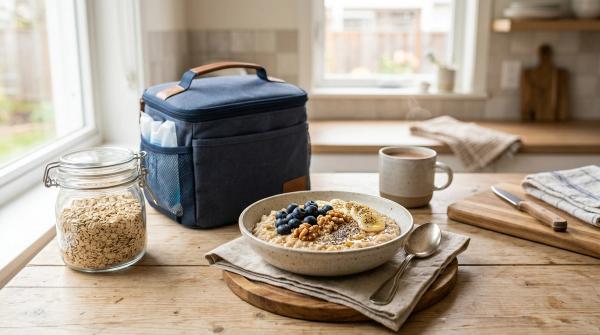
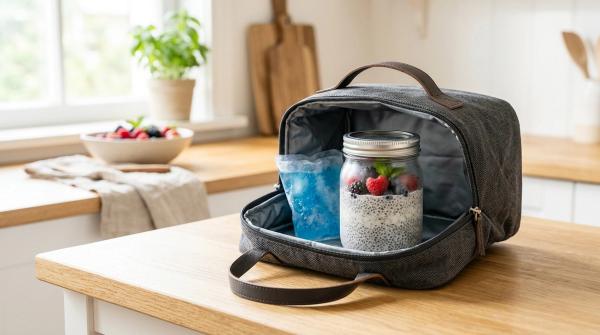
#Sometimes the plan is not “eat immediately.” Sometimes you are buying lunch before a train, or packing food for a road trip, or hoarding that perfect deli salad because the next stop is a small town where dinner might be chips from a gas station. I get it. If I’m carrying perishable deli food, I try to keep it under two hours unrefrigerated, less if it’s hot out. I use an insulated bag if I have one, and a cold pack if I’m being organized, which is not always. I keep it out of direct sun. I don’t put it in the warm top pocket of my backpack next to a camera battery and then act suprised when it’s questionable later.
Also, I label time in my head. Bought at 11:30, eat by 1:30. That sounds fussy but it’s easier than trying to remember after a museum, a train delay, and one accidental nap. If it smells off, tastes off, feels warm, or you’re simply unsure, toss it. Food waste makes me sad, but losing a travel day makes me sadder.
The best rule is still: eat like a curious person, not a reckless one
#A good deli salad bar can be one of the best little windows into how a city eats, but it’s not a dare. You don’t get extra travel points for ignoring your instincts.
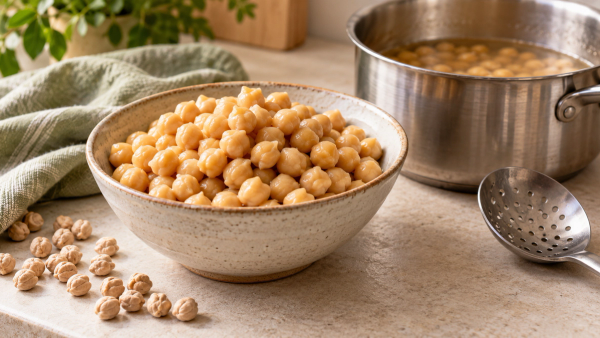
That’s really where I’ve landed after years of chasing meals through markets, delis, train stations, ferries, corner groceries, and one extremely memorable bus stop in Sicily where the arancini were hot enough to burn my fingerprints off. I still eat from deli salad bars. I still love them. I still get excited when I see roasted peppers shining under the glass, or a cabbage salad with dill, or a tray of chickpeas that looks like somebody’s grandmother had opinions. But I choose with my eyes first, then my appetite.
Travel food doesn’t have to be risk-free to be worth it. Honestly, nothing good is totally risk-free, not even crossing the street for gelato. But you can stack the odds in your favor: go busy, go cold-cold or hot-hot, avoid tired creamy things, respect the two-hour rule, and trust that tiny voice saying “maybe not.” That tiny voice has saved me more than once, usually from myself.
So next time you’re standing in front of a deli salad bar in a new city, hungry and slightly overwhelmed, take a breath. Look at the pans, the tongs, the temperature clues, the staff, the crowd. Then build yourself a plate that tastes like travel without turning into a cautionary tale. And if you’re into these kinds of food-on-the-road stories, with a little practical fussing mixed in, I always like browsing AllBlogs.in for more casual travel food ideas and rabbit holes.