
I used to think Uttar Pradesh food meant only two moods: Lucknow kebabs that make you forget your own name, and Banaras chaat that hits your stomach like a small firecracker. Which, okay, both can be true. But after a couple of messy, delicious trips through Lucknow, Varanasi, Prayagraj, Mathura, Agra, and a quick Ayodhya detour, I’ve become slightly obsessed with the other side of UP food — the gentler, gut-friendlier, very travel-survival kind of food. The stuff that lets you keep walking ghats at sunrise, sit in a bumpy e-rickshaw without regret, and still have space for one more kulhad of lassi because obviously.
Food travel in 2026 feels different from when I first started wandering around India with a notebook and too much confidence. People aren’t just asking “what’s famous here?” anymore. They’re asking, “what won’t destroy me before tomorrow’s train?” Wellness travel, temple-town vegetarian trails, millet menus, probiotic drinks, curated food walks, homestay cooking sessions — all of that has gone from niche to normal. And UP, weirdly and wonderfully, fits right into this. It’s ancient, chaotic, sweet-heavy, spice-heavy, but also full of curd, kanji, sattu, khichdi, seasonal greens, light temple food, roasted grains, fresh buttermilk, and simple home-style meals that your stomach actually thanks you for.
First Rule I Learned in UP: Your Gut Has an Itinerary Too
#My first proper UP food lesson happened in Lucknow. I arrived after an overnight train, very heroic in my own mind, and went straight for kebabs before even checking into the hotel. Bad planning. Delicious planning, but bad. By afternoon I was walking around Aminabad feeling like my stomach had filed a complaint. An older shopkeeper saw me buying water for the third time and said, “Beta, pehle dahi lo.” First take curd. He pointed me toward a tiny place serving plain dahi with a little roasted jeera and salt. Nothing fancy. No Instagram angle. Just cold curd in a steel bowl. It basically saved my day.
That became my UP rule after that: balance the iconic food with stomach-smart food. If you’re eating fried kachori in the morning, do chaas at lunch. If you’re having rich nihari or biryani, keep dinner simple. If you’re doing chaat, don’t do five plates just because the vendor smiled at you. I say this as someone who has done exactly that and then sat silently in a hotel room questioning all life choices.
Lucknow: Not Just Kebabs, Also Dahi, Sheermal, Khichda, and Gentle Breakfasts
#Lucknow is tricky because it seduces you immediately. The air around Chowk and Aminabad smells like smoke, ghee, warm bread, frying onions, and old stories. You walk past Tunday Kababi and Rahim’s, and suddenly your “light food day” becomes fiction. I’m not here to tell you to skip kebabs. That would be rude. But if you’re traveling and trying to keep your gut calm, you need strategy. Have the kebab, yes, but maybe not as your first meal after a long bus ride.
One morning I did a better thing. I started with warm milk tea, a small sheermal, and a bowl of curd from a local dairy near Chowk. Sheermal is sweet-ish, saffron-scented flatbread, and while it’s not exactly a probiotic health food, it’s softer and easier than attacking your stomach with fried snacks at 8 am. Later, I tried khichda, that slow-cooked grain-and-meat dish which feels rich but also oddly grounding when made well. Some old-city cooks use wheat, lentils, meat, spices, and hours of patience. It’s not “light” in the spa-menu sense, but it has that slow-cooked digestibility that fast food just doesn’t.
- My Lucknow gut-friendly move: start with curd or lassi, eat the legendary heavy stuff at lunch, and keep dinner stupidly simple — dal, rice, roti, or khichdi if you can find it.
- If you’re doing kebabs, ask for fresh bread and avoid overloading on raw onion if your stomach is sensitive. I love raw onion, but raw onion does not always love me back.
- Carry ajwain or saunf. Not glamorous. Very useful.
Varanasi: Lassi, Baati Chokha, Morning Kachori, and the Art of Not Overdoing Chaat
#Banaras is my weakness. I can pretend to be sensible in other cities, but Varanasi makes me impulsive. There’s something about the lanes near Godowlia, the bells, the cows blocking traffic like they own the land — which honestly they do — and the smell of frying kachori at breakfast. I’ve eaten at places like Ram Bhandar for kachori-sabzi, wandered toward Kashi Chaat Bhandar and Deena Chaat Bhandar, and yes, I’ve stood with a blue-clay cup of lassi feeling like the city had personally blessed my digestive system.
Now let’s be real: Banarasi chaat is not automatically gut-friendly. Tamatar chaat, palak patta chaat, dahi puri, aloo tikki — beautiful, addictive, and often spicy enough to wake up ancestors. But the dahi-based chaats can be kinder if the curd is fresh and the place is busy. That’s my street-food math: high turnover, hot food, fresh curd, clean-looking water situation. Not perfect, but it helps.
My favorite gut-friendly meal in Varanasi wasn’t chaat though. It was baati chokha in a simple courtyard-style restaurant, eaten after walking from Assi Ghat in the late afternoon. Roasted wheat balls, mashed roasted eggplant, tomato, potato, garlic, green chilli, mustard oil. It’s rustic, smoky, fibrous, and filling without being oily if you don’t drown everything in ghee. Though a little ghee is non-negotiable, sorry. The roasted vegetables felt like exactly what my body needed after two days of sweets and tea.
In UP, gut-friendly doesn’t mean boring. Sometimes it means roasted, fermented, curd-topped, slow-cooked, or just eaten at the right time instead of at midnight after three cups of chai.
The 2026 Food Travel Trend I Actually Like: Slow Food Walks, Not Food Marathons
#One thing I’m seeing more in 2026 — and honestly I’m grateful — is the shift from “eat 14 famous items in 3 hours” food walks to slower, more thoughtful culinary walks. In Lucknow and Varanasi especially, local guides are now talking about digestion, seasonality, temple foods, old grains, even water safety. Some tours include fewer stops but better context: why kanji is made in winter, why curd appears with spicy food, why sattvik meals dominate temple towns, why millet rotis are coming back on menus after the whole millet revival took off in India.
I did a small group walk in Varanasi where the guide actually told us not to eat the entire portion at every stop. Bless that man. He said, “Taste like a traveler, not like a wrestler.” That line has stayed with me. We shared plates, drank bottled water, took breaks, and ended with lassi instead of another fried thing. My stomach was peaceful. My soul was also peaceful. Rare combination.
Kanji: The Fermented Drink Travelers Should Know About
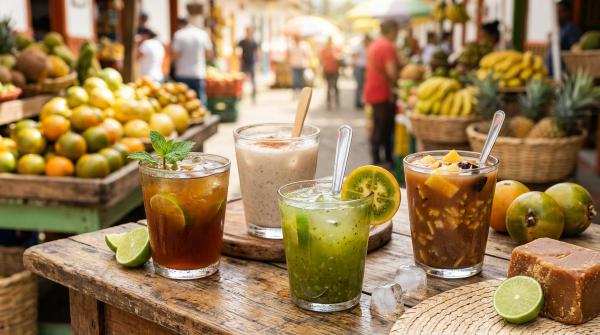
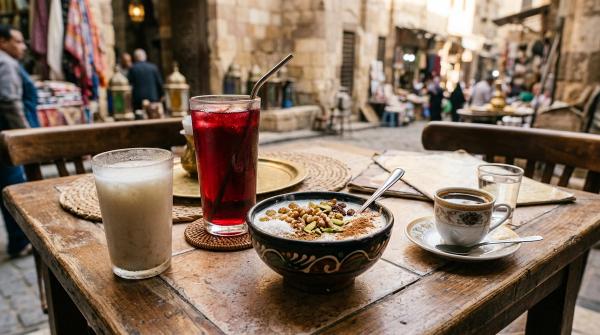
#If you travel in North India during the cooler months, please look for kanji. In UP, especially around winter and early spring, you may find this tangy fermented drink made with black carrots, mustard seeds, salt, and water. Sometimes regular carrots or beetroot are used too. It’s sharp, earthy, sour, and a little funky in a way that makes probiotic people very excited. The first time I had it, I made a face because I expected juice. It is not juice. It’s more like a pickle became a drink and developed a personality.
But once I understood it, I loved it. Kanji is one of those traditional foods that fits perfectly into the modern gut-health conversation without needing a rebrand, though of course people are rebranding it now. I’ve seen cafes and homestays serving kanji in cute glasses, calling it “heritage probiotic beverage,” which made me laugh but also, fair enough. Just make sure it’s from a trusted place. Fermentation is wonderful when done cleanly, and not so wonderful when done carelessly.
Mathura and Vrindavan: Sattvik Food, Fresh Curd, and Sweet Temptation Everywhere
#Mathura-Vrindavan is a different rhythm. The food there leans devotional, dairy-rich, vegetarian, and sweet. You can’t walk ten steps without seeing peda, rabri, lassi, malai, or some form of milk being turned into happiness. Brijwasi Mithai is famous for a reason, and yes the peda is lovely. But if you eat sweets all day in temple towns, your stomach will eventually ask for legal representation.
What worked for me in Vrindavan was simple thali food: dal, rice, roti, sabzi, curd. Many ashram-style bhojanalayas and sattvik restaurants serve no onion-garlic meals, which can be gentler for some travelers. Not always low-spice, but usually less greasy than street snacks. After a hot day walking between Banke Bihari lanes and the Yamuna side, a bowl of plain curd rice-ish comfort — okay, not South Indian curd rice exactly, but rice mixed with dahi and salt — felt like medicine.
Also, chaas. I’m convinced chaas is one of the most underrated travel drinks in India. Buttermilk with roasted cumin, black salt, mint sometimes. It cools you down, helps after heavy food, and gives you something savory when you’re tired of sweet lassi. In 2026, with everyone talking about functional beverages and gut-supporting drinks, chaas is sitting there like, “I was here the whole time.”
Prayagraj: Breakfast, Netram, and the Comfort of Old-School Food
#Prayagraj surprised me. I went mostly for the Sangam and old neighborhoods, but I ended up remembering breakfasts. Netram Mulchand & Sons is one of those classic names people mention for kachori-sabzi and sweets. I went early, because early is when fried food is at least fresh and not sitting around looking tired. The kachori was crisp, the sabzi was spicy, and I immediately balanced it with curd later because I am learning. Slowly.
The gentler side of Prayagraj food showed up in home-style meals. A friend’s aunt served me arhar dal with rice, lauki sabzi, homemade achar, and dahi. Nothing on that plate was trying to be famous. And still it was one of the best meals of the trip. Bottle gourd gets mocked a lot, poor thing, but when you’re traveling through North India in heat, lauki is your friend. So are tori, pumpkin, spinach, and simple moong dal. These foods don’t scream “culinary destination,” but they let you keep traveling.
Agra Beyond Petha: Bedai, Dal, and What to Eat Before Seeing the Taj
#Agra gets flattened into Taj Mahal plus petha, which is unfair but also understandable because the Taj does steal the whole sky. Food-wise, though, Agra has plenty going on. Bedai with aloo sabzi is a classic breakfast, and it’s delicious, but again, fried and spicy. I ate it before sunrise once, then walked to the Taj’s east gate feeling powerful for about 40 minutes and then very thirsty. Worth it? Maybe. Would I pair it with chaas next time? Absolutely.
Petha is tricky from a gut-friendly angle. It’s made from ash gourd, which sounds light, but the final sweet is sugar-heavy. I like the plain translucent petha more than the colorful flavored ones, especially from busy old shops where turnover is high. Have one or two pieces, not a box. I know they pack it beautifully for travelers and suddenly you think you’re buying “for family,” but then the train happens and half the box is gone. Been there.
Ayodhya’s Rising Food Scene: Temple Tourism, Clean Thalis, and Traveler-Friendly Meals
#Ayodhya has changed fast as a travel destination, especially with the big temple tourism wave. By 2026, the town feels much more plugged into mainstream food travel than it did a few years ago. You see more organized eateries, cleaner-looking thali places, packaged prasad counters, UPI everywhere, and travelers actively searching for sattvik meals. The food is mostly vegetarian around the main pilgrimage zones, and that can be good news for your gut if you choose wisely.
My best Ayodhya meal was a basic thali: rice, roti, dal, aloo-tamatar sabzi, curd, and a small sweet. The dal was thin, which some people complain about, but I love thin dal while traveling. It hydrates, it settles, it doesn’t sit in your stomach like cement. I walked along the ghats after that meal instead of needing a nap, which is my personal rating system now.
Millets, Sattu, and the New-Old UP Pantry
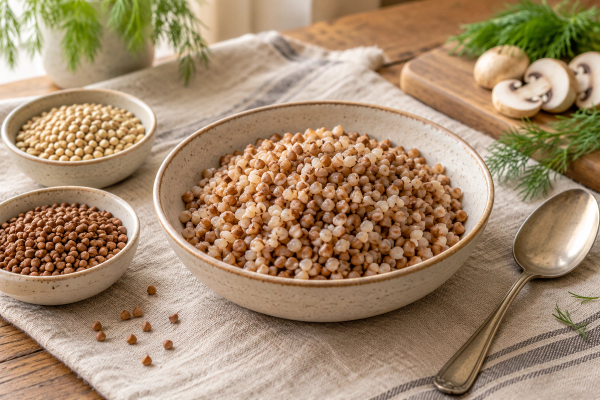
#A trend that keeps popping up in UP menus now is millets and traditional grains. After the big millet push in India, restaurants, homestays, and even some travel experiences have started putting bajra, jowar, ragi, and other grains back into the spotlight. UP has always had rustic grain traditions, but now they’re being presented to travelers as wellness food, heritage food, climate-smart food — all the labels. Sometimes the marketing is a bit much, but the food itself? Usually great.
Sattu is another traveler’s friend, though it’s more strongly associated with eastern UP and Bihar-style food culture. Roasted gram flour mixed with water, lemon, black salt, roasted cumin, maybe onion and green chilli if you can handle it. It’s cooling, protein-rich, filling, and cheap. I had a sattu drink near a bus stand once and it kept me full for hours. Was it served in a glamorous setting? No. Did it do more for me than an overpriced cafe smoothie? Completely.
- Look for bajra or jowar rotis with seasonal sabzi in winter.
- Try sattu drink in hot weather, but ask for clean water or bottled water preparation if possible.
- Moong dal khichdi is your emergency reset meal. Every traveler needs one.
- Dahi, chaas, and lassi are great, but choose busy, reputable places because dairy safety matters.
My Personal UP Gut-Friendly Food List, Based on Real Stomach Drama
#If I had to build a traveler’s survival menu for Uttar Pradesh, I’d make it emotional and practical. Morning: tea, maybe poha if available, curd, fruit you can peel, or fresh kachori only if the shop is busy and your day is not too long. Lunch: thali, dal-rice, seasonal sabzi, curd, maybe baati chokha. Evening: lassi or chaas, light chaat if you trust the place. Dinner: khichdi, dal, roti, or something roasted. This sounds sensible, which is annoying because sensible is rarely exciting, but it works.
I also learned to respect timing. Heavy Lucknow food at noon is joy. Heavy Lucknow food at 11:30 pm before a 6 am train is a punishment you personally created. Chaat in the evening at a famous busy stall is fun. Random watery pani puri from an empty cart in peak heat is not bravery, it’s paperwork for your digestive system. And sweets? Eat them, please eat them, but treat them like souvenirs for your mouth, not lunch.
Street Food Safety Without Becoming a Boring Person
#I don’t like fear-based travel advice. Some people talk about Indian street food like it’s a horror movie, and that annoys me because street food is culture, livelihood, memory, and craft. But also, yes, travelers do get sick. Both things are true. So I follow a few rules that are not perfect but have helped me a lot across UP.
- Eat where locals are lining up, not where food is sitting lonely under a sad bulb.
- Choose hot, freshly cooked items over room-temperature sauces and cut fruit.
- For dahi-based foods, go to places with fast turnover and a reputation. Fresh curd is magic, old curd is chaos.
- Carry ORS, saunf, ajwain, and basic meds. Not romantic, but neither is losing a day of travel.
- Don’t mix everything in one day. Kebab, rabri, tamatar chaat, thandai, and bedai in 12 hours is not a food trail, it’s a dare.
Where I’d Send a Food-Loving Friend in UP
#If a friend asked me for a gut-friendly UP food route, I’d say start in Lucknow for heritage food but pace yourself. Do kebabs, biryani, sheermal, but also hunt for curd, dal, and simple home-style meals. Then go to Varanasi for lassi, baati chokha, seasonal vegetables, and careful chaat. Add Prayagraj if you like old-school breakfasts and quieter food wandering. Go to Mathura-Vrindavan for sattvik thalis, chaas, peda in moderation, and dairy culture. Finish with Agra or Ayodhya depending on your route — Agra for bedai and petha, Ayodhya for vegetarian thalis and the new pilgrimage food energy.
Reservations and timings change, especially with old shops and festival seasons, so I always check locally before going. That’s another 2026 travel habit I appreciate: people are using maps, reels, food apps, and local WhatsApp recommendations all at once, but the best advice still comes from the chai guy, the hotel uncle, the rickshaw driver who knows which shop is actually open, not just famous online.
Final Thoughts: UP Feeds You Loudly, But It Can Also Heal You Quietly
#Uttar Pradesh is not a “light food” destination in the obvious way. It’s ghee, smoke, spice, sugar, frying, celebration. But underneath all that drama is a very old food wisdom: curd with spice, fermented drinks in season, roasted grains, cooling sattu, simple khichdi, thin dal, sattvik temple meals, winter greens, buttermilk after heat, fennel after dinner. You just have to look beyond the famous plates sometimes.
That’s what I love about traveling for food here. UP doesn’t make you choose between indulgence and care. You can have the kebab and the chaas. The kachori and the curd. The chaat and the khichdi later. It’s a negotiation, basically, between your greed and your gut. Mine are still arguing, but they’ve gotten better at sharing the itinerary. If you’re planning a food trip through Uttar Pradesh, go hungry, go curious, and go a little gently. And if you want more food-travel rabbit holes and messy, useful culinary stories, I’d casually point you toward AllBlogs.in.