Arriving wet, hungry, and slightly suspicious of medicated ghee
#The first thing I remember about reaching my Ayurveda retreat in Kerala during monsoon was not the treatment room, or the oil massage, or even the rain curling off the tiled roof like a filmi scene. It was breakfast. A small steel bowl of kanji, still steaming, with a spoonful of something herbal on the side and a banana leaf folded around a tiny pinch of pickle I was told to barely touch. I had landed in Kochi the night before, driven down through roads shiny with rain, past coconut palms doing that lazy sideways dance, and by morning my whole body felt like a damp towel. Hungry, yes. But also confused, because I had come to Kerala dreaming of appam, fish moilee, beef fry, banana chips, and those ridiculous flaky parottas. Instead, my first retreat meal was rice gruel. Plain. Soft. Almost shy. And honestly? I judged it too fast.
A monsoon Ayurveda retreat meal in Kerala is not “spa food” in the Instagram way, with jewel-colored smoothie bowls and edible flowers arranged like someone had too much free time. It’s quieter than that. Warmer. Sometimes annoyingly simple. Sometimes beautiful in a way you don’t understand until the third day, when your stomach stops complaining and you start noticing how much black pepper is in the rasam, how the curry leaves smell different after rain, how a spoon of cooked ash gourd can feel like an actual event. I know that sounds dramatic. But travel does that, no? You go somewhere for scenery and end up having feelings about bottle gourd.
Why monsoon matters so much in Kerala Ayurveda kitchens
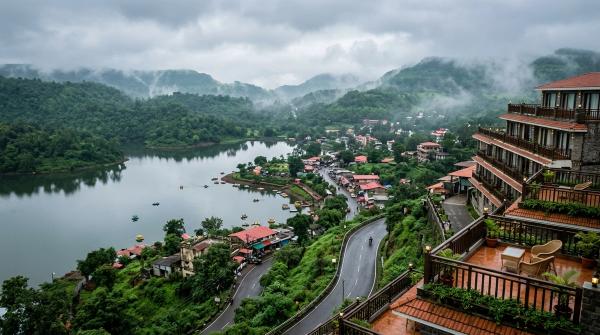
#Kerala’s monsoon is usually spoken about in two moods. One is the travel-poster mood: misty backwaters, wet laterite walls, houseboats under grey skies, green so green it looks edited. The other is the Ayurveda mood, especially around Karkidakam, the Malayalam month that roughly falls in July-August. Kerala Tourism and many traditional practitioners have long described the rainy season as a favored time for Ayurveda therapies, partly because the climate is cooler, the body is thought to be more receptive, and people traditionally slow down. I’m being careful here because Ayurveda is a medical tradition, not a buffet theme, and retreat food is usually tied to your prakriti, digestion, treatment plan, and the doctor’s call. Please don’t copy a retreat diet from a blog and think it fixes everything. Bodies are weird. Mine especially.
In monsoon, the food often leans warm, cooked, mild, and digestion-friendly. That doesn’t mean tasteless. It means the kitchen is trying not to pick a fight with your stomach while the therapists are pouring warm oil on your back and someone is telling you to rest instead of running around Fort Kochi in wet sandals. There’s less raw salad, less chilled fruit juice, less deep-fried snacky stuff, and very often no coffee, no alcohol, no red meat, and no dramatic chilli situations. I missed coffee badly on day two. Like, emotionally missed it. But I also slept better than I had in months, so fine, maybe the aunties knew something.
The first plate: kanji, thoran, and the shock of simplicity
#Kanji is one of those foods that sounds boring until rain is hammering the roof and your insides feel tired from travel. It’s rice gruel, basically, but that description is unfair. At my retreat near the coast, it came thin and warm, sometimes with red rice, sometimes with broken rice, and once with a soft little side of mung dal that had curry leaves and cumin floating in it. The cook, a cheerful man who kept calling me “madam” even after I begged him not to, told me the point was to let the stomach wake up slowly. No fireworks in the morning. Just comfort.
Beside it there might be thoran, a dry vegetable preparation with grated coconut, mustard seeds, curry leaves, turmeric, maybe cabbage or beans or carrot. Some days it was so lightly spiced I wanted to sneak in pickle. Some days it was perfect, the coconut sweet and the vegetables still alive but not raw. I’ve eaten fancy tasting menus where the chef explained foam for six minutes, and yet that little thoran after a rainy oil massage is what I remember clearer. Food memory is not fair.
If you like hot bowls during rainy travel in India, this is also where Kerala retreat food connects with a bigger monsoon habit across the country. Simple, hot, soupy foods just make sense when roads are wet and digestion feels slower. I wrote down a reminder to reread this piece on Indian Monsoon Soup Stops: Rasam, Thukpa, Paya & Hygiene, because the same logic follows you from a retreat dining hall to roadside soup counters: keep it hot, keep it fresh, don’t be heroic with your stomach.
A typical day of retreat meals, at least the way I lived it
#Every retreat is different, and if you’re doing panchakarma or a strict treatment package, your plate can get more controlled than mine was. Some guests at my place had personalized meals and medicated ghee schedules, and they were not exactly skipping around with joy about it. Me, I was on a gentler rejuvenation plan, so my meals were structured but not scary. The dining room was open on one side to the garden, which sounds romantic until one crow starts judging your breakfast. Still, I loved it.
| Time | What often showed up | How it felt in monsoon |
|---|---|---|
| Early morning | Warm herbal water, sometimes cumin or dry ginger notes | Not exciting, but weirdly comforting after rain-heavy sleep |
| Breakfast | Kanji, idiyappam, soft dosa, vegetable stew, papaya or banana depending on advice | Light, warm, and very not hotel-buffet energy |
| Lunch | Red rice, dal or sambar, avial, thoran, rasam, cooked vegetables, buttermilk if allowed | The main meal, usually satisfying but never nap-destroying |
| Evening | Herbal tea, roasted banana, steamed snack, or nothing if treatment required it | This is when I wanted pakoras and had to behave |
| Dinner | Vegetable soup, kichadi, kanji, thin curry, sometimes chapati | Early, simple, and honestly good for sleeping |
The biggest surprise was timing. Dinner was early, often before I was mentally ready for dinner, and lights-out energy settled over the place by 9 pm. This is not the trip where you eat seafood at midnight and then debate politics with a stranger. The kitchen wants you calm. The doctor wants you calm. The rain wants you calm. Everyone is conspiring against your chaos.
About spices: Kerala flavor, but with the volume turned down
#Before going, I assumed Ayurveda retreat food would be bland in a punitive, hospital-canteen sort of way. Wrong, mostly. Kerala has this genius with tempering: mustard seeds popping in coconut oil, curry leaves going crisp in two seconds, cumin, coriander, turmeric, ginger, black pepper, fenugreek used carefully. In retreat meals, the same language is there, but softer. Less chilli. Less sourness. Less oil than a regular home-style feast. Coconut still appears, thank god, but not always in the rich, creamy, “let’s cancel the afternoon” way.
Rasam became my rainy-day anchor. Thin, peppery, sour but not aggressive, with tomato and tamarind depending on the kitchen. One afternoon after a long abhyanga and steam session, I came to lunch feeling like a sleepy otter. The rasam hit my tongue with pepper and cumin and suddenly I was a person again. Not a productive person, don’t get excited. But a person.
There was also avial, that classic Kerala mixed vegetable dish with coconut and yogurt or curd depending on style, but mine was gentler than the wedding-sadya versions I’ve loved. Ash gourd, yam, drumstick, carrot, raw banana, all cooked soft but not mush. At first I wanted more salt. Then I realized my taste buds had been shouting for years. Retreat food makes you notice that. Annoying, but useful.
The monsoon market walk that made the retreat meals make sense
#One morning, when my treatment schedule had a gap, I went to a small local market with one of the kitchen staff. Not a curated culinary tour. Just an umbrella, wet slippers, and the mild panic of crossing a Kerala road in rain. The market smelled like wet coir, coriander, green banana, fish, and that metallic scent of rainwater running off tin sheets. Piles of ash gourd sat like pale moons. There were curry leaves tied in bundles, turmeric roots, elephant foot yam, long beans, bitter gourd, and little bananas freckled brown. Everything looked practical, not decorative.
That’s when I understood the retreat plate better. This food is seasonal because the land is yelling seasonality at you. In monsoon, vegetables that can be cooked well, spices that warm without burning, grains that sit easy, fermented things used carefully, and broths that arrive steaming. Of course a cold smoothie bowl would feel ridiculous here. It would be like wearing stilettos in a paddy field. Possible, maybe, but why are you doing this to yourself?
What you probably won’t get, and why that can hurt a little
#Let’s be honest. If you’re a food traveler, Kerala is dangerous in the best way. Outside the retreat gates are toddy shops with kappa and fish curry, bakeries with puffs, tiny tea shops frying pazham pori, coastal restaurants doing karimeen pollichathu, and homes where someone’s grandmother is making meen curry with kudampuli that could make you rethink your life. And then inside your retreat, someone is handing you bottle gourd soup.
This is the emotional conflict of a Kerala Ayurveda stay. You are in one of India’s greatest eating states, and you may be told to avoid most of the things you came dreaming about. No toddy. No fried fish. No heavy seafood. No beef fry. No parotta. Sometimes no curd at night. Sometimes no banana after certain treatments. Sometimes even the beloved pickle is treated like a dangerous little troublemaker. If you’re planning to eat outside before or after your retreat, especially in the rains, I’d keep this contrast in mind and maybe read Kerala Toddy Shop Meals in Monsoon: What to Eat before you go all-in on spicy fish curry right after a detox plan. I say this as someone who has made bad choices with chilli and travel days.
The hardest part of a Kerala Ayurveda retreat meal plan is not hunger. It’s being surrounded by legendary food and learning that restraint is also a flavor, even if it takes you three grumpy days to admit it.
Grains, heaviness, and the quiet politics of rice
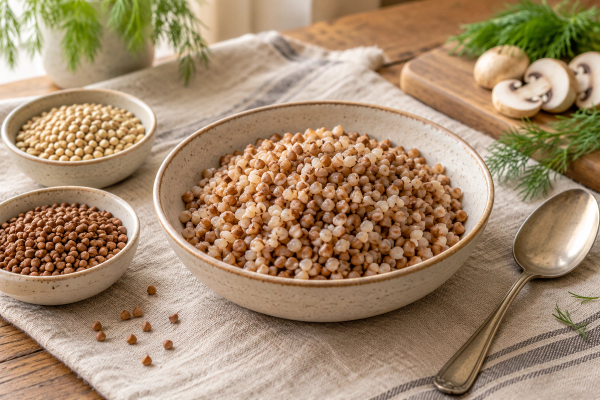
#Kerala retreat meals often use rice in some form: kanji, red rice, idiyappam, dosa, puttu if your plan allows, or soft cooked rice at lunch. Red rice has a nuttier, earthier bite than polished white rice, and it feels very Kerala to me, especially with dal and thoran on a wet afternoon. Some retreats may include millets now and then, but Kerala’s food memory is deeply rice-based, and honestly I liked that they didn’t try to make everything trendy.
That said, if you are coming from other parts of India or you’re extending your monsoon food trip, millets can be lovely when you want something light but filling. Ragi, jowar, bajra, all have their own comfort-food personalities. Just don’t randomly load up before a treatment day because “healthy” does not always mean easy on your particular stomach. For a wider travel-food angle, this guide to Monsoon Millet Cafes in India: Ragi, Jowar, Bajra Guide fits nicely with the whole rainy-season, digestion-first mood.
The drinks: no cocktails, sorry, but some good surprises
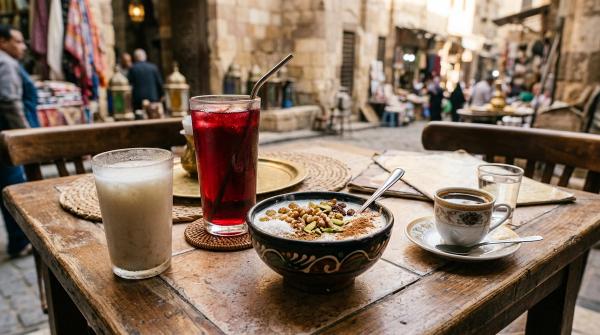
#I am a tea person with coffee-person tendencies, which is a complicated way of saying I want both. At the retreat, coffee was either discouraged or not served, depending on the day and who you asked. Instead there was warm water, herbal infusions, jeera water, dry ginger water, coriander seed water, and a few teas that tasted like the forest floor in a good way. Sometimes in a bad way. One evening I got a decoction so bitter I made a face like a child, and the staff laughed because apparently everyone makes that face.
But the warm drinks started to grow on me. In monsoon, your body is already dealing with dampness, wet clothes, AC in cars, and that sticky feeling where nothing dries properly. Cold drinks began to feel wrong. I didn’t expect that. By day four I was asking for hot water without trying to sound like my grandmother. Travel changes you in tiny embarrassing ways.
Sweet things, cravings, and the banana situation
#Dessert at a retreat is not dessert in the restaurant sense. Don’t expect payasam every night, unless you’re at a more relaxed wellness resort and not on strict therapy. I had small bananas, stewed fruit once, and a warm rice preparation that was barely sweet but somehow satisfying. Jaggery appeared softly, not like a festival sweet. Coconut milk showed up in moderation. The kitchen seemed to treat sugar like a guest who should not be encouraged to stay too long.
My cravings were hilarious and humbling. Day one: coffee. Day two: crispy banana chips. Day three: something fried, anything fried, even a chair leg if battered properly. Day four: I started wanting the kanji. This is where I stopped trusting my own personality. Maybe the routine works because it’s not trying to entertain you every five minutes. It gives your tongue less drama and then, suddenly, a steamed plantain tastes luxurious. I still don’t know if that’s wisdom or Stockholm syndrome.
Where to base yourself if food and travel both matter
#Choosing where to do an Ayurveda retreat in Kerala depends on the trip you want around it. Near Kovalam or Varkala, you get sea air, cliff walks, and easy pre-retreat or post-retreat seafood temptations. Around Kumarakom and the backwaters, meals feel connected to water and paddy fields, with that slow boat-life rhythm, though the humidity can sit on you like a wet blanket. Wayanad is greener, hillier, cooler in parts, and the food may pull in more mountain produce and tribal-region influences depending where you stay. Palakkad side has its own quiet charm, closer to the Tamil Nadu border, with a different food mood again.
I personally like arriving through Kochi, spending a day eating carefully but happily, then going into the retreat. Fort Kochi is easy to love: old streets, spice warehouses, rain-dark walls, bakeries, cafes, fish markets, and that mix of Portuguese, Dutch, Jewish, Arab, and Malayali histories sitting together in the food culture. But don’t do what I did once and eat a heavy dinner the night before treatment starts. The next morning doctor asked what I ate and I tried to say “just normal dinner” with the face of a guilty raccoon. They know. They always know.
Practical meal expectations before you book
#- Ask if meals are personalized after doctor consultation or if it’s a general sattvic-style buffet. Both exist, and they are not the same experience.
- Tell them allergies, medical conditions, medication, pregnancy, eating disorders, and serious food restrictions before you arrive. Don’t spring it on the kitchen after check-in like a plot twist.
- If you’re vegan, gluten-free, or avoiding onion and garlic, Kerala retreat kitchens can often manage, but confirm. Coconut is everywhere, rice is everywhere, and wheat may appear as chapati.
- Don’t assume weight-loss food. Some meals are light, yes, but Ayurveda retreat dining is usually about treatment support and digestion, not beach-body nonsense.
- During monsoon, be extra sensible outside the retreat. Hot cooked food, clean water, and not eating from a stall that looks like it lost a fight with the rain is basic survival.
Also, please don’t be shy about asking what something is. The staff at my retreat loved explaining food, especially when I stopped asking like a journalist and started asking like a hungry person. One cook showed me how they tempered curry leaves without burning them. Another told me not to drink water immediately after lunch, then saw my confused face and explained the retreat’s logic. Whether you follow every bit forever is your call, but listening is part of the travel.
What I’d pack for the food side of a monsoon retreat
#This sounds unrelated, but it isn’t. Pack loose clothes because treatment oil gets everywhere and monsoon laundry is a slow tragedy. Pack sandals that can handle wet floors. Pack any supplements or prescription medicines with notes from your doctor. Pack a small notebook if you’re food-obsessed, because the meal details blur together after a while: was that cumin in the buttermilk, or roasted fenugreek, or am I becoming the kind of person who says “mouthfeel” unironically? Tragic.
I also pack a few patience snacks for travel days only, like plain crackers or nuts, but I don’t bring them into the retreat dining rhythm unless I’ve checked. Sneaking snacks during an Ayurveda program is like paying for a language class and speaking English the whole time. Understandable, but missing the point. Still, if you have blood sugar issues or specific medical needs, obviously speak up. No wellness rule should make you unsafe.
The meal I keep thinking about
#My favorite meal was not the prettiest. It was lunch on a day when the rain had been falling since dawn, steady and serious. I had done a treatment in the morning and walked back to my room under an umbrella that failed at its one job. At lunch there was Kerala red rice, a thin moong dal with cumin, cabbage thoran, ash gourd curry, rasam, and a spoon of pickle I was warned to use carefully. The dining room smelled of wet earth and coconut oil. Someone was coughing softly in the corner. A cat sat just outside the step pretending it had no interest in my plate, liar.
I mixed the rice with dal, added rasam, ate the thoran with my fingers, and for the first time that week I didn’t want anything else. Not fish fry. Not parotta. Not coffee. Okay, maybe coffee a little. But mostly I was there, properly there, tasting each thing without chasing the next thing. That is rare for me. I travel like a greedy person, always planning the next meal while eating the current one. Kerala monsoon slowed that down. Not forever, I’m not magically enlightened. But for one lunch, yes.
So, should a food lover do an Ayurveda retreat in Kerala monsoon?
#Yes, if you’re curious enough to let food be quiet. No, if your only goal is to binge Kerala’s famous dishes with zero restrictions. Maybe, if you can split the trip: a few careful food days before, the retreat in the middle, and a gentle re-entry after. That’s what I’d do next time. I’d land in Kochi, eat lightly, go to the retreat before I get too tempted, follow the meal plan properly, then spend two extra days after slowly returning to the wider Kerala table. Slowly is the key word. Your stomach is not a suitcase you can overpack.
Kerala Ayurveda retreat meals in monsoon are not about culinary fireworks. They’re about warmth, rhythm, restraint, rain, digestion, and the strange pleasure of noticing simple things again. A curry leaf. A bowl of kanji. Pepper in rasam. Coconut grated so fine it disappears. The sound of rain while you eat early dinner like an elderly saint at 6:45 pm. I still love Kerala’s wild, spicy, coastal food with my whole heart, but I’m grateful I met this quieter kitchen too. If you’re planning a rainy-season food trip, go with appetite, but also with some humility. And maybe a sense of humor, because by day three you may find yourself praising boiled vegetables. For more food-travel rabbit holes and India eating stories, I’d casually poke around AllBlogs.in.