
That awkward gap after checkout is honestly a whole travel problem
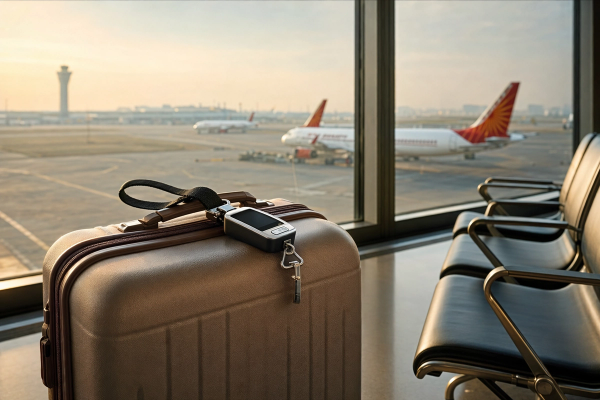
#If you travel even a little bit in India, you’ll know this exact scene. Hotel checkout is at 11 am, your train is at 9:30 pm, and outside it is either burning hot like Nagpur in May or raining sideways like Mumbai in monsoon. You’ve finished breakfast, packed your bag, and suddenly you are standing near reception with one suitcase, one backpack, maybe a shopping bag full of snacks your mother forced you to carry. And you’re thinking, boss, now what? Can hotels hold luggage after checkout or will they just politely throw me and my bags out?
Short answer: yes, most hotels can hold luggage after checkout. Not all, not always, and not without some common sense from your side. But in my experience, from budget stays in Jaipur to business hotels near Bengaluru airport to homestays in Himachal, luggage storage after checkout is a very normal request. In India especially, where train timings, late-night buses, delayed flights, and weird check-in slots are basically part of the travel package, hotels are used to guests asking this.
But the important part is safety. Because “hotel will keep it” and “your stuff is 100% protected” are not the same thing. I learnt that slowly, after a few slightly tense moments and one almost-disaster with my laptop charger in Kochi. Nothing dramatic happened, but it was enough to make me stop being careless.
So, can hotels hold luggage after checkout?
#Generally, yes. Most hotels, hostels, guesthouses, resorts, and serviced apartments will allow guests to leave bags for a few hours after checkout. Usually this is free if you were staying there. Some places will keep it behind the reception desk, some have a proper luggage room, and some smaller properties will just say, “haan sir, yahin rakh dijiye,” and point to a corner near the office. That last one is where you need to be a little alert.
In India, checkout time is commonly around 10 am to 12 noon, depending on the hotel. Check-in is usually around 12 noon to 2 pm. This gap creates a lot of bag-storage requests, especially in tourist places like Goa, Udaipur, Rishikesh, Munnar, Darjeeling, Manali, Jaipur, Varanasi, and even big cities like Delhi, Mumbai, Chennai, Hyderabad, and Kolkata. Travellers often have evening trains or flights, because those are cheaper or just more convenient.
I’ve had hotels keep my bags till evening without any fuss. In Jaipur, a small heritage-style haveli near Bani Park kept my backpack and one suitcase till almost 8 pm while I went to Jantar Mantar, grabbed kachori, and did some last-minute shopping near Johari Bazaar. In Goa, a beach guesthouse was chill about it but kept the bags in an open passage, which made me nervous. In Mumbai, the hotel had a proper locked storage room and gave me a token. Same request, very different comfort level.
What hotels usually allow
#- Keeping luggage for a few hours after checkout, usually until evening
- Leaving only checked-out guests’ bags, not random outside visitors’ luggage
- Storing suitcases, backpacks, duffel bags, shopping bags, and sometimes helmets
- Giving a luggage tag or receipt in more organised hotels
- Allowing you to freshen up later only if they have a common washroom, not always
My simple rule: ask before checkout, not after you’ve already packed
#This sounds small, but it helps. I usually ask the previous night or during breakfast: “Can I leave my luggage after checkout for a few hours?” Most reception staff will immediately say yes or explain their timing. If they hesitate, ask where exactly the bags will be kept. Not in a rude way. Just normal. Like, “Is there a luggage room or reception storage?” That one question tells you a lot.
Once in a budget hotel in Delhi’s Paharganj, the staff said they could keep my bag, but the “storage” was basically an open area behind a curtain near the staircase. I had a train from New Delhi railway station later that night and wanted to roam around Connaught Place. I still left my clothes bag there, but I removed my laptop, passport, power bank, medicines, cash, and camera. Good decision. When I came back, the bag was fine, but three different people had been sitting near that area through the day. Not unsafe exactly, but not peaceful also.
A better property will usually have some kind of process. They may attach a tag, write your room number, note your mobile number, or keep the bag behind a locked door. In luxury hotels, it’s almost routine. In hostels, there may be lockers or a storage room, but they might ask you to use your own lock. In homestays, it depends totally on the owner. Some are super caring, like aunty-level caring, and some are casual to the point of stress.
Is it safe to leave luggage at a hotel after checkout?
#Mostly safe, but not blindly safe. That is the honest answer. Hotels have a reputation to protect, so they generally don’t want any issue with guest bags. Also, most theft incidents happen because travellers leave valuables in easy-access pockets, not because the hotel is running some scam. Still, luggage storage is often given as a courtesy. It may not be covered in the same way as items inside your room safe.
I treat hotel luggage storage like railway cloakroom logic, but softer. It’s useful, common, and usually fine. But you don’t leave gold jewellery, passport, expensive lenses, office laptop, house keys, or hard cash inside and then go enjoy pani puri for six hours. Keep valuables with you. Even if it is annoying. Yes, carrying a laptop in heat is irritating, but losing it is worse, no?
For Indian travellers, one more thing: we often travel with extra items. Snacks, gifts, wedding clothes, dry fruits from home, return gifts, sometimes even pressure cooker-type random things because family. Don’t laugh, I have seen it. These extra bags are harder to track. If you have multiple pieces, count them properly before handing over and before collecting. Take a quick photo of all bags together at reception. It feels over-smart until the day one small packet goes missing.
Stuff I never leave inside stored luggage
#- Passport, Aadhaar, PAN card, visa papers, or any original documents
- Laptop, tablet, camera, hard drives, expensive headphones
- Cash, cards, jewellery, watches, house keys, car keys
- Medicines, especially daily tablets, insulin, inhaler, or anything urgent
- Power bank, because I usually need it, and also battery rules can be tricky while flying
- Liquids that can leak and ruin clothes, like pickle bottles or hair oil, learnt this the hard way
What to ask at reception before leaving your bags
#Don’t make it complicated. Reception staff are busy, especially during checkout rush when everyone is arguing about minibar, early breakfast, or GST bill. Ask clearly, smile a bit, and get the basic details. Indian hotel staff are usually helpful if you are polite. Being aggressive rarely gets better service, honestly.
- Ask: “Can I leave my luggage after checkout till around 6 or 7 pm?” Give an approximate pickup time.
- Ask where it will be stored. Luggage room, reception counter, locked office, common area, locker?
- Ask if they give a tag, token, or written note. If not, take a photo after they place the bag.
- Confirm if there is any charge. Most hotels keep it free for same-day pickup, but don’t assume.
- Ask about access. Can you open the bag later to remove something, or is it locked away?
- Confirm collection time. Some small hotels lock reception late at night or have limited staff.
If you are staying in a hostel, ask about lockers and bring your own padlock. Those small number locks are okay for basic use, but I prefer a proper lock with a key or stronger combination. In dorm-style places in Goa, Pushkar, McLeodganj, Rishikesh, and Hampi, luggage rooms can get crowded during peak season. Bags get stacked, shifted, and sometimes someone else’s backpack looks exactly like yours. Tie a bright ribbon or luggage tag. Very uncle-aunty tip, but useful.
Will hotels charge for luggage storage?
#Most hotels do not charge if you are collecting the same day after checkout. Especially if you were a guest and the bag count is normal. But some hostels, serviced apartments, airport hotels, and busy tourist properties may charge a small fee, mainly if you want overnight storage or if you have too many bags. In India, I’ve mostly seen it free, but paid luggage storage is becoming more common around airports, railway stations, and popular backpacking routes.
As a rough idea, accommodation prices in Indian travel cities vary a lot by season and location. Dorm beds in hostels can be around ₹400 to ₹1,200 per night in many places, budget hotels often sit around ₹1,200 to ₹3,000, decent mid-range hotels may be ₹3,000 to ₹7,000, and luxury properties can go far above ₹8,000 or ₹10,000 per night. During long weekends, Christmas-New Year in Goa, summer rush in Himachal and Uttarakhand, or festival periods in cities like Varanasi and Jaipur, prices jump and hotel staff are more strict about timing because rooms and storage areas are full.
If a hotel asks for a storage fee, I don’t mind paying if the system looks safe. Paying ₹100 or ₹200 for a properly locked luggage room is better than dragging a suitcase through crowded markets. But if they charge and still keep bags in an open lobby, then what is the point? Ask first.
When hotel luggage storage is most useful in Indian travel
#The biggest use case is late trains. Indian Railways timings are magical and painful both. You checkout at 11 am, but your Rajdhani, Duronto, Vande Bharat, or overnight express may be much later. Carrying a suitcase through a crowded bazaar is no fun. Railway cloakrooms exist at many major stations, but they need proper locking, ID, ticket details, and sometimes the queue is long. If your hotel is in a convenient area, leaving luggage there can save time.
Late flights are another one. Many Indian domestic flights are cheaper early morning or late night. If your hotel is far from airport, plan carefully. For airport timing, I’ve found this guide on How Early Should You Arrive at the Airport? A Realistic Timing Guide for Domestic and International Flights AllBlogs category. Travel & Adventure Region scope: India-specific. Why this scope was chosen. Airport arrival timing depends on Indian domestic and international check-in workflows, baggage rules, terminal access, and travel habits. Search intent. Informational checklist. Primary keyword. how early should I arrive at airport Natural search queries people may use. How early should I reach the airport for a domestic flight? How early should I arrive for an international flight? Is 2 hours enough before a flight? When should I leave for the airport? Long-tail keywords. airport arrival time domestic flight India how early to reach airport with checked baggage airport timing checklist for international flights how early to arrive if web checked in SEO meta title. How Early Should You Arrive at the Airport? India Timing Guide SEO meta description. Know when to reach the airport for domestic and international flights from India, with realistic buffers for baggage, web check-in, security, and delays. Suggested URL slug. how-early-arrive-airport-india-domestic-international Short description. A simple timing framework for domestic and international flyers, including first-time travellers, checked-bag passengers, early-morning flights, and travellers with elderly parents or children. Why this topic today. Existing content performs around airport processes, luggage, check-in failures, and flight readiness, but there is no central arrival-timing answer. GSC signal or adjacent GSC signal. Search Console shows sustained visibility for airport check-in, baggage, power-bank rules, DigiYatra, and Indian flight-preparation queries. Why this fits AllBlogs. It is a practical evergreen travel guide with broad reader usefulness and strong AEO potential. Why this is not duplicate or cannibalizing. Existing pages cover specific failure modes and packing rules, not the core timing decision before leaving home. Adjacent expansion reason. Solves the upstream planning problem behind multiple airport-preparation search clusters. Novelty score: High. Cannibalization risk: Low. AI SEO / AEO / GEO angle. Build a “Domestic / International / With checked bag / With children” timing table plus a concise “leave home by” calculation. CTR hook. Web check-in does not always mean you can arrive late. Demand signal. High-intent airport-preparation demand is already visible across the site’s travel query and page clusters. quite practical, because web check-in doesn’t mean you can casually reach at the last minute, specially with checked bags.
It’s also useful when you want to squeeze in one last local experience. Like in Lucknow, checkout, leave bags, go eat tundey kebab or basket chaat. In Kochi, leave bags and walk around Fort Kochi for cafes, Chinese fishing nets, and the old lanes. In Ahmedabad, go for a food walk around Manek Chowk if timing works. In Jaipur, one final lassi at MI Road or pyaaz kachori near Rawat. These small last-day moments are often the best part of a trip, because you’re not rushing to tick off big attractions.
Seasonal tips: summer, monsoon, winter, and festival rush
#Season matters more than people think. In summer, especially in Rajasthan, Delhi, Gujarat, central India, and many plains cities, dragging luggage after checkout is torture. If the hotel can hold bags, take it. Keep only a small daypack with water, cap, sunscreen, sunglasses, charger, and documents. Don’t leave chocolates, medicines sensitive to heat, or anything that can melt inside bags stored in a non-air-conditioned area.
Monsoon is tricky in Mumbai, Goa, Kerala, Konkan, and hill areas. Bags kept near entrances can get damp if staff are careless or if water comes in. Use a rain cover or wrap important clothes in plastic pouches. I started using those cheap packing cubes and dry bags after one wet-bag incident in Goa. My clothes smelled like monsoon towel for two days. Not nice.
Winter is easier, but hill stations have their own drama. In Shimla, Manali, Mussoorie, Darjeeling, Gangtok, and Kashmir-side trips, hotels may be on slopes or narrow lanes where taxis don’t come till the gate. If you checkout but leave bags, ask if staff can help bring them down later. Also confirm reception availability, because smaller mountain stays sometimes have limited staff during late evening.
Festival and event periods are the times to be extra clear. During Pushkar fair season, Jaipur literature festival days, Goa year-end parties, Durga Puja in Kolkata, Ganga Mahotsav-type periods in Varanasi, and long weekends everywhere, hotels are packed. Staff may refuse extended storage simply because there’s no space. Book better located stays if your departure is late. A hotel near metro, railway station, airport bus stop, or main taxi route is worth paying slightly extra sometimes.
What if the hotel refuses to store your luggage?
#It happens. Some hotels refuse because of security policy, lack of space, staff shortage, or because you booked through a very low-rate deal and they are not in the mood to offer extra favours. Sounds harsh, but travel has these moments. Don’t panic. You still have options.
- Ask for late checkout first. Even two extra hours can help. Some hotels charge half-day tariff after a point.
- Use railway station cloakrooms where available. Your bags usually need to be locked properly, and you may need ticket and ID.
- Check airport luggage storage or cloakroom facilities, if available at that airport or terminal. Not every airport has convenient storage.
- Look for luggage storage services near tourist hubs, hostels, cafes, or transport stations, but check reviews and security.
- If you booked a cab for the day, keep luggage in the boot only if you trust the driver and won’t leave valuables inside.
- For very short gaps, sit in a cafe, mall, coworking space, or lounge where luggage is manageable.
In big Indian cities, metro connectivity has made this easier, but luggage on metro during peak hours can be a headache. Delhi Metro with a big suitcase at Rajiv Chowk during office rush? Please avoid if you can. Mumbai local with luggage in peak time is basically a full-body workout with emotional damage. Airport buses in Bengaluru and Hyderabad are better if you can manage bags properly.
Safety checklist I actually follow now
#Over time I made my own little checklist, not fancy, just practical. Before checkout, I repack. Valuables go in my day bag. Clothes, shoes, laundry, toiletries, books, and non-urgent stuff stay in suitcase. I lock every main zip. If the bag has outer pockets, I either empty them or put only useless things there, like a newspaper or plastic cover. Then I take a photo of the bag, preferably at the place where hotel staff stored it.
If the hotel gives a tag, I keep it in my wallet or phone cover. If they don’t, I message myself the number of bags and reception person’s name if I noticed it. Sounds extra, but when you’re tired after sightseeing and running for a train, brain becomes khichdi. Written notes help.
Also, I try not to collect bags at the last possible minute. If my train is at 9:30 pm, I don’t reach hotel at 8:45 unless station is next door. Bags may be locked in a room, staff may be busy, lift may be slow, cab may cancel, road may be jammed, UPI may fail at the wrong time. All these small Indian travel things happen. Keep buffer. If your journey has a connection, especially flights, this Is a 90-Minute Layover Enough? Connection Checklist is also worth reading because bags and tight timings together can become headache very fast.
My quick bag safety routine
#- Remove valuables and documents before handing over the bag.
- Lock all zips, including small compartments if possible.
- Take a photo of the luggage and storage spot.
- Get a tag, token, or at least confirm room number and name.
- Save hotel phone number in case plans change.
- Return with enough time, not in full panic mode.
What about early check-in luggage storage?
#This is the same problem in reverse. You arrive at 7 am after an overnight bus, but check-in is 1 pm. Most hotels will hold luggage before check-in too, if your booking is confirmed. Some may even allow early check-in if the room is ready, sometimes free, sometimes paid. In tourist towns, early arrival is super common because buses reach at odd hours. Manali, Kasol, Rishikesh, Udaipur, Hampi, Pondicherry, Goa, all these places have morning-arrival travellers looking half-dead at reception.
Again, don’t assume. Message the property before arrival. If you’re landing early after a changed flight, confirm the room and luggage plan. Airline schedule changes can mess up hotel timings badly, and this Airline Changed Your Flight? Schedule Change Checklist is useful for that exact kind of chaos. I’ve had one flight shifted earlier and suddenly my “perfect” check-in plan became me sitting in a hotel lobby with sleepy eyes and a backpack pillow.
Hotels, hostels, homestays: who handles luggage best?
#Business hotels and branded chains are usually the smoothest. They have bell desks, luggage tags, CCTV in common areas, and trained staff. Airport hotels also handle luggage often, though some can be strict due to security. Mid-range city hotels are generally okay, but quality varies. Budget hotels can be helpful but informal. Hostels are mixed: great for flexibility, but you must use locks and common sense. Homestays depend on trust and the owner’s setup.
I actually like homestays when the owner is around. In Coorg, the host kept our bags in their own living room and gave us coffee before we left. In a small stay near Almora, the owner’s son helped carry the suitcase up and down those impossible stairs. But in some self-check-in apartments, there may be no reception after checkout, so luggage storage is not possible at all. This is becoming more common in cities where serviced apartments and app-based stays are popular.
Before booking, check reviews for words like “kept luggage,” “late checkout,” “helpful staff,” “cloakroom,” “reception,” and “storage.” Reviews often reveal the real behaviour better than the property description. If many people mention helpful reception, good sign. If reviews say staff are rude or missing, don’t expect smooth luggage help.
A small cultural thing: politeness works in Indian hotels
#This may sound like aunty advice, but it’s true. The way you ask matters. Reception staff deal with impatient guests, late payments, online booking confusion, and people shouting about room size like they were promised a palace. If you ask calmly, “Bhaiya, checkout ke baad bag 4-5 ghante rakh sakte hain?” most people will try to help. If you demand like it is your birthright, they may become cold.
Tip the bellboy if they genuinely help, especially with heavy luggage. Not compulsory, but nice. ₹50 or ₹100 depending on place and effort is normal. In luxury hotels, tipping culture is different, but in small Indian hotels, a little appreciation goes a long way. Also don’t leave food waste, leaking packets, or smelly shoes in open bags. Someone has to handle that. Be decent.
Food, last-day roaming, and why luggage storage improves the whole trip
#The best reason to use hotel luggage storage is freedom. Last day of a trip is often wasted because we sit in the lobby or station guarding bags. But if bags are safely kept, you can actually enjoy the city. In Delhi, take metro to India Habitat Centre or Khan Market for a slow lunch. In Chennai, go eat proper filter coffee and meals if weather allows. In Kolkata, leave bags and do College Street, coffee house, mishti, maybe a tram ride if routes and timing work. In Udaipur, walk near Gangaur Ghat without dragging wheels over old stone lanes.
Some lesser-known last-day ideas I’ve enjoyed: morning at Lodhi Art District in Delhi, a quiet cafe in Fort Kochi, old city breakfast in Ahmedabad, riverfront walk in Surat, book browsing in Bengaluru’s Church Street, sunset near Dona Paula in Goa if you’re not too far, and local markets in Shillong. These are not always “big attractions,” but they make the day feel complete. Travel is not only monuments. Sometimes it is sitting with chai, watching traffic, and feeling slightly sad that trip is ending.
Red flags: when I would not leave my luggage
#If the reception area is completely open to the street and nobody is watching, I avoid it. If staff look confused about whose bag is whose, avoid. If they refuse to give any tag and won’t let you see where bags are kept, be careful. If you have very expensive items and no way to carry them, consider a proper paid storage facility or airport lounge instead. If the hotel has bad reviews mentioning theft, missing items, or unsafe staff behaviour, don’t take the risk.
Also, if you are travelling solo, especially at night, think about pickup timing. Returning alone to a narrow lane hotel late evening just to collect luggage may not be ideal in some areas. This is not to scare anyone. Most places are fine. But choose practical routes, keep cab options ready, and don’t get stuck after dark with heavy bags in an unfamiliar neighbourhood. For women travellers, I’d say be even more direct with reception about timing and transport. Safety is not paranoia, it’s planning.
Final thoughts: yes, hotels can hold luggage, but travel smart
#So yes, hotels can hold luggage after checkout, and in most cases they will. It’s one of those small travel comforts that makes a huge difference, especially in India where departure times rarely match hotel timings. But don’t be careless. Ask properly, check where the bag is kept, remove valuables, lock it, take a photo, and come back with enough buffer. That’s it. No need to overthink, but don’t be lazy either.
For me, luggage storage has saved many trips from becoming tiring and cranky. Because once your hands are free, you can actually enjoy those final few hours: one more plate of poha in Indore, one last beach walk in Goa, one extra cup of chai in the hills, one final market round where you buy things you definitely don’t need. And honestly, these last-day moments stay with you.
If you’re planning a trip soon, just message your hotel before you go and confirm their luggage policy. Small step, big peace of mind. And for more practical, very Indian travel guides like this, I keep finding useful reads on AllBlogs.in, so do check it out when you’re planning your next escape.