I have a very specific travel memory that still makes me cringe. It was in Lisbon, years ago, in one of those charming little hotels with tiled stairs, tiny balconies, and absolutely no fridge in the room. I’d spent the afternoon wandering around Mercado da Ribeira, eating way too much bacalhau, buying cheese I couldn’t pronounce properly, and convincing myself that a paper-wrapped custard tart was basically indestructible. Later that night I came back with leftovers, a little cured sausage, some soft cheese, and half a bottle of vinho verde. I put it all on the desk like some kind of budget-friendly hotel picnic and thought, yeah, this’ll be fine till morning. Spoiler: not all of it was fine.
Travel has taught me that food is the best part of almost every trip, but it’s also the thing that can wreck a trip fastest. A dodgy shrimp skewer, a creamy sauce left out too long, that “it smells okay” chicken wrap from yesterday... suddenly your dreamy food weekend becomes you memorizing the bathroom tiles in a hotel in Seville. Not glamorous. And without a fridge, the whole keep-or-toss situation gets weirdly stressful, especially when the food is expensive or sentimental, like that beautiful wedge of cheese you bought from a tiny producer at a market stall and now feel emotionally attached to. I get it. I’ve been there, holding a sandwich at midnight like it’s a moral dilemma.
The annoying truth: hotel rooms are terrible little food storage caves
#A lot of hotel rooms look clean, smell clean, and still sit at a temperature that’s basically a bacteria spa. Food safety guidance from agencies like the USDA and FDA has stayed pretty consistent for good reason: perishable food shouldn’t sit in the “danger zone,” roughly 40°F to 140°F, for more than 2 hours. If it’s hot out, like over 90°F, that window drops to 1 hour. And if you’re traveling somewhere humid, or your room gets afternoon sun, or the AC only works when your key card is in the slot, well... things get dicey quicker than you think.
This is where people make the mistake, me included. We think, “But it’s only overnight,” or “It was cooked,” or “It has vinegar in it,” or my personal favorite, “I’ll just smell it.” But smell is a terrible judge. Some bacteria that cause food poisoning don’t make food smell bad, and some toxins don’t get destroyed just because you reheat the food until it’s lava. That leftover chicken biryani from a late-night takeout in Dubai might smell heavenly at 9 a.m., but if it sat warm on your bedside table for eight hours, it is not your breakfast. It is a gamble, and honestly I don’t gamble with poultry anymore.
The 2026 food travel vibe makes this problem even more common
#Food travel lately has gone very snacky, very local, very “bring something back to the room.” I’m seeing more travelers build meals out of market finds instead of formal restaurants, partly because prices are up in a lot of cities and partly because the best food experiences often happen in markets, bakeries, train stations, and neighborhood grocery shops. People are doing tinned fish picnics in Portugal, konbini dinners in Japan, mezze spreads in Greece, pastry crawls in Paris, and farmers-market breakfasts in places like Copenhagen, Oaxaca, Seoul, and Melbourne. I love this trend. I really do. It feels more intimate than another overbooked tasting menu.
Hotels have shifted too. A lot of newer “lifestyle” hotels give you a kettle, maybe a cute mug, sometimes a minibar full of tiny cocktails, but no empty fridge space. Some boutique places now offer refill stations, local snack walls, breakfast baskets, or communal pantries, which is great, but it doesn’t solve the “what do I do with this leftover laksa?” issue. And with more travelers carrying specialty foods, low-waste containers, meal kits, and local sauces home, we all need to be a bit smarter. Passion for food is lovely. Food poisoning in an airport security line is not.
My basic rule now: if it needed a fridge at home, it probably needs one in your hotel room
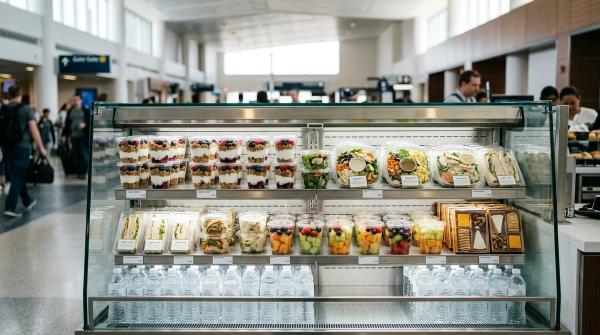
#This sounds obvious, but travel brain is not normal brain. Travel brain thinks a ham and cheese croissant from a Paris boulangerie is somehow protected by romance. It is not. If you’d refrigerate it at home, don’t leave it on a hotel desk overnight and act surprised. Meat, poultry, seafood, eggs, dairy, cooked rice, cooked pasta, cut fruit, cooked vegetables, creamy desserts, and leftovers from restaurants all need proper cold storage. If you don’t have a fridge or cooler with ice that keeps food under 40°F, the clock is ticking.
- Keep for a few hours only: pizza with meat, chicken wraps, egg sandwiches, sushi, poke bowls, ramen leftovers, curry, dumplings, cooked rice, creamy pastries, soft cheeses, yogurt, milk, mayo-heavy salads, cut melon, and anything seafood-ish.
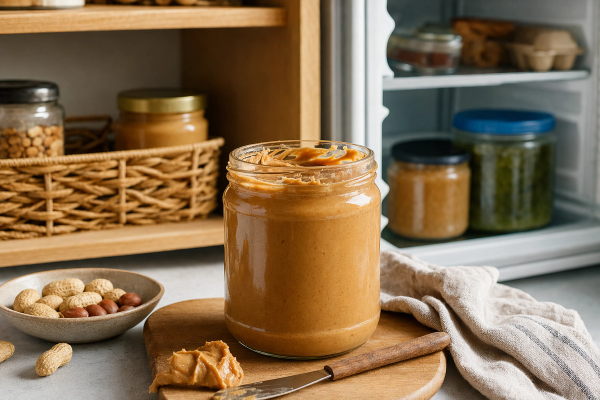
- Usually okay at room temp: whole fruit with intact skin, bread, crackers, unopened shelf-stable snacks, peanut butter, sealed jam, nuts, trail mix, granola bars, chips, dried fruit, canned fish before opening, instant noodles before adding water, and most commercially packaged shelf-stable foods.
- Use judgement but don’t get heroic: hard cheeses, cured meats, fermented foods, pickles, and pastries vary a lot. Some are travel-friendly, some absolutely are not. When in doubt, ask the vendor how they store it.
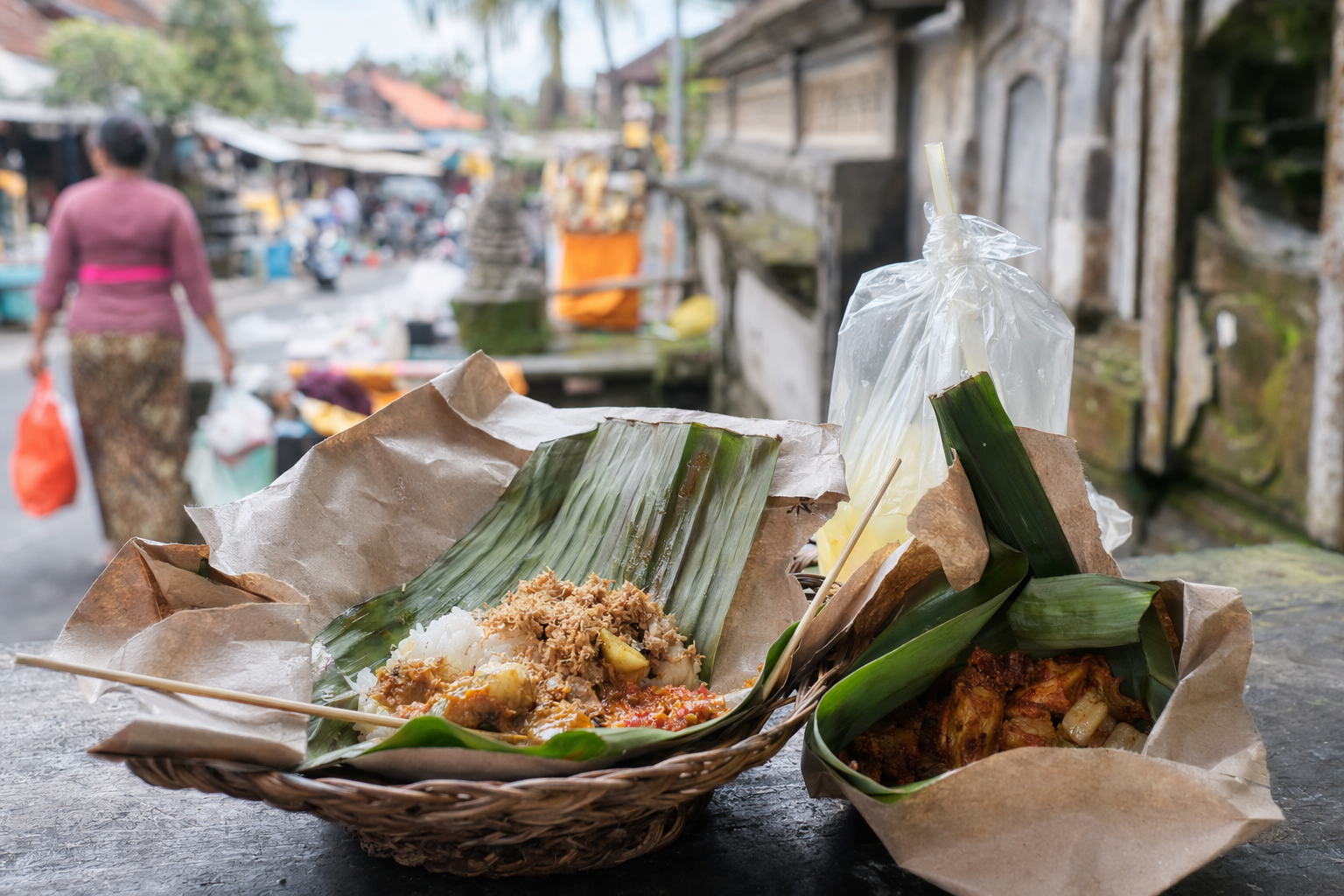
The cooked rice thing deserves its own tiny rant, because people forget about it constantly. Rice can grow Bacillus cereus if it’s left warm too long, and reheating may not fix the toxin problem. I know, I know, the nasi goreng you saved from dinner in Penang looks innocent. It’s not always innocent. Same with pasta and noodles. The more I travel through rice-loving places, which is basically everywhere delicious, the more careful I’ve become.
A keep-or-toss table I wish someone had handed me in my twenties
#| Food in your hotel room | No fridge for 2 hours or less | No fridge overnight | My honest travel advice |
|---|---|---|---|
| Restaurant leftovers with meat or seafood | Usually keep if you eat soon | Toss | Don’t save it unless you have real refrigeration |
| Cooked rice, noodles, pasta | Keep briefly | Toss | Sneaky risky, especially in warm rooms |
| Sushi, poke, ceviche | Eat immediately | Toss | Beautiful food, terrible desk snack |
| Pizza with cheese only | Maybe okay briefly | Toss if left all night | Cold pizza romance is not worth it |
| Hard cheese, unopened | Often okay for a short time | Depends on type and heat | Buy small portions and ask the cheesemonger |
| Soft cheese, fresh cheese | Keep briefly | Toss | Brie, ricotta, queso fresco need cold |
| Whole fruit | Keep | Keep | Bananas and oranges are hotel room heroes |
| Cut fruit | Keep briefly | Toss | Especially melon, don’t mess around |
| Unopened shelf-stable canned fish | Keep | Keep | Once opened, different story |
| Opened canned fish | Keep only if chilled | Toss | Your room will smell like regret anyway |
| Pastry with custard or cream | Keep briefly | Toss | Eat the pastel de nata now. Doctor’s orders, kind of |
| Bread, crackers, nuts | Keep | Keep | Safe and also useful for midnight hunger |
The hotel ice bucket trick, and why I use it carefully
#I’ve done the ice bucket thing so many times. In New Orleans, I once packed leftover muffuletta into a zip bag, filled the hotel sink with ice, and felt extremely clever. In Singapore, after a Lau Pa Sat satay night, I tried to save a few skewers in a plastic container tucked into an ice bucket, then woke up to lukewarm water and deep personal disappointment. Ice melts. Sinks drain badly. Hotel buckets are not always the cleanest objects in the universe. Also, unless you’ve got a thermometer, you don’t really know if the food stayed below 40°F.
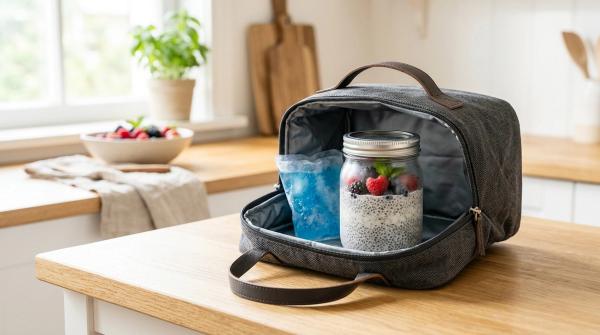
That said, a makeshift cooler can buy you time if you do it right. Use sealed containers or zip bags so food doesn’t touch meltwater. Fill the bucket or sink with a lot of ice, not a decorative handful. Refill before bed. Put the food in the coldest part, not perched on top like a cocktail garnish. And please don’t store food directly in the hotel ice bucket unless you’ve lined it with a clean bag. I’m not precious about everything, but hotel ice buckets have seen things.
Market food is my weakness, so I’ve built rules around it
#Some of my happiest travel days have been market days. Mercado 20 de Noviembre in Oaxaca with smoke from the meat hall clinging to my clothes. La Boqueria in Barcelona early enough that it still feels like locals own it. Borough Market in London when I swear I’m “just looking” and then somehow I’m eating a cheese toastie, oysters, and a doughnut before noon. Or Nishiki Market in Kyoto, where every little skewer and pickle feels like a tiny edible souvenir. These places make you want to buy everything for later. That’s the trap.
Now I buy with my room situation in mind. No fridge? I go for shelf-stable stuff: spice blends, chocolate, roasted nuts, sealed olive oil, tea, coffee, dried pasta, tinned seafood, crackers, vacuum-sealed items that the seller confirms don’t need chilling, and whole fruit. I avoid soft cheeses, fresh sausage, smoked fish, dips, creamy desserts, and prepared salads unless I’m eating them right away. It makes me a little sad sometimes, but not as sad as losing a day in Rome because I trusted room-temperature burrata. Yes, that happened to a friend. No, she does not like when I bring it up.
About leftovers from restaurants, because this hurts
#I hate wasting food. I really, really do. When a restaurant in Bangkok sends me away with half a green curry or I can’t finish a bowl of pozole in Mexico City, my instinct is to save it. Food has memories attached to it. But the safety math doesn’t care that the chef was lovely or that the broth was life-changing. If I don’t have a fridge, I either eat the leftovers within that 2-hour window, offer them to a travel buddy who is still hungry, or I let them go. Painful, but clean.
Also, delivery food has an invisible clock. The two hours isn’t from when you set it down in your room, it’s from when the food stopped being held safely hot or cold. If your ramen rode around on a scooter for 40 minutes, then sat at the front desk while you showered, you don’t get to restart the timer because you finally opened the bag. I wish we did. We don’t.
Foods I actually pack when I know there’s no fridge
#After enough budget hotels, overnight trains, ferry cabins, and “historic guesthouses” where the historic part includes no appliances, I have a little food routine. It’s not fancy, but it saves me from buying sad airport sandwiches or trusting questionable leftovers. I pack or buy foods that can survive a warm room and still feel like a meal. Not gourmet exactly, but you can make it nice if you care.
- Tinned fish or canned beans with pull tabs, plus crackers or good bread. Very Portugal-coded, honestly.
- Peanut butter, tahini packets, or nut butter sachets. These have rescued me in train stations more than once.
- Instant oats, miso soup packets, or cup noodles if the room has a kettle. Check if the kettle looks clean though, because... travelers are weird.
- Whole fruit like oranges, apples, bananas, or mandarins. Cut fruit is where things get risky.
- Roasted nuts, dried fruit, dark chocolate, jerky that is shelf-stable until opened, and sealed protein bars.
- Shelf-stable milk cartons or plant-based drinks, the little ones, but only if they’re unopened and labeled for room temp storage.
One of my favorite no-fridge dinners was in a tiny room in Porto: sardines from a beautiful tin, crusty bread, olives from a sealed jar, oranges, and a cheap glass of wine from downstairs. Was it a restaurant meal? No. Did I feel like I had hacked happiness? Absolutely. Another was in Tokyo after a long day of walking, where I bought rice crackers, shelf-stable canned coffee, mandarins, and a few packaged sweets from a convenience store, then sat in pajamas watching local TV I couldn’t understand. Not every travel meal needs a reservation.
The foods that fool travelers the most
#Pastries are sneaky. A plain croissant can sit out. A custard-filled pastry can’t sit forever just because it came from a famous bakery and has powdered sugar on top. Same with cream cakes, éclairs, tres leches, and anything with fresh dairy. I once carried a cream-filled pastry around Vienna for half a day like an idiot because I was saving it for “the perfect moment.” The perfect moment passed somewhere around hour one. By the time I ate it, it was warm and sad, and I spent the evening suspicious of every stomach gurgle.
Cheese also causes drama. Hard, aged cheeses are more forgiving than soft cheeses, but travel heat changes everything. If a cheesemonger in Paris or Amsterdam tells you something can be kept out for the afternoon, fine, enjoy it that afternoon. Don’t translate that into “three days in my suitcase.” Fresh cheeses, creamy cheeses, and anything sold cold should stay cold. Same for charcuterie. Dry-cured shelf-stable sausage is one thing. Sliced deli meat from a cold case is another thing entirely.
What about hotel breakfast leftovers?
#Ah yes, the breakfast buffet pocket snack. We’ve all done it. A banana? Great. A wrapped muffin? Probably fine. A yogurt cup? Only if you’re eating it soon or have cold storage. A ham and egg sandwich you assembled and wrapped in a napkin for your afternoon museum visit? Risky, especially in summer. Buffet food has already been sitting out under conditions you didn’t control, and then you add more time in your bag or room. Not ideal.
I’m not saying don’t take a snack. I’m saying choose the right snack. Whole fruit, packaged bread, sealed jam, nuts if they have them, maybe a plain roll. Leave the smoked salmon, scrambled eggs, soft cheese, and cut melon alone unless you’re eating them at breakfast. Cut melon is one of those foods safety people always side-eye, because once it’s cut, bacteria can party on the surface, especially if it sits warm.
A quick word for people with kids, pregnancy, or sensitive stomachs
#If you’re pregnant, immunocompromised, traveling with little kids, older relatives, or someone with a medical condition, be stricter than I am. Toss sooner. Don’t play around with deli meats, unpasteurized dairy, seafood, leftovers, or anything that’s been temperature-abused. Baby formula and expressed milk need proper handling too, and hotel-room improvisation can get unsafe fast. Ask the hotel for a medical fridge if needed, or book a room with a real refrigerator. It’s not being fussy. It’s being practical.
I’ve also learned that travel stomach is already dealing with new water, new spices, jet lag, sleep loss, and maybe too much wine because you’re in Tuscany and the sunset was pretty. Don’t add questionable leftovers to the pile. Sometimes the “food poisoning” people blame on a street stall was actually the chicken salad they left in their room all night. Street vendors get blamed for a lot of crimes they didn’t commit.
My little no-fridge decision test
#- Was it sold refrigerated, served hot, or made with meat, seafood, eggs, dairy, cooked rice, or cut produce? If yes, it’s perishable.
- Has it been out more than 2 hours total, or more than 1 hour in very hot weather? If yes, toss it.
- Did you keep it in ice, but the ice melted and the food feels room temp? Toss it.
- Would losing one travel day make you furious? If yes, toss it even faster.
- Are you only keeping it because it cost money? I understand. Still toss it.
That last one is the real killer. Food waste feels awful, and travel budgets are real. But once food has been left unsafe, keeping it doesn’t undo the waste. It just turns waste into a potential stomach disaster. I try to prevent the problem by ordering less, splitting dishes, carrying shelf-stable snacks, or asking the hotel before I book whether rooms have fridges. Some hotels will bring a mini fridge on request, especially for medication or baby needs, but don’t assume. Ask directly.
Destinations where I think no-fridge eating is actually easy
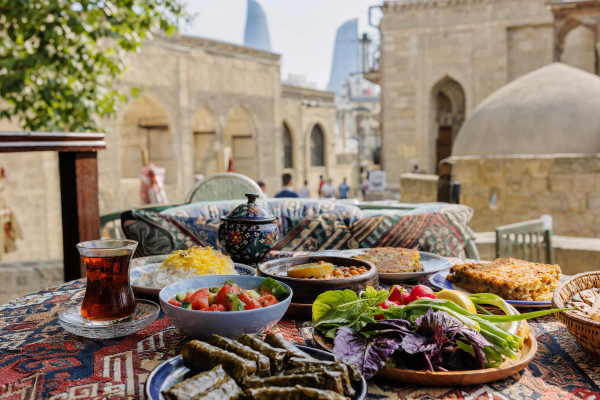
#Some places make hotel-room grazing safer and more fun. Portugal is brilliant because tinned fish culture is on another level, and conservas shops are basically treasure caves. Japan is great if you stick to packaged shelf-stable snacks and eat fresh items right away, though honestly the convenience store chilled foods are so tempting you’ll want a fridge. Greece works well for bread, olives, honey, nuts, and whole fruit, but be careful with feta and dips. Morocco is wonderful for dates, nuts, breads, oranges, and spice blends. Mexico is amazing for market snacks, but don’t leave tamales, meats, salsas with fresh ingredients, or dairy-based things sitting around.
In cities like Singapore, Seoul, Bangkok, Istanbul, Lisbon, and Mexico City, I’d rather eat smaller meals more often than save leftovers. The food scenes are too good anyway. Go back out. Eat the thing fresh. That’s half the fun. I still think about sitting outside in Singapore with satay smoke in my hair, then deciding not to save the extras because my room had no fridge. I was annoyed for ten minutes. Then I got kaya toast the next morning and forgot my grief.
Keep the romance, toss the risky stuff
#Food travel is emotional. We attach stories to bites. A peach from a roadside stand in Provence. A paper cone of fried seafood in Sicily. A dumpling box eaten on a rainy bench in Taipei. I’m not trying to make travel feel sterile or paranoid, because honestly that sounds miserable. I’m saying the best version of food travel includes enough common sense that you actually get to enjoy the whole trip.
My rule now is simple: eat the fresh, fragile, beautiful thing while it’s fresh. Don’t turn it into a science experiment on the hotel desk.
So, hotel room food safety without a fridge mostly comes down to humility. The room is warmer than you think. The clock started earlier than you think. Your nose is less reliable than you think. And that leftover seafood pasta is not worth sacrificing tomorrow’s market crawl. Keep the shelf-stable snacks, the whole fruit, the unopened tins, the crackers, the chocolate, the sealed pantry treasures. Toss the warm leftovers, the dairy, the seafood, the rice, the cut fruit, the creamy pastry that had its moment and missed it.
And if you’re ever standing in a hotel room in Lisbon, Oaxaca, Kyoto, or wherever, staring at a gorgeous little bundle of food and wondering if you should keep or toss... be kind to your future self. Eat what you can safely, share what you can, and let the risky stuff go. There’s always another meal waiting outside, and that’s the whole reason we travel anyway. For more chatty food travel stories and practical little travel lessons like this, I’d say have a wander through AllBlogs.in sometime.