There’s a very specific kind of travel shame that hits when you open your food in a shared space and suddenly everyone knows your business. Not just knows it, smells it. The night bus goes quiet. The hostel common room does that tiny collective pause. Someone on the train glances over their laptop like you’ve committed a minor crime. I learned this the hard way somewhere between Bologna and Munich, with a container of leftover garlic-heavy pasta that tasted like heaven and announced itself like a foghorn. I still think about it. Not proudly, exactly.
So this is my low-smell travel food guide, written from years of trying to eat properly while moving through airports, hostels, sleeper trains, ferries, co-working lounges, shared kitchens, capsule hotels, and those weird little hotel rooms where the “dining table” is basically your suitcase. I love food. I mean properly love it. I will plan a whole trip around noodles, markets, bakeries, and tiny counters where someone’s grandmother is still in charge. But I’ve also learned that food travel isn’t just about chasing the biggest flavors. Sometimes it’s about knowing when not to unleash fish sauce in a six-bed dorm.
Why low-smell food matters more in 2026 travel than it used to
#Travel feels more shared now. Maybe it’s because prices went up and more of us are booking hostels, night trains, coliving apartments, capsule pods, and long-stay Airbnbs instead of private hotel rooms every night. Maybe it’s the whole work-from-anywhere thing that turned cafés and lounges into offices. In 2026, the food travel trend I keep seeing everywhere is “quiet convenience” food: portable, tidy, protein-rich meals that don’t need reheating and don’t make the room smell like a seafood market at noon.
Also, people are eating more intentionally on the road. Not in a boring way. More like: can I try local ingredients, avoid wasting money, not destroy my stomach before a walking tour, and still be considerate in shared spaces? I’ve seen travelers in Seoul packing convenience-store kimbap for trains, digital nomads in Lisbon building snack boards from Mercado da Ribeira, hikers in Japan carrying onigiri and tamago sandwiches, and families in Copenhagen buying rye bread, cheese, and fruit for picnics because restaurant prices can get spicy. Like, emotionally spicy.
My rule now is simple: if the food smells amazing from across the room, it probably doesn’t belong in a shared sleeping or working space. Save the dramatic stuff for parks, markets, outdoor tables, or your own room.
The foods I trust in shared spaces, after too many awkward meals
#I have a mental list now. It’s not perfect, and it changes by country, but these are the foods I reach for when I’m in a train carriage, airport gate, hostel kitchen, ferry lounge, or a hotel lobby where everyone is pretending not to watch each other eat. I want food that is tasty, filling, and doesn’t leak oil all over my backpack. Because yes, I have done that too. A croissant can betray you, by the way.
- Rice balls and onigiri: Japan really nailed this. Plain salted rice, tuna mayo, salmon, kombu, plum, egg. Some fillings smell more than others, but most convenience-store onigiri are neat, quiet, and genuinely satisfying.
- Fresh bread with mild cheese: In France, Switzerland, Austria, Germany, and honestly half of Europe, this is my emergency dinner. A roll, Emmental or Gouda, cucumber, maybe butter. Not glamorous, but it works.
- Cold sesame noodles without loads of garlic: I’ve made this in hostel kitchens, and it’s great if you keep it mild. Add cucumber, carrots, peanuts, maybe tofu. Skip the fish sauce unless you’re outside.
- Fruit that doesn’t explode: apples, grapes, mandarins, berries in a hard container. Bananas are fine until they become backpack pudding, which is a real tragedy.
- Wraps with hummus, roasted vegetables, chicken, or egg: Keep the onion low. Wraps are basically the traveler’s treaty with society.
- Pastries that aren’t filled with strong meat or fish: Pastel de nata in Lisbon, cardamom buns in Stockholm, simit in Istanbul, plain croissants in Paris. Lovely. Civilized. Crumbly, yes, but not offensive.
Tokyo taught me the art of eating politely in public
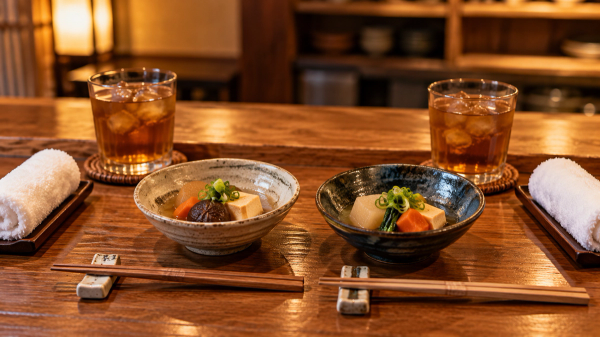
#Tokyo is probably where I got serious about low-smell travel food. Not because the food is bland, never that, but because the whole city has this quiet choreography around eating. Train stations have incredible food, especially around major stations like Tokyo Station and Shinjuku, but you don’t just open anything anywhere and go feral. Ekiben, the boxed meals sold for train journeys, are one of the best food inventions on earth. They’re beautiful, portioned, seasonal, and usually designed to be eaten neatly on a train. Some include fish and pickles, so you still have to choose carefully, but many are mild enough for shared travel.
One morning before a shinkansen ride, I bought a tamago sando, two onigiri, grapes, and a tiny pudding from a convenience store. Was it the most “authentic” food adventure? I dunno, maybe not in the romantic sense. But sitting by the window, opening that perfectly wrapped sandwich while Mount Fuji appeared like it had been scheduled by the tourism board, I felt absurdly happy. The egg sandwich was soft and sweet and creamy, and nobody around me had to suffer for my breakfast choices. That’s the dream, honestly.
Singapore, hawker centers, and the “eat it there” lesson
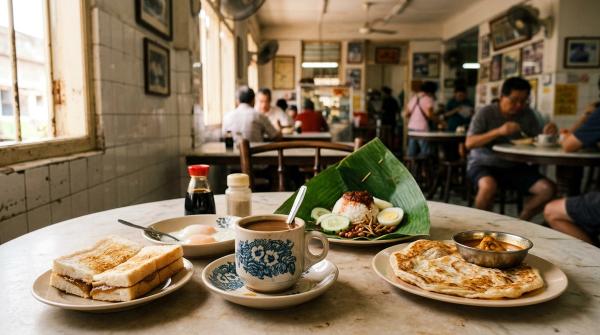
#Singapore is tricky for low-smell travel because the food is so good and so aromatic. Hainanese chicken rice is pretty safe and gentle, and I’d happily eat it every week of my life. Kaya toast is perfect travel food if you can get it fresh. But laksa, chili crab, sambal stingray, satay with smoky peanut sauce, all those gorgeous things? Eat them where they belong, at the hawker centre, with the buzz and the heat and the clatter of trays. Don’t carry laksa back to a shared dorm. Please. The coconut curry broth will haunt the curtains.
I once made friends with an Australian couple in a hostel near Chinatown because we were all comparing what foods were “room safe.” Chicken rice got approved. Curry puffs got a maybe. Durian was obviously a war crime indoors, even if you love it, and I do respect people who love it. Many hotels and transit systems in parts of Southeast Asia restrict durian for a reason. It’s not a moral judgement, it’s just... physics.
A quick low-smell food map for popular culinary destinations
#| Destination | Great low-smell pick | Save for outdoors or restaurants | Tiny travel note |
|---|---|---|---|
| Japan | Onigiri, tamago sando, plain mochi, fruit | Grilled fish bentos, strong pickles | Station food is excellent, but be mindful on local trains |
| Singapore | Kaya toast, chicken rice, mild bao | Laksa, durian, sambal-heavy dishes | Hawker centres are the place to enjoy big aromas |
| Portugal | Pastel de nata, pão com queijo, fruit, mild sandwiches | Tinned sardines, bacalhau in small rooms | Markets in Lisbon and Porto are great for picnic supplies |
| Italy | Focaccia, mozzarella panini, fruit, plain pizza bianca | Garlicky leftovers, tuna salads, truffle-heavy food | Eat the saucy stuff fresh, not in a sleeper cabin |
| Mexico City | Conchas, fruit cups without onion/chile, quesadillas with mild cheese | Tacos al pastor carried indoors, anything with lots of salsa | Street food is best eaten right there, hot and happy |
| South Korea | Gimbap with mild fillings, rice cakes, bakery items | Kimchi stews, garlic fried chicken in enclosed spaces | Convenience stores are shockingly useful for clean travel meals |
The hostel kitchen test: if you cook it, can people still use the room?
#Hostel kitchens are where good intentions go to die sometimes. Everyone wants to save money, everyone has dietary needs, everyone is tired, and somehow three people are boiling pasta while one person is burning onions and another has decided midnight is the correct time to fry mackerel. I’m not judging because I’ve been all of those people, except the mackerel person. Okay, maybe once.
My hostel kitchen approach now is boring but effective: cook early, ventilate, avoid frying, and make food that holds up cold. Couscous bowls are brilliant because you just add hot water, olive oil, lemon, chickpeas, cucumber, herbs, and feta. Pasta salad works if you keep garlic and tuna out of it. Rice bowls are nice if you buy microwave rice and add avocado, egg, edamame, or leftover roast vegetables. I’ve also started traveling with a tiny silicone spatula and a collapsible container, which makes me sound like a person who has given up on spontaneity, but no, it’s freedom. Container freedom.
My “won’t annoy the dorm” grocery basket
#- Plain yogurt or skyr, granola, berries, nuts, honey. Breakfast that doesn’t smell like anything except maybe success.
- Tortillas or flatbread, mild cheese, cooked chicken or tofu, lettuce, cucumber, avocado. Wrap it and move on with your life.
- Instant oats, peanut butter, banana, cinnamon. Not exciting, but on a rainy morning in Edinburgh it saved my entire mood.
- Boiled eggs, but only if you eat them quickly and don’t leave shells in the bin. Egg smell creeps up later, like a bad decision.
- Local bakery stuff. This is my favorite category because every country has something. Burek, buns, rolls, breads, sweet things, savoury things. Just avoid the extra onion ones if you’re in a bunk room.
Airports are getting better, but I still pack backup food
#One nice change in recent travel is that airports and train stations are taking grab-and-go food more seriously. I’ve noticed more chilled protein boxes, vegan wraps, oat bowls, sushi packs, salad jars, refill water stations, and local bakery partnerships in transit hubs. Some of it is overpriced, obviously. Airport salad can cost like it was personally massaged by a chef. But the options are better than they were a decade ago, especially for people who don’t want a greasy burger before a long flight.
Still, I pack backup food because delays don’t care about your dinner plans. My usual flight kit is almonds, crackers, a mild cheese if allowed and kept cold, dark chocolate, dried mango, and sometimes a peanut butter sandwich. I avoid tuna, boiled eggs, salami, kimchi, blue cheese, and anything saucy. Not because I don’t love them. I love them deeply. I just don’t need to share their personality with row 24.
Sleeper trains: romantic until someone opens fish
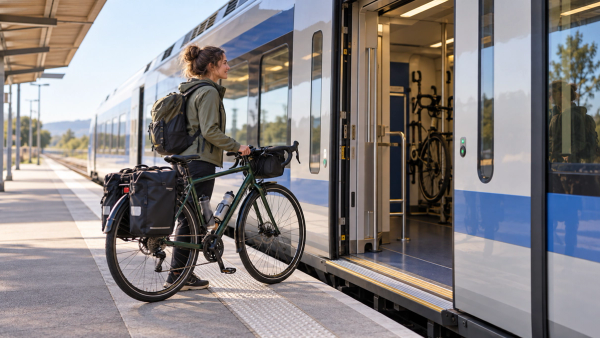
#Sleeper trains are back in a big way across Europe, or at least they feel back. More travelers are choosing rail when it makes sense, partly for climate reasons, partly because airports have become a spiritual obstacle course. I’m a huge fan. Waking up in a new city feels magical, even if you slept badly and your hair looks like it lost an argument.
But sleeper cabins are tiny ecosystems. Whatever you open in there becomes part of the room. On a night train from Vienna to Venice, I brought a simple dinner: seeded roll, butter, mild cheese, cherry tomatoes, grapes, and a square of chocolate. My cabin mate had instant noodles that were actually not too bad smell-wise, until the broth spilled slightly and the whole place smelled like powdered chicken for hours. We laughed about it, but also we opened the door every ten minutes like we were ventilating a crime scene.
- Pack foods that don’t need utensils if you’re sharing a berth. Forks disappear into bedding like tiny metal ghosts.
- Avoid foods with liquid unless the container locks properly. A “pretty secure” lid is a lie travel tells you.
- Bring napkins, wet wipes, and a small trash bag. Leaving crumbs around a sleeper cabin is just rude, and also gross.
- Eat earlier in the evening if possible. Nobody wants to wake up at 1 a.m. to the smell of spicy noodles, even nice spicy noodles.
Local foods that are naturally low-smell and still feel special
#The danger with “low-smell food” is that it sounds like I’m telling you to eat sad beige snacks. Absolutely not. Some of the world’s best travel foods are quiet foods. They don’t shout across the room, but they still tell you where you are. In Istanbul, simit with cheese and tea is simple and perfect. In Lisbon, a warm pastel de nata eaten outside the bakery is one of the great small pleasures. In Seoul, a mild gimbap from a convenience store can be breakfast, lunch, or emergency dinner. In Copenhagen, rye bread with butter and cheese is somehow both humble and deeply stylish, because Denmark does that to things.
In Mexico City, I love morning bakery runs. Conchas, orejas, little rolls, coffee from a corner spot. Obviously, the city’s tacos and moles and salsas are the reason to go hungry and stay curious, but for shared spaces, pan dulce is your friend. Eat the big saucy, smoky, chile-rich meals at the market stall or restaurant where they’re meant to be eaten. Then bring a pastry back for later. Balance, you know?
Food innovations I’m actually using now, not just reading about
#Some travel food “innovations” feel like gadgets looking for a problem, but a few have genuinely changed how I pack. Reusable leakproof containers are better now than the flimsy old ones, and collapsible bowls are great if you’re doing hostels or camper travel. I’ve seen more travelers using insulated food jars, especially on train trips, though I’m careful with hot food because hot smells travel faster. Edible cutlery still feels a bit gimmicky to me, but compostable packaging and refill stations are becoming more common in food halls and airports, which is good because travel creates so much little plastic waste it makes me wince.
The other big thing is convenience stores becoming culinary destinations in their own right. Japan has been famous for this forever, but South Korea, Taiwan, Thailand, and even parts of Europe are catching on with better chilled meals, fresh fruit, yogurt pots, prepared salads, and local snacks. I don’t romanticize convenience food too much, because it can be heavily packaged and not always healthy, but on the road, a well-stocked convenience store can save you from expensive, smelly, or just plain bad choices.
The foods I love but will not open in shared spaces anymore
#This list hurts me a little. I adore strong food. I want anchovies on things. I want funky cheese. I want fermented everything. But I have learned restraint, mostly by embarrassing myself.
- Tinned fish: Sardines in Portugal, anchovies in Spain, mackerel anywhere. Delicious, nutritious, often affordable. Also not for your dorm bed. Eat with bread outside, preferably with a view and no witnesses trapped nearby.
- Kimchi and fermented cabbage dishes: Incredible with rice, soups, fried food, everything. But in small rooms, the smell lingers like it signed a lease.
- Blue cheese and washed-rind cheese: I once bought a tiny cheese in France that smelled stronger than my hiking shoes. That’s not a snack, that’s a roommate.
- Hot curry in sealed public spaces: I love curry so much, from Japanese kare to Malaysian rendang to Thai green curry. But if it’s hot and aromatic, eat it at a table, not in seat 12B.
- Garlic-heavy leftovers: They smell stronger the next day. I don’t know the science, I just know the regret.
How I build a low-smell picnic in any city
#My favorite travel meal is still the lazy picnic. Not the Instagram picnic with linen and perfect strawberries, more like sitting on a bench with a paper bag and feeling lucky. I’ll find a market, bakery, or small grocery and build a meal that feels local without being overpowering. Bread, cheese, fruit, something crunchy, something sweet. Maybe olives if I’m eating outside. Maybe cured meat if it’s mild and I’m not carrying it into a shared room later. I like food that lets me sit in a place and watch people. That’s half the pleasure of travel for me.
In Barcelona, I’ve done this with coca bread, fruit, and fresh cheese after wandering through market streets. In Amsterdam, bread rolls, gouda, apples, and stroopwafels. In Athens, koulouri, yogurt, honey, cucumbers, and nuts. In Bangkok, where strong smells are part of the joy, I’ll eat the big flavored dishes right at the stall and keep my bag snacks simple: fruit, buns, sticky rice sweets if they’re wrapped well. It’s not about avoiding flavor. It’s about choosing the right stage for it.
A few etiquette rules that sound obvious until you’re tired
#Travel makes everyone a bit feral. You’re hungry, your phone is dying, your check-in code doesn’t work, you haven’t done laundry, and suddenly eating leftover pad thai in bed seems reasonable. I get it. But shared spaces run on tiny acts of mercy. Food etiquette is one of them.
- If it smells strong when you open the container, close it and eat it somewhere else. No drama, just relocate.
- Don’t microwave fish, eggs, or garlicky food in a hostel kitchen unless you want enemies. Silent enemies, which are worse.
- Clean up immediately. Crumbs and sauce are not “later” problems in shared spaces.
- Ask before eating in a shared car or room if it’s something borderline. Most people appreciate being asked, even if they say yes.
- Keep trash sealed. The smell of food waste is often worse than the meal itself, especially banana peels and egg shells. Learned that one in Prague. Ugh.
My emergency low-smell travel meal formula
#When I’m tired and can’t think, I use a very basic formula: carb, protein, fresh thing, treat. That’s it. Carb could be bread, rice crackers, tortilla, plain noodles, or oats. Protein could be cheese, yogurt, tofu, chicken, nuts, or boiled egg if I’m careful. Fresh thing is fruit, cucumber, tomatoes, carrot sticks, salad leaves. Treat is chocolate, pastry, local sweet, whatever makes the day feel less like logistics.
This formula has fed me in Zurich when every restaurant felt like a financial threat, in Taipei when I was too tired to decode menus, in London after a delayed train, and in a tiny room in Naples where I had spent all my appetite on pizza earlier but still needed something before bed. Low-smell doesn’t mean joyless. It means practical enough that you can save your food drama for the meals that deserve it.
Final thoughts: be delicious, but be kind
#The best food travel experiences are usually loud in memory but not always loud in smell. I remember the steam rising from ramen counters in Tokyo, the buttery flakes of a Lisbon pastry, chicken rice in Singapore, a paper-wrapped bun eaten on a cold platform, grapes washed in a hostel sink, cheese shared with a stranger on a train who later became a dinner friend. Food is how I understand places. It’s also how I accidentally annoy people if I’m not careful.
So pack the mild snacks. Eat the funky stuff where it belongs. Buy the local pastry. Don’t microwave fish. Carry napkins. And if you do make a food mistake in a shared space, own it, apologize, open a window if there is one, and do better next meal. We’re all just hungry people moving through the world together, trying not to smell up the carriage. For more food-and-travel ramblings, practical guides, and the kind of destination dreaming that starts with “what should we eat first?”, have a wander through AllBlogs.in.