I used to think people who slept easily on planes were either lying or some kind of wellness wizard. Like... how? You're in a weird upright chair, somebody's elbow is in your ribcage, the cabin is dry as a cracker, and for some reason the seatbelt sign always pops on right when you finally get comfy. But after a bunch of long-haul flights, some rough jet lag spirals, and one truly cursed 14-hour trip where I arrived feeling like a haunted raisin, I’ve learned a lot about what actually helps. Not perfectly. Not every time. But enough that I now land looking semi-human instead of fully destroyed.
Quick note before I ramble too far: I’m not a doctor, and jet lag can hit people really differently depending on age, stress, sleep habits, hormones, meds, and whether you're crossing 3 time zones or 11. But I do care about health stuff a lot, and I keep up with sleep research because honestly sleep affects everything... mood, immunity, blood sugar, cravings, focus, all of it. And the newer sleep guidance in the last couple years has gotten a bit more practical, less gimmicky. Thank God.
First, why long-haul flights mess you up so bad
#It’s not just "you didn’t sleep enough." Jet lag is basically a circadian rhythm problem. Your internal body clock, which is heavily influenced by light, is still running on your home time while your plane and destination are doing something else. Research over the past few years keeps reinforcing that light exposure is the big lever here, especially morning light and evening light timing. Melatonin can help too, but light is kinda the main boss. Add in airplane dehydration, crappy posture, less movement, alcohol, cabin noise, stress, bad airport food, and yeah... no wonder people feel off for days.
One thing I didn’t realize early on is that eastbound trips usually feel worse for a lot of people because advancing your body clock, meaning sleeping earlier than your body wants, is harder than delaying it. Going west can still be rough, obviously, but for me eastbound is where I become an absolute gremlin. If you know that about yourself, it helps to plan smarter instead of just hoping you'll "sleep when you’re tired." Sometimes your body is like, lol no.
The biggest mistake I made was treating the flight like the problem, when the schedule was the problem
#This changed everything for me. I used to obsess over finding the perfect neck pillow, the perfect eye mask, the perfect supplement stack, the perfect seat. And yes, those things matter some. But what mattered more was deciding before boarding: am I trying to sleep on this flight, or stay awake strategically? Because sleeping at the wrong time can make jet lag drag on longer, even if it feels good in the moment. That was annoying to learn, because I wanted a cute easy hack and instead I got... circadian biology.
- If it’ll be nighttime at my destination for a decent chunk of the flight, I try to sleep as much as I realistically can.
- If I’m landing in the morning and sleeping on the plane will only give me 2 random hours, I sometimes do a short nap instead of a full sleep attempt.
- If it’s a daytime destination arrival and I need to stay awake till local bedtime, I protect that plan like my life depends on it. Dramatic, but you know what I mean.
A lot of sleep experts now talk about using timed light and timed melatonin as a combo, not randomly. That lines up with what finally worked for me. If I’m flying east, I start shifting a little earlier for 2 to 3 days before the trip when possible. Earlier dinner, earlier lights dimmed, earlier bedtime, less late-night scrolling. Nothing extreme. Even moving by 30 to 60 minutes helps, and it’s way less brutal than trying to do it all after landing.
What I actually do before the flight now
#So, this part is boring but it works. I stop trying to squeeze every last drop out of my travel day. If I’m packing till 1 a.m. and waking up at 5, that’s not me being efficient, that’s me setting myself up to feel terrible. I aim to be well-rested before the long-haul instead of treating the plane as my backup bedroom. Planes are bad bedrooms. They just are.
- I start sleeping a bit closer to destination time if I can, especially for trips crossing 5 or more time zones.
- I hydrate more the day before, not just on the plane. Cabin air is super dry, around 10 to 20 percent humidity on many flights, and I def feel it in my skin, nose, and energy.
- I go lighter on alcohol. This one pains me because an airport wine feels fun and vacation-y, but alcohol fragments sleep even if it makes you drowsy at first.
- I keep caffeine strategic. Usually not after what would be early afternoon in the destination time zone.
And I eat... normal-ish. Not perfect. Just less chaotic. Big salty airport meals make me puffy and weirdly more tired, while skipping food altogether makes me anxious and cranky. Some newer wellness trends in 2026 are very into continuous glucose tracking for performance and travel, and while I’m not saying everyone needs a wearable for a flight, I do think steadier meals help. For me that means protein, fiber, water, and not turning travel day into a beige-carb festival. Though yes, sometimes I still buy the giant pretzel.
My in-flight sleep routine is not glamorous, but wow it helps
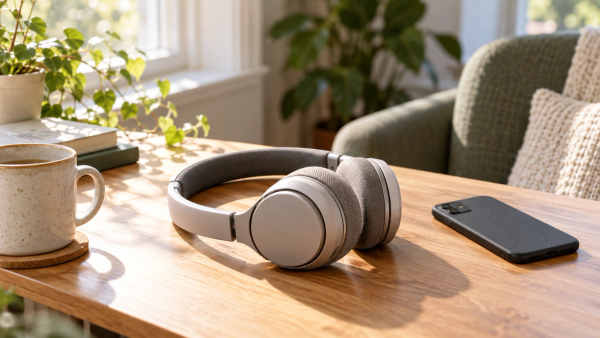
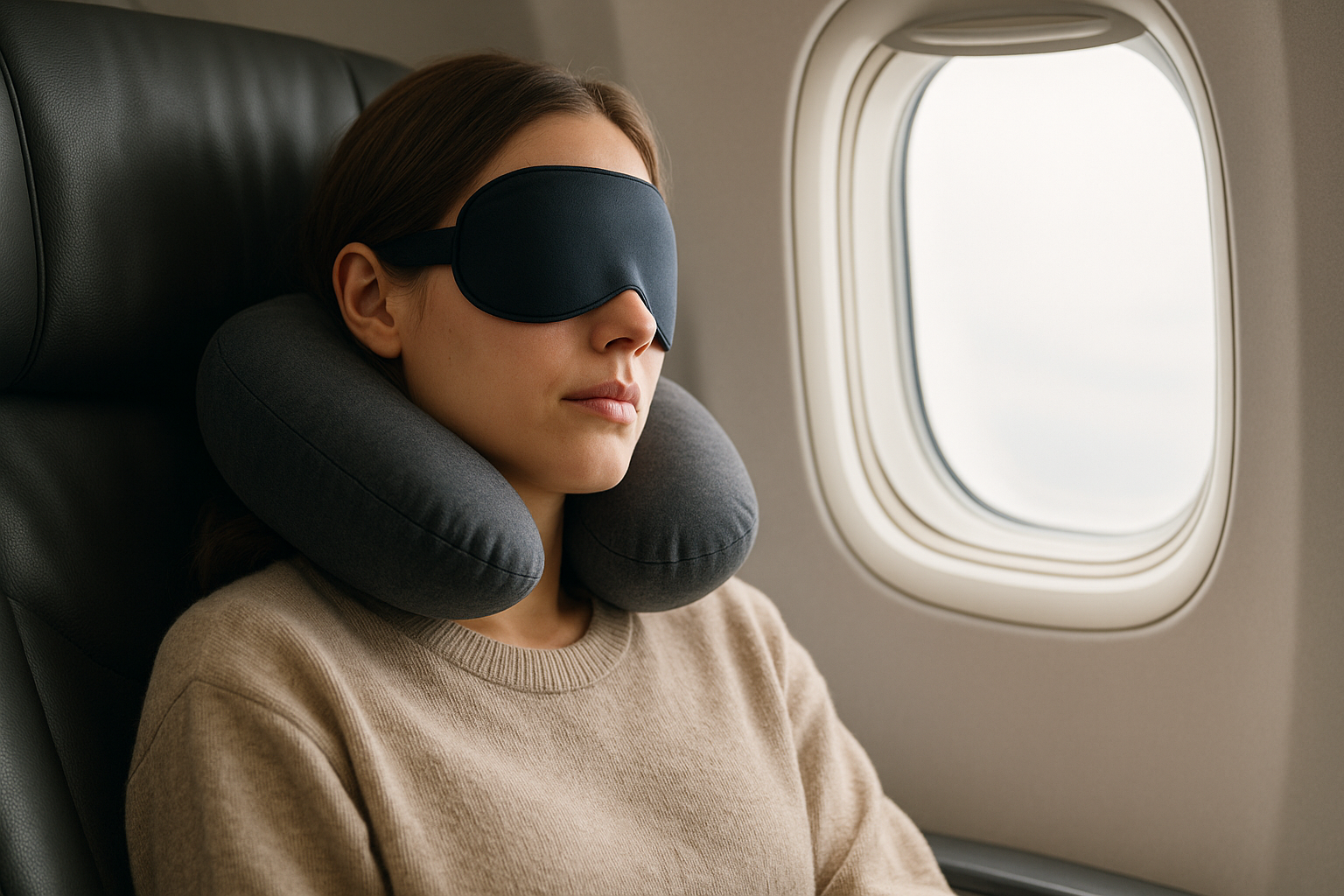
#I used to board with this fake optimism, like maybe I’ll simply relax. Lol. Now I build a little sleep cave. Window seat if possible, because aisle sleep is just me getting whacked by carts and strangers. Then: neck pillow, eye mask, earplugs plus noise-canceling headphones if I’ve got them, hoodie or layer, and a tiny foot support if the airline setup is brutal. Recent travel wellness chatter has gotten very into reducing sensory input, and honestly that’s not even trendy, it’s just common sense. Your brain needs fewer cues telling it to stay alert.
One thing that surprised me from reading more current sleep advice is how much body temperature matters. Your core temperature naturally drops a bit before and during sleep, so being too warm on the plane can absolutely wreck your chances. I wear layers and keep my hands and feet comfy, but I don’t bundle myself into a sweaty burrito anymore. Slightly cool is better for me. Also, I loosen anything restrictive. This is not the time for "cute airport outfit" suffering.
The most realistic goal on a long-haul flight isn’t perfect sleep. It’s enough rest to reduce the damage, then using light, movement, food timing, and bedtime to finish the job after landing.
Let’s talk melatonin, because people get real weird about it
#Melatonin is one of those things that gets marketed like candy and discussed like magic. It’s neither. It’s a hormone that signals darkness to your body, and when used right, it can help shift your body clock or make sleep onset easier. The recent guidance I keep seeing from sleep medicine folks is that lower doses are often enough, and more isn’t always better. A huge dose can leave some people groggy, give vivid dreams, or just not help any extra. I personally do better with a low dose, taken at the right local time, rather than taking a bunch and hoping for the best.
Important boring safety bit: melatonin can interact with some medications and isn’t ideal for everybody. If you’re pregnant, managing a chronic condition, on blood thinners, dealing with seizures, depression, autoimmune stuff, or giving it to kids, ask a clinician instead of just copying a travel influencer. Same with prescription sleep meds. Those can be useful for some people, but they can also increase confusion, falls, weird behavior, and poor-quality sleep in the wrong context. I’m kinda cautious with them on planes, personally.
The sneaky stuff that makes plane sleep worse
#This is where I had to be honest with myself. I said I wanted sleep, but then I’d do all the exact things that sabotage it. Like ordering a drink, watching three episodes of something loud and bright, checking messages every ten minutes, and then wondering why my nervous system felt like a squirrel on espresso. Blue light at the wrong time isn't the only issue, but it matters, especially if you're trying to shift earlier. So now I dim screens, switch devices to warm light, and if I’m serious about sleeping, I stop the doom-scroll circus.
- Too much alcohol. Makes you sleepy, then gives you choppy miserable sleep later.
- Late caffeine. This seems obvious, and yet I have ignored it many times.
- Huge meals right before trying to sleep. Sometimes reflux says hello.
- Not moving at all. Stiff body, swollen feet, restless legs, zero chance of feeling settled.
- Anxiety. Honestly this is a big one, and pretending it isn’t doesn’t help.
For the anxiety piece, I keep it simple. Slow breathing, long exhale, low-stimulation audio, and giving myself permission to just rest even if I don’t fully sleep. That mindset shift was huge. Once I stopped forcing sleep and treated quiet rest as still useful, I weirdly slept more often. Human bodies are so annoying like that.
How I try to beat jet lag after landing without making myself miserable
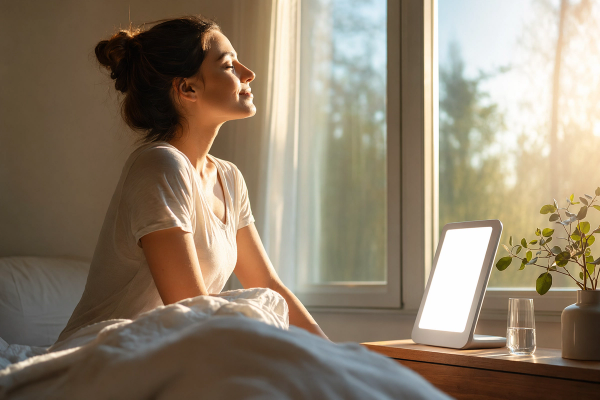
#Okay, this is probably the most important part. The first 24 to 48 hours after arrival matter a lot. The current sleep and circadian research keeps pointing to the same anchors: light, movement, meal timing, and local bedtime. So I get outside as early as makes sense for the direction I traveled. Morning light is especially helpful if I need to shift earlier. If I arrived after a westbound flight and need to stay up later, then late afternoon or early evening light can help delay the clock. This sounds nerdy, but it works better than a random wellness powder, sorry to the powders.
I also walk. Nothing heroic. Just a walk outside. There’s newer research around exercise helping circadian adaptation too, especially when timed well, and from experience even a 20-minute walk can tell my body, hey, we live here now. Then I eat meals on local time as soon as I can. Not giant ones necessarily, just regular meals. Your gut has clocks too, which feels rude but useful. When I ignore meals or eat at 2 a.m. local because my home body thinks it’s dinner, I feel off for longer.
- Get outdoor light at the right time for your travel direction
- Use a short nap only if absolutely needed, usually 20 to 30 minutes, not a 3-hour accidental coma
- Stay awake until a reasonable local bedtime whenever possible
- Move your body, even gently
- Eat on local time and hydrate like you mean it
There’s also been more conversation lately, especially in 2025 and 2026 wellness circles, about travel recovery being part of health rather than a personal failure. I actually love that. We’re finally talking about sleep debt, nervous system overload, menstrual cycle effects, perimenopause sleep disruption, and neurodivergent sensory overload in travel settings in a more real way. Some people need more recovery. That’s not weakness, it’s biology and life and stress and all the other stuff.
A few things I think are overhyped... and a few that aren’t
#Overhyped, in my opinion: expecting one supplement to fix jet lag, expensive "detox" drinks, sleeping flat-out drugged on every plane, and acting like hydration means chugging one giant bottle at the gate and calling it wellness. Also those social posts where someone claims they landed after 12 hours and were instantly adjusted because of one hack... maybe! But also maybe no. Bodies differ a lot.
Underrated: picking the right flight timing if you have a choice, protecting sleep the week before travel, compression socks on long flights if you’re prone to swelling or sitting forever, getting up every couple hours when awake, and being honest about your own sleep tendencies. If you never sleep on planes, build a plan around that instead of pretending this time will be magically different. I had to accept I’m not a six-hour plane sleeper. I’m more of a fragmented doze goblin. Once I accepted that, planning got easier.
When jet lag or in-flight sleep issues might need actual medical help
#If you’re doing all the normal stuff and still can’t sleep on trips, or jet lag knocks you out way more than seems normal, there could be something else going on. Sleep apnea, insomnia, restless legs, anxiety disorders, medication effects, reflux, chronic pain, perimenopause, and circadian rhythm disorders can all make travel sleep much harder. Loud snoring, waking up choking, serious daytime sleepiness, or needing sleep meds constantly to travel are all good reasons to bring it up with a clinician. Same if you have a history of blood clots or major circulation issues before long flights, because movement and prevention matter extra.
I put this in because wellness content sometimes gets too cute and forgets actual medicine exists. Sometimes the answer is sunlight and patience. Sometimes the answer is, um, you need to get checked out. Both can be true.
My honest, real-life long-haul formula these days
#If I had to boil it all down, here’s what I keep coming back to. I sleep well for a few nights before the trip. I start shifting earlier or later a bit if the time difference is big. I go easy on alcohol, don’t go wild with caffeine, and hydrate before and during the flight. On board I make a dark, cool, quiet little nest and decide whether I’m sleeping or strategically staying awake. If needed, I use melatonin carefully and at the right local time, not randomly. Then after landing, I get light, walk, eat on local time, and avoid monster naps. Is it thrilling? No. Does it work better than my old chaotic method? Very, very yes.
And if the first day still feels rough, I try not to spiral and tell myself I’ve ruined the trip. That used to be me every time. Now I know one bad flight doesn’t mean the whole week is shot. Usually by day two, if I’ve handled the light and bedtime stuff decently, my body starts catching up. Not always. But often enough that I trust the process more than I used to.
Final thoughts from someone who’s definitely fallen asleep on a tray table before
#Long-haul sleep is never going to be perfect, and jet lag probably won’t disappear completely, especially on brutal itineraries. But you can reduce the suffering a lot. That’s really the goal. Less zombie, more functional person who maybe even enjoys day one of the trip. If you take one thing from this whole ramble, let it be this: stop relying on willpower alone. Your circadian rhythm responds to timing, light, routine, and behavior. Work with it a little and things get easier... or at least less awful.
Anyway, that’s my very human, slightly sleep-deprived guide to surviving long-haul flights. Try what fits, ignore what doesn’t, and be nice to yourself if travel knocks you sideways for a bit. I still tweak my routine every trip. If you like reading this kind of health-and-wellness-in-real-life stuff, I’ve found some fun rabbit holes over at AllBlogs.in too.