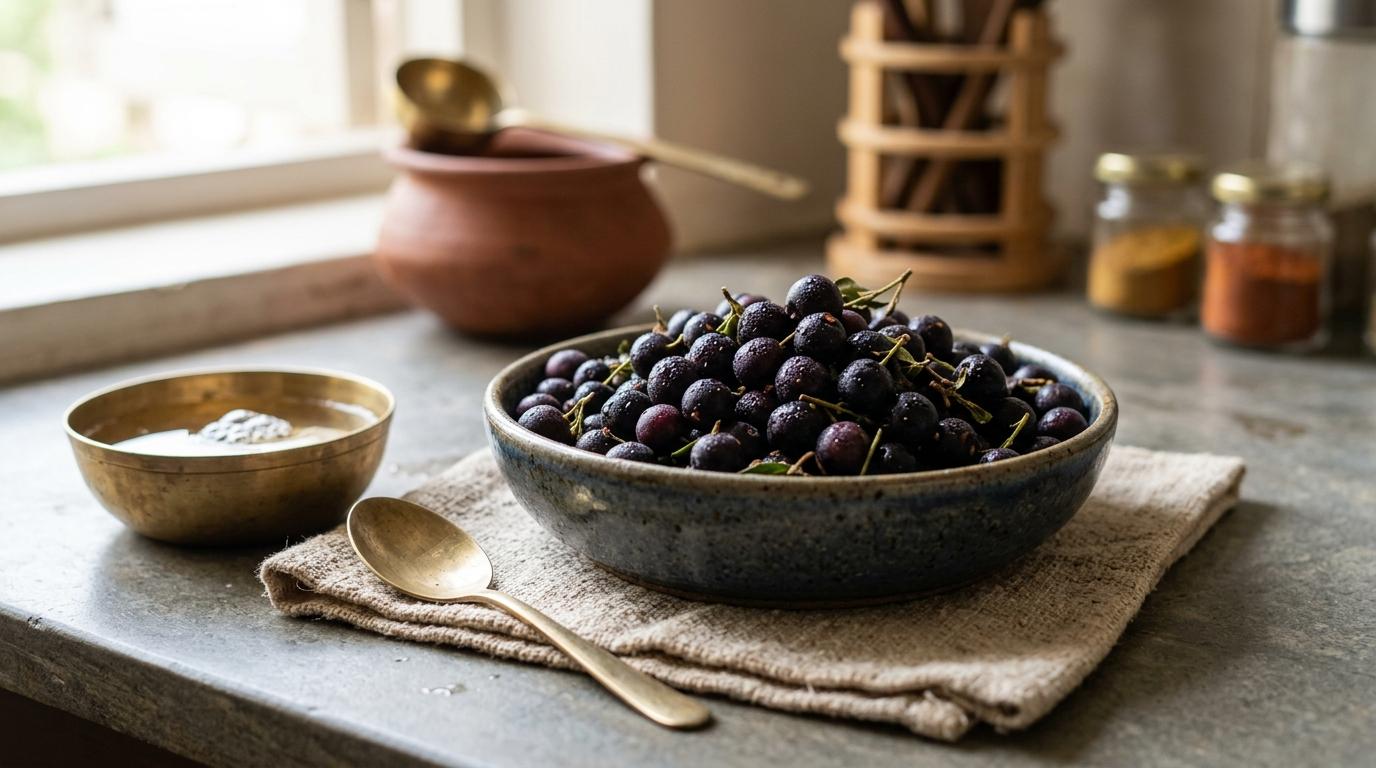
Phalsa, or falsa as many people call it, is one of those summer fruits that feels like it appears out of nowhere and disappears just as quickly.
One day you spot it on a street cart, tiny purple berries sitting in a basket, looking a little dusty but impossible to ignore. You buy a bowl, sprinkle on some black salt, and suddenly it feels like proper summer.
Phalsa is sweet, tart, slightly earthy, and wonderfully cooling in hot weather. But it has one problem.
It is extremely delicate.
If you have ever bought phalsa in the evening and found it sticky, leaking, or sour-smelling the next morning, you are definitely not the only one. The fruit may look fine at the market, but once it sits in a warm kitchen or gets packed tightly in a plastic bag, it can go downhill very fast.
That does not mean you did anything wrong. Phalsa has thin skin, soft flesh, and very little patience for heat, water, pressure, or delay. So the trick is not only buying fresh fruit. It is knowing how to wash and store phalsa without accidentally making it spoil faster.
This allblogs guide keeps it practical. No dramatic hacks, no unrealistic shelf-life promises. Just simple advice on choosing phalsa, sorting it, storing it dry, washing it gently, spotting spoilage, and handling those stubborn purple stains.
Quick answer
#If you have just brought phalsa home and want the short version, do this:
- Do not wash the whole batch before storing. Moisture makes phalsa spoil faster.
- Sort it as soon as possible. Remove crushed, leaking, moldy, shrivelled, or odd-smelling berries.
- Keep it dry. Line a wide, shallow container with a clean, dry paper towel.
- Spread it gently. A loose single layer is best. A very light second layer is okay if needed.
- Refrigerate it. Keep it in the main fridge section, loosely covered or uncovered.
- Wash only before eating. Rinse only the amount you are going to use.
- Throw it out if it seems doubtful. If it smells fermented, looks moldy, feels slimy, or just seems off, do not taste-test it.
That is the safest basic routine. The rest of this guide explains why it works and how to handle phalsa properly in summer.
Why phalsa spoils so fast in summer
#Phalsa may be small, but it is not tough. It behaves a lot like a delicate berry, especially in peak summer heat.
The skin is thin. The flesh is soft. The fruit bruises easily. Once one berry starts leaking, the ones around it can quickly become sticky and soft too.
A few things make phalsa spoil faster.
First, heat speeds everything up. Phalsa is usually sold during the hottest part of the year. It may spend hours in baskets, on carts, in open markets, or in transport before it reaches your kitchen. Even if it was fresh when picked, heat can push it towards softness and fermentation.
Second, pressure damages it. Phalsa is often piled into baskets or packed into thin plastic bags. The berries at the bottom carry the weight of the fruit above them. They may not look badly crushed at first, but tiny bruises can start leaking juice later.
Third, moisture is a problem. Water gets trapped between the berries and around small cracks in the skin. With firmer fruits, that may not matter much. With phalsa, dampness can quickly lead to mold, sour smells, and mushy fruit.
Fourth, very ripe phalsa breaks down faster. Dark purple berries are usually sweeter and more flavourful, but they are also softer. That does not mean you should avoid ripe phalsa. It just means you should eat it sooner.
So good phalsa storage is not about making it last for days and days. It is about slowing spoilage, keeping the berries dry, and checking them honestly before eating.
How to buy better phalsa
#Good storage starts at the market. If the fruit is already wet, crushed, or fermenting when you buy it, your fridge can only do so much.
When buying phalsa, take a proper look at it.
Choose berries that look plump, fresh, and intact. A good batch may have a mix of deep purple and reddish-purple berries. The darker ones are usually sweeter and softer. The slightly firmer reddish ones may hold up a little better for short storage.
Avoid fruit sitting in a pool of juice. A little staining is completely normal because phalsa stains almost everything, but wet, sticky fruit at the bottom of a basket is not a good sign.
If possible, smell the fruit. Fresh phalsa should smell mild, fruity, and slightly tart. If the basket smells strongly sour, alcoholic, or fermented, skip it.
Also notice how the vendor is keeping it. Shade is better than direct sun. A dry basket is better than fruit that has been sprinkled with water again and again. Many vendors sprinkle water on fruit in summer to make it look fresh, and that is common in markets. But with phalsa, extra moisture can shorten its life once you bring it home.
If the vendor offers to mix the phalsa with salt, black salt, or chaat masala, think about when you plan to eat it. If you are eating it immediately, lovely. If you want to store it, say no. Salt pulls out moisture, and salted phalsa turns mushy quickly.
Also, buy only what you can realistically finish soon. Phalsa season is short, so it is tempting to buy a lot. But with this fruit, smaller fresh purchases usually work better than one large batch slowly spoiling in the fridge.
Should you wash phalsa before storage?
#No, you should not wash phalsa before storing it.
This can feel strange, especially when the fruit comes from a dusty market. The first instinct is to wash everything and then put it away. That works for some fruits, but not for phalsa.
For delicate berries, washing before storage often causes more harm than good. Water clings to the skin and sits between the berries. Even if you drain them, phalsa is difficult to dry fully without bruising it. Once damp berries are packed together, spoilage can move quickly.
A better routine is:
- Sort first.
- Store dry.
- Wash only before eating or preparing.
To sort phalsa, spread it gently on a clean plate, tray, or shallow bowl. Remove leaves, stems, twigs, and any berries that are crushed, leaking, moldy, badly shrivelled, unusually sticky, or sour-smelling.
Do not rinse the whole batch “just a little” before refrigerating. Do not soak it before storage. And definitely do not pack wet phalsa into a closed plastic box.
If the fruit looks dusty, that is okay. Wash only the portion you are about to eat or use.
And no, you do not need soap, detergent, or complicated cleaning mixtures. For everyday home use, gentle washing in clean water right before eating is enough.
Phalsa storage tips for the fridge
#Once the phalsa is sorted, your main job is simple: keep it cool, dry, and uncrushed.
Use a wide, shallow container. A steel plate with raised edges, a glass dish, or a shallow food-safe box can work well. Avoid deep bowls because the berries at the bottom will get pressed and damaged.
Line the base with a clean, dry paper towel or a clean, dry cloth. This helps absorb a little condensation or juice from softer berries. The towel should be dry, not damp.
Spread the unwashed phalsa loosely. A single layer is best. If you have more fruit, a very light second layer is better than piling it high. Do not press it down.
Keep the container loosely covered. You can place another dry paper towel on top or keep the lid slightly open. Avoid sealing very ripe phalsa in an airtight container because trapped moisture and odour can make things worse.
Store it in the main fridge compartment. The crisper drawer can be humid, and that is not always ideal for delicate berries like phalsa. A middle shelf, away from strong-smelling foods, is usually better.
Check the fruit before using it. Remove any berry that has started leaking, growing fuzzy mold, or smelling sour. If several berries in the same container look spoiled, be extra careful with the whole batch.
Also, do not rely on a fixed number of days. Phalsa does not follow a neat timetable. It depends on how ripe it was, how hot the market was, how much it was handled, and whether it was sprinkled with water. Use your eyes, nose, and common sense.
If in doubt, throw it out.
How to clean phalsa fruit before eating
#When you are ready to eat phalsa, wash only the amount you need.
Do not blast it under a strong tap. The berries can split, and you may lose juice along with the dirt. A gentle water bath is better.
Here is how to clean phalsa fruit:
- Take only the portion you want to eat or use.
- Put cool, clean drinking water in a bowl.
- Add the phalsa to the water.
- Move the berries gently with your fingers.
- Do not rub, squeeze, or crush them.
- Let any grit settle for a moment.
- Lift the berries out instead of pouring dirty water over them.
- Repeat once with fresh water if needed.
- Drain well before serving.
If you are eating phalsa plain, add salt, black salt, or chaat masala only after washing and draining. Season only the portion you are about to eat. Do not season a batch and put it back in the fridge as if it were fresh fruit.
If you are using phalsa for sharbat, wash it just before preparation. The same safety rule applies there too: wash before use, use clean utensils, refrigerate prepared mixtures quickly, and discard anything that smells or looks off.
Serving phalsa without making a mess
#Phalsa does not need much. A small bowl, a pinch of black salt, maybe some chaat masala, and it is ready.
But it stains. It also softens fast. So a little planning helps.
Serve phalsa chilled and soon after washing. Do not wash a big bowl and leave it sitting on the dining table for hours. Once washed, phalsa should be eaten or used without much delay.
If you are serving guests, use a shallow bowl instead of a deep one. Keep a small spoon nearby too. Once the fruit starts releasing juice, fingers turn purple very quickly.
For children, or anyone trying phalsa for the first time, mention that it has small seeds. Some people chew the fruit and spit out the harder bits. Others prefer it pulped and strained into drinks. Both are completely fine.
Phalsa fits beautifully into an Indian summer spread with mangoes, jamun, watermelon, kokum drinks, nimbu paani, and chilled curd-based foods. Both jamun and phalsa are purple, both stain, and both are loved in hot weather, but they are not the same fruit.
Phalsa spoilage signs: when to discard it
#This is the most important part of falsa fruit summer safety.
Phalsa can look almost okay at first glance, but a closer check may tell you otherwise. Before eating, inspect and smell it properly. Do not judge only by when you bought it. And do not taste fruit that already looks or smells spoiled.
Here are the main phalsa spoilage signs to watch for.
Sour or fermented smell
#Fresh phalsa smells mild, fruity, and tart. Spoiled phalsa may smell sour, sharp, alcoholic, vinegary, or unpleasantly fermented.
A gentle ripe-fruit smell is normal. A strong harsh smell is not. If the smell hits you as soon as you open the container, be careful.
Fuzzy mold
#Look for white, grey, blue, or green fuzzy patches. Mold may appear near the stem marks, on crushed berries, or where the fruit has been sitting wet.
If one or two berries are moldy and the rest look dry and intact, remove the bad ones and inspect everything else carefully. If mold has spread through the container, or the whole batch smells off, discard it.
Slimy or sticky texture
#Ripe phalsa can be soft and juicy. That is normal.
But it should not feel slimy, slippery, or unpleasantly sticky all over. If the berries collapse into mush when touched, or the container has a sour-smelling pool of juice at the bottom, the fruit is past the point of fresh eating.
Excessive leaking
#Some staining is expected. Phalsa juice stains almost anything it touches.
But if many berries are split and leaking, spoilage can spread quickly. Be especially cautious if leaking comes with sour smell, mold, or sliminess.
Unpleasant taste
#Ideally, you should decide before tasting. But if a berry looked and smelled fine, then tastes sharply fermented, bitter, or unpleasant, stop eating that portion.
Do not try to rescue spoiled fruit with sugar, salt, or masala. It does not work.
The simple rule is: if you are unsure, throw it out. Seasonal fruit feels precious, yes, but doubtful fruit is not worth the risk.
What about slightly soft phalsa?
#Slightly soft phalsa is not automatically spoiled. In fact, ripe phalsa is often tender.
The real question is whether it is soft because it is ripe, or soft because it is breaking down.
You can usually use slightly soft phalsa if:
- It smells fresh and fruity, not sour or alcoholic.
- There is no visible mold.
- It does not feel slimy.
- It has not been sitting wet in a closed container.
- The flavour is pleasant, tart, and fruity.
Softer berries often work better for pulp or sharbat than for eating one by one. Wash them gently, sort carefully, and use them soon.
Do not use moldy or foul-smelling phalsa for sharbat. Sugar, spices, salt, and chilling will not make spoiled fruit safe again.
Dealing with phalsa stains
#Phalsa stains are part of the experience. Your fingers may turn purple. Plates get streaked. Kitchen towels may never look quite the same again.
The colour comes from natural fruit pigments. The stains are normal, but they can be stubborn.
For hands, wash with soap and water soon after handling. If the stain remains, rubbing gently with a little lemon and washing again may help. Do not scrub your skin harshly.
For countertops, wipe spills immediately. The longer phalsa juice sits, the more likely it is to stain, especially on pale or porous surfaces.
For cutting boards and plastic containers, rinse quickly with cool water before the stain dries. A paste of baking soda and water may help lift some marks, depending on the surface.
For clothes, act fast. Rinse from the back of the stain with cold water if possible. Avoid hot water at first because it can set many fruit stains. Then use your usual laundry stain treatment and wash according to the fabric.
If you are serving phalsa to children or making sharbat, keep a dark napkin nearby. It saves drama. Honestly.
Using phalsa for sharbat and pulp
#Phalsa is lovely eaten fresh, but many people buy it mainly for sharbat. That makes perfect sense. Its tartness, colour, and aroma are perfect for summer drinks.
If you are making sharbat, sort and wash the fruit first. Remove spoiled berries. Use clean bowls, spoons, strainers, and jars.
Once prepared, keep the mixture refrigerated. Check it before serving. If it smells unpleasantly fermented, shows mold, or looks doubtful, discard it.
Do not assume that turning phalsa into pulp gives it a long life. Prepared fruit mixtures still need careful handling. Keep them cold, keep them clean, and avoid dipping used spoons or hands into the container again and again.
This guide is mainly about storage and safety, not a recipe. But the basic idea is the same: use fresh fruit, keep everything clean, refrigerate promptly, and do not guess when spoilage signs appear.
Common mistakes to avoid
#A few small mistakes can ruin phalsa quickly.
Washing the whole batch too early is the biggest one. It feels clean, but it adds moisture.
Leaving it in the vendor’s plastic bag is another common mistake. Plastic traps moisture and presses the berries together. Transfer the fruit gently as soon as you can.
Storing it in a deep bowl crushes the lower berries. Use a wide, shallow container instead.
Adding salt before storage makes phalsa release water. Add salt only when serving.
Ignoring one spoiled berry can affect the rest. Remove damaged fruit early.
Trusting a fixed shelf life is risky. Phalsa does not come with a reliable clock. Check it each time.
Trying to rescue moldy fruit for sharbat is not worth it. If it is spoiled as fruit, it is not a good base for a drink.