The first time I ordered a thali in India, I did what a lot of confused foreigners probably do. I stared at the giant metal tray like it was an exam paper I hadn't studied for, smiled too much, and waited for somebody to explain the rules. Nobody did. They just kept bringing little bowls. Dal. Sabzi. Chutney. Something sweet. More roti. Then rice. Then somehow more food even though there was clearly no physical space left on the tray. I was in Ahmedabad, sweaty, jet-lagged, totally delighted, and also kinda panicking because I didn't know if I was meant to finish everything, tip right away, ask for seconds, or stop the avalanche of refills before I rolled out into traffic.
So yeah, this post is for that version of you.
If you're traveling in India and eating in restaurants, especially regional places serving thalis, there's a rhythm to it. Not rigid exactly, but def not random either. And if you get the etiquette even halfway right, the whole experience gets better. Warmer. Less awkward. You eat more confidently, which maybe is the real point.
I've spent chunks of time eating my way through Mumbai, Delhi, Jaipur, Bengaluru, Kochi, Chennai, Ahmedabad, and bits of Goa in between, and every city taught me something different. Also, India's food scene in 2026 is moving fast. There are chef-led regional tasting menus, QR-code ordering everywhere, sustainability talk in hotel restaurants, millet-based menus because of the whole healthy grains push still carrying momentum, and even luxury trains and boutique stays now doing proper local food programming instead of boring generic buffets. But for all the innovation, a simple thali still tells you more about a place than most fancy menus ever could.
First things first: what a thali actually is
#People call thali a dish, but it's more like a format. A meal structure. A full edible introduction to a region, basically. You get a round tray or plate with multiple components served in little katoris, and the exact mix depends on where you are. In Gujarat, expect sweet-savory play, farsan, dal, kadhi, rotli, maybe thepla-ish notes, vegetables, rice, pickle, papad, and often endless refills if you're in a classic dining hall. In Rajasthan, it can lean heartier, with gatte, ker sangri, dal, baati, churma in some versions. In South India, especially Tamil Nadu or Karnataka, a meals plate or thali might come with rice as the center of gravity, sambar, rasam, poriyal, curd, pickle, appalam, maybe payasam. Kerala sadya is its own glorious universe, often vegetarian, banana leaf, many many components, and yes there are rules-ish to how things are placed and eaten.
What I love about thali is that it removes decision fatigue. Which sounds silly until you've been on overnight trains and fighting traffic and your brain is mush. You sit down, they feed you the region. Amazing. No overthinking. Also, in 2026, when so many travelers are chasing "authentic food experiences" through apps and reels and whatever, the thali still feels like the least performative way to understand local cuisine. Just eat what the place naturally serves. Simple.
The biggest etiquette question: do you eat with your hands?
#Short answer... often, yes. But don't overdo the performance of it. I made that mistake in Chennai once, trying so hard to look respectful and culturally fluent that I ended up launching rice and sambar down my wrist. A man at the next table actually laughed, kindly, and showed me how to mix a small portion with my fingertips and push it with the thumb. That's the move.
In many Indian restaurants, especially traditional ones, eating with your right hand is normal and preferred. The right hand matters. Use that one for eating and passing food if you're going hand-to-plate. The left hand is generally kept aside or used minimally. Not every place cares equally, especially urban cafes, hotel restaurants, or modern dining rooms in Mumbai, Bengaluru, Gurugram, etc. In those places you can absolutely ask for cutlery and nobody will faint. But if you're in a traditional thali place and want the full experience, using your right hand is both practical and appreciated.
Just, please, don't plunge your whole hand into everything. You use the fingers, not the palm. Small mixes. Tidy-ish motions. And wash your hands before and after. A lot of restaurants have wash basins near the dining area for this exact reason.
- If cutlery is already on the table, use it if you want. No shame in that.
- If others are eating with their hands, copy gently, not theatrically.
- Right hand for eating is the safest rule almost everywhere.
- At banana-leaf meals, watch what locals do for clues. It's honestly easier than Googling mid-meal.
Refills, generosity, and the tiny panic of being fed too much
#This is where foreigners get tripped up all the time. In a lot of thali restaurants, servers come around topping things up before you've even decided whether you liked them. That's not pushy service, not usually. It's hospitality. The logic is abundance. You're not meant to sit there guarding your dal like it's rationed.
The problem is... they can refill you into oblivion.
I remember being at a well-known Gujarati thali place in Mumbai, trying to pace myself, and every time I took one bite of something, a server materialized and added more. It became a comedy sketch. Tiny spoon of shaak? Refilled. One bite of kadhi? Refilled. Half a puri gone? Another one appeared. By dessert I was negotiating like a hostage. So here's the etiquette bit: if you want more, smile and let them serve. If you don't, a polite hand over the bowl or plate edge plus 'bas, thank you' or 'enough, thank you' works really well. 'Bas' means enough. Useful word. Learn it. Saved me many times.
And yes, at many unlimited thali spots, refills are part of the fixed price. That's one reason these meals are still such good value for travelers, even as restaurant prices in big Indian cities have crept up in 2025 and 2026 with inflation, delivery-platform pressure, and rising rents.
Should you finish everything on the thali?
#Not neccesarily every smear, no. This isn't a punishment challenge. But wasting lots of food looks bad, especially in traditional places where generosity is central to the meal. Best approach is small portions first, then ask or allow refills for what you actually want. If servers are automatically spooning things onto your tray, stop them early if needed. Much easier than leaving a graveyard of untouched katoris.
Also, don't instantly ask for the bill the second the last bite lands. In some casual restaurants it's normal enough, but in many places meals unfold at a more human pace. Breathe. Finish your buttermilk. Accept the fennel seeds if offered.
Tipping in India in 2026: still appreciated, still inconsistent, still a little confusing
#Let's be real, tipping in India is one of those topics where everyone speaks with weird confidence and then gives slightly different advice. That's because the country is huge and practices vary by city, restaurant type, and whether a service charge is already on the bill.
Here's the current practical version. In 2026, many mid-range and upscale restaurants in India still add a service charge, often around 5% to 10%, though policies and enforcement can get murky and people do dispute it. If a service charge is clearly included and the service was normal, you do not have to add a big extra tip. Maybe round up a little in cash if you loved the staff, but it's not required.
If there's no service charge, tipping around 5% to 10% in sit-down restaurants is a decent, respectful norm. In very casual local places, especially old-school vegetarian halls, tea shops, tiny canteens, or quick lunch spots, people often leave small change or nothing formal at all. In fancier places, hotel dining rooms, cocktail-forward restaurants, and chef's table style spots, 10% is pretty standard if service isn't included. Delivery app culture has also normalized smaller digital tips, but that's seperate from restaurant dining.
My rule when traveling there now is super boring but effective: check the bill first. If service charge is there, maybe round up modestly. If not, leave 5 to 10 percent depending on the place. Cash is handy because sometimes you want the tip to actually reach staff more directly, though of course digital payments are everywhere now. UPI absolutely dominates daily payments in India in 2026, and even many humble restaurants have QR codes on the table. But as a foreign traveler, your card or cash combo may still be easier depending on your setup.
| Dining situation | What I usually do | Notes |
|---|---|---|
| Traditional thali hall with no service charge | Round up or leave 5% | Small cash tip is fine |
| Mid-range city restaurant | 5% to 10% if no service charge | Check bill carefully first |
| Upscale or hotel restaurant | No extra if 5% to 10% service charge already included | Add more only for truly great service |
| Tiny local eatery or canteen | Small change or none | Not always a tipping culture there |
| Food delivery or takeaway counters | Optional small tip | Depends on app and service |
Little restaurant habits that matter more than guidebooks say
#Some etiquette isn't dramatic, it's just tiny stuff that makes you seem less clueless.
For one thing, don't start critiquing spice levels like you're on a reality show. Indian food isn't one thing, and not every dish is supposed to be nuclear hot. Gujarati food might be gentler and a little sweet. Kashmiri food has its own warmth. Kerala can bring heat and coconut richness. Chettinad can absolutely wake up the dead. If you can't handle spice, say so politely before ordering. 'Medium spicy please' gets understood in most urban restaurants, though honestly results vary a lot, lol.
Second, sharing is common, but not universal in the same way everywhere. If you're ordering a la carte with friends, dishes in the center for everyone is normal. With thali, each person usually gets their own set meal. Don't reach into someone else's tray unless you're close enough to steal fries from them back home.
Third, water. In many restaurants you'll be asked if you want regular or bottled water. If you have a sensitive stomach, just get sealed bottled water. I know, I know, plastic, not ideal. But being wrecked for two days in Jaipur because you tried to act brave is worse. Ask for filtered water only if you're comfortable with the place.
And fourth, queues and waiting lists at hot restaurants are more of a thing now than before, especially in Mumbai, Bengaluru, and Delhi where the contemporary Indian dining scene has exploded. Walk-ins can work at lunch, but dinner at trendier places? Book if you can. The whole reservation culture is stronger in 2026, especially at regional tasting menu spots and new-wave Indian restaurants doing ingredient-driven menus.
My favorite thali experiences, and what they taught me
#I still think about a lunch in Kochi where a banana leaf meal arrived in this quiet, almost matter-of-fact way. No speech, no performance, just item after item placed with purpose. Pickles up top, vegetables in little portions, rice later, then sambar, then rasam, then curd to settle things down. It taught me to stop rushing. These meals have a sequence, even if no one explains it to you.
Then there was Jaipur, where I had a Rajasthani thali after a morning of wandering through old bazaars buying spices I definitely did not need. Rich dal, baati with ghee, churma that I would've happily eaten in dangerous quantities. The server kept insisting I try more. I kept saying no. Then yes. Then no. Then yes again. That's another thing with Indian hospitality, it can wear down your fake self-control pretty quickly.
And Ahmedabad, wow. Gujarati thali is still one of the best value food experiences anywhere, full stop. Sweet, salty, crunchy, soft, steaming, cooling, all on one tray. In a year when food tourism trends are pushing immersive regional experiences, chef residencies, regenerative farms, and hyperlocal sourcing, this old format remains the smartest edible map. It says: here, this is what we eat, all together, with balance.
Honestly some of the most memorable meals I've had in India weren't the expensive ones. They were bright dining halls with fast-moving staff, stainless steel tumblers, ceiling fans, and someone asking if I wanted more kadhi before I'd swallowed the last bite.
If you're nervous about eating in India, go for a thali early in your trip. One tray can teach you more about local food than ten cautious restaurant orders.
Where food travelers are heading in 2026, and why etiquette still matters
#A lot of food-focused travelers in 2026 are building India itineraries around specific regional cuisines now, not just the standard Golden Triangle with random curries in hotel buffets. Mumbai remains huge for modern Indian restaurants and old-school classics living side by side. Bengaluru is still one of the best cities for new restaurant openings, chef-driven menus, coffee culture, natural wine experiments, and polished takes on regional food. Delhi keeps flexing with both luxury dining and legendary street food. Chennai is getting more love from serious eaters chasing Tamil cuisine beyond dosa stereotypes. Hyderabad keeps pulling people in with biryani, obviously, but also its broader Deccani food culture. Goa's food scene is deeper than beach-shack clichés, with Goan home-cooking pop-ups and ingredient-focused restaurants. Kochi is increasingly on culinary itineraries too, especially for travelers combining Kerala backwaters, seafood, and spice-route history.
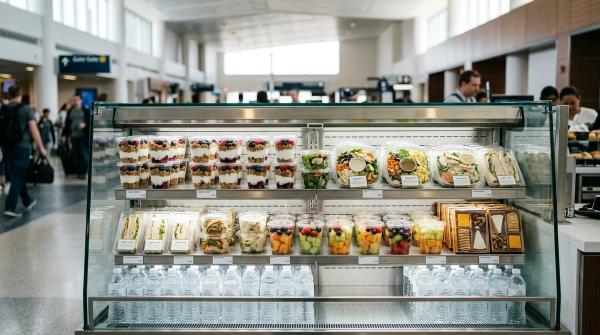
There's also more interest in low-waste dining, local grain revivals, and indigenous ingredient storytelling. Millet hasn't gone away as a trend. Fermentation is big. Tasting menus built around one state or one community's foodways are more common. Airport dining is even less terrible than it used to be, which sounds minor till you've had a competent regional meal before a delayed flight and felt your mood improve by 40 percent.
But despite all that shiny newness, etiquette still matters because restaurants aren't content factories. They're social spaces. How you sit, eat, ask questions, tip, and respond to hospitality affects the whole exchange.
Questions foreigners always seem too embarrassed to ask
#Can you ask for less spicy food? Yes.
Can you ask what everything in the thali is? Also yes, and you should. Staff are often busy, so maybe don't demand a TED Talk during a lunch rush, but a quick 'what's this?' while pointing is completely fine.
Can you leave food if you're full? Of course. Just try not to over-order or accept endless refills you don't want.
Can couples share one thali? Sometimes restaurants allow it, sometimes they don't, especially unlimited thali places. Ask first. A lot of places charge per person because the economics are built around that.
Do you have to tip in cash? Nope. But it can be useful.
Is it rude to eat slowly? Not at all, unless there's a huge queue and you're camping forever.
Should you photograph the food? Usually yes, briefly. India is one of the most photographed food destinations on earth at this point. Just don't shove a camera into staff faces or block the aisle doing thirty-seven takes of your papad. Have some shame, you know?
My actual advice if this is your first proper Indian food trip
#- Start with lunch thalis before diving into chaotic late-night feasts. Daytime meals are calmer and easier to understand.
- Carry cash, even if you plan to pay by card. It helps for tips and random situations.
- Learn three words: bas, thank you, and the local word for delicious if you can. People light up when you try.
- Don't compare every dish to what you eat at home. Butter chicken is not the ruler of Indian cuisine, sorry.
- Watch the table next to you. This is genuinely one of the best etiquette guides available.
And maybe the biggest one: let go of the idea of doing it perfectly. You won't. I didn't. I still don't, and I've been back multiple times. You'll pour too much sambar, rip the bread wrong, forget the right-hand rule for half a second, misunderstand the bill once, maybe twice. It's fine. What matters is showing respect and curiosity, not cosplay-level accuracy.
Last bite
#Indian restaurant etiquette isn't about memorizing rules so you can pass as local. That's impossible and also kind of missing the point. It's about noticing the generosity built into the meal, understanding when to accept it and when to politely say enough, knowing how tipping works well enough not to be weird about it, and being open to the pace and personality of the place you're in.
A thali, at its best, is not just lunch. It's geography, climate, community, habit, history, budget, and hospitality all crowded onto one metal tray. And when you're traveling, that's gold. Maybe ghee-slicked gold, but still.
Anyway, if you're heading to India soon, go hungry, wash your hands, check whether service charge is already on the bill, and don't be afraid of the refill guy until it's truly neccessary. He means well. Mostly.
If you like this kind of food-and-travel rambling, I've found myself wasting many happy evenings reading similar stories over at AllBlogs.in.