The hot afternoon that made me suspicious of every ice cube
#I learned to respect ice the hard way, which sounds dramatic because it’s literally frozen water, but anyone who has spent May in India knows ice is not just ice. It is survival. It is the difference between a sad, warm glass of nimbu pani and that sharp, cold, lemony slap that makes your soul come back into your body. I remember one brutal Delhi afternoon, years ago, standing near a juice stall with my cousin, both of us dusty and cranky and pretending we were not melting. We got two glasses of masala soda with big cloudy cubes floating in them. I drank mine like I had been lost in the desert. Tasted heavenly. Then that evening my stomach started doing classical dance, full performance, no interval. Was it the ice? The glass? The masala? Who knows. But after that, I became that annoying person who asks, “Where is the ice from?” even at family functions.
And look, I’m not here to scare you away from summer drinks. Please no. Indian summer without aam panna, bel ka sharbat, rose milk, jaljeera, chaas, kokum sherbet, thandai, sattu drink, and plain old nimbu pani is just punishment. But I do think we don’t talk enough about ice at home. We obsess over mango variety, black salt quality, roasted jeera, whether mint should be muddled or slapped, all that lovely foodie stuff. Then we pour random tap water into a tray that has been sitting open next to frozen fish and last month’s peas. Arre yaar. The ice deserves better.
First thing: freezing does not magically “clean” bad water
#This is the main thing I wish someone had told younger me. Freezing water makes it hard and cold, yes, but it does not reliably kill all the stuff that can make you sick. Many germs can survive freezing and wake up again when the ice melts in your drink. That sounds like a horror movie but it’s just basic food safety. Public health guidance around drinking water is pretty consistent on this: use water that is already safe to drink before you freeze it. If you would not drink that water straight, don’t make ice from it. Simple. Annoying sometimes, but simple.
At home, this means your ice is only as safe as your water source, your trays, your hands, and your freezer habits. I know, very unromantic. Nobody wants to think about handwashing while dreaming of kala khatta gola. But it matters. Especially in Indian summer, when power cuts happen, fridges get opened every seven minutes, and everyone is sweaty and grabbing cubes with fingers because the tongs disappeared in 2019. If you’re curious about the street side of this whole thing, I wrote down a lot of my thoughts while comparing gola ice and syrups in Is Street Baraf Ka Gola Safe in Indian Summer? Ice, Syrup and Hygiene Checks. Homemade ice gives you more control, which is why I trust it more, but only if we make it properly.
My safer-ice rule: start with water you’d happily serve to your fussiest auntie
#In my kitchen, the safest-feeling ice starts with drinking water that has already been filtered, boiled if needed, and cooled in a clean covered container. I say “if needed” because every home is different. Some people have RO plus UV systems, some use gravity filters, some boil municipal water, some get packaged drinking water, some have borewell water that needs extra care. I’m not going to pretend one answer fits all of India. It doesn’t. But the principle is boringly steady: make ice only from potable water.
When I’m unsure, I boil. Old habit. A proper rolling boil for about a minute is the common travel-health style advice for making water safer, and at high altitude it’s usually longer. Then I let it cool covered. Not open on the counter while onions are being chopped and someone is frying fish nearby. Covered. I used to leave boiled water open because, honestly, I’m impatient. Then my mother watched me once and said, “You boiled it only to collect the whole kitchen in it?” She was right, irritatingly. Mothers are like that.
My kitchen test is very basic: if I wouldn’t give the water to a child, an elderly guest, or myself after a long sweaty market trip, I don’t freeze it. Ice is not a shortcut. It’s just water wearing a fancy cold jacket.
The tray matters more than we admit
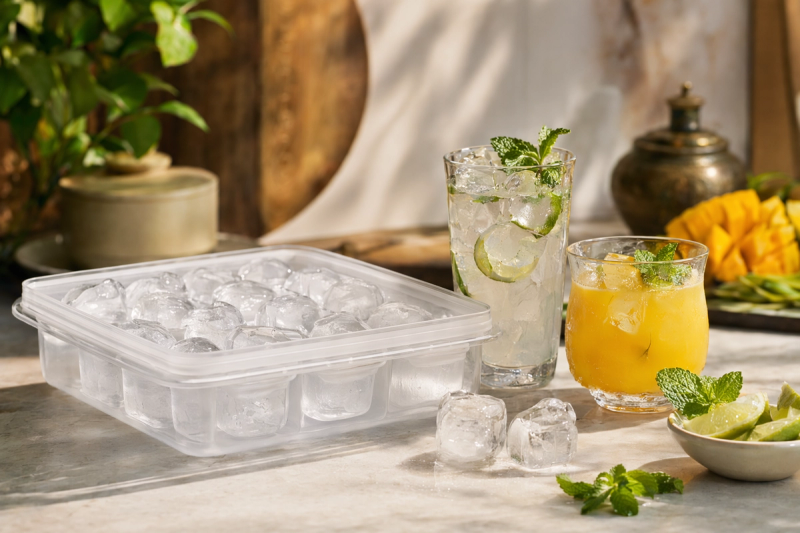
#I have strong feelings about ice trays. Maybe too strong. Those old cracked plastic trays with white scratches and mysterious freezer smell? Retire them. Please. Scratches can trap grime, and old plastic can hold smells like nobody’s business. I once made ice in a tray that had been sitting near frozen methi packets, and my lemon soda tasted faintly like bitter greens. Not cute. Food-grade silicone trays or good quality covered ice trays are much nicer, and covered ones are a blessing if your freezer is crowded with masala boxes, fish, prawns, ginger-garlic paste, and that one tub of leftover rajma nobody wants to throw.
Wash trays with hot water and dish soap before refilling, not just a lazy rinse. Dry them upside down on a clean rack if you can. If your tap water isn’t safe to drink, don’t rinse the clean tray with it at the end and then fill it with filtered water. I did that for years without thinking. Basically undoing my own effort, wah. Now I wash, rinse properly, sometimes do a final rinse with drinking water, and fill with a jug that is clean too. The jug is where people mess up. We make filtered water, then pour it from a bottle that has fingerprints, lipstick marks, and maybe a little yesterday’s lassi around the rim. Food safety is humbling.
Covered trays are not fancy, they’re practical
#If you make lots of Indian summer drinks, covered trays are worth it. They stop freezer smells from getting into the cubes, reduce random crumbs landing on the water, and make stacking less chaotic. My freezer is small and overdramatic, like many Indian freezers, so stackable trays save my sanity. I also keep one separate tray only for plain drinking ice. Flavoured cubes go in another tray. This avoids the terrible moment when your chaas gets a cube that tastes like rose syrup. Though maybe someone will call that fusion and charge 300 rupees for it in Bandra, who knows.
Hands, scoops, and the great Indian finger-grab problem
#Here is where I become unpopular at parties. Don’t grab ice with bare hands. I know everyone does it. I have done it. My brothers still do it and then act offended when I hand them tongs. But fingers touch phones, fridge handles, money, spice jars, door latches, pets, hair, everything. Then those fingers go into the ice box and every cube becomes a tiny group project. Keep a small clean scoop, spoon, or tongs near the freezer. Wash it. Dry it. Don’t let it sit in the sink under a kadhai.
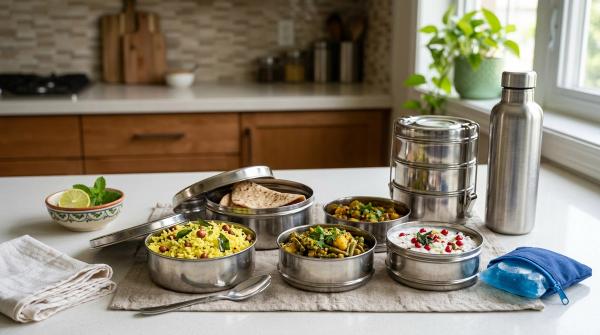
For gatherings, I like to make a bigger batch of ice and transfer it into a clean, covered steel dabba or food-safe freezer box. Then people can scoop from that instead of wrestling with trays. If you’re hosting a summer lunch, do this early in the morning before the kitchen turns into a furnace. I once hosted a mango lunch, very ambitious menu, aamras, puri, kachumber, masala chaas, and I forgot ice until guests arrived. I was twisting trays like a maniac while my friend calmly said, “We can drink room temperature water.” No, we cannot, Priya. Not in June.
My basic safer ice cube routine, the one I actually follow
#- I start with drinking water that I trust. Filtered water on normal days, boiled-and-cooled water if there is any doubt, especially during monsoon weirdness or after pipe repair work in the neighbourhood.
- I wash the ice trays with soap and hot water. If they smell even slightly freezer-ish, I soak them with warm water and a little baking soda, then wash again. Smell is information, okay.
- I fill trays from a clean jug or bottle, not directly from some random container. I try not to touch the inside of the tray or lid. Try, because I’m human and sometimes clumsy.
- I cover the tray and freeze it in the coldest stable part of the freezer, away from raw meat or fish packets. If your freezer has leaks, spills, or old mystery frost, clean it. Sorry.
- Once frozen, I either use the cubes within a week or shift them into a clean covered container. Ice can pick up smells over time, and old ice tastes flat and sad.
- I use tongs or a scoop. If someone uses fingers, I give them my aunty look. It works 60% of the time.
Cloudy ice, clear ice, and whether it really matters for safety
#People online get very intense about clear ice. They boil water twice, freeze it directionally in cooler boxes, cut it into perfect cocktail blocks, take photos with moody lighting. I admire this. I also do not have that level of patience on a Tuesday. Cloudy ice is usually about trapped air, minerals, and the way water freezes, not automatically a sign that it’s unsafe. Clear ice looks gorgeous in a tall glass of kokum soda, though. Very restaurant-y.
For safer everyday Indian summer drinks, I care more about water quality and handling than perfect clarity. That said, if your ice has visible particles, weird colours, oily film, or smells like freezer, throw it away. Don’t be brave. We Indians sometimes have this “waste not” instinct that is noble until it becomes stomach-risky. Bad ice can ruin an otherwise beautiful drink. And honestly, if you spent money on good Alphonso or fresh mint, why sabotage it with dodgy cubes?
Flavoured ice cubes: my favourite little summer trick
#Now we get to the fun part. Safer ice doesn’t have to be boring. Once your water and trays are sorted, you can make cubes that actually improve your drinks instead of diluting them into watery sadness. I love mint-lime cubes for nimbu pani, roasted jeera cubes for jaljeera, kokum concentrate cubes for soda, and tiny cubes of strong tea for iced masala chai. For aam panna, I freeze a little panna concentrate in trays and add those cubes to cold water. As they melt, the drink gets better, not weaker. This is the kind of kitchen jugaad that makes me feel like a genius, even though every grandmother probably did it before Instagram existed.
But safety rules still apply. Fresh herbs need washing well in safe water. Don’t put muddy mint straight into trays because it looks rustic. Citrus slices should be washed before cutting, especially if the peel goes in. If you’re freezing fruit puree, use clean equipment and don’t keep it forever. I aim to use flavoured cubes within a few days because herbs fade, fruit oxidizes, and freezer smells are sneaky. Also label the box. Once I mistook ginger-green chilli cubes for mint cubes and added them to rose lemonade. It was... memorable. Not good, but memorable.
Ideas I keep making all summer
#- Nimbu-mint cubes: lemon juice, mint, a pinch of sugar, and drinking water. Add to soda with black salt.
- Jaljeera cubes: concentrated jaljeera made with safe water, strained so the tray doesn’t get gritty. Great in chilled water after coming back from the bazaar.
- Kokum cubes: kokum syrup or concentrate diluted just enough to freeze. Drop into soda and pretend you are on a Goan balcony.
- Aam panna cubes: thick panna with roasted cumin and black salt. Dangerous because I eat them directly sometimes.
- Coffee or chai cubes: for iced coffee and iced chai so the drink stays strong. Not traditional maybe, but very useful when the heat is bullying you.
Ice for kids, elders, pregnant guests, and sensitive stomach people
#When I’m serving anyone with a sensitive stomach, kids, older relatives, pregnant guests, or someone recovering from illness, I become extra careful. Not paranoid, just careful. I use freshly made ice from boiled-and-cooled or very reliably filtered water, clean trays, and a clean scoop. I avoid street-style crushed ice unless I know exactly how it was made. Crushed ice has more surface area and is handled more, so it can get contaminated easier if things are messy. At home, if I need crushed ice for gola-style drinks or slushies, I crush my own cubes in a clean mixer jar or with a clean cloth and rolling pin. Loud, but satisfying.
Tourists and visitors often ask me if they should take ice in restaurants in India. The honest answer is, it depends. Good restaurants usually have systems, but you still look at the place, the water, the crowd, the general hygiene, and your own stomach situation. I have had excellent iced drinks in small cafes and questionable ones in fancy places, so price is not a magic shield. If you’re eating out and thinking about this stuff, Indian Restaurant Water & Ice Safety for Tourists goes deeper into what to check without becoming that person who panics at every glass.
The freezer is part of the recipe, sorry to say
#My freezer used to be a disaster zone. Frozen peas spilling like green hail, half a packet of curry leaves, fish wrapped in three bags but still smelling powerful, ice cream with crystals, and one steel box that nobody remembered opening. Then I wondered why my ice tasted odd. Obviously. Ice absorbs odours, especially when it sits uncovered. So now I do a freezer clean every few weeks in summer. Not a full spiritual rebirth, just basic wiping, checking old packets, and making sure raw items are sealed properly.
Power cuts are another Indian summer reality. If ice partly melts and refreezes, it can clump and may have gone through temperature abuse depending on how long the freezer was warm. For plain ice made from safe water, the main issue might be quality, but if dirty hands or containers got involved, I don’t take chances. If there is a long outage and the ice has melted into a puddle, I throw it. Painful, yes. But cheaper than spending the night regretting one glass of jaljeera.
My favourite safer summer drink formula
#This is my house formula when people arrive sweaty and dramatic, which is basically every guest from April to July. In a big jug, I mix cold drinking water, fresh lime juice, a little sugar syrup, black salt, roasted cumin powder, crushed mint, and sometimes a splash of soda right before serving. Then I add safer homemade ice, not too much at first because I don’t want it diluted. If I’m feeling fancy, I use mint-lime cubes. If mangoes are around, I put aam panna concentrate cubes in separate glasses and pour chilled water over them. People love watching the cubes melt into yellow-green swirls. Food is theatre, even in a normal kitchen with a noisy fan.
For chaas, I actually prefer fewer cubes. Too much ice can make buttermilk taste thin. I chill the curd and water first, then add one or two cubes per glass. For lassi, same thing. For sugarcane juice at home, if you’re lucky enough to make it or buy fresh and serve immediately, use clean ice sparingly because the juice is delicate and also spoils fast. For rose milk, I like big cubes because they melt slowly. For iced chai, chai cubes are the boss move. No watery nonsense.
A quick note on street drinks, because I still love them
#I’m not going to sit here and pretend I never drink street nimbu soda or gola. I do. I love that theatre of the vendor shaving ice, pouring neon syrup, sprinkling masala with the confidence of a magician. Some of my happiest food memories are roadside things eaten standing up: bhel near Chowpatty, kala khatta gola after school, masala chaas from a steel drum on a highway stop, ganne ka juice with ginger when the sun feels personal. But I choose more carefully now. I look at where the ice is stored, whether the vendor handles money and ice with the same hand, whether the syrup bottles are clean, whether glasses are washed in running water or one tired bucket. It’s not foolproof, but it helps.
At home, we can recreate the joy with less risk. Not the exact same vibe, because street food has that chaos-flavour, but close enough. Make crushed ice from safe cubes, pour kala khatta or khus syrup, add lemon, black salt, maybe chilli if you’re that person, and eat it before it melts. Kids go mad for it. Adults also, they just pretend they are making it for the kids.
Little mistakes I still make, and what I’m trying to do better
#I still overfill trays and spill water all over the freezer shelf. I still forget to refill ice after using the last batch. I still sometimes leave the scoop on the counter and then wonder if it’s clean. Real kitchens are not those spotless cooking videos where nobody drops coriander. But the small habits add up. Safe water. Clean tray. Covered freezing. Clean handling. Use ice before it gets old and smelly. That’s the whole game, basically.
Also, don’t make a huge batch of ice in a dirty old bucket for parties. I have seen this at weddings and house parties, and I get why people do it because guests drink like camels in summer, but please use food-safe containers and drinking water. If you’re buying ice, buy from a reliable source that makes edible ice from potable water, not industrial ice meant for cooling. Industrial ice can be made and handled differently, and it is not something you want bobbing around in your jaljeera. The words “edible ice” matter. Ask. It may feel awkward for two seconds, but then you get to enjoy the party without suspicious thoughts.
So, what should your summer ice setup look like?
#If I had to build a small summer ice station at home, I’d keep two or three covered trays, one clean freezer box for extra cubes, a small tong or scoop, and a dedicated bottle or jug for filling trays. That’s it. Nothing fancy. If your water supply is unpredictable, add a boiling-and-cooling routine. If you host often, make ice the night before. If you love drinks like I do, keep one tray for plain cubes and one for flavoured cubes. And please clean the freezer before it starts smelling like ancient coriander and frozen prawns.
The reward is huge. Cold nimbu pani that tastes bright and clean. Jaljeera that doesn’t make you second-guess your life choices. Aam panna that stays punchy till the last sip. Rose milk with slow melting cubes. Chaas that cools you without tasting like fridge. These are small luxuries, but Indian summer is survived through small luxuries. A cold glass handed to someone who just came in from the heat is practically love language.
Final sip, from my very overworked freezer
#Safer ice cubes are not glamorous, I know. Nobody claps when you wash an ice tray. But they make every summer drink better, cleaner, and more relaxed. And once the habit settles in, it doesn’t feel like extra work. It feels like part of the recipe, same as squeezing fresh lime or roasting cumin. Maybe that’s my big food lesson after years of drinking everything from five-star mocktails to street-side kala khatta: the invisible details matter. Water, hands, trays, storage. Boring things that protect the joyful things.
So this summer, make your nimbu pani loud with lemon, your jaljeera properly tangy, your aam panna smoky with roasted jeera, and your ice cubes a little more trustworthy. Your stomach will thank you, your drinks will taste nicer, and you can still be fully dramatic about the heat, because honestly, we deserve that. If you’re in the mood for more chatty food rabbit holes and Indian kitchen adventures, I keep finding fun reads on AllBlogs.in.