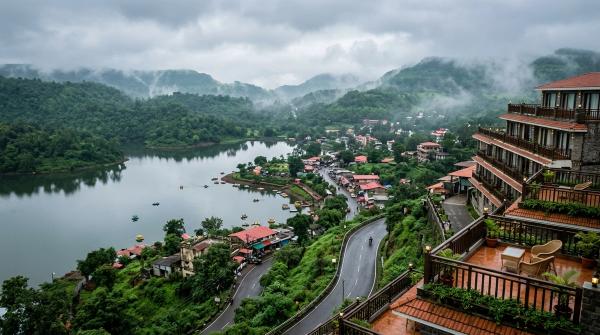
July in India is kinda dramatic, no? Half the country is drenched, trains are running with that classic monsoon mood, chai tastes better for some reason, and every WhatsApp group suddenly has one person asking, “hill station ya beach?” Honestly, July is not a bad month to travel at all, you just need to stop planning like it’s December. I’ve done enough monsoon trips now to know this very clearly: in July, destination matters more than budget sometimes. Some places become unreal beautiful, all green and misty and romantic and all that. Other places... well, you’ll spend most of the time drying socks and checking weather alerts. So this post is basically my very practical, slightly biased, very Indian list of the best places to visit in India in July if you want beauty, decent access, good food, and not too much regret.
Also, small thing before we start. I’m not doing that fake travel-blogger thing where every place is ‘hidden gem’ and every café is ‘must visit’. Nah. Some places are crowded. Some are expensive in season. Some are risky if rainfall gets intense. But they’re still worth it, if you go smart. That’s what this guide is for.
What makes a place good in July, actually?
#For me, a good July destination in India has at least one of these things going for it: either the monsoon makes it prettier, or the rains are lighter/manageable, or it’s in a rain-shadow region, or there’s enough infrastructure that your trip won’t collapse because of one landslide or roadblock. Latest travel pattern-wise too, more Indians are doing shorter 3 to 5 day trips now instead of mega vacations, so places with strong road connectivity, reliable stays, and decent local transport are winning big. You can see it in bookings everywhere, especially for hill areas, Western Ghats stays, Ladakh circuits, and quick Northeast escapes.
- If you love mist, waterfalls, green valleys: think Western Ghats and some Himalayan towns
- If you want less rain and more dramatic landscapes: Ladakh and Spiti side, though Spiti needs extra road caution
- If you want culture + food + weather that won’t fry your brain: Shillong, Udaipur, Mount Abu can work nicely
- If you’re travelling with family, look for places with airport/rail backup, not just one risky mountain road
And please, please check IMD weather updates and local district advisories before final booking. Monsoon travel has become a bit less predictable in recent years. Pretty? yes. Stable? not always.
1) Ladakh: the July trip that still feels unreal every single time
#If you ask me for one iconic July trip in India, I’ll still say Ladakh. Not because it’s trendy on Instagram, but because July is genuinely one of the best windows for it. Roads from Manali and Srinagar usually open seasonally around this broader period depending on conditions, flights to Leh run regularly, and the weather is way more travel-friendly than winter. Since Ladakh sits in a rain-shadow region, you don’t get that heavy monsoon chaos like many other parts of India. Dry mountains, impossible blue skies, cold winds, monasteries on cliffs... ya, it’s a lot.
The first time I landed in Leh in peak summer, I made the dumb mistake everyone warns you about. Went walking too fast on Day 1, climbed stairs, acted over-smart. Big error. Acclimatization is not optional there. Keep first day light, drink water, skip alcohol initially, and let your body adjust. Once that’s sorted, July is magic for places like Nubra Valley, Pangong Tso, Sham Valley, Khardung La side, and even Tso Moriri if your itinerary has buffer days.
Accommodation has expanded a lot. In Leh, decent guesthouses can start around ₹1,200–₹2,500 per night for budget rooms, mid-range hotels usually fall around ₹3,500–₹7,000, and nicer boutique stays can go much above that. Camps near Pangong and Nubra vary a lot by comfort and power backup, so read recent reviews carefully, not just old photos. Shared taxis are available on some routes, bike rentals are popular, but honestly if family is travelling, a local cab with an experienced driver is less headache. Safety-wise, Leh town is generally fine for tourists, but altitude sickness, overexertion, and road fatigue are the real concerns, not crime.
2) Valley of Flowers, Uttarakhand: not easy, not luxury, but wow
#Now this place... this one hits different in July. Valley of Flowers National Park usually starts coming alive beautifully around monsoon season, and if rainfall is balanced, the valley turns into this mad explosion of alpine flowers and green meadows that barely look real. But let me be honest, this is not a lazy trip. You’ll need proper planning, rain gear, decent fitness, and flexibility because weather in Uttarakhand can change fast.
The route usually goes via Govindghat, then Pulna, then trek to Ghangaria, and from there you visit Valley of Flowers and Hemkund Sahib if you’re doing both. Ghangaria stay options are simple, useful, and a bit overpriced in season, as expected. Budget rooms can start roughly ₹1,000–₹2,000, better hotel rooms around ₹2,500–₹5,000. Don’t expect luxury mountain pampering. Expect wet shoes, hot chai, basic food, and one of the most rewarding treks in the country. Also, because this region is landslide-prone in heavy monsoon spells, keep one or two buffer days. It’s the kind of place where patience is part of the trip.
Some trips give you comfort. Valley of Flowers gives you perspective. You walk in rain, complain a little, then suddenly the clouds open and everything is green and blooming and silent and you just shut up for once.
3) Munnar, Kerala: full monsoon mood, in the best way
#If your idea of a July holiday is rain-on-window, tea estates, hot pakoras, mist rolling over hills, then Munnar is such a solid pick. Kerala in monsoon is not for everyone, I get that. Clothes don’t dry, roads can be slippery, and your hair will basically give up. But Munnar in rain feels alive. The tea gardens become richer in colour, waterfalls get stronger, and the crowds are often lower than some winter periods except weekends and long holidays.
I’ve done Munnar both in dry weather and in monsoon, and weirdly I prefer the rainy version. There’s something about sitting in a hillside homestay with cardamom tea while the clouds swallow the road outside. Very filmy, little impractical, but lovely. Main attractions like Mattupetty Dam, Echo Point, Tea Museum, Top Station route, and Eravikulam side may depend on weather and visibility, so don’t lock your happiness to one viewpoint. The joy here is the atmosphere itself.
Stay options are huge now, from family-run homestays around ₹1,500–₹3,000 to mid-range resorts in the ₹4,000–₹8,000 range and fancy scenic properties much above that. Roads from Kochi are decent but during intense rain, expect slow driving. Book a place with valley views if possible, and ask if they have generator backup because power cuts do happen. Also btw, local Kerala meals in Munnar are underrated. Appam-stew, puttu-kadala, Kerala meals on banana leaf, fresh pepper chicken if you eat non-veg... proper comfort food in rainy weather.
4) Coorg, Karnataka: easy-ish monsoon escape for South India folks
#Coorg in July is lush to the point of showing off. Coffee estates dripping with rain, forest roads smelling amazing, little streams suddenly becoming proper waterfalls. From Bengaluru or Mysuru side, it’s one of those practical monsoon getaways that doesn’t need crazy planning. And that’s maybe why so many people keep going back. Me included.
Madikeri, Virajpet, Kushalnagar area all work depending on what you want. If you like viewpoints and town access, stay near Madikeri. If you want estate stays and slower vibes, go a bit deeper. Abbey Falls is fuller in monsoon, Raja’s Seat gets moody sunset-cloud scenes if luck is on your side, Dubare side is green, and the whole region just feels softer somehow. But yes, leeches can be a thing in some plantation/trek routes, don’t act shocked. Carry salt or spray if you’re heading into wetter trails.
Prices are all over the place. Basic stays around ₹1,500–₹2,500, nice homestays roughly ₹3,000–₹6,000, and larger plantation resorts ₹7,000 upward. A lot of newer travellers now prefer private cottages and workcation-style stays here, especially for long weekends. Safe for families overall, roads are manageable, but avoid aggressive late-night driving in the rain. And please try Coorg-style pork or pandi curry if that’s your thing. If not, even akki roti and local vegetarian meals are super satisfying.
5) Shillong and Cherrapunji side: rain, yes, but also one of the prettiest July circuits
#People hear ‘July’ and ‘Meghalaya’ and immediately think too much rain, impossible trip. Not exactly. It depends on your expectations. If you want bright sunshine and dry shoes, skip it. If you want clouds, waterfalls in full force, insanely green landscapes, and that moody Northeast beauty that sort of sneaks up on you, then Shillong with Sohra/Cherrapunji is brilliant. Actually one of my fav monsoon circuits in India, no joke.
Shillong city itself has enough cafés, local markets, music culture, and easy-going energy to make it more than just a base. Ward’s Lake, Police Bazaar for chaos and food, Laitlum if weather allows, and then day trips or short stays toward Cherrapunji, Dawki side, Mawlynnong, and the living root bridge region. Though for routes with trekking and village paths, rain can make things slippery and tiring. Don’t underestimate that.
Shillong hotel rates usually start around ₹1,800–₹3,000 for budget and decent guesthouses, mid-range around ₹3,500–₹7,000. Cherrapunji resorts with valley views can cost more, especially if they’re the photogenic types everyone shares online. Shared taxis exist on some routes, but for flexibility in rain, hiring a cab is honestly worth it. Food-wise, don’t just eat generic café pasta and call it a day. Try Khasi food if you can find a good local place. And carry cash in smaller towns, because network and payments can get patchy.
6) Udaipur: for people who want monsoon beauty without mountain-road stress
#Not everyone wants landslide updates and wet trekking shoes. Fair enough. If you want a romantic, relaxed July destination with heritage, food, and decent urban comfort, Udaipur is such a smart choice. Monsoon gives the lakes and surrounding hills a softer look, the city feels less punishing than peak summer, and the whole old-town vibe becomes weirdly dreamy after rain. White buildings, cloudy skies, chai by the lake... simple pleasures, yaar.
I like Udaipur in this season because it’s easy. Airport connectivity is good, roads are better than remote hill destinations, and there’s enough to do even if one half-day gets spoiled by rain. City Palace, Bagore Ki Haveli, Fateh Sagar, Lake Pichola boat rides depending on conditions, Sajjangarh/Monsoon Palace for views, and just walking around the old city lanes. Also, monsoon is when local people themselves seem to enjoy the city more. Less that dry heat exhaustion on everyone’s face.
Accommodation is available for every budget, genuinely. Backpacker hostels from ₹500–₹1,000 a bed, budget hotels around ₹1,500–₹3,000, good heritage stays from ₹4,000 upward, and luxury, well, Udaipur can go wild there. Safe city overall for tourists, but old city roads get slick in rain and traffic remains very Indian, meaning random. Food tip: go beyond rooftop views and eat proper Rajasthani thali, kachori, mirchi bada, and local sweets. Some of my best Udaipur memories are basically just eating while it drizzled outside.
7) Mount Abu: underrated July pick, especially for families
#A lot of people forget Mount Abu exists till someone in the family says, “Arre Rajasthan mein hill station bhi hai.” And honestly, for July, it works better than many assume. Cooler weather, green patches after rain, Nakki Lake looking lively, and the roads are generally easier than deeper Himalayan routes. It’s a pretty practical monsoon destination if you’re coming from Gujarat, Rajasthan, or even Delhi side with rail plus road.
It’s not the kind of place that will blow your mind with scale. It’s gentler than that. Dilwara Temples are stunning if you care even a little bit about architecture, Guru Shikhar gives nice views when clouds cooperate, and sunset points become a whole family event in season. The market area is touristy, yes, but that’s part of the charm sometimes. Corn, pakoras, roadside tea, mildly chaotic pony rides... very desi holiday energy.
Budget stays start around ₹1,200–₹2,000, decent hotels ₹2,500–₹5,000, better resorts higher. Because it’s a known family destination, rooms fill up on weekends and school breaks, so don’t leave booking too late. Safety is generally fine, just watch out for slippery steps and overenthusiastic local sightseeing packages trying to cram too much in one day.
8) Goa in July: yes, I said Goa, and no, not for beach-party reasons
#This one divides people. Some say Goa only in winter. I totally disagree. Goa in July is gorgeous if you go for the rain, not the rave. The sea is rough so don’t expect classic swimming and all beach shacks functioning like peak season. But the green countryside, quieter roads, dramatic skies, river cruises, Portuguese houses, cafés with rain beating down on the roof, spice plantations, waterfalls nearby after good rainfall... it’s a whole different Goa. Softer, less performative.
South Goa feels especially lovely in monsoon if you just want slow days. North Goa still has enough cafés and stay options open, but the energy is less full-throttle than New Year season obviously. Stay prices are often better too. Guesthouses can start around ₹1,500–₹2,500, boutique stays around ₹3,500–₹8,000, villas and premium resorts much more. Check if the property is monsoon-ready though. Damp rooms, poor drainage, and mosquito issues are very real if the place is badly maintained.
Latest trend-wise, monsoon Goa has become popular for remote workers, couples, and repeat travellers who’ve already done the party version. Safety is decent in main tourist belts, but don’t go near rough sea zones for selfies and nonsense. Every year people underestimate the monsoon sea and it’s just not worth it.
A few places I love, but would tell you to think twice about in July
#Okay so this part matters. There are some very beautiful places that are technically open in July but I would only recommend if you’re okay with uncertainty. Himachal during peak monsoon can be risky on certain routes because of landslides and road closures, especially around Kullu-Manali stretches depending on rainfall intensity. Parts of Uttarakhand too need caution for the same reason. Spiti can be amazing but road conditions, long drives, and sudden disruptions make it better for travellers with experience and extra time. Kashmir is beautiful in summer, yes, but July is not exactly the top sweet spot compared to spring or early autumn in my opinion, though still very doable.
- Avoid overpacked itineraries in monsoon mountain states
- Keep one buffer day if road travel is involved
- Morning departures are usually safer than late-evening hill drives
- Read recent reviews of hotels for dampness, power backup, and road access
- Don’t trust old Instagram reels more than current local advisories... seriously
What I’d personally pack for a July trip in India
#This sounds boring till you forget one key thing and suffer for 3 days. I’ve done that enough times lol. My monsoon packing is less about fashion, more about sanity. Quick-dry clothes, one light fleece for hill places, proper rain cover for backpack, zip pouches for chargers, waterproof footwear plus one backup pair, basic medicines, and a power bank. If you’re going to Ladakh, add sunscreen, lip balm, and layered clothing because dry cold is a different beast. For wet places like Kerala, Coorg, Meghalaya, put extra focus on drying-friendly clothes and anti-fungal powder. Glamour can wait.
And if you’re travelling by train in monsoon, keep one full spare outfit in a separate plastic pouch. Learned that the hard way after one chai spill plus window rain combo. Horrible occassion, honestly.
So... which place should you pick?
#If you want one clean answer, here you go. Pick Ladakh for dramatic landscapes and low-rain travel. Pick Valley of Flowers if you want a once-a-year kind of monsoon trek and you’re fit enough. Pick Munnar or Coorg if you want pure rainy-season beauty with easy comfort. Pick Shillong-Cherrapunji if you love clouds and don’t mind getting wet. Pick Udaipur or Mount Abu if you want monsoon charm without too much travel stress. Pick Goa if you’ve already seen party Goa and want the greener, quieter version.
July travel in India is not about chasing perfect weather. That’s the thing. It’s about choosing the right mood. Mist or mountains. Tea gardens or monasteries. Waterfalls or old-city cafés. And once you stop fighting the season, some of these places feel way more memorable than the usual peak-season trips. A little messy, a little damp, sometimes delayed, but worth it. Very worth it.
Anyway, that’s my honest list after enough monsoon planning, re-planning, cancellations, wow moments, over-priced tea stops, and some truly terrible rain jackets. If you’re building your own July travel shortlist for 2026, start with these and check the latest local updates before locking anything. And if you like this kind of practical, personal travel writing, go browse AllBlogs.in too — found some pretty useful reads there when I was comparing routes and stay options.