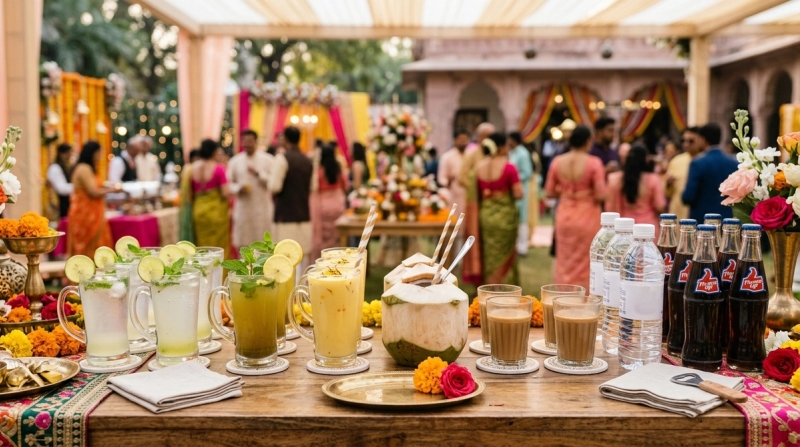
Indian weddings are basically food festivals with jewellery, flowers, music, and at least five relatives asking, “Beta, khaana khaaya?”
You arrive at the venue, the dhol is already doing its job, someone is fixing a dupatta nearby, and before you’ve even spotted the bride or groom’s family, a server appears with a tray of chilled, colourful drinks.
Rose milk. Jaljeera. Aam panna. Fresh lime soda. Mint mocktails. Lassi. Cold coffee. Some electric-blue drink with a cherry that nobody can fully explain.
And honestly, after a long drive, a flight, or a sweaty baraat, that cold glass can feel like a small miracle.
But welcome drinks at Indian weddings deserve a little common sense, especially if you’re travelling, visiting from abroad, attending during peak summer or monsoon, or you have the kind of stomach that likes to make its opinions known.
Most of the time, the drink itself isn’t the problem. The real questions are:
Was the water safe?Was the ice clean?Has the dairy been sitting out?Was the fruit cut hours ago?Is that dispenser actually clean?
Here’s a practical, guest-friendly guide to choosing Indian wedding welcome drinks without overthinking every sip.
Quick Answer: Safest Indian Wedding Welcome Drinks
#At most Indian weddings, the safer welcome drink choices are usually:
- Sealed bottled water, if the seal is intact
- Canned or factory-sealed drinks
- Hot tea, coffee, kahwa, or other freshly served hot drinks
- Fresh lime soda made in front of you with bottled or safe water, preferably without ice
- Tender coconut water, only if the coconut is opened in front of you
Be more careful with:
- Pre-poured dairy drinks
- Open mocktail bowls
- Drinks loaded with ice
- Cut-fruit garnishes
- Large dispensers that look sticky, cloudy, or neglected
In summer, be extra careful with dairy and fresh juices.In monsoon, be extra careful with water, ice, cut fruit, and open drinks.
Why Welcome Drinks Need a Little Caution
#A wedding welcome counter is busy by nature. Guests are arriving in waves. Servers are rushing. Drinks may be poured ahead of time. Ice may be added in big batches. Garnishes may have been cut much earlier. Dairy drinks may start cold but warm up quickly near the entrance.
This does not mean you need to panic and refuse everything. Please don’t stare suspiciously at every glass of nimbu pani like it has personally betrayed you.
It simply means you should choose with a little awareness.
This matters more if:
- You’ve travelled from another city or country
- Your stomach isn’t used to local water
- You have a long wedding schedule ahead
- You’re attending during peak summer
- You’re attending during the rainy season
- You’ve had travel-related stomach trouble before
Indian wedding drink safety is mostly about small checks. Once you know what to look for, it becomes easy.
What to Sip, Skip, and Check
#Here’s the simple guest checklist.
What to Sip
#Hot Tea or Coffee
#Masala chai, filter coffee, hot kahwa, or plain hot coffee are usually safer choices because they’re served hot and often made fresh.
Also, at a rainy wedding, a hot chai counter is never a bad idea.
Sealed Bottled Water
#Check the seal before drinking. If the cap looks loose, already opened, or odd in any way, just take another bottle. No need to make a scene.
Canned or Sealed Commercial Drinks
#Canned sodas, sealed sparkling water, boxed juices, and factory-sealed beverages are good options when you want something cold but predictable.
Fresh Lime Soda Made to Order
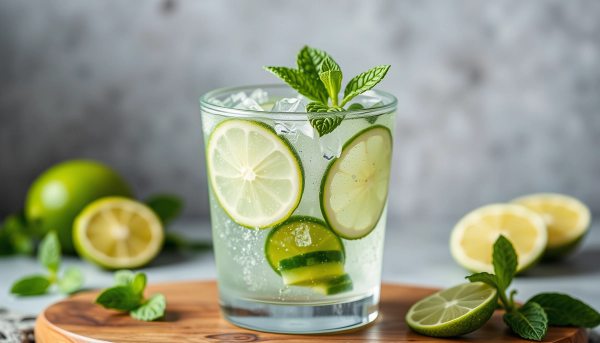
#Fresh lime soda can be a great choice if it’s made in front of you with bottled soda or safe water.
If you’re unsure about the ice, just say, “No ice, please.”
Tender Coconut Water, With One Condition
#Tender coconut water is lovely, but only if the coconut is opened in front of you.
Avoid coconut water that has already been poured into glasses or jugs. Once it’s sitting around, it becomes a different story.
What to Skip
#Pre-Poured Lassi, Milkshakes, or Cold Coffee
#Dairy drinks are wonderful when they’re fresh and properly chilled. But if they’ve been sitting on trays in warm weather, it’s better to skip them.
Fresh and cold is good.“Mystery time near the entrance” is not.
Open Punch Bowls and Large Mocktail Dispensers
#These can contain water, ice, fruit, herbs, syrup, and a lot of optimism.
If you don’t know how long the drink has been sitting there, or the dispenser looks tired, move on.
Drinks With Lots of Crushed Ice
#Crushed ice melts quickly and has more surface contact. If you don’t know where the ice came from, avoid it.
A simple “without ice, please” solves most of the problem.
Cut-Fruit Garnishes
#Lemon slices, orange wedges, watermelon cubes, apple pieces, and mint sprigs look beautiful. But if they were cut much earlier and left exposed, they can be risky.
Pretty doesn’t always mean safe.
Tap-Water Based Drinks When the Source Is Unclear
#Jaljeera, aam panna, nimbu pani, and similar drinks can be excellent when prepared safely.
But if you can’t tell what water was used, be cautious.
What to Check
#Is the Tray Moving Fast?
#A tray being refilled often is better than one sitting untouched in a corner.
Does the Glass Look Clean and Dry?
#Wet glassware from a hurried rinse is not very reassuring. If possible, choose a clean, dry glass.
Is the Drink Properly Cold or Properly Hot?
#Cold drinks should actually be cold. Hot drinks should actually be hot.
Lukewarm dairy is a bad sign.
Does It Smell Normal?
#If lassi, chaas, cold coffee, or milkshake smells overly sour, fermented, or just “off,” don’t drink it.
Trust your nose. It has helped humanity survive for a long time.
Is the Counter Clean?
#Sticky taps, flies, cloudy dispensers, and spilled drink around the serving area are signs to politely choose something else.
The Big Four: Ice, Dairy, Cut Fruit, and Dispensers
#These four things usually decide whether a wedding welcome drink is a delight or a gamble.
Ice: The Easiest Thing to Avoid
#Ice is one of the biggest question marks at large events.
At good venues, it may be made from filtered water and handled properly. In other settings, bulk ice may be transported, stored, or chipped in ways you can’t see.
As a guest, you don’t need to investigate the whole catering setup. Just follow one easy rule:
When unsure, ask for no ice.
This is especially useful for foreign visitors, NRIs, and outstation guests who may not be used to local water.
Safer choices include:
- Sealed chilled water
- Canned drinks
- Hot beverages
- Freshly made drinks without ice
Be extra careful with crushed ice, open ice buckets, and drinks already full of melting ice.
Dairy: Delicious, but Temperature-Sensitive
#Lassi, chaas, rose milk, thandai-style drinks, milkshakes, and cold coffee are wedding favourites. They can be fantastic when made fresh, kept chilled, and served quickly.
The trouble starts when dairy drinks are poured too early and carried around in warm spaces.
Be cautious if:
- The drink feels lukewarm
- The glass has been sitting on a tray for a long time
- The smell is unusually sour
- The texture looks split or grainy
- The taste feels fizzy when it shouldn’t
If you really want a dairy drink, choose one from a live counter where it’s made fresh or poured from a properly chilled container.
Take a small sip first. If anything feels wrong, leave it.
No wedding drink is worth suffering for out of politeness. Truly.
Cut Fruit: Pretty, but Not Always Worth It
#Fruit garnishes make drinks look festive. A watermelon wedge on a summer mocktail, lemon wheels in nimbu pani, apple cubes floating in punch — all very nice for photos.
But once fruit is cut, it needs careful handling. It should not sit exposed for long, especially in warm or humid weather.
Be careful with:
- Fruit floating in open punch
- Lemon slices kept in bowls at the counter
- Pre-cut watermelon, melon, or apple garnishes
- Mint leaves sitting wet in open containers
- Fruit pieces added to drinks before serving
If you want fruit, whole fruit is usually safer than pre-cut fruit.
For drinks, it’s completely fine to ask for no garnish.
Dispenser Hygiene: Look Before You Pour
#Large glass or acrylic dispensers are common at modern Indian weddings. They look stylish, photograph well, and make service easier.
But they also need proper cleaning and careful handling.
Before taking a drink from a dispenser, check:
- Does the liquid look fresh?
- Is the tap area clean?
- Are there flies around it?
- Is the counter sticky?
- Is fruit floating inside?
- Does it look freshly refilled or like it has been sitting for hours?
If the dispenser looks cloudy, the spout is sticky, or the area smells stale, skip it.
There will always be another drink.
Summer and Monsoon Wedding Drink Cautions
#Weather changes everything.
A drink that feels perfectly fine inside an air-conditioned banquet hall may not be the best idea at an outdoor afternoon function.
Summer Wedding Drinks: Watch Dairy, Juices, and Ice
#Summer weddings are when welcome drinks look the most tempting. Everyone is hot, thirsty, dressed too heavily, and pretending not to sweat.
But heat makes safe handling more important.
Be more cautious with:
- Lassi
- Chaas
- Rose milk
- Milkshakes
- Cold coffee
- Fresh fruit juices
- Coconut water poured in advance
- Mocktails with crushed ice
- Drinks sitting at outdoor counters
Better summer choices include:
- Sealed chilled water
- Canned soda or sparkling water
- Fresh lime soda without ice
- Hot tea or coffee, if you’re comfortable with it
- Tender coconut opened fresh in front of you
If you’re very thirsty when you arrive, drink sealed water first. Once you’re hydrated, you’ll make better choices.
Extreme thirst can make every suspicious pink drink look like a gift from heaven.
Monsoon Wedding Drinks: Be Careful With Water and Exposed Items
#Monsoon weddings have their own charm. The air is cooler, the lights look softer, and suddenly a hot chai counter feels like the smartest decision ever made.
But rainy weather also makes hygiene checks more important. Water, wet surfaces, open drinks, and exposed fruit need extra caution.
During monsoon weddings, be careful with:
- Open nimbu pani
- Jaljeera from large containers
- Aam panna if the water source is unclear
- Ice-heavy mocktails
- Cut-fruit punches
- Wet garnishes
- Dispensers near open or damp areas
Safer monsoon choices include:
- Masala chai
- Filter coffee
- Hot kahwa
- Sealed bottled water
- Canned drinks
- Freshly made drinks without ice
For monsoon wedding food safety, this rule helps:
Choose hot, sealed, or freshly made in front of you.
A Practical Drink-by-Drink Guide
#Here’s how to think about common Indian wedding welcome drinks.
Nimbu Pani
#Lovely when made fresh with safe water. Riskier when pre-mixed in a large container or served with lots of ice.
Best choice: made to order, no ice, safe water.
Fresh Lime Soda
#A good option if made in front of you with bottled soda. Skip ice and wet lemon garnish if unsure.
Best choice: fresh, fizzy, no ice.
Jaljeera
#Tasty and refreshing, but often water-based and served from bulk containers. If you don’t know the water source, be careful.
Best choice: from a clean live counter using safe water.
Aam Panna
#Can be safe if prepared hygienically and chilled properly. Avoid it if it’s sitting in an open dispenser or served with melting ice.
Best choice: freshly served from a clean, chilled setup.
Lassi
#Great when fresh and cold. Risky when pre-poured, lukewarm, or kept out too long.
Best choice: fresh from a chilled counter, no added ice if unsure.
Chaas
#Similar to lassi. It should taste fresh, light, and pleasantly tangy — not overly sour or fizzy.
Best choice: freshly poured and properly chilled.
Cold Coffee
#Skip it if it’s pre-poured and sitting around. Dairy plus heat plus time is not a great combination.
Best choice: made fresh at a live counter.
Rose Milk or Thandai-Style Drinks
#These are festive but dairy-based. Treat them like lassi. Fresh and chilled is fine. Glasses waiting on trays are less exciting.
Best choice: freshly poured from a chilled container.
Mocktails
#Mocktails vary a lot. Some are mostly bottled soda and syrup. Others are full of ice, cut fruit, herbs, and mixed water.
Best choice: made in front of you, no ice, no cut-fruit garnish.
Tender Coconut Water
#Excellent when the coconut is opened in front of you. Avoid coconut water poured earlier into jugs or glasses.
Best choice: fresh coconut, opened on the spot.
Host Tips for Safer Welcome Counters
#If you’re hosting the wedding, safer welcome drinks don’t have to be boring. In fact, the safest counters often feel more premium because they’re fresh, clean, and thoughtfully managed.
1. Keep Sealed Options Visible
#Offer sealed bottled water, canned drinks, or sealed commercial beverages alongside traditional options.
This is especially helpful for:
- Outstation guests
- NRIs
- Foreign visitors
- Elderly guests
- Children
- Anyone with a sensitive stomach
Don’t hide bottled water at the back. Make it easy to pick up.
2. Choose Live Counters Over Pre-Poured Trays
#Instead of pouring 100 glasses in advance, set up live stations where drinks are made or poured as guests arrive.
This works well for:
- Fresh lime soda
- Masala chai
- Filter coffee
- Kahwa
- Tender coconut
- Chaas from a chilled container
- Simple mocktails made without pre-cut fruit
Live counters also feel more interactive and festive.
3. Be Strict About Water and Ice
#Speak clearly with the caterer about water and ice. Ask what water is used for drinks and where the ice comes from.
For welcome drink hygiene, make sure:
- Drinking water is safe and filtered
- Ice is food-grade
- Ice is stored covered
- Staff use scoops or tongs, not bare hands
- Ice buckets are not placed on the floor
If you can’t control the ice quality, design the menu around no-ice drinks. It’s much easier than dealing with complaints later.
4. Limit Cut-Fruit Garnishes
#Garnishes look beautiful, but they’re not always necessary.
You can create attractive drinks with:
- Clean glassware
- Fresh herbs handled properly
- Colourful syrups
- Sealed bottles
- Elegant serving trays
- Pretty signage
If using fruit garnishes, ask the caterer to cut them in small batches and keep them covered.
5. Match the Drinks to the Weather
#For summer weddings, focus on hydration and freshness. Keep dairy limited, chilled, and served quickly.
For monsoon weddings, consider hot welcome drinks. A live cutting-chai stall, filter coffee counter, or kahwa station can feel warm, local, and memorable.
Guests rarely complain when the drink is simple but safe. They do remember when hospitality feels thoughtful.
6. Keep an Eye on the Counter During the Event
#Assign someone from the planning team or family side to quietly check the welcome counter.
They should look for:
- Sealed water bottles being restocked
- Dirty glasses being cleared
- Spills being wiped
- Flies around open drinks
- Dairy drinks sitting too long
- Ice being handled properly
- Staff using clean serving tools
This isn’t about being fussy. It’s basic hospitality.
A Polite Way to Refuse a Risky Drink
#Indian weddings run on love, enthusiasm, and someone saying, “Arre, just have one.”
If a host, relative, or server offers you a drink you’re unsure about, you don’t need to explain ice hygiene in detail.
Keep it simple.
Try:
- “Thank you, I’ll take water first.”
- “I’m avoiding cold drinks today.”
- “I’ll have chai in a bit.”
- “This looks lovely, I’ll take one later.”
- “My stomach is a little sensitive while travelling.”
You can also accept the glass, hold it for a few minutes, and leave it aside discreetly.
Being polite matters. So does not ruining your next morning.
Final Takeaway
#Indian wedding welcome drinks are part of the joy of the celebration. You don’t need to avoid them completely. Just choose the ones with fewer question marks.
Sip hot, sealed, or freshly made drinks.
Skip pre-poured dairy, open punches, heavy ice, and cut-fruit garnishes when hygiene is unclear.
Check the glass, the counter, the smell, and the serving setup.
A little caution at the welcome counter can help you enjoy the rest of the wedding — from the starters to the pheras to the late-night dessert table.
Are Indian Wedding Welcome Drinks Safe for Foreign Guests?
#Many are safe, especially sealed bottled water, canned drinks, and freshly served hot beverages. Foreign guests should be more cautious with ice, tap-water based drinks, cut fruit, and pre-poured dairy drinks because their stomachs may not be used to local water and handling conditions.
Is Lassi Safe at an Indian Summer Wedding?
#Lassi can be safe if it is fresh, properly chilled, and served quickly. Avoid lassi that has been sitting on trays, feels lukewarm, smells too sour, looks split, or tastes fizzy when it should not. If unsure, choose sealed water or a hot drink instead.
Should I Avoid Ice at Indian Weddings?
#If you do not know the ice source, avoiding ice is a smart choice. This is especially true for outstation guests, NRIs, and foreign visitors. Ask for drinks without ice, or choose sealed and hot beverages.
What Are the Safest Drinks During a Monsoon Wedding?
#During monsoon weddings, safer choices include masala chai, coffee, kahwa, sealed bottled water, canned drinks, and freshly made no-ice drinks. Be careful with open dispensers, cut-fruit mocktails, jaljeera, nimbu pani, and drinks where the water source is unclear.
What Should Hosts Serve as Safer Wedding Welcome Drinks in India?
#Hosts can offer sealed bottled water, canned drinks, live fresh lime soda counters, hot chai or coffee stations, tender coconut opened fresh, and dairy drinks only if they are kept chilled and served quickly. Clean counters, safe water, food-grade ice, and minimal cut fruit make a big difference.