The beach picnic I still think about, for slightly embarrassing reasons
#I learned beach food safety the way most stubborn food people learn things: by getting a little too confident, packing a beautiful lunch, and then watching the sun turn it into a science experiment. It was years ago on a hot strip of coast in southern Spain, the kind of day where the sand squeaks under your feet and everyone smells faintly like sunscreen, salt, and fried seafood. I had packed tortilla española, sliced melon, olives, a little goat cheese, some leftover grilled chicken, and this gorgeous tomato salad I was stupidly proud of. Very Mediterranean, very “look at me, I travel with taste.” Except I packed it like a fool. One tiny cooler bag, not enough ice, cheese sitting near the zipper, chicken in a container that wasn’t sealed right. By noon, the melon was sweating, the cheese had gone glossy, and the chicken smelled... not rotten exactly, but like it had opinions.
So yeah, this post is about beach day food safety, but not in that cold clipboard way. I love beach food. I love eating with sandy fingers, I love buying grilled sardines from a shack in Portugal, I love a cooler full of crunchy fruit and cold drinks, and I absolutely believe a good beach lunch can make a trip feel like a tiny holiday even if you’re only 40 minutes from home. But the beach is basically the worst restaurant kitchen ever: blazing heat, no sink, wind throwing sand into everything, kids opening the cooler every 6 minutes, and someone always forgets the spoon. Always.
Pack like you’re feeding hungry travelers, not hosting a buffet on the sun
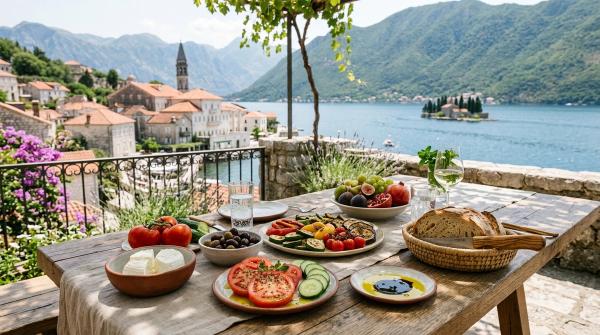
#The biggest shift for me was realizing that beach food doesn’t need to be fancy. It needs to be smart. There’s a difference. When I’m traveling, I want local flavor in the bag, sure, but I also want food that can survive a bit of chaos. In Hawaii, I’ve packed spam musubi and pineapple wedges, but the musubi stayed buried deep in the cooler. In Greece, I’ve taken feta, cucumbers, and bread to the beach, but the feta was in a tight container with ice packs around it, not lounging on a towel like it paid rent. In Goa, where the beach shacks do fish curry and prawn recheado better than I ever could, I honestly skip packing seafood and buy it fresh and hot instead. That’s not laziness. That’s wisdom, or at least that’s what I tell myself.
The official food safety guidance from groups like the USDA and FDA is pretty consistent: perishable food shouldn’t sit out more than 2 hours, and when it’s hot out, around 90°F or 32°C and above, that window drops to about 1 hour. The beach hits that pretty fast, especially when food is sitting in direct sun or in a bag on hot sand. And I know, nobody wants to be the person staring at a watch while everyone is eating chips. But trust me, after one beach trip where you have to throw away half a picnic, you get real friendly with time limits.
- Pack foods in smaller containers so you only open what you’ll actually eat right then, not the whole treasure chest of snacks.
- Use a real cooler if you can, not one of those cute floppy totes that looks nice in photos but gives up after 45 minutes.
- Put drinks in a seperate cooler if you’re with a group, because the drink cooler gets opened constantly and the food cooler should not suffer for everyone’s sparkling water addiction.
- Bring more ice packs than feels reasonable. Then add one more. I’m not joking.
Chill: the part everyone says they’ll do, then kinda doesn’t
#I have become extremely boring about cooler packing, and honestly, it has improved my life. I chill food overnight before packing it. I freeze water bottles and use them as ice blocks. I put the coldest, riskiest stuff at the bottom, because cold air sinks and also because nobody needs to paw through the chicken to find grapes. I keep the cooler in the shade, wrapped in a towel if there’s no real shade. If we’re driving, it goes in the air-conditioned car, not the trunk, which can get weirdly hot even before the day properly starts.
And yes, this sounds like a lot. But if you travel for food, you already know food is about care. The same way you’d wait in line for a perfect lobster roll in Maine or walk twenty minutes uphill for the bakery everyone in Lisbon swears by, you can take three extra minutes to pack the cooler right. It’s all part of the ritual. I actually like that little morning moment now: coffee on the counter, beach towels rolled by the door, grapes washed and dried, ice packs clicking into place. It feels like the start of a trip.
If you’re packing in serious heat, it helps to think through what stays cool, what stays dry, and what stays light. I’ve written down my own little rules over the years, but this guide on Hot-Weather Lunch Packing Mistakes: What to Keep Cool, Dry, and Light gets into the broader hot-weather lunch stuff in a way that’s useful beyond the beach, especially if you’re doing road trips, hikes, or long travel days where lunch sits around longer than you planned.
My basic cooler map, because yes I’m that person now
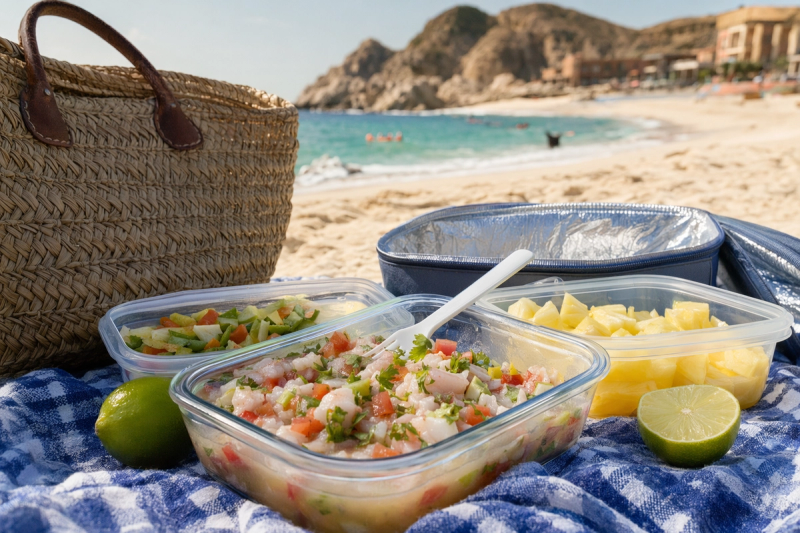
#At the bottom: frozen water bottles, ice packs, and the things I absolutely do not want warming up, like cooked meats, pasta salad, cheese, dips, yogurt, and cut fruit. Middle layer: sandwiches, wraps, hard-boiled eggs if I’m bringing them, and little containers of pickles or olives. Top layer: stuff we’ll eat first or things that are only mildly fussy, like berries, cold noodles, or a container of salsa. Outside the cooler: chips, crackers, whole fruit, nuts, cookies, bread, napkins, and the emergency chocolate that will melt anyway because I never learn.
One thing I don’t do anymore is pack a giant bowl of anything creamy. No big tub of potato salad. No huge pasta salad unless it’s staying properly chilled and getting eaten early. I love pasta salad deeply, especially the Italian beach-town kind with tuna, olives, cherry tomatoes, and herbs, but cooked pasta is still a prepared food that needs respect once it’s out of the fridge. If you’re the kind of person who brings leftover noodles or pasta salad to the shore, this is worth reading: How Long Can Cooked Pasta Stay Outside? Safety Rules. It’s not glamorous, but neither is food poisoning in a rental bathroom with bad water pressure.
The beach foods I pack again and again
#My best beach lunches are usually built around texture. Crunchy, salty, juicy, cold. That’s the magic formula. You want food that tastes good even when your hands are a little sandy and the wind is trying to steal your napkins. A perfect peach eaten over the water? Better than many plated desserts I’ve paid too much for. A cold cucumber with lime and chili salt? Honestly elite. A simple baguette with good butter and radishes, eaten under a striped umbrella somewhere in Brittany, is one of those meals that sounds plain until you remember it for the rest of your life.
When I’m near a market before a beach day, I shop like a traveler rather than a meal prep robot. In Mexico, I want mango with chili, jicama, and maybe tortas if I can keep them cold and eat them quickly. In Japan, I’d take onigiri from a convenience store, but I’d still be mindful about fillings like tuna mayo or salmon if they’re going to sit out. In coastal Italy, I’m happy with focaccia, whole fruit, and a cold bean salad tucked into the cooler. In the American South, pimento cheese is tempting, and I love it, but it’s a cooler food, not a “leave it on the towel while we swim for an hour” food.
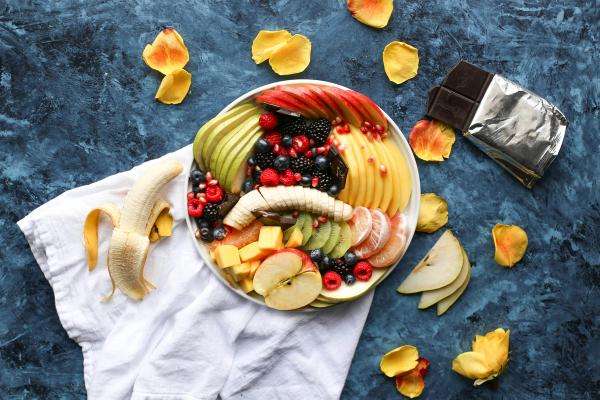
- Whole fruits: oranges, apples, bananas, peaches if you’re brave, and watermelon only if it’s cut and chilled properly.
- Crunchy veg: carrots, cucumbers, radishes, snap peas, celery, bell peppers. They hold up better than sad lettuce.
- Salty little things: olives, pickles, roasted chickpeas, pretzels, seaweed snacks, nuts.
- Simple carbs: focaccia, pita, crackers, baguette, tortillas, rice balls, sturdy wraps.
- Protein that behaves: canned fish opened when you eat it, peanut butter, shelf-stable salami if it’s truly shelf-stable, and chilled cooked foods only if you can keep them cold.
Dips, spreads, and the hummus problem
#Beach dips are where people get a little dreamy and dangerous. I get it. A snack board on the sand feels luxurious. Hummus, tzatziki, guacamole, baba ghanoush, whipped feta, salsa, little crackers, maybe grapes. It’s giving “sunset in the Cyclades” even if you’re actually sitting beside a municipal parking lot with seagulls yelling at a toddler. But dips are also opened, scooped, double-dipped, warmed, and forgotten. They don’t get easier to manage as the day goes on.
My rule is mini containers. Not one big tub. I pack two or three small portions and open one at a time. Whatever comes out of the cooler gets eaten, then it’s done. No heroic returning of warm hummus back to the cold zone like nothing happened. Hummus especially is one of those foods people treat as casual because it feels healthy and plant-based, but it still needs safe timing once it’s outside the cooler. If that’s your go-to beach snack, this breakdown on Can Hummus Stay Outside? Safe Timing and Storage Rules is genuinely handy.
Also, and this is maybe controversial, I think guacamole is often a bad beach food unless you’re eating it immediately. It browns, it gets warm, it attracts every chip in a five-foot radius, and somebody always leaves the lid off. I love guac. I worship avocado in basically all forms. But on the beach? Give me salsa in a tiny jar and a cold lime seltzer and I’m happier.
Skip: foods that just don’t deserve a beach invite
#There are foods I’ve learned to skip, not because they’re unsafe every single time, but because they’re fussy, fragile, or they require a level of attention I don’t have when the sea is sparkling and someone is asking where the snorkel went. Sushi with raw fish? Skip for a packed beach lunch. Creamy seafood salad? Skip unless you bought it cold and you’re eating it right away. Mayonnaise-heavy anything in a big bowl? Usually skip. Delicate leafy salads? Skip unless you enjoy eating warm wet leaves with sand garnish.
I also skip anything that needs assembly with ten moving parts. This was a hard lesson from a beach day in California where I thought fish tacos would be cute. I had tortillas, slaw, crema, grilled fish, salsa, lime wedges, cilantro. In my head it was Baja magic. In reality it was wind, flies, a leaking container, and me trying to balance crema on my knee while my friend’s dog attempted a felony. Never again. Now if I want tacos, I buy tacos from a beachside stand and eat them hot. Travel has taught me that not everything needs to be homemade. Sometimes the local cook with the flat-top grill and the practiced hands knows better than your cooler bag fantasy.
- Skip big shared bowls unless you can keep them cold and serve them fast.
- Skip raw or lightly cooked seafood in your picnic bag. Eat it from a trusted restaurant or vendor instead.
- Skip foods that melt into sadness, like soft chocolate bars, buttercream cupcakes, and certain soft cheeses.
- Skip anything you wouldn’t want to throw away. Because sometimes you have to toss food, and that’s just the truth.
Buying food at the beach can be safer, tastier, and way more fun
#Some of my best beach meals weren’t packed at all. They were bought nearby and eaten while still hot. In Portugal, grilled sardines by the sea with bread and a squeeze of lemon. In Thailand, som tam and grilled chicken from a busy vendor where everything was moving quickly and cooked fresh. In the Caribbean, fried fish with pepper sauce and rice and peas, eaten under shade while the plate was still too hot to hold. In New England, clam cakes and chowder after a cold swim, which is technically not a picnic but spiritually it counts.
There’s a safety angle here too. Hot food that’s cooked and served hot can be a better choice than something you packed hours ago and forgot about. Busy local vendors often have turnover, which matters. Of course, use your eyes. If the food is sitting around lukewarm, if the stall looks sloppy, if the seafood smells aggressively fishy, walk away. I don’t care how charming the view is. Travel romance should not override your stomach’s basic right to peace.
Restaurant context matters as well. A beach club in San Sebastián serving pintxos and grilled seafood is a different situation than a random cooler of shrimp being sold out of a truck with no visible ice. A busy shack in Goa frying fish to order is not the same as a tray of creamy prawn salad sitting uncovered in the sun. I try not to be paranoid, because food travel requires trust, but I’m also not trying to be reckless. There’s a middle place, you know?
The little hygiene stuff nobody wants to talk about, but should
#Food safety at the beach isn’t only temperature. It’s hands. It’s sand. It’s that one knife you used for melon and then almost used for chicken. I bring hand wipes or sanitizer, but if I’m cutting or serving food, I prefer actual handwashing when it’s available. Sanitizer helps, but it doesn’t magically remove grit and sticky watermelon juice. I also pack a small trash bag, extra napkins, and at least one clean spoon or spreader per dip. This sounds fussy until you’re trying to scoop tuna salad with a broken chip while a gust of wind throws sand directly into your soul.
Cross-contamination is the sneaky one. If you bring raw meat to grill at a beach barbecue, keep it sealed and seperate from everything else. Bring a separate plate for cooked food. Do not, please, put cooked burgers back on the same plate that held raw patties. I’ve seen this happen at a beach cookout and I made such a face that my friend still brings it up. I wasn’t trying to shame anyone. I was just... alarmed. Very alarmed.
- Pack serving utensils, not just eating utensils.
- Bring wipes, sanitizer, and a bag for trash so wrappers don’t blow halfway to another country.
- Keep raw foods sealed and away from ready-to-eat foods if you’re grilling.
- Use shade like it’s an ingredient. Shade helps your cooler, your fruit, your chocolate, and your mood.
My favorite beach menu when I want it to feel special but not stressful
#If I’m packing for two or three people and I want the meal to feel travel-inspired without turning into a full catering operation, I’ll do something like this: cold sparkling water, frozen grapes, oranges, cucumber sticks with chili-lime salt, a small container of hummus or labneh, crackers, marinated olives, hard cheese kept cold, and maybe chicken wraps with lots of crunchy veg. If we’re going early, I’ll add iced coffee and banana bread. If we’re staying for sunset, I bring extra dry snacks and plan to buy dinner nearby, because sunset hunger is real and it makes people make bad decisions.
For a Mediterranean mood, I pack pita, chilled falafel, cucumber, tomatoes, olives, and a tiny tub of tzatziki that gets eaten early. For a Japanese convenience-store-inspired beach lunch, I like onigiri, edamame kept cold, mandarins, and green tea. For a French-ish coast day, baguette, firm cheese, radishes, cornichons, apricots, and maybe a little tin of sardines opened right before eating. The tin thing is underrated. Shelf-stable until opened, packed with flavor, and no cooler drama before lunch. Just bring a fork and don’t spill oil on your towel unless you enjoy regrets.
And dessert? Whole fruit usually wins. Cookies are good too. Ice cream is for buying locally, not packing, unless you have a serious cooler and a personality that enjoys logistics. I have tried to transport gelato once. Once. It ended with a sticky bag and me licking pistachio soup off a spoon in a parking lot. Not my finest travel dining moment, but not my worst either.
Timing is the whole game, really
#The safest beach picnic is not just about what you pack, it’s when you eat it. I like to eat the perishable stuff early, before the day gets too hot and before the cooler has been opened a million times. Then the afternoon is for shelf-stable snacks, whole fruit, and cold drinks. If we’re out all day, I don’t pretend the lunch cooler is a magical refrigerator. It isn’t. It’s a temporary cold box doing its best under hostile conditions.
I know there are people who grew up leaving food out all day and nobody got sick. Fair. Most of us have survived questionable buffets, warm sandwiches, and road trip leftovers we probably shouldn’t admit to. But food safety isn’t about what you got away with once. It’s about reducing the odds, especially for kids, older folks, pregnant people, and anyone with a weaker immune system. Also for yourself, because losing a travel day to stomach misery is just such a waste. I would rather toss a few dollars of pasta salad than miss a morning swim or a dinner reservation I’ve been looking forward to for months.
My beach food motto now: pack cold, eat early, keep it simple, and when in doubt, buy something hot from the people who know what they’re doing.
The pack, chill, skip checklist I actually use
#Before I leave, I ask three questions. Can this food stay cold enough? Can I serve it cleanly? Will it still taste good after travel, heat, and sand? If the answer is no, I either change the food or plan to buy it near the beach. That’s it. Not complicated, just honest. Because beach days should feel loose and happy, not like you’re babysitting a tray of deviled eggs through a heatwave.
Pack the sturdy stuff: whole fruit, dry snacks, breads, crackers, nuts, unopened tins, crunchy vegetables, and simple sandwiches or wraps if they can be kept cold. Chill the risky-but-worth-it stuff: cooked chicken, pasta salad, dips, cut fruit, cheese, yogurt, eggs, and anything creamy. Skip the drama: raw seafood, giant mayo salads, delicate greens, messy taco bars, melty desserts, and leftovers you’re not prepared to toss if they warm up. That last part matters. If you can’t bear throwing it away, don’t bring it.
I still mess it up sometimes. Everyone does. I forget ice, or I pack too much cheese because apparently I believe cheese has magical powers, or I buy berries that collapse into jam before noon. But most of the time now, my beach food is better because it’s simpler. More local fruit. More crunchy snacks. More hot food bought from beach cooks when the place calls for it. Less pretending I’m running a seaside restaurant from a cooler.
A good beach meal should taste like the place, not like panic
#That’s the thing I keep coming back to. Food and travel are both about paying attention. The best beach lunch in Sicily might be arancini from a bakery on the way to the water. In California, it might be fish tacos eaten immediately, not assembled in the sand. In Goa, it might be skipping your packed lunch entirely and sitting at a shack for fresh fish curry and lime soda. At home, it might be cold watermelon, salty chips, and sandwiches that were packed properly and eaten before the sun got mean.
Beach day food safety doesn’t have to kill the romance. It actually protects it. Because when the food is cold, clean, and easy, you can stop worrying and get back to the important stuff: swimming badly, reading three pages of a book before falling asleep, arguing about whether the clouds look like animals, and eating something delicious with salt on your lips. And if you’re as obsessed with food trips, picnic mistakes, and local flavors as I am, have a wander through AllBlogs.in sometime. It’s the kind of place I’d browse while planning my next cooler situation, which hopefully will not involve pistachio gelato soup again.