The green dot panic I had over a cheese pizza
#A few years ago, I was standing outside a tiny pizza place in Pune, holding one of those floppy, cheese-pull slices that looks like it belongs in a movie. My friend, who is strict vegetarian, suddenly froze and asked, “Wait, is the cheese veg?” And I laughed first, like an idiot, because in my head cheese = milk = obviously vegetarian in India, right? Then the guy at the counter said, very casually, “Madam, imported mozzarella hai, rennet wala.” That was the first time I properly fell into the rennet rabbit hole. I still ate my slice, not going to lie, but my friend didn’t. And honestly, she was right to ask. In India, cheese is often vegetarian, but not automatically. That small difference matters a lot, especially if you’re ordering pizza, buying fancy Parmesan, or reading a packet in a supermarket while your ice cream is melting in the basket.
So… is cheese vegetarian in India or not?
#Short answer: many cheeses sold in India are vegetarian, but cheese itself is not guaranteed vegetarian unless the label or maker confirms it. The big thing is rennet, which is an enzyme used to set milk into curds. Traditional rennet can come from the stomach lining of young calves, goats, or lambs, and for Indian vegetarians, that’s usually a clear no. But there are also microbial rennet, fermentation-produced enzymes, plant coagulants, and simple acids like lemon juice or vinegar. Those can be vegetarian. This is why paneer feels so safe and comforting to many of us, it’s usually made by splitting milk with lemon, vinegar, citric acid, or curd. But aged cheeses, especially imported ones, can be a bit more tricky. If the pack has India’s green vegetarian symbol, that’s your first big clue. If it says “animal rennet,” no. If it only says “enzymes,” well… annoying, but you need to ask.
Rennet, explained without making it sound like a science textbook
#Rennet is basically the thing that helps milk stop being milk and start becoming cheese. It coagulates milk, which means it makes the proteins gather together into curds, and then those curds get drained, pressed, aged, salted, stretched, smoked, loved, ruined, whatever the cheesemaker wants to do. Traditional European cheesemaking often used animal rennet because that’s what worked beautifully for hard cheeses. Think old-school Parmesan, many traditional cheddars, some Swiss-style cheeses, and so on. But the food industry has changed a lot, and in India especially, vegetarian rennet is very common because brands know the market. We are a label-reading, green-dot-checking, “bhaiya isme egg toh nahi?” kind of country. I mean that lovingly. I’ve asked that question in bakeries so many times that my husband now walks away pretending he doesn’t know me.
| Label wording you may see | Vegetarian in India? | What I usually do |
|---|---|---|
| Green veg symbol on Indian pack | Usually yes | I’m comfortable buying it, unless I have a special religious/diet concern |
| Microbial rennet / vegetarian rennet | Yes, generally | Good sign for vegetarian cheese |
| Plant rennet / vegetable coagulant | Yes, generally | Also a good sign, though taste can vary |
| Animal rennet / calf rennet | No | Skip if you’re vegetarian |
| Enzymes / rennet only | Unclear | Ask brand, restaurant, or avoid if strict |
| Paneer made with lemon, vinegar, citric acid | Yes | Classic safe comfort food |
| Imported Parmesan / Parmigiano-style hard cheese | Often not veg if traditional | Check carefully, many traditional ones use animal rennet |
The Indian label trick: trust the green dot, but don’t switch off your brain
#In India, packaged foods generally carry a vegetarian or non-vegetarian symbol under FSSAI labelling rules. The veg symbol is the famous green dot inside a green square. Non-veg foods are marked differently, and the definition of non-vegetarian food includes ingredients from animals, while milk and milk products themselves are treated separately, which is why milk-based foods can be vegetarian. But, and this is the annoying little but, a cheese made using animal-derived rennet should not be treated as vegetarian just because milk is vegetarian. The coagulant matters. So if you’re buying Amul, Britannia, Go, Milky Mist, Dlecta, Mooz, or any regular supermarket cheese, just look for the green dot and ingredient list. Most mass-market Indian cheeses are made keeping vegetarian consumers in mind. Still, I check. Habit now. Like checking the gas knob before leaving home.
Imported cheese is where I slow down. Those gorgeous wedges at gourmet stores, the kind wrapped in paper and sitting under warm yellow lights like they’re jewellery, are tempting. Oh, very tempting. But the labels can be vague. “Cheese cultures, salt, enzymes” tells you almost nothing. Some importers add Indian stickers with veg/non-veg marks, but sometimes the sticker is tiny, half folded, or placed in the most inconvenient spot, because apparently food packaging enjoys testing our eyesight. If the product has no clear green dot and the ingredient list says rennet or enzymes without specifying source, I ask. If staff don’t know, I either skip it or buy it for a non-vegetarian gathering and label it clearly at home. Sounds dramatic, but nobody wants a cheese board argument during dinner.
My paneer bias, and why it makes us overconfident
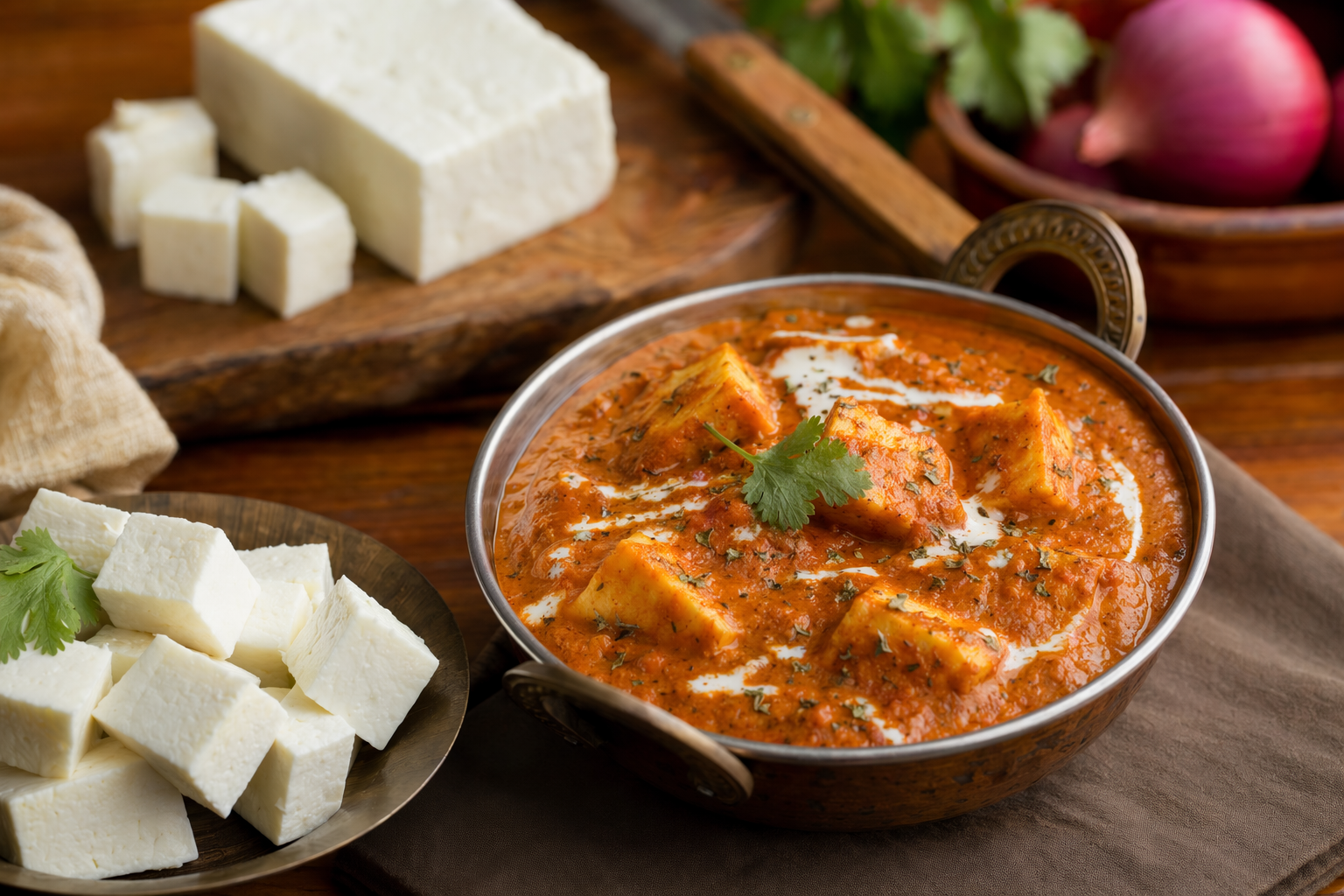
#Paneer has spoiled us. Truly. Growing up, cheese in my house basically meant paneer, Amul cheese cubes, and that one orange-ish processed cheese slice on toast that got bubbly under the grill. Paneer was made at home when milk split, which in my childhood kitchen was not a disaster, it was an opportunity. My mother would hang the curds in a muslin cloth, press it with a steel dabba, and by evening we had paneer bhurji with green chillies and coriander. No rennet drama. No labels. Just milk and acid. So when we Indians say “cheese is veg,” a lot of us are thinking emotionally of paneer. But mozzarella, cheddar, gouda, parmesan, feta, brie, blue cheese, all these belong to different cheesemaking traditions. They may be veg, they may not. Same dairy family, different story.
Paneer vs cheese, because restaurant menus confuse everyone
#Paneer is fresh, acid-set, not aged, and it doesn’t melt like pizza cheese. That’s why paneer tikka sits proudly on a skewer while mozzarella collapses into stretchy happiness. Processed cheese slices and cubes in India are usually formulated for melting and snacking, and they often carry the green dot. Mozzarella can be vegetarian too, especially the Indian-made pizza mozzarella sold to restaurants and home cooks. But Parmesan, and I mean the traditional Italian hard cheese style, is the one I always warn people about. Traditional Parmigiano Reggiano uses animal rennet, so strict vegetarians usually avoid it unless there is a clearly vegetarian alternative. Cheddar is mixed, some brands use vegetarian rennet and some don’t. Feta can be either. Goat cheese can be either. Basically cheese is like that one cousin who changes personality depending on who made it.
How I read cheese labels now, after too many supermarket detective sessions
#My cheese shopping routine is honestly a little ridiculous. First I look for the green dot. Then I scan ingredients for rennet, enzymes, microbial enzyme, vegetarian coagulant, lipase, gelatin, and sometimes “flavouring,” which is vague enough to make me side-eye the packet. Lipase can also be animal-derived in some cheeses, especially sharper imported ones, though not always. If it’s an Indian brand with the green dot, I relax. If it’s imported and says “enzymes,” I don’t assume. If it says “suitable for vegetarians,” great. If it says “vegetarian rennet,” even better. If it says nothing and the cheese is expensive, I take a picture and email the brand like a mildly obsessive aunty. You’d be surprised, some brands actually reply. Some don’t. Their loss, because I was ready to give them my cheese money.
- Words I like seeing: vegetarian rennet, microbial rennet, non-animal rennet, plant-based coagulant, suitable for vegetarians.
- Words that make me pause: rennet, enzymes, lipase, traditional recipe, imported hard cheese, aged Italian cheese.
- Words that make it simple: animal rennet, calf rennet. That’s non-veg for Indian vegetarian purposes, no need to overthink.
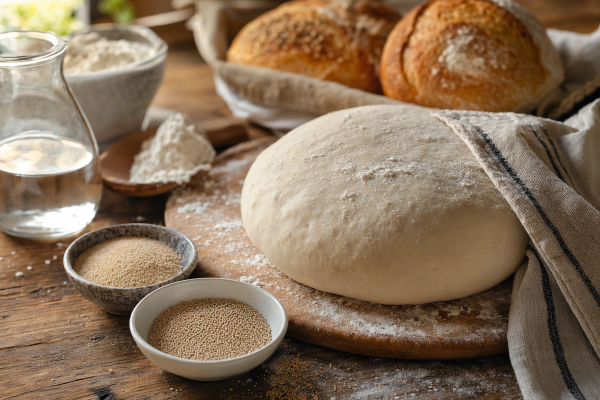
This label reading habit also changed how I look at bakery food. Pizza, garlic bread, stuffed buns, cheese straws, cheese crackers, all these can have cheese plus dough ingredients that raise separate questions. If you’re the kind of person who has wondered about yeast in bread or pizza bases, I wrote down a similar thought process here: Is Yeast Veg or Non-Veg? Indian Vegetarian Answer. Honestly, vegetarian food labels are a whole hobby if you let them be. A slightly stressful hobby, but still.
Restaurant cheese: where things get delicious and slightly messy
#Restaurants are where the label comfort disappears. In a supermarket, I can turn the pack around, squint, judge, decide. In a café, I’m relying on whoever is at the counter, and sometimes that person knows everything, and sometimes they’re just trying to survive the dinner rush. I’ve had both. At a nice Italian place in Bengaluru, the server confidently told me their burrata was vegetarian and even brought the supplier detail. Loved that. At another café, I asked about Parmesan and the waiter said, “It is cheese only, madam,” which was technically true but also not helpful at all. If you’re strict vegetarian, ask specifically: “Does this cheese contain animal rennet?” Not “Is it veg?” because many people hear veg and think no meat pieces, no egg, no chicken stock. Rennet is a smaller, sneakier question.
Pizza chains, local cafés, and the great cheese pull question
#In India, big pizza chains and large restaurant groups usually understand vegetarian categories because their menus are built around veg and non-veg separation. Still, recipes and suppliers can change, and outlet staff may not always know the ingredient source. I’m not saying interrogate everyone like CBI. Just ask politely, especially if you’re ordering something with imported cheese, Parmesan dusting, pesto with cheese, or “four cheese” topping. Local cafés love writing fancy menu lines now: smoked scamorza, aged cheddar, burrata, grana-style shavings. I love this trend, okay, my heart genuinely does a small bhangra when a neighbourhood place has good cheese. But the fancier the cheese, the more I ask. Because “authentic” sometimes means traditional animal rennet. And sometimes it’s totally vegetarian. Both happen.
My rule is simple: if the cheese is part of a regular Indian veg menu, it’s probably fine, but if it’s imported, aged, traditional, or described with too much poetry, ask about rennet.
Cheeses that are usually safer, and cheeses that deserve extra suspicion
#Let’s not make this scary. You don’t need to give up cheese toast. Most everyday Indian processed cheese, cheese spreads, pizza cheese blocks, and paneer are usually vegetarian when they carry the green dot. Fresh mozzarella made in India for Indian consumers is often vegetarian too, but check. Cream cheese, cheese spread, and cottage cheese style products are often okay when labelled veg. The cheeses I treat carefully are Parmesan, Pecorino, Grana Padano style, some traditional blue cheeses, some imported hard cheeses, and anything that proudly says “made the traditional way” but doesn’t clarify rennet. Cheddar sits in the middle. Gouda too. Feta too. Brie and Camembert can be vegetarian or not. This is why blanket answers online annoy me. “All cheese is non-veg” is wrong. “All cheese is veg” is also wrong. Food loves making fools of our certainty.
| Cheese type | My vegetarian confidence level in India | Notes from real-life shopping |
|---|---|---|
| Paneer | Very high | Usually acid-set, easy choice |
| Processed cheese cubes/slices | High if green dot | Most Indian packs are clearly marked |
| Pizza mozzarella | Medium to high | Indian brands often veg, restaurant supply should be checked |
| Cheddar | Medium | Can use animal or vegetarian rennet |
| Feta | Medium | Depends on brand and country |
| Brie/Camembert | Medium to low | Imported labels can be vague |
| Parmesan/Pecorino style | Low unless marked veg | Traditional versions often use animal rennet |
| Blue cheese | Low to medium | Check rennet and lipase source |
A tiny story about Parmesan, pesto, and me being overconfident
#I once made pesto pasta for a mostly vegetarian dinner, feeling extremely proud of myself. Basil, garlic, olive oil, nuts, pasta water, all the nice things. Then, five minutes before serving, I realized the Parmesan I had grated in was a traditional imported one. I checked the pack again and there it was, animal rennet. My stomach dropped. Not because the pasta was ruined for me, but because I had almost served it to a friend who avoids animal-derived ingredients very strictly. I ended up making her a quick second batch with cashews, nutritional yeast, and a vegetarian processed cheese cube, which sounds like jugaad because it was. But it tasted pretty good, actually. Since that day, I keep vegetarian hard-cheese alternatives or skip Parmesan entirely when cooking for mixed groups. Also, always read before grating. Once grated, there is no undo button.
What about “pure veg” restaurants and Jain food?
#Pure veg restaurants in India are usually careful with obvious non-veg ingredients, and many are careful with rennet too, especially if they serve a vegetarian customer base that asks these questions. But don’t assume every kitchen is thinking about enzyme sources. A South Indian restaurant making cheese dosa with a green-dot processed cheese cube is probably fine. A fancy vegetarian bistro using imported burrata or Parmesan-style garnish should be asked. Jain food adds another layer because some people avoiding onion, garlic, root vegetables, or fermented items may have separate concerns beyond rennet. So the best question is not just “veg hai?” but “which cheese do you use, and is the rennet vegetarian?” It feels awkward for exactly seven seconds. Then you recieve clarity, and clarity tastes better than doubt.
Hidden ingredients outside India are even more confusing
#If you travel, the green dot safety net disappears. In Europe, the UK, the US, the Middle East, or Southeast Asia, “vegetarian” labelling can mean different things, and cheese may be sold without any veg/non-veg symbol. Some products say suitable for vegetarians, some don’t. Some restaurant staff understand rennet, some look at you like you asked them to explain quantum physics. I keep a little mental checklist now, especially at airport cafés where the sandwich has “cheese” and nothing else written. If you want a broader label-reading mindset for travel snacks and groceries, this piece on Vegetarian Food Labels Abroad: Hidden Ingredients fits nicely with the cheese problem. Same anxiety, different aisle.
My practical rennet checklist before buying or ordering cheese
#- Check for the Indian green vegetarian symbol first. It’s not the only thing, but it’s the fastest starting point.
- Read the ingredient list for rennet, enzymes, microbial rennet, vegetarian rennet, animal rennet, and lipase.
- For restaurants, ask “Is the rennet animal-based or vegetarian?” instead of only asking “Is this veg?”
- Be extra careful with imported hard cheeses like Parmesan, Pecorino, and Grana-style cheeses.
- When cooking for strict vegetarians, use clearly labelled vegetarian cheese or paneer, and keep the packet until everyone has eaten, because someone will ask.
I know that list sounds like a lot, but after a while it becomes automatic. Like checking whether a chutney has peanuts before serving someone allergic, or asking if a dessert has egg. Food care is care. I have friends who are chill vegetarians and friends who are very strict. Both are valid, but I don’t like making decisions for other people secretly. If I don’t know whether a cheese is vegetarian, I say I don’t know. There’s no shame. The shame is pretending and then acting surprised later.
What I buy for my own kitchen
#For everyday life, I keep paneer, a green-dot cheese block, sometimes mozzarella, and a cheese spread for lazy toast nights. If I’m making pizza at home, I buy Indian mozzarella that clearly says vegetarian or has the green symbol. For pasta, I don’t always use Parmesan anymore. Sometimes I use a vegetarian hard cheese if I find one, sometimes aged cheddar, sometimes just butter, black pepper, pasta water, and a little processed cheese. Is it Italian-approved? Probably not. Is it delicious at 11:30 pm when you’re hungry and tired? Absolutely. I also love crumbling paneer into sandwiches with mustard, chilli flakes, and onions, which sounds chaotic but works. Cheese rules are important, but food should still be fun. Otherwise what are we even doing.
The final bite: don’t fear cheese, just question it a little
#So, is cheese vegetarian in India? Often yes, especially when it’s packaged for the Indian market and carries the green dot, but not always. The deciding factor is usually the rennet or enzyme source. Paneer is usually safe. Everyday Indian processed cheese is usually safe when labelled veg. Imported, aged, traditional cheeses need a closer look. Restaurants deserve one polite question. That’s it. You don’t have to become a food detective with a magnifying glass, though honestly I kind of have. Cheese is too wonderful to abandon over confusion, and too personal to treat casually when someone’s vegetarian beliefs are involved. Read labels, ask better questions, and then enjoy that pizza slice with full peace. And if you like these slightly obsessive food label rambles, I keep finding more gems and rabbit holes through AllBlogs.in, so go wander there when your next snack doubt hits.