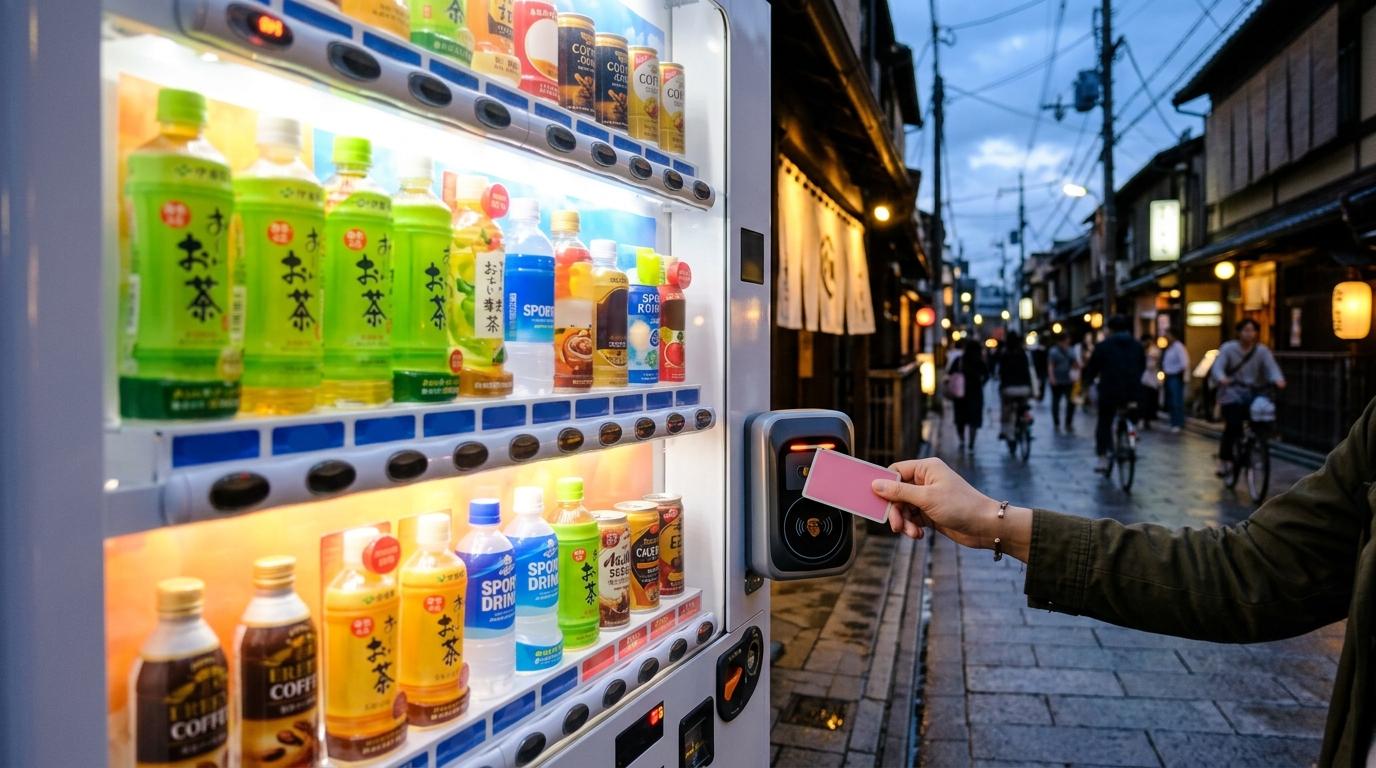
Japanese vending machines are one of those little things in Japan that seem fun at first, then quickly become part of your daily routine.
You’ll spot them everywhere: outside train stations, beside convenience stores, near parks, in hotel lobbies, on quiet residential streets, and sometimes in the middle of nowhere, where you genuinely wonder who is restocking them.
For travelers, they’re more than a novelty. They’re practical. Need water before a long walk? A hot coffee on a cold morning? Green tea before a train ride? A sports drink after climbing too many temple steps? There is probably a vending machine nearby.
The main things to know are simple: how to tell hot from cold, how payment works, and which drinks are worth trying when the labels are mostly in Japanese.
Here’s what to know before you press the button.
Quick Answer
#If you’re standing in front of a Japanese vending machine and just want to buy a drink, remember this:
- Blue label means cold. Look for つめたい, pronounced tsumetai.
- Red or orange label means hot. Look for あたたかい, pronounced atatakai.
- Cash is still useful. Many machines accept coins and ¥1,000 notes.
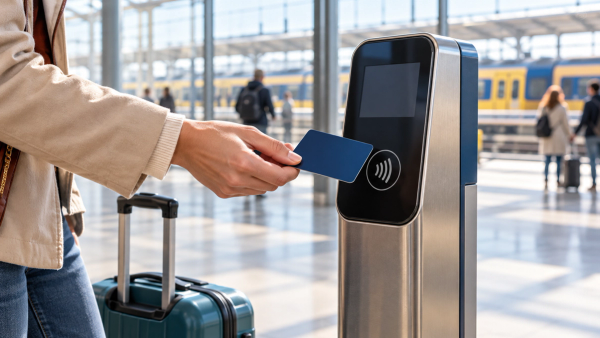
- IC cards are often the easiest option. Suica, PASMO, ICOCA, and other Japanese IC cards work on many machines with the IC logo.
- For cash payments: insert money first, then press the drink button.
- For IC card payments: usually press the drink button first, then tap your card or phone.
- Foreign credit cards can be unreliable, even on machines that show card payment logos.
When in doubt, take a second to check the color label and payment icons before choosing.
Why Japanese Vending Machines Are So Useful
#Japanese vending machines are called jidohanbaiki (自動販売機), though people often say jihanki (自販機) for short.
The best thing about them is that they remove friction. You don’t need to find a shop, talk to a cashier, read a menu, or wait for opening hours. You just choose a drink and go.
That makes them especially handy when you’re:
- leaving your hotel before breakfast,
- changing trains and only have a few minutes,
- walking through a quiet neighborhood,
- visiting temples, shrines, gardens, or parks,
- arriving somewhere late at night,
- looking for a simple non-alcoholic drink.
The selection is usually better than people expect, too. Japanese vending machines are not just stocked with cola and bottled water. You’ll often find unsweetened tea, canned coffee, milk coffee, fruit drinks, sports drinks, sparkling drinks, hot tea, hot cocoa, and in colder months, even savory options like corn soup.
If you don’t drink alcohol, vending machines are especially helpful. They make it easy to try something local without going into a bar or restaurant. For more ideas, see also What to Drink in Japan If You Don’t Drink Alcohol.
How to Tell If a Drink Is Hot or Cold
#This is the number one thing to learn.
Don’t rely on the bottle or can design. Look at the small label under the drink button.
Most Japanese vending machines display sample bottles or cans behind a clear front panel. Under each one, there is usually a button and a colored label showing whether the drink comes out hot or cold.
- Blue label: cold drink, often marked つめたい (tsumetai).
- Red or orange label: hot or warm drink, often marked あたたかい (atatakai).
This matters because the same drink can appear in both versions. You might see cold green tea on one row and hot green tea on another. Canned coffee is very commonly sold both hot and cold.
The selection also changes with the seasons. In summer, most labels are usually blue. In autumn and winter, more red and orange labels appear for hot coffee, tea, cocoa, and seasonal drinks.
A good habit: before pressing anything, pause for one second and check the label color.
It sounds obvious. Everyone still makes this mistake at least once.
The Simple Vending Machine Checklist
#Use this quick checklist: color, cash, card.
- Color: blue for cold, red or orange for hot.
- Cash: coins and ¥1,000 notes are useful, but check what the machine accepts.
- Card: IC cards often work if you see the IC logo or reader.
That tiny check prevents most vending machine mistakes, especially buying the wrong temperature or assuming a card will work when the machine is cash-only.
What to Try from Japanese Vending Machines
#The choices can feel overwhelming at first, especially when you’re tired, thirsty, and staring at fifty unfamiliar bottles. Start with these categories.
Tea
#Tea is one of the safest and most useful choices in Japan.
Many bottled teas are unsweetened, refreshing, and easy to drink with food or while sightseeing. If you want something that isn’t sugary, tea is often a better bet than coffee, juice, or milk drinks.
Common options include:
- Green tea: crisp, slightly bitter, and very common.
- Hojicha: roasted green tea with a warm, toasty flavor.
- Mugicha: barley tea, often caffeine-free, though check the label if caffeine matters to you.
- Oolong tea: clean, refreshing, and usually unsweetened.
If you’re avoiding sugar, tea is usually your friend. Still, check the label when possible if you have allergies or dietary restrictions.
Japanese Canned Coffee
#Japanese canned coffee is a vending machine classic. You’ll see brands like Boss, UCC, Georgia, and others almost everywhere.
The tricky part is that canned coffee varies a lot. Some are black and unsweetened. Others are milky, sweet, or very sweet.
Useful clues:
- Black coffee: often says “Black” in English and is usually unsweetened.
- Milk coffee or café au lait: usually contains milk and sugar.
- Blend coffee: may be sweetened, milky, or both.
- Hot canned coffee: common in cooler months and marked with a red or orange label.
If you only want unsweetened coffee, don’t judge by the can design alone. Look for “Black” if you can. Some cans that look like plain coffee are surprisingly sweet.
Milk Drinks and Yogurt-Style Drinks
#Some machines carry milk tea, café au lait, strawberry milk, cocoa, and yogurt-style drinks.
These can be fun to try, especially if you want something richer than tea or water. Just know that they are often sweet and may contain dairy.
If you’re avoiding sugar or milk, this is a category to check carefully rather than guess from the picture.
Juice and Sparkling Drinks
#Fruit juices, citrus drinks, grape drinks, apple drinks, clear sodas, and flavored sparkling drinks are common.
Mitsuya Cider is one well-known Japanese soda travelers often notice. Despite the name, it is not alcoholic cider. It’s a sweet, crisp, sparkling soft drink.
Juice and soda are easy picks when you want something familiar, but they can be sweeter than expected. If you’re buying for kids or trying to avoid too much sugar, take a closer look before choosing.
Sports Drinks
#Sports drinks like Pocari Sweat and Aquarius are easy to find in Japanese vending machines.
They’re light, mild, and useful when you’ve been walking all day, especially in hot or humid weather. You don’t need to be exercising to appreciate one. After a long shrine visit, a crowded train transfer, or a summer sightseeing day, they can be exactly what you want.
As always, check the label if sugar or specific ingredients are a concern.
Seasonal Hot Drinks
#Hot vending machine drinks are one of the small pleasures of traveling in Japan during autumn or winter.
Depending on the machine and season, you may find:
- hot canned coffee,
- hot green tea,
- hot hojicha,
- hot milk tea,
- hot cocoa,
- corn soup or corn potage in a can.
Corn potage is one of the more memorable options. It’s warm, savory, and sometimes has corn kernels inside. If the can suggests shaking it, shake it gently before opening. Also be careful when you pick it up, because hot cans can be hotter than you expect.
How to Pay: Cash, IC Cards, Phones, and Credit Cards
#Payment is usually easy, but not every machine works the same way. Before choosing, look for the payment icons near the coin slot, bill slot, or card reader.
Paying with Coins or Bills
#Many vending machines accept common yen coins and ¥1,000 notes. Some machines accept fewer options, so check the symbols first.
The usual process is:
- Insert your coins or ¥1,000 note.
- Wait for the available drink buttons to light up.
- Press the button for the drink you want.
- Take your drink from the lower compartment.
- Collect your change.
Try not to depend on ¥5,000 or ¥10,000 notes. Vending machines usually are not the place to break large bills. Use a convenience store or staffed counter for that.
Paying with a Japan IC Card
#Japan IC cards, such as Suica, PASMO, and ICOCA, are often the easiest way to buy vending machine drinks.
Look for the IC logo or a card reader on the machine.
The usual process is:
- Press the button for your drink.
- Tap your IC card on the reader.
- Wait for the beep or confirmation.
- Take your drink.
This is one reason it’s so useful to keep a loaded IC card during a Japan trip. Besides trains and buses, IC cards can work at convenience stores, coin lockers, some restaurants, and many vending machines.
Paying with a Phone Wallet
#If you have a compatible mobile IC card set up on your phone, some vending machines accept it the same way they accept a physical IC card.
Usually, you press the drink button first, then tap your phone on the reader.
That said, don’t assume every machine will support your phone. Older machines, rural machines, or simpler machines may be cash-only or may only accept certain IC payments.
Paying with Credit Cards
#Some newer vending machines show credit card or contactless payment logos. Even then, foreign-issued cards can be hit or miss.
For travelers, the safest plan is simple: carry a little yen cash and keep a Japan IC card loaded when possible. Treat credit card support as a bonus, not something to rely on.
Things to Double-Check Before You Buy
#Japanese vending machines are easy, but a few details are worth watching.
Hot Versus Cold
#This is the classic mistake.
A red or orange label means hot, even if the display bottle looks similar to a cold version nearby.
Buying hot tea by accident in July is not ideal. Buying cold coffee by accident on a freezing January morning is also not your best travel moment.
Sugar in Coffee
#Japanese canned coffee can be black, lightly sweetened, milky, or extremely sweet.
“Black” is usually the easiest clue for unsweetened coffee. Words like “blend,” “café au lait,” or creamy-looking packaging often mean milk and sugar.
If sugar matters to you, don’t rush this choice.
Dairy
#Milk coffee, milk tea, cocoa, and yogurt-style drinks may contain dairy.
If you avoid dairy for allergies, dietary reasons, or personal preference, don’t rely on the picture alone.
Caffeine
#Not every tea is caffeine-free.
Green tea, oolong tea, black tea, and coffee drinks usually contain caffeine. Barley tea is commonly caffeine-free, but check the label if it’s important to you.
When in doubt, choose water.
Large Bills
#Don’t expect vending machines to accept large notes. Keep coins or a ¥1,000 note handy, or use an IC card where accepted.
Bottle Size
#Some vending machine bottles and cans are smaller than you may expect.
If you’re heading somewhere with limited shops, such as a long walking route, a park, a rural stop, or a temple area, consider buying water or an extra drink before you go.
Food Safety, Recycling, and Etiquette
#Japanese drink vending machines are generally clean and well maintained. Drinks are sealed, so they’re usually a safe and convenient option for travelers.
Still, use normal judgment. Avoid damaged cans, leaking bottles, or anything that looks unusual.
For hot drinks, handle the can or bottle carefully. It may be much hotter than you expect, especially in winter.
Recycling is also part of the vending machine routine. Near many machines, you’ll see bins with round openings for bottles and cans. These are usually meant for empty drink containers, not general trash.
A few simple etiquette tips:
- Step aside while choosing so you don’t block the sidewalk or station path.
- Use the nearby recycling bin for empty cans and PET bottles.
- Don’t put food wrappers, tissues, bento boxes, or random trash into bottle and can bins.
- If there is no bin, carry the empty container until you find the right place to dispose of it.
- Be especially mindful near stations, shop entrances, and narrow sidewalks.
Walking while drinking is not treated exactly the same everywhere in Japan, but standing off to the side and keeping the area tidy is always a safe approach.