Every summer I become that annoying person in office who opens the tiffin, sniffs it like a suspicious detective, and then announces, “hmm, this dal is fine but the curd is acting funny.” I know. Dramatic. But if you’ve ever carried lunch in Delhi loo, Mumbai humidity, Chennai’s sticky afternoon, Hyderabad’s dry blast furnace weather, or even Bengaluru these days because what is happening to Bengaluru heat honestly, you know office lunch is not just lunch. It’s a tiny survival project packed at 8:20 AM while someone is shouting for socks and the pressure cooker is doing its third whistle.
I love tiffins. Like proper dabba love. Stainless steel boxes with soft phulkas folded in cloth, aloo-methi that smells like home, lemon rice with peanuts, curd rice when the weather allows it, thepla from a Gujarati colleague who always says “just one more,” and that one magical office pantry where someone has mango pickle and everyone suddenly becomes friends. But Indian heat changes the whole game. Food that tasted fresh at breakfast can turn sour, sweaty, or just… suspicious by 1:30 PM. And nothing ruins a workday like a stomach that starts negotiating with you during a 3 PM meeting.
So this is my very real, very food-obsessed guide to safe office lunches in the Indian heat. Not boring hospital food, not “eat only plain khichdi forever” advice. I mean practical, tasty, actually-packable tiffin rules I’ve learnt through trial, error, one terrible paneer incident, many happy lemon-rice lunches, and watching office fridges become war zones of unlabeled boxes.
The Heat Is Not Being Cute, It’s Actually Changing Your Food
#Here’s the thing most of us know but ignore because we are optimistic people: cooked food sitting in warm weather is basically an open invitation to bacteria. Food safety folks usually talk about the “danger zone,” roughly between 5°C and 60°C, where bacteria can multiply faster. Hot food should stay hot, cold food should stay cold. Simple in theory. But your tiffin is sitting in a backpack, inside a cab, next to a laptop charger that is also heating like a toaster. Not ideal, boss.
In Indian summers, room temperature is rarely just room temperature. It can be 34°C in your kitchen, 39°C in traffic, and inside a parked car or scooter dicky it can get absurdly hotter. The general rule many food safety guidelines use is don’t leave perishable food out more than 2 hours, and if it’s very hot, around 32°C and above, make that closer to 1 hour. I know this sounds impossible for office lunch because commute itself takes one hour sometimes. Which is why choosing the right foods and packing smart matters more than pretending the lunchbox has magical powers.
My personal tiffin rule: if I wouldn’t happily smell it in a lift full of people, I probably shouldn’t eat it at my desk.
My Paneer Horror Story, Since We’re Being Honest
#A few years back, I carried paneer bhurji in May. Not a dry, nicely roasted one. A soft, onion-tomato, slightly creamy paneer bhurji because I was feeling fancy and had watched some chef video late night. I packed it while it was still warm, shut the lid tight, and carried it across town. By lunch, the box made that tiny “psss” sound when I opened it. You know that sound? It is not applause. It smelled okay-ish at first, so obviously I ate some because I am brave and also stupid when hungry. By evening I was drinking ORS and making promises to every god that I will respect food safety forever.
Since then I’ve become much more careful with paneer, eggs, chicken, fish, curd, coconut chutney, mayonnaise, creamy pasta, and anything wet with lots of onion. I’m not saying never carry them. I still do. But only if I can keep them cold or hot properly, or if the office fridge and microwave situation is trustworthy. Which, let’s be real, is a big if.
Foods That Behave Better in Indian Heat
#Not all lunchbox foods are equal. Some are sturdy little champions. Some are delicate divas. The sturdy ones generally have less moisture, more spice, some acidity, or they are meant to be eaten at room temperature. That’s why our grandmothers were basically food safety engineers without saying “microbial load” even once.
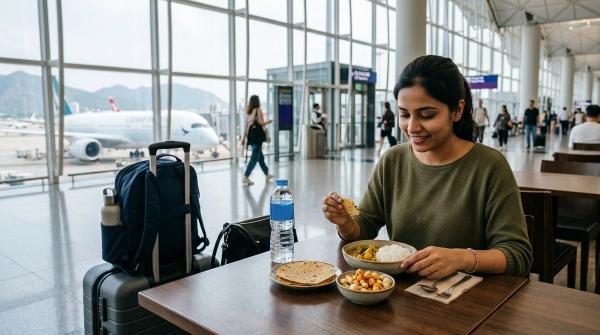
- Thepla, methi paratha, ajwain paratha, sattu paratha, and dry stuffed rotis travel beautifully if you cool them before packing and don’t drown them in ghee. A little pickle on the side and you’re sorted.
- Lemon rice, tamarind rice, tomato rice, puliyogare, and gongura rice are excellent summer office lunches. The sourness helps, the oil-spice tempering makes it satisfying, and peanuts make everything better. This is not science only, this is also emotional truth.
- Dry sabzis like bhindi, beans poriyal, cabbage thoran without too much coconut, aloo jeera, tendli, karela, carrot-beans, lauki chana dal cooked dry-ish, and beetroot poriyal can survive better than watery gravies.
- Roasted chana, peanut chaat, murmura mixes, makhana, millet crackers, khakhra, and seed mixes are good backup snacks when lunch feels doubtful. I always keep something crunchy because office hunger makes me dramatic.
- Idli can work well if packed dry with podi and oil instead of wet coconut chutney. Same with dosa rolls. Podi is the hero of hot-weather lunches, no arguments.
- Millet bowls are still everywhere in 2026 office lunch conversations, and honestly I’m not mad. Ragi, jowar, bajra, little millet, foxtail millet — they’re filling, good with dry toppings, and don’t give that post-lunch sleepy brick feeling if you balance them right.
Foods I Treat With Suspicion, Even If I Love Them Deeply
#This part hurts because many of these are my favourites. Curd rice, for example. In a cold steel dabba from home, with tadka, ginger, curry leaves, pomegranate, maybe a tiny bit of mango pickle — absolute heaven. But in peak June without refrigeration? Risky. Same with raita, lassi, buttermilk, mayo sandwiches, cream cheese rolls, egg salad, chicken curry, fish fry packed hot and sealed, prawn anything, paneer gravies, coconut chutney, and fresh sprouts.
Sprouts deserve a special mention because every wellness person loves them, and I also like a good moong sprout chaat with lime and chilli. But raw sprouts can be risky because the warm, moist conditions used for sprouting are also cozy for bacteria. If you’re carrying sprouts in summer, I’d rather lightly steam or sauté them, cool properly, then pack. Add lemon and masala later. Same with salads: cucumber, tomato, onion, lettuce — refreshing, yes, but they release water and become sad if packed badly. Keep dressing separate, keep it cold, or eat it early.
My Basic Tiffin Rules, Learned the Sweaty Way
#I don’t have a perfect system, because mornings in my house are not a Pinterest reel. But these rules have saved me many times. First: don’t pack food piping hot and shut it tight. Steam trapped inside creates moisture, and moisture is where trouble starts. I spread sabzi or rice on a plate for a few minutes, let it stop steaming, then pack. Not for hours, obviously, but enough that the box isn’t sweating inside.
- Cool before closing, but don’t leave food lying around forever. That in-between stage is where people mess up.
- Use clean, fully dry boxes. A damp dabba is just asking for weird smells and spoilage.
- Keep wet and dry items separate. Roti with sabzi directly touching it becomes soggy and sad by lunch.
- If carrying curd, paneer, eggs, meat, fish, coconut chutney, mayo, or creamy stuff, use an insulated lunch bag with an ice pack. Not optional in real summer.
- If carrying hot food, use a proper insulated container and fill it hot, not lukewarm. Lukewarm is the danger zone wearing a friendly face.
- Reheat till steaming hot if possible. Don’t just make it “office microwave warm” where the corners are cold and the middle is lava.
- Do the smell test, but don’t trust only smell. Some unsafe food doesn’t smell horrible. Annoying but true.
The Office Fridge Politics Nobody Talks About
#Office fridges are fascinating social experiments. There is always one mystery dabba from last Thursday, one bottle of green chutney that has seen things, one person’s almond milk, and five lunch bags taking up the space of a small sofa. If your office fridge is clean and actually cold, you are blessed. Use it. Put your perishables in there as soon as you reach. Not after tea. Not after your 10 AM call. As soon as you reach.
But if the fridge is packed, warm, or smells like old sambar, then plan accordingly. Don’t carry delicate food and then hope vibes will protect it. I’ve started labeling my box sometimes, not because people steal lunch, but because one time my friend accidentally ate my curd thinking it was hers and then we both stood there confused like two idiots. Also, small ice packs are so cheap now and the newer slim gel ones fit nicely in lunch bags. In 2026, I’m seeing more people carry those compact insulated office totes, the matte kind that look almost like laptop bags. Very corporate, very “I have my life together,” even when inside is just poha.
What I Pack on Really Hot Days
#On extreme heat days, I go boring-smart. Not tasteless boring, but less risky. My favourite is lemon rice with lots of peanuts, curry leaves, mustard seeds, turmeric, green chilli, and a squeeze of lemon added after the rice cools a bit. I pack cucumber separately only if I can refrigerate it. Otherwise, roasted papad or banana chips for crunch. Another regular is thepla with dry lasun chutney, a small piece of jaggery, and mango pickle. This lunch has saved me during travel, deadlines, and one horrifying day when the office microwave died and everyone behaved like civilization had collapsed.
I also love sattu. Sattu paratha, sattu litti-style filling in wraps, or even a dry sattu mix stuffed into roti with onion avoided if it’s too hot. Sattu feels like old-school Indian protein before protein became a marketing word. Add roasted cumin, ajwain, lemon, green chilli, coriander if you can keep it fresh, and it’s genuinely satisfying. In North India especially, sattu is summer wisdom. In Mumbai, I’ve seen more cafés doing sattu coolers and millet wraps in the last couple years, and while some are overpriced, the idea is solid.
Trendy 2026 Lunch Stuff I Actually Like, And Some I Don’t
#Office lunch has changed a lot. Earlier it was dabba from home or canteen thali. Now you have subscription meal bowls, cloud-kitchen “ghar ka khana” services, calorie-counted millet khichdi, plant-protein keema, fermented drinks, gut-health menus, smart heated lunchboxes, and those app-based corporate cafeterias where you preorder at 11:15 like you’re trading stocks. Some of it is good. Some of it tastes like packaging.
The better trend, in my opinion, is regional comfort food coming back in practical formats: curd rice bowls with tempering packed separately, podi idli boxes, millet upma, jowar bhakri rolls, Kerala-style matta rice meals, Bengali shukto-inspired veg boxes, Maharashtrian zunka-bhakri, Assamese rice bowls, and Andhra pappu with dry fry sides. Restaurants and cloud kitchens in big cities are getting smarter about lunch because office workers don’t want only butter paneer and naan at 1 PM. We want food that won’t make us sleep under the desk.
Smart lunchboxes are also having a moment. Some heat food through USB-C or plug-in bases, some have vacuum-insulated layers, some come with tiny vent locks so steam doesn’t make everything soggy. I like the idea, but please don’t use a heated box as an excuse to keep chicken lukewarm for five hours. Technology is nice. Bacteria does not care about your gadget aesthetic.
Restaurant and Delivery Lunches in Summer: My Slightly Bossy Advice
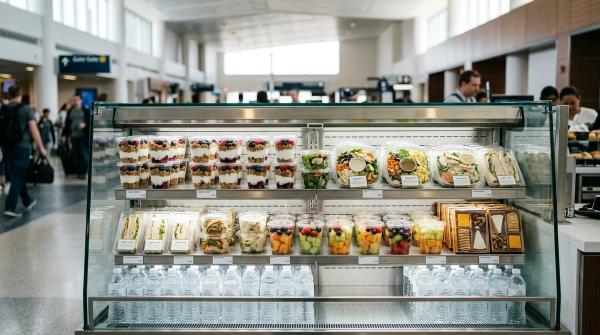
#If you order lunch at office, heat still matters. Delivery bags go through traffic, elevators, security desks, and then sit at reception because someone forgot their phone was on silent. I prefer ordering from places that are close by and busy during lunch, because high turnover usually means fresher food. I’m also more careful with mayo sandwiches, sushi, seafood, cream-based gravies, and cold salads from unknown places in summer. Not because I’m anti-fun. I’m very pro-fun. I just don’t want my fun to include stomach cramps.
For delivery, dry-ish Indian meals are often safer and more satisfying: rajma-chawal if it arrives hot, dal-rice with pickle, veg pulao, chole with kulcha, khichdi, idli-podi, paratha combos, and thalis where the curd is sealed separately. If the food arrives barely warm, reheat it properly. If the packaging is puffed, leaking, smells sour, or the chutney looks fizzy, please let it go. I know wasting food hurts. But eating spoiled food hurts more, literally.
The Rice Question: Because Leftover Rice Can Be Sneaky
#Rice is innocent-looking but needs respect. Cooked rice can grow Bacillus cereus if it sits warm too long, and reheating doesn’t always fix the toxins if they’ve formed. This is why leftover rice should be cooled quickly and refrigerated, not left on the counter overnight because “subah fried rice bana denge.” We’ve all done it. I have done it. My mother has yelled at me for it. She was right.
If I’m packing rice for office, I prefer making it fresh in the morning or using properly refrigerated leftover rice that was cooled quickly the previous day. For fried rice or lemon rice, I heat it well, cool just enough to pack without steam, and carry. If there’s no fridge at work and the commute is long, I choose tamarind rice or lemon rice over plain rice with wet curry. Also, don’t mix hot rice with cold curd in the morning and expect it to behave till lunch in May. That is not curd rice, that is a science experiment.
A Few Lunch Combos That Never Let Me Down
#| Lunch combo | Why it works in heat | My little foodie note |
|---|---|---|
| Thepla + dry chutney + pickle + roasted peanuts | Low moisture, travels well, tasty at room temp | Best eaten with office chai, I will fight no one but I believe this |
| Lemon rice + potato fry + papad | Acidic, spiced, not too wet | Add peanuts generously, don’t be shy |
| Idli + podi oil + banana | No wet chutney drama | Podi idli is elite lunchbox food |
| Sattu paratha + dry aloo jeera | Filling, sturdy, good protein | Avoid raw onion filling if commute is long |
| Millet upma + roasted chana | Light but satisfying | Works better when not too soggy |
| Chole + jeera rice, packed hot and reheated | Hearty, familiar, reheats well | Keep salad separate and cold |
| Curd rice with ice pack | Cooling and comforting if kept cold | Without cooling, I skip it in peak heat |
| Paneer tikka wrap with insulated bag | Dry paneer is safer than creamy paneer | Eat early, don’t leave till 3 PM |
Ingredients That Help, But Don’t Perform Miracles
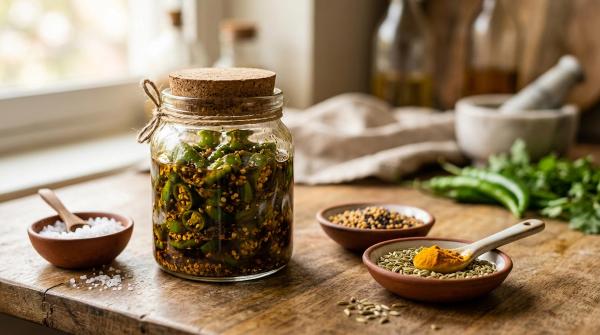
#Indian cooking already uses many ingredients that make food more stable and delicious: salt, oil, spices, tamarind, lemon, vinegar, mustard seeds, fenugreek, turmeric, chilli, asafoetida, curry leaves. Pickles last because they are salty, oily, acidic, and treated carefully. But sprinkling turmeric on something doesn’t magically make it safe for six hours in a hot bag. I see this myth a lot. Spices help flavour and may slow some spoilage in some contexts, but basic temperature and hygiene still matter.
Coconut is another tricky one. Fresh coconut chutney is beautiful in the morning and suspicious by noon if not chilled. Same with coconut milk curries. If I want South Indian flavours in summer office lunch, I go for podi, dry curry leaf chutney powder, tamarind rice paste, tomato thokku, gunpowder, or pickle instead of fresh coconut chutney. Thokku, by the way, is underrated. Tomato thokku with curd rice is dangerous if curd isn’t cold, but with idli or dosa rolls? Fantastic.
The Hygiene Bit, Sorry But We Have to Talk About It
#Food safety is not only about what you pack. It’s also hands, boards, knives, cloths, boxes, and that one kitchen sponge that has probably lived too long. Wash lunchboxes properly, dry them fully, and don’t ignore the rubber gasket in leakproof lids. That gasket can hide oil, dal, and old smells like it’s storing family secrets. Once a week I remove the seal and scrub it. Very satisfying, slightly gross.
If you cook non-veg in the morning, keep raw and cooked stuff separate. Don’t cut salad on the same board used for raw chicken unless it’s washed properly. Cook eggs till set if they’re going to travel. For meat and fish, I personally only carry them when I know I can refrigerate and reheat. Fish curry in office is another debate because smell, but I’m Bengali enough in spirit to defend fish lovers. Just pack it well, please. Nobody wants their laptop bag smelling like yesterday’s macher jhol.
My Monsoon Add-On, Because Heat Plus Humidity Is a Villain
#Monsoon office lunch is sneaky. The temperature might be lower, but humidity makes food feel damp faster. Fried snacks lose crunch, rotis sweat, and chutneys go off quicker than you expect. I use paper towels or clean cloth for parathas so condensation doesn’t make them clammy. I avoid leafy salads unless chilled. I also don’t carry cut fruit for too long, especially watermelon and muskmelon. Fresh fruit is lovely, but cut fruit sitting warm is not something I trust.
Whole fruits are better: banana, apple, orange, guava, pear. Mango if you are willing to be messy and judged. I once ate a mango at my desk with a spoon and three tissues, and honestly, it was one of my best office lunches. Not professional. Very joyful.
If Your Food Looks Slightly Off, Don’t Be a Hero
#We food people hate throwing things away. I get it. Someone woke up early and cooked that. Money went into it. Love went into it. But if food smells sour when it shouldn’t, has bubbles, feels slimy, tastes fizzy, has changed colour weirdly, or the lid pops like it was fermenting, don’t eat it. Especially don’t “just taste a little” if it’s dairy, meat, seafood, rice, or coconut-based. I have made that mistake and recieved the consequences.
Keep emergency backups: roasted makhana, chana, khakhra, peanuts, protein bar if you like those, cup poha, instant millet upma, or even a banana. Then if lunch feels unsafe, you don’t have to choose between risky paneer and starvation. Hunger makes people negotiate with bad decisions. Snacks prevent tragedy.
A Simple Summer Tiffin Formula I Use Most Weeks
#My best formula is: one sturdy carb, one dry protein or legume, one dry veg, one pickle/chutney powder, one crunchy thing, and one fruit. So maybe jowar roti, chana masala cooked dry, bhindi, lemon pickle, roasted peanuts, and a banana. Or lemon rice, boiled egg kept cold, beans poriyal, podi, papad, and orange. Or thepla, sprouted moong sauté, carrot pickle, makhana, and apple. It sounds planned but it’s mostly mix-and-match. Basically, don’t make lunch depend on one risky wet curry.
And please taste your food before packing. I don’t know why this feels like such a motherly thing to say, but mornings are chaotic and salt gets forgotten. A safe lunch that tastes like cardboard will send you straight to the samosa counter. The goal is safe and exciting. Add lemon, pickle, roasted masala, fresh coriander if it’ll keep, chilli oil, podi, til chutney, peanut chutney powder, or a small wedge of lime. Summer food needs brightness.
Final Lunchbox Thoughts, From My Desk to Yours
#Office lunch in Indian heat is this funny mix of nostalgia, science, jugaad, and appetite. Our food culture already has so many answers: theplas for travel, tamarind rice for long days, pickles that survive summers, podis that make plain idli exciting, sattu that cools and fills, millets that are finally getting their due again, and steel dabbas that somehow make food taste more like home. We don’t need to be scared of lunch. We just need to stop treating 42°C like it’s normal room temperature.
Pack smart. Cool food properly. Keep cold food cold. Reheat when you can. Respect rice, dairy, coconut, eggs, paneer, meat, and fish. Don’t be heroic with suspicious smells. And also, please enjoy your lunch. Step away from the screen if possible. Share a pickle. Steal one bite of your colleague’s aloo fry if they allow it. Food at work is still food, not just fuel, and sometimes that little dabba is the nicest part of a brutal day.
If you’re as obsessed with everyday Indian food stories, tiffin ideas, restaurant gossip, and practical foodie stuff as I am, have a casual scroll through AllBlogs.in sometime. I keep finding fun food reads there when I’m supposed to be doing something else, which is basically my personality now.