Okay, let’s just answer the big question before we go wandering into bakery smells and pav memories and all that. Yeast is veg. In the usual Indian vegetarian sense, yeast is not non-veg because it is not an animal, not meat, not egg, not fish, not chicken, nothing like that. Yeast is a tiny living organism from the fungi family, kind of in the same big world as mushrooms, though obviously you don’t slice yeast and make masala out of it. It is used to ferment dough, make bread rise, brew drinks, and give that slightly warm, bready, almost nutty smell that makes people stand outside bakeries pretending they are “just passing by.” I have done this many times, no shame.
For most Indian vegetarians, including people who eat dairy but avoid meat and eggs, yeast is considered vegetarian. For vegans also, plain yeast is usually fine because it does not come from an animal. But, and this is where Indian food life becomes complicated as usual, the product containing yeast may not always be vegetarian. A bread can have yeast and still contain egg, milk powder, butter, animal fat, gelatin, certain enzymes, or some weird bakery improver nobody explains properly. So the issue is rarely “is yeast non-veg?” The better question is “what else is in this bread?” That is where the real drama sits.
My First Yeast Confusion Happened Over Pav, Obviously
#I remember this so clearly. I was maybe in college, hungry in that dangerous way where you start making emotional decisions, and me and my friend were eating vada pav near a bus stand. Hot pav, spicy green chutney, that dry garlic chutney sticking to the fingers, fried chilli on the side. Heaven. Then one uncle, who always had strong opinions about everything from cricket to digestion, casually said, “Yeast hota hai pav mein, pata hai? Living thing hai. Non-veg jaisa hai.” And I froze. Like properly froze. I had already taken two bites, and suddenly I’m looking at the pav like it betrayed my family values.
At home later, I asked my mother, and she did that very Indian mom thing where she gave a practical answer first and science answer never. “Arre bakery bread sab khate hain. Yeast non-veg nahi hota.” Then my father added, “It is like fungus.” Which honestly did not help at that age because fungus sounded worse. I pictured bathroom wall fungus in my pav. Terrible. But years later, after reading food labels, talking to bakers, and messing up enough dough in my own kitchen, I understood what they meant. Yeast is a fungus, yes, but not dirty fungus. It’s a controlled food organism, especially the common baker’s yeast called Saccharomyces cerevisiae. Fancy name, simple job: eat sugar, release carbon dioxide, puff up your dough.
Yeast Is Fungus, Not Animal, And That Matters
#In Indian vegetarian thinking, we usually divide food in a very emotional but also practical way: plant-based things are okay, milk is okay for many, eggs are not okay for many, meat and fish are obviously not okay, and then there are confusing foods like mushrooms, yeast, honey, rennet, gelatin, and bakery additives. Yeast sits in the fungi category. It is alive, yes, but so are plants before harvesting. Curd has live bacteria. Idli batter has microbes doing their little dance. Fermentation itself is full of living organisms, and Indian food is basically a love letter to fermentation if you think about it.
Dosa batter, idli batter, dhokla, kanji, appam, toddy shops in Kerala, old-school pickles, even homemade dahi sitting in steel dabba overnight, all of these depend on microbes. We don’t call dahi non-veg because bacteria helped make it. Same logic with yeast. It is not sentient in the way animals are, it has no nervous system, and it is not obtained by slaughtering an animal. So if your vegetarian rule is “no animal flesh, no egg, no fish,” yeast fits comfortably in the veg side. If your rule is stricter for religious or personal reasons, then you may still avoid it, but that is a personal practice, not because yeast is non-veg by ingredient origin.
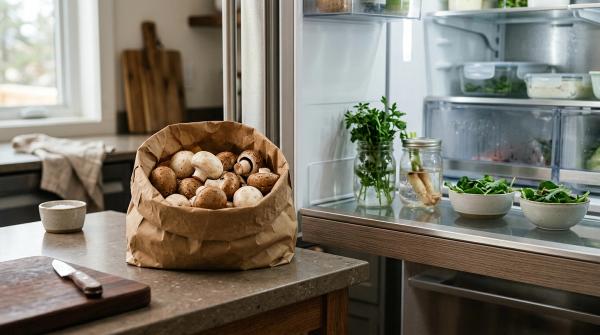
Also, if fungi foods confuse you, you’re not alone. I had a whole phase where mushrooms felt “too alive” to me, then I ate a proper pepper mushroom fry in Coimbatore and forgot all my philosophical concerns for 20 minutes. If you’re curious about that fungi side of Indian kitchens, this piece on Can You Eat Mushrooms in Summer? Storage, Cooking and Spoilage Safety in Indian Kitchens is actually a useful read, especially because mushrooms spoil faster than our confidence during summer power cuts.
But Why Do Some People Think Yeast Is Non-Veg?
#Honestly, I get why the confusion happens. First, yeast is “living,” and in many Indian homes, living foods trigger a moral discussion. Second, yeast is associated with fermentation, and fermentation is associated with alcohol for some people, so automatically it gets suspicious. Third, bread labels are a mess. One packet says yeast, another says emulsifier, improver, raising agent, enzyme, acidity regulator, preservative, INS this and E that. After a point your brain gives up and says, “Bas, homemade roti best.” Which, fair.
There is also a religious angle. Some strict Jain families avoid yeast because it is a microorganism and because fermentation increases microbial life. Many Jains also avoid root vegetables, and some avoid fermented foods depending on family practice, season, and level of observance. So for a Jain person, yeast may be avoided, but that does not mean yeast is non-veg in the common Indian grocery-label sense. It means their food rules are stricter and more specific. Same with some people who avoid bakery bread during fasting or vrat. The reason may be fermentation, maida, commercial processing, or just family tradition. Food rules in India are never one neat box, no?
The Indian Label Angle: Green Dot, Brown Triangle, And Still Some Confusion
#In India, packaged food labels are supposed to help. Vegetarian packaged foods carry the green symbol, and non-vegetarian foods carry the brown non-veg symbol, now commonly shown as a brown triangle inside a square under FSSAI labelling rules. So if you’re buying bread, pizza base, burger buns, nutritional yeast, yeast extract, soup mix, or instant noodles, look for the veg mark first. If it has a green mark, the final packaged product is being declared vegetarian under Indian labelling norms.
But I still read the ingredient list because I am that person in the supermarket blocking the aisle with one packet of bread in hand. Sorry, but also not sorry. The veg mark is useful, but ingredients tell you what kind of product you are getting. A bread can be veg and still not suit your diet if you avoid milk, or palm oil, or preservatives, or refined flour. And if it is imported, the label may be less familiar. Abroad, vegetarian labels are not always like Indian labels, and bakery foods can hide things in very innocent-looking names. I wrote down some of my travel label panic in my head after one Europe trip, and if you travel a lot, this guide on Vegetarian Food Labels Abroad: Hidden Ingredients fits perfectly with this yeast confusion.
What Yeast Actually Does In Bread, Pav, Naan, Pizza Base
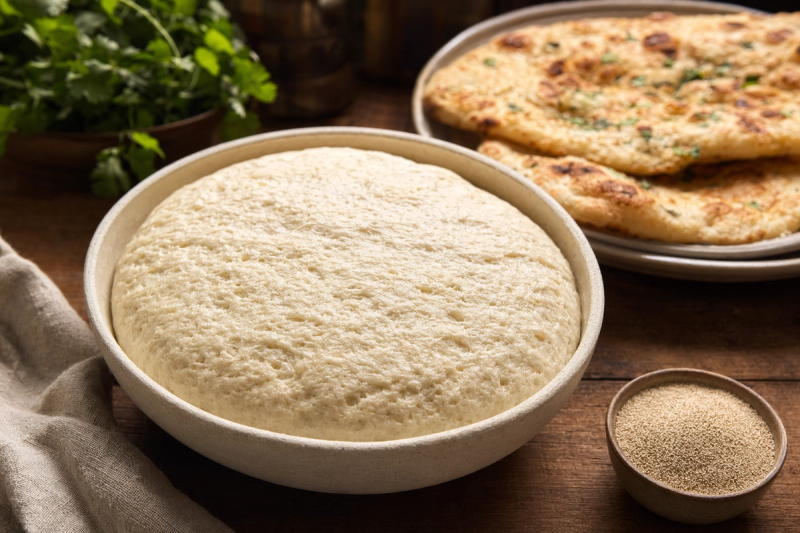
#Let’s get slightly nerdy, but not boring nerdy. When you add yeast to dough, it feeds on sugars from the flour or added sugar. As it eats, it produces carbon dioxide gas and small amounts of alcohol. The gas gets trapped in the dough structure, and that’s what makes bread rise. When you bake it, most of the alcohol evaporates, the yeast cells die from heat, and you get fluffy bread instead of a dense brick. This is why pav has that softness, why pizza dough has chew, why a good bun springs back when you press it, and why my first sourdough attempt looked like a sad stone from a riverbed.
There are different forms too. Fresh yeast, active dry yeast, instant yeast, baker’s yeast, brewer’s yeast, nutritional yeast. Nutritional yeast is popular in vegan cooking because it has a cheesy, savoury taste. I first tried it sprinkled on popcorn and thought, hmm, this is either genius or bird food. Then I added it to cashew pasta sauce and suddenly understood the hype. Brewer’s yeast comes from brewing, nutritional yeast is usually grown for food use and then deactivated, and baker’s yeast is what most home cooks use for bread. In all these basic forms, yeast itself is not animal-derived.
The Real Non-Veg Risk Is Usually Not Yeast, It’s The Bakery Extras
#This is the part I wish someone had explained to me earlier. When a vegetarian worries about bread, pizza, burger buns, or pastries, yeast is generally not the villain. The suspicious characters are hiding elsewhere in the recipe. Eggs in bread and cakes are obvious if listed clearly, but sometimes bakery items are not labelled if you’re buying loose from a local shop. Butter and milk powder are vegetarian for lacto-vegetarians but not vegan. Gelatin is non-veg, usually animal-derived, and can show up in desserts, mousses, glazes, marshmallow-type fillings, and some fancy bakery stuff. Lard or animal shortening is less common in regular Indian veg bakeries but can appear in some imported or traditional Western-style baked goods.
- Check for egg, egg powder, albumen, mayonnaise, glaze, or “egg wash” on buns and pastries.
- Gelatin is not vegetarian. If a dessert is wobbly, shiny, or mousse-like, ask. Don’t just trust the cute strawberry on top.
- Some enzymes and dough conditioners are vegetarian, often microbial, but if the label is vague and you are strict, ask the brand or skip it.
- E471 or mono and diglycerides can be from plant or animal sources, so Indian veg-marked products are easier to trust than random imported ones.
- Cheese in pizza can be tricky because traditional rennet may be animal-derived, though many Indian brands use vegetarian or microbial rennet. Again, labels matter.
I know, this sounds like homework, and eating should not feel like a board exam. But after a while label-reading becomes automatic. Like checking if coriander is fresh before buying, or smelling dahi before serving it to guests. You don’t even think too much. You just do it.
Indian Bakery Memories: Where Yeast Became Comfort Food For Me
#My soft corner for yeast comes from bakeries, not science. Those small Indian bakeries where everything is behind glass, the counter guy ties your packet with white thread, and the smell is a mix of warm bread, sugar, tutti frutti, and old ceiling fan dust. I grew up loving milk bread toast with Amul butter melting into the little pores. Later it was maska pav with chai. Then garlic bread from those family pizza nights where the cheese always stuck to the box lid. Yeast was quietly there in the background, making everything fluffy and friendly.
One of my favourite food memories is from an Iyengar-style bakery in Bengaluru. I won’t pretend I discovered some hidden gem, because half the city already knows these bakeries are dangerously good. The khara bun came warm, with green chilli, coriander, onion, and that soft spicy crumb. I bit into it while walking, burnt my tongue slightly, and still refused to stop eating. That is my relationship with bakery food in one scene. If yeast was non-veg, half my snack memories would collapse, and frankly I am not emotionally prepared for that.
Then there’s Mumbai pav. Pav bhaji pav toasted on a tawa with butter until the edges go golden. Misal pav where the pav soaks up spicy tarri and becomes almost too good. Vada pav, of course. Brun maska at an Irani cafe with chai so strong it can fix your mood and ruin your sleep. These are not just “bread items.” They are proper Indian food culture. And most of them depend on yeast or yeast-style fermentation. That’s why the veg/non-veg question matters so much. It’s not some random ingredient debate, it touches everyday eating.
What About Naan? Is Yeast Used There Too?
#Sometimes yes, sometimes no. Naan recipes vary a lot. Some use yeast for rise, some use baking powder or baking soda, some use curd, some use a mix of everything because restaurant kitchens have their own jugaad. Traditional tandoori naan can be leavened in different ways depending on region and cook. At home, I usually make a quick naan-ish thing with curd and baking powder because I don’t always have patience to wait for dough. Is it authentic? Maybe not fully. Is it tasty with paneer butter masala? Absolutely, and nobody at my table complains.
Restaurant naan may contain maida, curd, milk, butter, sometimes egg in certain places, though eggless naan is very common in Indian vegetarian restaurants. If you’re eating at a dhaba or North Indian restaurant and you are strict about egg, just ask clearly: “Isme anda hai kya?” Not “veg hai na?” because people sometimes understand veg differently when it comes to bakery and breads. I have learnt this the awkward way while travelling. Ask the boring question before ordering, then enjoy peacefully.
Is Nutritional Yeast Vegetarian? My Slightly Dramatic Vegan Pasta Phase
#Nutritional yeast is vegetarian and vegan in its usual form. It is deactivated yeast, meaning it won’t make your dough rise. It’s used like a seasoning because it tastes savoury, nutty, and a bit cheesy. Some brands fortify it with B vitamins, including B12, but please don’t assume every nutritional yeast has B12 unless the label says so. I went through a phase where I sprinkled it on everything: poha, popcorn, roasted makhana, pasta, even once on curd rice, which was a mistake I don’t wish on anyone.
My favourite use is still vegan “cheese” sauce. Soaked cashews, garlic, lemon, salt, turmeric for colour, a spoon of nutritional yeast, blend it smooth, toss with pasta. Is it exactly like cheese? No. Anyone saying it is exactly cheese is lying or has forgotten cheese. But it has its own charm, especially with black pepper and chilli flakes. For Indian palates, nutritional yeast works nicely in masala oats too, giving that umami depth without adding actual cheese. Again, yeast itself is veg. Just check the brand if you have allergies or strict dietary rules.
Yeast Extract, MSG Panic, And Soup Packets
#Yeast extract is another thing people ask about. It is made by breaking down yeast cells and using the savoury compounds inside, often for flavour. You’ll see it in soups, sauces, chips, seasoning mixes, instant noodles, and spreads. Yeast extract is generally vegetarian if made from yeast alone. But the final food product may contain chicken flavour, fish sauce powder, meat extract, or other non-veg ingredients, so again, don’t stop reading after the word yeast. Read the whole label like a mildly suspicious detective.
Also, yeast extract naturally contains glutamates, which give umami taste. That’s why it makes food taste fuller. People sometimes mix this up with MSG debates. I’m not getting into the full MSG fight here because every family WhatsApp group already has too much spice on that topic. From a veg/non-veg perspective, glutamate or yeast extract is not automatically non-veg. The concern is ingredient source and product formulation. If the packet has a green veg symbol in India, that gives a lot more confidence.
Travel Makes This Question Ten Times More Important
#In India, we are spoiled in one way: many packaged foods clearly show veg/non-veg symbols, and restaurants understand vegetarian questions even if they sometimes get details wrong. Outside India, the word vegetarian may include egg. Sometimes “vegetable sandwich” has mayo with egg. Sometimes bread has lard. Sometimes cheese uses animal rennet. Sometimes soup that looks harmless has chicken stock. I have stood in foreign supermarkets holding bread packets and translating ingredients badly on my phone while my stomach made angry noises. Not glamorous travel content, but real.
If you’re travelling in Europe or anywhere really, yeast in bread is usually not your issue. The problem is what fat was used, whether egg glaze is brushed on top, whether cheese is vegetarian, and whether “flavouring” hides meat or fish. In places like Croatia and Slovenia, bakery culture is lovely, but Indian vegetarians need to ask more specific questions. This travel-focused guide on Croatia & Slovenia Vegetarian Food for Indians is useful if you’re the kind of person who packs thepla but still wants to try local breads without stress.
Quick Indian Vegetarian Verdicts For Common Yeast Foods
#| Food or Ingredient | Veg or Non-Veg? | My Practical Take |
|---|---|---|
| Plain baker’s yeast | Veg | Safe for most Indian vegetarians and vegans |
| Instant dry yeast | Veg | Good for home bread, pav, pizza dough |
| Nutritional yeast | Veg | Usually vegan too, check fortification and allergens |
| Yeast extract | Usually veg | Read the full product label because soups and chips may contain non-veg flavours |
| Bread with yeast | Depends | Yeast is veg, but check egg, milk, gelatin, enzymes, fats |
| Pav | Usually veg | Most Indian pav is veg, but ask if you’re strict or buying from unknown bakery |
| Naan | Depends | Can contain curd, milk, butter, sometimes egg depending on recipe |
| Beer or wine yeast | Yeast is veg | But alcohol may be avoided for religious reasons, and some drinks use animal-based fining agents |
This table is the kind of thing I wish I had pinned inside my kitchen cupboard. Because the answer is actually simple, but the food world makes it messy. Yeast equals veg. Products containing yeast equals read label. That’s the whole masala.
Home Baking With Yeast: My Failures, Small Wins, And One Brick-Like Loaf
#If you want to stop fearing yeast, bake with it once. Not because you need to become a sourdough person with linen aprons and glass jars named after grandparents, but because using yeast makes you understand it. My first loaf was a disaster. I killed the yeast with hot water because I thought “warm” means “almost chai temperature.” It does not. The dough did nothing. Sat there like a stubborn uncle. I baked it anyway because I was emotionally invested, and the result could have been used for home security.
Later I learnt: use lukewarm water, not hot. Add a little sugar if the recipe asks. Give dough time. Don’t keep opening the lid every seven minutes like a nervous parent. Yeast likes warmth, but not too much heat. In Indian summers, dough rises fast, sometimes too fast. In winter, I keep it near the stove after cooking or inside a switched-off oven with the light on. The first time my dough doubled properly, I felt like I had achieved something ridiculous and ancient. Like I had joined a secret club of people who understand bread.
- If yeast doesn’t foam or rise, it may be old or the water was too hot.
- Salt can slow yeast, so mix it into flour instead of dumping directly on yeast.
- Don’t add too much flour while kneading. Sticky dough often becomes softer bread.
- Indian atta behaves differently from maida or bread flour, so don’t panic if texture changes.
What I Tell Vegetarian Friends Now
#Whenever someone asks me, “Yeast veg hai kya?” I say yes, but I also add the annoying extra line: check the product. Because that is the honest answer. Yeast is vegetarian. It is a fungus, not an animal product. It is accepted by most Indian vegetarians, used in everyday breads and bakery foods, and also common in vegan cooking. But strict Jain eaters, fasting rules, people avoiding fermented foods, and very careful vegans may choose differently. Food is personal. I don’t like making people feel silly for asking, because I was that confused pav-eating person once.
And honestly, I respect food boundaries. If someone doesn’t want yeast because of their belief, that’s fine. If someone eats yeast bread but avoids egg, also fine. If someone eats only homemade phulka and thinks bakery bread is suspicious, fine yaar, more garlic bread for me. The only thing I don’t like is wrong information spreading confidently, especially the “yeast is non-veg because it is alive” line. By that logic, curd, idli batter, plants, and half our kitchen would need a courtroom hearing.
Final Masala Thoughts
#So, final Indian vegetarian answer: yeast is veg. Plain yeast, instant yeast, baker’s yeast, nutritional yeast, and yeast extract are generally vegetarian, and often vegan too. The caution is with the food around it: egg, gelatin, animal fat, non-veg flavourings, animal rennet, and unclear additives. Look for the Indian veg symbol, read labels when needed, ask bakeries direct questions, and don’t let random uncle commentary ruin your vada pav unless he is paying for another one.
Food should bring comfort, not constant confusion. For me, yeast means warm pav, khara buns, pizza nights, toast with butter, and that magical moment when dough rises and you feel oddly proud of yourself. If you’re vegetarian, you don’t need to fear yeast. Just be a little label-smart. And if you enjoy these slightly obsessive food thoughts, ingredient doubts, and very Indian kitchen debates, you’ll probably have a good time browsing more stories on AllBlogs.in.