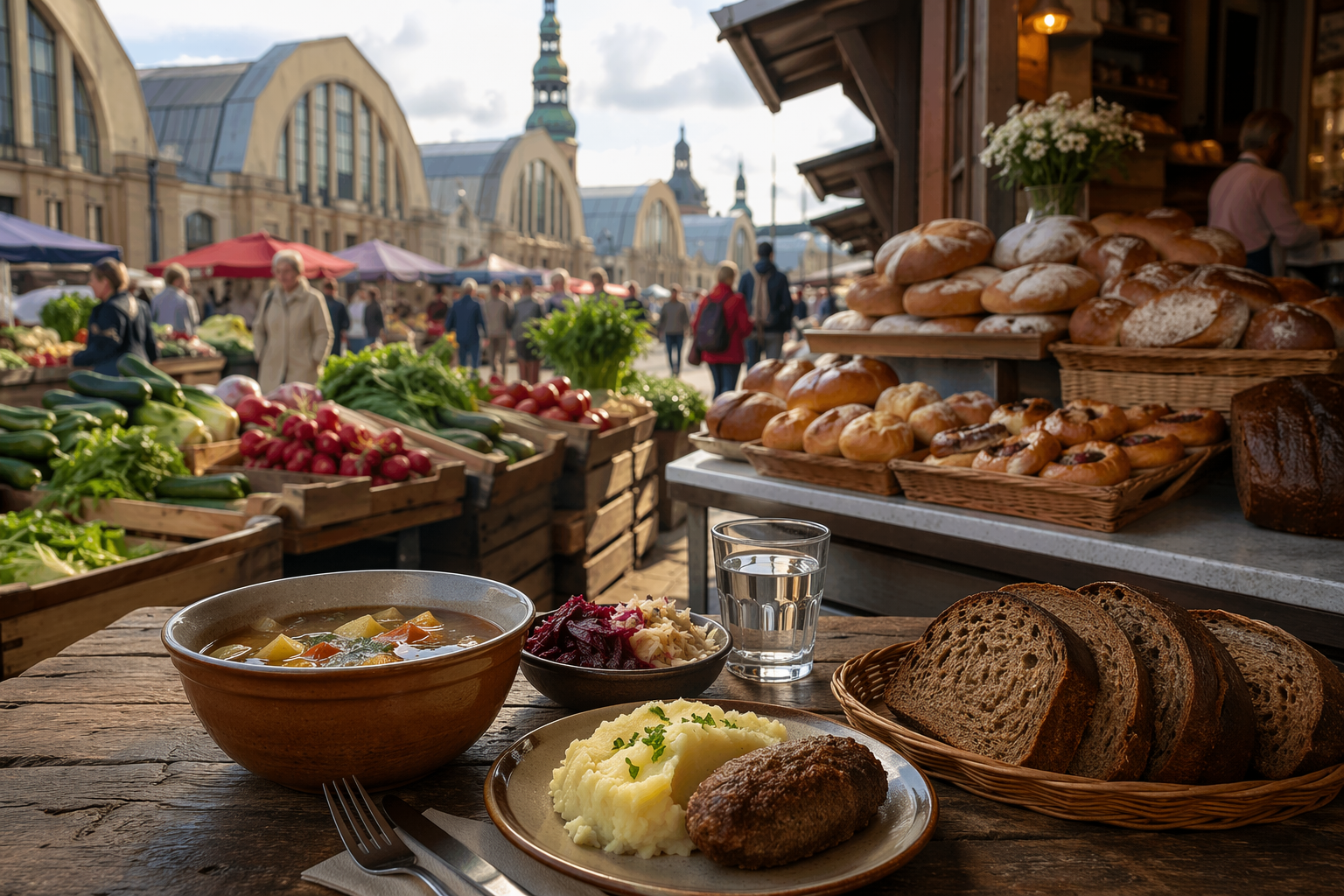
Latvia is a great place to eat well without spending your whole travel budget on restaurants. You can absolutely burn through money in Riga’s Old Town or around Jurmala’s beach streets in summer, but you do not have to. With a bit of planning, food in Latvia can be very manageable.
The key is not trying to eat the cheapest possible thing for every meal. That gets old quickly. It is more about knowing where the good-value options are, when prices jump, and which meals will actually keep you full.
This guide is aimed at budget-minded travelers visiting Riga, Sigulda, and Jurmala. It covers bakery breakfasts, market snacks, supermarket meals, casual lunches, and simple dinners, plus a few local foods worth trying along the way.
Quick answer
#As a rough guide, these are the kinds of Latvia food costs budget travelers can expect. Prices change by season, neighborhood, and restaurant type, so always check menus when you arrive.
- Bakery breakfast: Usually a few euros for pastries and coffee.
- Casual lunch or cafeteria meal: Often around €6 to €10 in local-style places.
- Simple restaurant dinner: Around €15 to €25 per person in a normal mid-range restaurant.
- Budget daily food spend: Around €15 to €25 if you use bakeries, supermarkets, markets, and casual meals.
- Comfortable mid-range daily spend: Around €30 to €45 if you add sit-down meals, desserts, and café stops.
Riga has the biggest range of prices. The Old Town can be noticeably more expensive, especially around the main tourist squares. If you move into local neighborhoods, use markets, or eat at self-service cafés, prices usually become much friendlier.
Jurmala can feel expensive in summer, particularly near the beach and along Jomas iela. Sigulda is usually easier on the budget, but if you are going hiking, it is smart to buy snacks or a simple lunch before you head out.
Daily food budget in Latvia
#Your Latvia food budget mostly depends on how often you sit down for full-service meals. Latvia is not an ultra-cheap destination, but it is still very workable if you mix restaurants with everyday local options.
Budget traveler: around €15 to €25 per day
#This range is realistic if you are happy with a mix of:
- Bakery breakfasts
- Supermarket snacks and ready meals
- Market food
- Cafeteria-style lunches
- The occasional simple sit-down meal
A normal budget day might look like this: coffee and pastries in the morning, a cafeteria lunch, fruit or a bakery snack in the afternoon, and then a supermarket hot meal or casual dinner in the evening.
It will not feel fancy every time, but it does work. You can still eat well and try plenty of local food without turning every meal into a restaurant bill.
Mid-range traveler: around €30 to €45 per day
#This gives you more breathing room for:
- A proper café breakfast
- A casual lunch
- A sit-down dinner
- Coffee, dessert, or a drink
You still do not need to spend wildly, but you can stop thinking about every euro quite so much.
Riga, Jurmala, and Sigulda compared
#Riga: Riga has the widest price range. You can pay quite a lot in the Old Town, especially near the main squares and streets aimed at tourists. But walk a little farther into local areas and prices usually calm down. Bakeries, markets, casual cafés, and supermarket counters are much better value outside the most tourist-heavy spots.
Jurmala: Jurmala is a resort town, so food close to the beach and on the popular pedestrian streets can cost more, especially in summer. If you are going for a day trip, bringing snacks or picnic food is often the easiest way to save money.
Sigulda: Sigulda is popular for nature, castles, and day trips. If you are hiking around Gauja National Park, supermarket snacks, bakery items, and packed lunches are your friends. It is much better to bring food with you than to get hungry halfway through a walk and have to accept whatever is nearby.
Bakeries
#Bakeries are one of the easiest ways to keep food costs in Latvia under control. Riga has plenty of them, but you will find good bakery options in other towns too.
Instead of paying for a hotel breakfast or sitting down at a café every morning, look for a local bakery, or maiznīca. A pastry or two with coffee can be a simple, filling breakfast for much less than a restaurant meal.
Good things to look for include:
- Pīrāgi: Small crescent-shaped buns, often filled with bacon and onion.
- Sweet pastries: Common fillings include apple, curd, berries, or seasonal fruit.
- Rye bread snacks: Dark rye bread is a Latvian staple and surprisingly filling.
- Simple sandwiches: Handy for train days, beach days, and hikes.
Bakeries are also useful when you are not ready for a full meal. Having a pastry or sandwich in your bag can save you from paying inflated tourist-area prices just because you got hungry in the wrong place. It happens more often than most travelers like to admit.
Markets
#Markets make Latvia much easier for budget travelers. They are good for snacks, picnic ingredients, ready-to-eat food, and local flavors that do not require a formal restaurant meal.
They are also just enjoyable places to wander. You get a better feel for what people actually buy and eat, not just what appears on tourist menus.
Riga Central Market
#Riga Central Market is one of the most useful food stops in the city. It is set inside huge historic market halls and has loads of options if you want to browse, snack, or put together a cheap meal.
Look for:
- Smoked fish
- Pickles
- Fresh fruit and berries in season
- Bread
- Dairy products
- Simple prepared foods
It is also a good place to try local food without committing to a sit-down restaurant.
Āgenskalns Market
#Āgenskalns Market, across the river from Riga’s Old Town, is a good choice if you want something local but still easy for visitors. It has a market feel, but also some food-hall-style options, so it works well for lunch.
It is especially useful when you want something more interesting than a supermarket meal but do not want to pay Old Town restaurant prices.
Kalnciema Quarter
#Kalnciema Quarter is known for weekend market events, with local products, breads, cheeses, and hot food depending on the day. It is not always the absolute cheapest place to eat, but it can be good value if you want to sample local products without having a full restaurant dinner.
Markets work best when you stay flexible. See what looks fresh, compare a few stalls before choosing, and keep a little small change on hand in case smaller vendors prefer it.
Supermarkets
#Supermarkets are one of the best tools for eating cheaply in Latvia. Chains like Rimi and Maxima are easy to find in Riga and are useful in smaller towns too.
They are not just for bottled water and snacks. Larger stores often have deli sections, salads, ready-made meals, and hot food counters. These are especially helpful if you are staying in a hostel, apartment, or hotel room and do not want to cook, but also do not want another restaurant meal.
Good supermarket meal ideas include:
- Hot counter potatoes, meat, fish, or vegetable patties
- Prepared salads
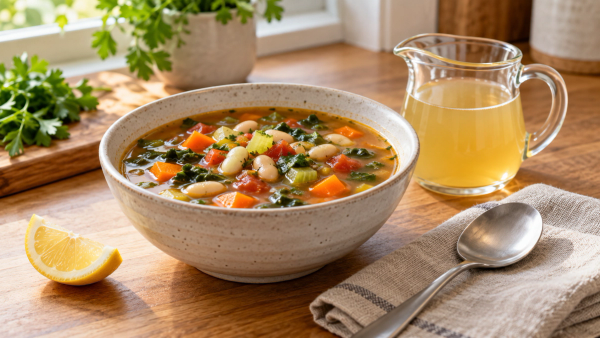
- Soup or ready meals, where available
- Bread, cheese, fruit, and yogurt
- Snacks for trains, buses, hikes, and beach days
Supermarkets are especially useful before:
- A train ride to Jurmala
- A day trip to Sigulda
- A long walk around Riga
- A late arrival when restaurants feel too expensive or like too much effort
A supermarket dinner is not the most romantic travel moment, but sometimes it is exactly what you need: cheap, quick, filling, and easy.
Cafés and casual lunch spots
#Latvia has a wide café scene. Some places are stylish coffee shops, some are full-service restaurants, and some are practical self-service cafeterias where you can get a proper meal without paying restaurant prices.
For budget meals, look for casual cafeteria-style places. These often work with a tray system. You choose from soups, potatoes, salads, dumplings, meat dishes, or vegetable sides, then pay at the counter.
This is where a €6 to €10 lunch can still be realistic in many local-style places. Just check the menu board before ordering so there are no surprises.
Cafés in central Riga can be lovely, but location matters. A coffee and cake near a major landmark may cost much more than the same kind of break a few streets away. If a café posts its menu outside, read it before sitting down. If it does not, take a quick look inside before you commit.
Modern Riga also has more options for different diets than smaller towns. If you are vegetarian or vegan, you will usually have an easier time in the capital than in more traditional local restaurants elsewhere.
What to try in Latvia
#Eating cheaply in Latvia does not mean eating badly. A lot of traditional Latvian food is simple, filling, and built around rye bread, potatoes, dairy, pork, fish, and seasonal produce.
Here are a few things worth trying.
Dark rye bread, or rupjmaize
#Latvian dark rye bread is dense, slightly sweet, and very filling. You will see it in shops, markets, cafés, and restaurants. For budget travelers, it is also perfect picnic food.
Pīrāgi
#These small buns are one of the easiest Latvian bakery foods to try. Bacon and onion is the classic filling, but bakeries often sell other savory and sweet versions too.
Grey peas with bacon
#Grey peas with bacon, or pelēkie zirņi ar speķi, is a hearty traditional dish. It is filling and usually good value if you spot it on a local menu.
Cold beet soup
#Cold beet soup, or aukstā zupa, is a bright pink soup often made with beetroot, kefir, cucumber, dill, and sometimes egg. It is especially good in warm weather and can make a lighter, cheaper lunch.
Potato pancakes
#Potato pancakes are common comfort food and often come with sour cream. They are filling, familiar, and usually budget-friendly in casual places.
Smoked fish
#Markets are a good place to look for smoked fish. Add bread, pickles, and fruit, and you have an easy picnic meal.
Curd pastries and sweets
#Latvian bakeries often use curd, fruit, poppy seeds, and seasonal fillings. If you want a low-cost dessert, a bakery will usually beat a restaurant dessert menu.
Example budget meal day in Riga
#Here is what a low-cost food day in Riga could look like. Treat this as a practical example rather than a guaranteed price list, because exact costs depend on the neighborhood, season, and current menus.
Breakfast: bakery stop, around €3 to €5
#Pick up coffee and one or two pastries from a neighborhood bakery. If you choose something filling like pīrāgi, it can easily carry you into late morning.
Lunch: cafeteria or market meal, around €6 to €10
#Go for a self-service cafeteria, market food stall, or simple lunch special. Soup plus potato pancakes, dumplings, or a basic hot plate can be enough for a full meal.
Snack: fruit, yogurt, or pastry, around €2 to €4
#Buy seasonal berries, fruit, yogurt, or a small pastry from a market or supermarket. This is especially useful if you are walking a lot, which you probably will be in Riga.
Dinner: supermarket hot counter or simple café, around €6 to €10
#For the cheapest option, use a supermarket hot counter or prepared-food section. Get potatoes or grains, a salad, and some kind of protein or vegetable patty.
If you want to sit down, look for a casual café away from the most tourist-heavy streets.
Estimated total: around €17 to €29
#If you are careful, you can stay near the lower end. If you add a sit-down dinner, dessert, drinks, or extra coffee stops, your total will move closer to a mid-range food budget.
How to avoid tourist-price traps
#A few small habits can make a real difference to your Latvia food budget.
- Check menus before sitting down, especially in Riga Old Town.
- Walk a few streets away from main squares before choosing lunch.
- Use bakeries for breakfast instead of automatically taking hotel buffets.
- Buy picnic food before going to Jurmala.
- Pack snacks before day trips to Sigulda.
- Use supermarkets for simple dinners when restaurant prices feel high.
- Do not choose a restaurant only because it is next to a major sight.
- Look for lunch specials and cafeteria-style counters.
- Save your sit-down meals for places that actually look worth it.
The goal is not to avoid restaurants completely. Latvia has plenty of enjoyable places to eat. It is more about using bakeries, markets, and supermarkets for everyday meals, then spending on restaurants when you really want the experience.