Every year when the rains hit, I get this weird mix of joy and low-key panic. I love monsoon, honestly. Chai, pakoras, petrichor, all that filmi stuff. But I also remember one awful July in Mumbai when me and my cousin ate roadside pani puri after a sudden shower and by midnight we were both curled up, miserable, racing to the bathroom every twenty minutes. That was my first proper lesson in monsoon food poisoning, and wow... the body gets humbled fast. So I wanted to write this in a practical, human way. Not to scare you, but because in India the rainy season really does bring a spike in stomach infections, and people still brush off the warning signs way too much.
Quick thing though: food poisoning can happen any time of year, but monsoon creates this perfect annoying storm: contaminated water, higher humidity, food kept out too long, flies everywhere, street food handled in less-than-great conditions, and flooding that can mess with sanitation. Recent public health messaging in India has kept repeating the same core advice for 2025 into 2026 too, which kinda tells you the problem hasn't gone away. Hospitals and local health departments still report seasonal rises in acute gastroenteritis, typhoid, hepatitis A and E clusters, and diarrheal illness once the rains properly settle in. So yeah, it's not just "sensitive stomach" season. It's actually a real risk.
Why monsoon food poisoning gets worse in India, like specifically here
#A lot of us grew up hearing "baarish mein bahar ka mat khao" and maybe rolling our eyes. But the logic is pretty solid. During monsoon, water sources can get contaminated with sewage. Fresh produce washed in unsafe water can carry germs. Milk and dairy spoil faster if the cold chain breaks even for a bit. Leftovers sit in warm, damp kitchens and bacteria multiply like crazy. And then there are the usual suspects: cut fruit sold in the open, chutneys, pani from golgappa stalls, undercooked meat, seafood that wasn't stored right, mayo-based sandwiches, reheated rice, and those tempting fried snacks made with oil that's been reused too many times. Some of the major bugs linked with foodborne illness in India include E. coli, Salmonella, Shigella, Campylobacter, Staph toxins, norovirus, rotavirus in kids, and sometimes Vibrio species in contaminated water or seafood. Not all of these are technically identical, but from the patient's side it feels like one thing: your stomach has declared war.
- Unsafe drinking water or ice from questionable sources
- Street food exposed to flies, rainwater splash, or poor hand hygiene
- Leafy vegetables and raw salads washed in contaminated water
- Seafood, chicken, eggs, paneer, milk products kept at the wrong temp
- Leftover rice and curries left out too long before reheating
- Food delivery delays during heavy rain, which people forget about but it's a real thing now in 2026 city life
That last point matters more than people think. With app deliveries being such a huge part of urban eating now, food safety people have been talking more about delivery-time temperature control, tamper seals, and hot-food holding practices. If your meal took forever in traffic, arrived lukewarm, and smells a bit off... please don't do that thing where you say "chalega." Sometimes it really won't chalega.
What food poisoning actually feels like in the beginning
#This part can be sneaky. Symptoms may start within a few hours, or it can take a day or more depending on the germ or toxin. In my case it started with this uneasy, sloshy feeling in the stomach. Then nausea. Then cramps. Then full-on regret. The classic symptoms are pretty well known, but what matters is the pattern and intensity.
- Nausea or sudden urge to vomit
- Vomiting, sometimes repeatedly
- Loose motions or watery diarrhea
- Cramping abdominal pain
- Bloating, gas, stomach churning
- Mild fever, weakness, body ache
- Headache and that drained, hollow feeling after dehydration starts creeping in
For many healthy adults, mild food poisoning improves with rest and hydration in 1 to 3 days. But not always. And this is the bit I wish someone had drilled into my head sooner: the real danger often isn't just the infection itself, it's dehydration. You lose water, sodium, potassium, everything, and then people keep saying "I'm fine" while looking like a wilted plant. Especially kids and older adults. They can go downhill way faster.
The red flags — when it stops being a home-remedy situation
#Okay, this is probly the most important section in the whole post. If you remember nothing else, remember this. There are some symptoms where you should stop Googling, stop asking random family WhatsApp groups, and get proper medical help. Same day, ideally. Sometimes urgently.
- Signs of dehydration: very dry mouth, dizziness, confusion, extreme weakness, sunken eyes, barely passing urine, or dark yellow urine
- Blood in stool, black stool, or mucus-heavy diarrhea
- Repeated vomiting so you can't even keep sips of water or ORS down
- High fever, especially 38.5°C or more, or fever with severe chills
- Severe stomach pain, rigid abdomen, or pain focused in one area
- Diarrhea lasting more than 2 to 3 days in adults, or worsening instead of improving
- Any symptoms in infants, frail elderly people, pregnant women, or people with diabetes, kidney disease, liver disease, cancer treatment, or low immunity
- Signs that suggest jaundice or hepatitis-type illness: yellow eyes, dark urine, unusual fatigue, pale stool
In children, watch for no tears while crying, unusual sleepiness, fewer wet diapers, refusing feeds, or a child who just seems floppy and not right. Parents know the vibe when a kid goes from cranky to concerning. Trust that instinct. In monsoon months, doctors in India stay alert not only for routine food poisoning but also waterborne infections that can present similarly at first, including cholera in outbreak settings, enteric fever, and hepatitis A or E. So don't self-diagnose too confidently. Bodies are messy, and symptoms overlap.
If someone is getting drowsy, confused, unable to drink, passing very little urine, or has blood in vomit or stool, please don't wait for some magical homemade fix to kick in.
What to do in the first 24 hours, from someone who's messed this up before
#The first time I got sick, I made all the classic mistakes. Drank cola because somebody said it settles the stomach. Ate spicy khichdi too early because I was starving. Took random leftover antibiotics from a drawer, which was just... dumb, frankly. What works better is much more boring, but boring wins here.
- Sip fluids slowly and often, not huge gulps if you're nauseous
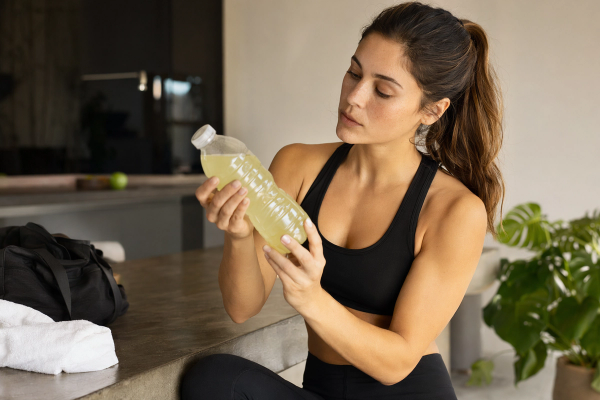
- Use ORS if you have diarrhea or vomiting. Ready-made sachets are best because the salt-sugar balance matters
- If ORS isn't available immediately, temporary homemade sugar-salt solution can help, but proper ORS is safer and more reliable
- Rest your stomach. Start with bland foods once vomiting settles: rice, banana, toast, curd if tolerated, plain khichdi, applesauce-style soft fruit, idli, dal water
- Avoid alcohol, very oily food, raw salads, heavy dairy, and excessive caffeine for a bit
- Wash hands after every bathroom trip and before touching food, otherwise the whole house gets dragged into the drama
Current clinical advice still strongly supports oral rehydration as the backbone of treatment for most mild to moderate gastroenteritis. Honestly, ORS is one of those unglamorous things that deserves more hype than half the wellness products on Instagram. It actually saves people. In 2026 wellness culture everyone wants gut shots and fancy probiotics and electrolyte tabs with neon branding, but plain ORS remains the real MVP when dehydration is the issue.
About medicines... because this gets confusing fast
#People in India often self-medicate for stomach issues. I get why. Pharmacies are accessible, family members all have opinions, and nobody wants a hospital visit in pouring rain. But some meds can be useful, and some can make things worse if used wrong. Anti-vomiting medicines and certain antidiarrheals may be prescribed in the right setting, but they are not for everyone. If there's fever, blood in stool, or suspicion of invasive infection, blindly stopping diarrhea isn't always smart because your doctor may want to know what's going on and choose treatment based on the pattern. And antibiotics? Please don't start them casually. A lot of food poisoning is viral or toxin-mediated, so antibiotics may not help at all. Overuse also adds to antimicrobial resistance, which is a huge public health issue in India and globally, and doctors are way more vocal about this now than even a few years ago.
Some doctors may suggest probiotics in selected cases, and there is growing interest in gut microbiome recovery after acute gastroenteritis. That's definitely a current health trend in 2026. The evidence is mixed depending on the probiotic strain, the age group, and the illness, so I personally think of probiotics as maybe helpful, not magical. I like curd and buttermilk once my stomach calms down, but when I'm actively vomiting? Nope, not happening.
Monsoon foods and habits I personally become extra strict about
#This is where I sound like my mother, but maybe mothers were onto something. During rainy season, I really do cut down on a few things. Not because I'm trying to be joyless, just because I hate getting sick more than I love being reckless for ten minutes.
- Raw chutneys and street-side pani unless I'm very sure about the place
- Cut fruits sitting uncovered
- Leafy salads outside home during heavy monsoon weeks
- Seafood from places with doubtful storage or weird smell
- Buffet food that's been sitting warm forever
- Tap water, random ice cubes, and juice diluted with unknown water
At home I wash produce more carefully, keep cooked food refrigerated quickly, reheat leftovers till properly hot, and try not to leave rice sitting out. Rice in particular can be a problem if cooked and then left at room temp too long because certain bacteria can produce toxins. It's such a basic thing and still so easy to ignore when you're chatting, watching rain, getting distracted, you know?
People who need extra caution, no matter how "small" the symptoms look
#I feel really strongly about this because families often under-react in the wrong people. A fit 25-year-old with one day of diarrhea is not the same situation as a toddler, a pregnant woman, or someone's granddad with kidney disease. Dehydration and infection can get serious much quicker in these groups.
| Higher-risk group | Why extra careful matters | What to do |
|---|---|---|
| Infants and young children | They dehydrate fast and may not communicate symptoms clearly | Call a doctor early, keep track of urine and feeds |
| Older adults | Lower fluid reserve, more dizziness, more medication interactions | Seek medical care sooner rather than later |
| Pregnant women | Risk from dehydration and certain infections including hepatitis E concerns in endemic settings | Don't self-medicate, contact a doctor promptly |
| People with diabetes | Vomiting/diarrhea can disrupt sugars and medicines | Monitor glucose, fluids, and seek advice early |
| Immunocompromised patients | Higher risk of severe infection | Low threshold for clinical evaluation |
| Kidney or heart disease patients | Fluid balance is more complicated | Don't overdo fluids without guidance if symptoms are significant |
A few myths I still hear every monsoon
#Oh god, the myths. Every family has at least three. Some are harmless, some not so much.
- "Don't drink water during diarrhea" — absolutely wrong. Hydration is the main thing
- "Only spicy food will kill the germs" — no, it'll just make your angry stomach angrier
- "If you vomit once, it's just acidity" — maybe, but repeated vomiting needs attention
- "Antibiotics fix all stomach infections" — they don't, and misuse is a legit problem
- "If everyone ate the same thing and only one person got sick, it can't be food poisoning" — also false. People react differently, and contamination may be uneven
One more myth, sort of modern this time: that every stomach problem can be solved with a gut health supplement. I actually care a lot about gut health, but let's be real. No capsule undoes contaminated water. Prevention and rehydration beat branding.
What prevention looks like in real life, not just posters on clinic walls
#The latest public health messaging keeps coming back to a few basic habits because, well, they work. Safe water. Freshly cooked food. Handwashing with soap. Proper reheating. Avoiding cross-contamination between raw and cooked food. Eating hot food while it's hot. Refrigerating leftovers quickly. Washing cutting boards. Not buying from visibly unhygienic places. Boring? Yes. Effective? Also yes.
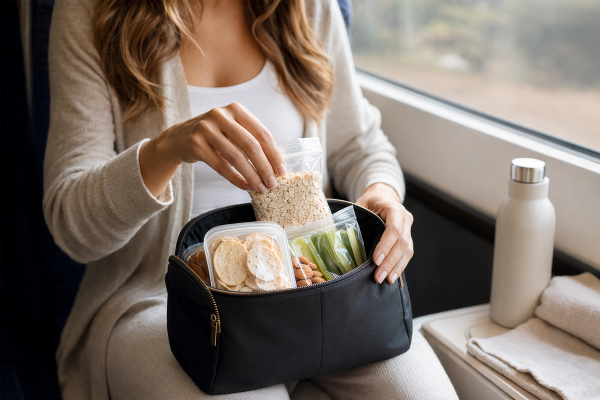
A practical monsoon routine that I actually follow now: I carry a water bottle from home, skip raw roadside garnishes, ask for no ice if I'm unsure, choose cooked-over-raw when eating out, and keep ORS sachets in the house all season. If I order in, I check whether the food is still hot on arrival and I don't save dubious leftovers for "tomorrow lunch." Honestly, that's where younger me kept messing up. Also, if your area has floodwater issues or local advisories about water contamination, boil drinking water or use a trusted purifier. During outbreaks or municipal supply concerns, that's not overreacting. It's common sense.
So when should you get tested, and for what?
#Not every upset stomach needs lab work. But if symptoms are severe, prolonged, bloody, associated with high fever, or part of a local outbreak, a doctor may advise stool testing, blood work, or evaluation for enteric fever, hepatitis, or other infections depending on the symptoms. This is one place where online health content gets a little too casual sometimes. In India during monsoon, not all "food poisoning" is simple food poisoning. It can overlap with broader waterborne disease patterns, and treatment may depend on identifying the cause. If you recently travelled, ate shellfish, drank contaminated water, or multiple family members got sick, tell the doctor. Those details matter more than people think.
My honest take on recovery, because the weakness after is real
#Even after the vomiting stops, I always feel wiped out for a day or two. Kinda shaky, no appetite, a bit dramatic emotionally too if I'm being honest. That's normal to an extent. The gut needs time. I usually ease back in with simple meals, more fluids, and sleep. Some people get temporary lactose intolerance or a sensitive stomach for a little while after a bout of gastroenteritis, so if milk suddenly feels awful, you're not imagining it. Go gentle. If symptoms keep lingering, though, don't just keep guessing. Recovery should move generally upward, not sideways for a week.
And maybe this is the wellness part of the post, if there has to be one: resilience is not pretending you're fine. Resilience is paying attention early. The whole "I can push through anything" attitude sounds cool till you're fainting from dehydration in a clinic waiting area. Been there, not fun, very embarassing.
Final thoughts before you go make chai and ignore me
#Monsoon in India is beautiful, emotional, nostalgic, all of it. But it's also the season to become a little fussy about food and water, and that's okay. If you get nausea, vomiting, diarrhea, cramps, or fever after eating something questionable, take it seriously early. Start hydration. Rest. Eat bland. Watch for dehydration and red flags like blood in stool, high fever, severe pain, or inability to keep fluids down. And if the person is a child, elderly, pregnant, or already medically vulnerable, don't wait around trying five home remedies first.
I still eat pakoras in the rain, so I'm not claiming sainthood here. I just choose cleaner places now, and I don't romanticise the aftermath anymore. Anyway, take care of your stomach this monsoon. Keep ORS at home. Wash your hands. Be a little less "chalega." And if you like reading practical health stuff without too much fluff, you can wander over to AllBlogs.in too.