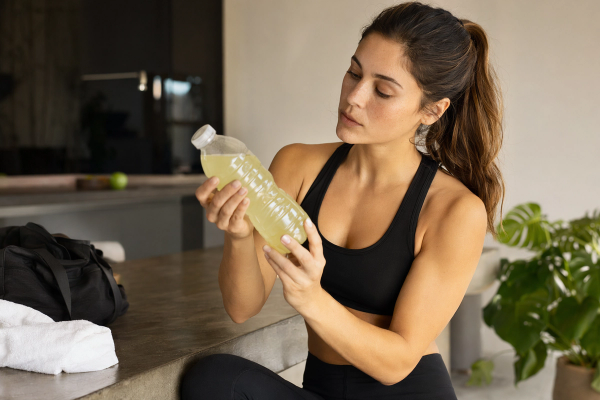
Summer lunches can be confusing, right?
The same dal, rice, roti, sabzi, pickle, and chai that feels perfectly fine in winter can suddenly feel too heavy in May or June. By afternoon, your stomach feels tight. You get sour burps, bloating, burning, or that slow, sleepy heaviness that just won’t go away.
If that sounds familiar, you’re probably trying to figure out a better Indian lunch for acidity in summer.
The good news is that you don’t have to give up Indian food. Not at all. Most of the time, your lunch just needs to be simpler: less oily, less spicy, softer, and not too big. In summer, the stomach often handles light grains, thin dals, mild sabzis, cooling sides, and smaller portions much better.
This article is not a medical treatment plan, and it cannot diagnose why you’re getting acidity or reflux. But it can help you build a practical, everyday summer acidity lunch that feels easier on the stomach.
Quick answer
#A good Indian lunch for acidity in summer is usually fresh, mild, soft, and moderate in portion size.
In simple terms:
- Choose plain rice, soft phulkas, or light khichdi instead of parathas, puris, biryani, or oily pulao.
- Prefer yellow moong dal, thin dal, or moong dal khichdi over heavier options like rajma, chole, urad dal, or thick dal fry.
- Add gentle summer vegetables like lauki, tori, pumpkin, parwal, or other soft-cooked sabzis.
- Keep the masala simple. Jeera, haldi, dhaniya powder, coriander leaves, and a little hing, if it suits you, are usually enough.
- Cut down on red chilli, garam masala, heavy onion-tomato gravies, pickles, fried foods, tamarind, and strong chai or coffee after lunch.
- Eat a moderate portion. Don’t lie down immediately after eating.
- Drink enough water through the morning, but avoid gulping a lot of water with your meal.
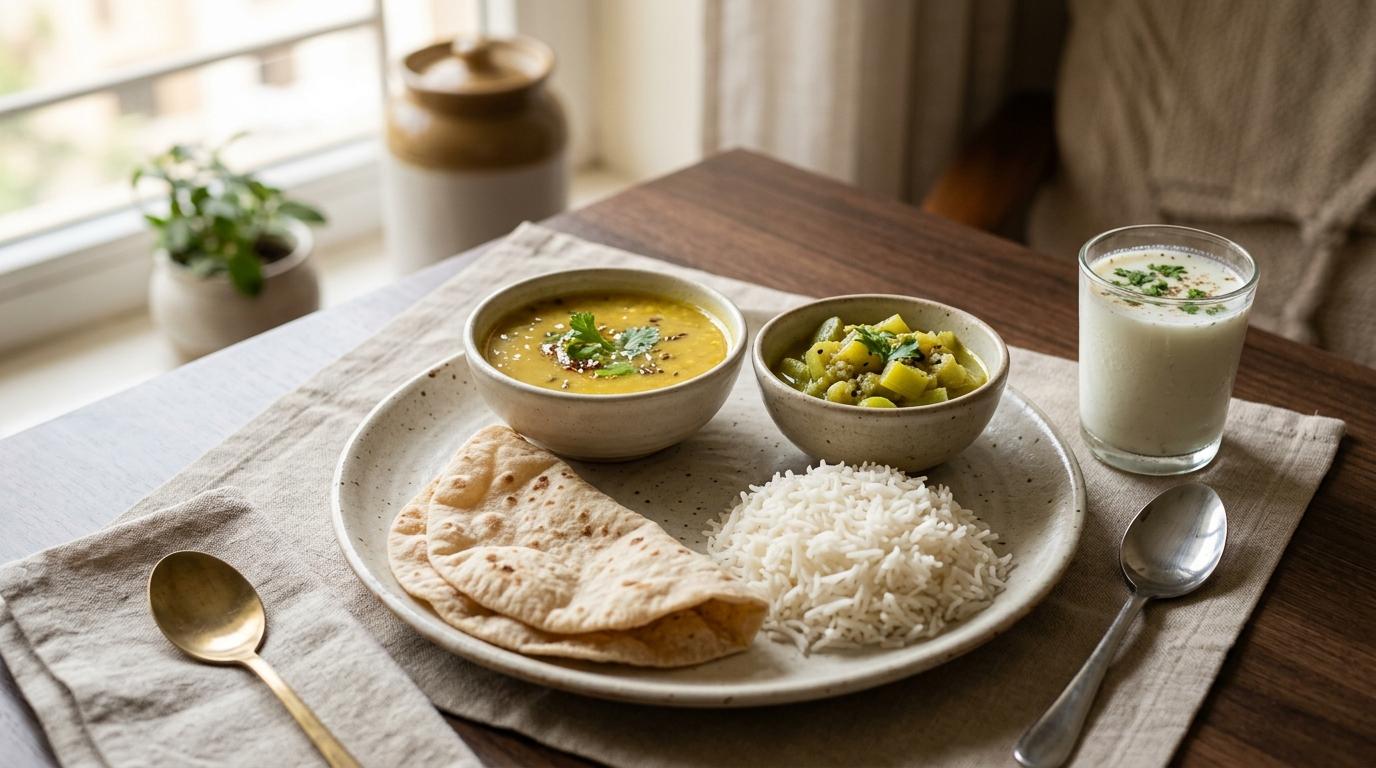
A simple lunch plate could be: soft rice or 2 phulkas, thin moong dal, lauki or tori sabzi, plain chaas, and maybe a small portion of ripe papaya later if it suits you.
If your acidity is frequent, severe, getting worse, or comes with chest pain, vomiting, difficulty swallowing, blood in vomit or stool, or unexplained weight loss, please speak to a doctor.
Why summer lunches can trigger acidity
#Summer acidity is not always because of one “bad” food. Many times, it’s a combination of heat, dehydration, delayed meals, big portions, spicy food, and sitting in one place after eating.
In many Indian homes, lunch is a proper thali: dal, rice, roti, sabzi, curd, pickle, papad, salad, and maybe something fried on the side. On a cooler day, your stomach may handle it. But in hot weather, the same plate can suddenly feel like too much.
Another common issue is water intake. Some people don’t drink enough water through the day. Others get busy, delay lunch, stay hungry for hours, and then eat a large meal quickly. That can easily make acidity worse. A very full stomach creates pressure, and that pressure can push acid upwards, especially if you sit bent over a desk or lie down soon after eating.
Then there’s the usual masala problem. A lot of lunch dishes are made with a strong tadka or bhuna masala: red chilli, garam masala, garlic, onion, tomato, and extra oil. These ingredients are not “bad” for everyone. But if you already have acidity or reflux, they can bring on burning, sour burps, or heaviness.
Fried foods can also be a problem. Oily foods tend to sit in the stomach for longer, so you may feel bloated and uncomfortable for hours. For some people, they also make reflux worse.
A few summer habits can add to the trouble:
- Strong chai immediately after lunch
- Coffee to fight post-lunch sleepiness
- Pickle with every bite
- Chilled aerated drinks
- Eating too fast
- Lying down after food
- Late, spicy dinners the previous night
So the goal is not to make lunch boring. The goal is to reduce the load on digestion.
A good summer lunch should do four things:
- Give you enough energy for the afternoon.
- Avoid common reflux triggers.
- Keep oil and spice under control.
- Leave you comfortable, not stuffed and sleepy.
If your acidity starts early in the day, lunch can become harder to manage too. You may also want to plan breakfast better with these light Indian breakfasts for acidity in summer.
Best Indian lunch plate for acidity
#A light Indian lunch for acidity works best when the whole plate is planned well. If your dal is mild but your sabzi is oily, or your rice is plain but you add a lot of pickle, your stomach may still react.
Here’s an easy way to build your lunch plate.
1. Start with a soft, simple grain
#The grain part of your meal should be easy to chew and digest. It should not be oily, rich, or too dry.
Good options include:
- Plain steamed rice
- Soft phulkas
- Light moong dal khichdi
- Soft curd rice, if curd suits you
- Mild vegetable daliya
- Plain rice with thin dal
Plain rice is often comfortable for people who feel burning after spicy food. Just keep it simple. Avoid turning it into oily pulao, fried rice, biryani, or masala rice when your stomach is already sensitive.
If you prefer wheat, go for soft phulkas without ghee on top. Thick, dry rotis can feel heavy, especially if you eat quickly. Stuffed parathas, aloo paratha with butter, puri, bhatura, and naan are better kept for days when your digestion feels normal.
Khichdi is one of the easiest Indian lunch options for summer acidity. Make it soft and slightly watery with rice and yellow moong dal. Use a mild tempering with jeera, haldi, a tiny pinch of hing if it suits you, and very little oil or ghee.
2. Choose a lighter dal or protein
#Dal is part of everyday lunch in many Indian homes, but not every dal feels light.
For acidity, bloating, or heaviness, yellow moong dal is usually gentler than heavier legumes. Cook it well and keep it thin. A watery moong dal with rice is usually easier on the stomach than thick dal fry with lots of tadka.
Better lunch choices include:
- Thin yellow moong dal
- Moong dal khichdi
- Moong dal with lauki
- Mild dal soup
- Daliya with moong dal
- Soft moong dal cheela, if it suits you
Be more careful with:
- Rajma
- Chole
- Black chana
- Urad dal
- Dal makhani
- Thick dal fry with too much oil, garlic, chilli, and garam masala
This does not mean you can never eat rajma or chole. It just means they may not be the best choice for a summer acidity lunch, especially if they usually give you gas, sour burps, or heaviness.
If you eat curd or buttermilk, keep it plain and simple. Avoid spicy boondi raita or curd with lots of chilli, salt, and masala when acidity is active.
3. Add a gentle summer sabzi
#Summer vegetables can be very helpful when they are cooked lightly. Choose sabzis that are not oily, not very spicy, and not cooked in a heavy masala base.
Good options include:
- Lauki sabzi
- Tori or turai sabzi
- Pumpkin or kaddu sabzi
- Parwal with light masala
- Soft-cooked carrots or beans, if they suit you
- Mild cabbage or capsicum, only if they don’t cause gas for you
Lauki and tori are common summer vegetables for a reason. They are light, watery, and easy to cook in a simple way. They taste good with jeera, haldi, dhaniya powder, and coriander leaves. Pumpkin can also feel soft and soothing when cooked with less spice.
Try not to cook every sabzi in the same heavy onion-tomato masala. It may taste good, yes, but it can feel sharp and heavy when acidity is already troubling you. If tomato gives you burning, reduce it or skip it. If onion and garlic make you burp, use them lightly.
A good acidity-friendly sabzi should not have oil floating on top. It should be soft, moist, and mild.
4. Add a cooling side, but keep it light
#Many Indian lunches include curd, raita, or chaas. These can feel cooling, but they don’t suit everyone.
If curd suits you, try:
- A small bowl of plain curd
- Diluted curd as chaas
- Chaas with roasted jeera and a little salt
- Plain curd rice with mild seasoning
Avoid:
- Spicy chaas with green chilli
- Heavy tadka curd
- Boondi raita
- Very sour curd
- Large bowls of thick full-fat curd, if it makes you feel heavy
Chaas is often lighter than thick curd because it is diluted. Keep it mild. Roasted jeera adds flavour without making it too spicy.
You can also have a small portion of fruit later, instead of adding it to the main meal. Ripe papaya or banana may suit some people. But if fruit with lunch makes you bloated, keep it for a separate snack time.
5. Keep portions moderate
#Even a healthy lunch can trigger acidity if the portion is too large.
A simple plate formula:
- Half plate: light sabzi or soft vegetables
- One quarter: rice, phulka, or khichdi
- One quarter: dal or light protein
- Side: small chaas or plain curd, if tolerated
Eat slowly. Chew properly. Stop before you feel completely full. The goal is to feel satisfied, not packed.
This one habit can make a big difference. Many people eat lunch too quickly because of work, calls, or office pressure. But acidity often gets worse when food is eaten fast and in large bites.
Light Indian lunch ideas for acidity in summer
#Here are some easy lunch combinations you can rotate. These are not strict recipes, just simple ideas for regular home food.
1. Moong dal khichdi with lauki
#Make soft khichdi with rice, yellow moong dal, and lauki pieces. Keep it slightly watery. Use jeera, haldi, salt, and coriander. Skip red chilli, or use only a tiny amount.
Serve with plain chaas if it suits your stomach.
2. Steamed rice, thin moong dal, and tori sabzi
#This is a very simple lunch for hot days. Keep the dal thin and the sabzi light. Avoid pickle and papad if acidity is already troubling you.
3. Soft phulkas with pumpkin sabzi and plain curd
#Have two soft phulkas instead of oily parathas. Pair them with mild kaddu sabzi. Add a small bowl of plain curd only if curd does not make you feel heavy.
4. Curd rice with a mild vegetable side
#Curd rice can feel cooling for some people, especially if the curd is fresh and not sour. Keep the tempering mild. Avoid green chilli, too much mustard, and spicy pickle on the side.
5. Vegetable daliya
#Soft vegetable daliya is filling without being greasy. Use mild vegetables and simple seasoning. Avoid too much masala, garlic, or chilli.
6. Rice with lauki-moong dal
#Cook lauki and moong dal together until both are soft. Eat it with plain rice or a soft phulka. This is one of the easiest ways to make dal feel lighter.
7. Mild vegetable oats
#If you’re bored of rice and roti, savoury oats with soft vegetables can work. Keep the texture soft and the spices gentle.
8. Thin dal soup with phulka
#On days when your stomach feels upset, a thin dal soup with one or two soft phulkas may be enough. Don’t force yourself to eat a full thali just because it is lunchtime.
Foods to limit or avoid
#Knowing Indian foods to avoid for acidity is just as useful as knowing what to eat. Triggers are different for everyone, but some foods commonly make acidity, reflux, bloating, and heaviness worse.
Deep-fried foods
#Limit or avoid:
- Pakora
- Puri
- Bhatura
- Kachori
- Samosa
- Fried papad
- Fried bhindi or aloo
- Oily leftover snacks
Deep-fried foods are heavy and may slow digestion. In summer, they can feel even more uncomfortable, especially during lunch.
Very spicy foods
#Be careful with:
- Red chilli powder
- Green chilli
- Heavy garam masala
- Too much black pepper
- Spicy chutneys
- Very hot curries or Kolhapuri-style gravies
You don’t need to remove all flavour from your food. Just move towards gentler spices like jeera, dhaniya powder, haldi, coriander leaves, and maybe saunf if it suits you.
Sour and acidic foods
#Some people with reflux feel worse after sour foods. Watch your reaction to:
- Tamarind
- Vinegar-based foods
- Raw mango
- Lemon-heavy salads
- Very sour curd
- Tomato-heavy gravies
- Citrus fruits around lunch
You may tolerate small amounts, but during an active acidity phase, it is better to keep sourness low.
Pickles and spicy condiments
#Pickle is a regular lunch add-on in many homes, but it can be a strong trigger. Most Indian pickles are high in oil, salt, chilli, and sourness. Spicy chutneys and instant masala mixes can also irritate the stomach.
If you’re trying to calm acidity, skip pickle for a few days and notice what happens. Many people see a difference.
Heavy legumes and rich dals
#Limit these during acidity flare-ups:
- Rajma
- Chole
- Black chana
- Urad dal
- Dal makhani
- Thick dal tadka with lots of oil
These foods can be nutritious, but they can also cause gas or heaviness in sensitive stomachs. Keep them for days when your digestion is settled, and eat smaller portions.
Strong tea or coffee after lunch
#Post-lunch chai feels comforting, but it can worsen acid reflux for some people. Coffee can do the same. If you notice burning or sour burps after tea or coffee, try delaying it, reducing the strength, or replacing it with plain water or mild saunf water.
Also, don’t use caffeine every day to fight post-lunch sleepiness. Sometimes the real issue is simply that lunch was too heavy.
Aerated drinks and very cold sugary drinks
#Cold fizzy drinks may feel refreshing for a few minutes, but they can increase burping and discomfort. Sugary drinks can also feel heavy in summer. Plain water, coconut water if it suits you, or mild chaas are usually better choices.
Meal timing and summer habits that help
#Food choices matter, but timing matters too.
Try not to stay hungry for too long and then eat a huge lunch. Long gaps can make you overeat quickly, and a sudden large meal may worsen reflux or bloating.
A practical summer routine can look like this:
- Light breakfast
- Water through the morning
- Small gentle snack if needed
- Moderate lunch
- Light evening snack
- Early and simple dinner
After lunch, don’t lie down immediately. Sit upright, or take a slow, easy walk for a few minutes. Avoid intense exercise right after eating.
Hydration also matters. Drink water through the morning instead of suddenly drinking a lot with lunch. During the meal, sip only if needed. Gulping too much water with food can make some people feel bloated.
Dinner affects next-day acidity too. If lunch is light but dinner is late, oily, and spicy, symptoms may continue. For evenings, you can check these Indian dinners for acidity in summer and keep the whole day easier on your stomach.
A simple 3-day summer acidity lunch plan
#Use this as a flexible guide, not a strict diet chart.
Day 1
#Lunch: Soft rice, thin yellow moong dal, lauki sabzi, plain chaasAvoid with it: Pickle, fried papad, strong chai immediately after lunch
Day 2
#Lunch: Moong dal khichdi with tori, small bowl of plain curd if toleratedAvoid with it: Green chilli tadka, spicy chutney, raw onion salad
Day 3
#Lunch: Two soft phulkas, pumpkin sabzi, thin dal, room-temperature waterAvoid with it: Heavy masala gravy, kachori, post-lunch coffee
You can repeat these combinations with small changes. The main idea is simple: keep lunch soft, mild, and moderate.
When to seek medical advice
#Occasional acidity after a heavy or spicy lunch can happen. But frequent or severe symptoms should not be ignored.
Speak to a doctor or qualified medical professional if:
- You get acidity or acid reflux often.
- Symptoms are severe or getting worse.
- You have chest pain.
- You have repeated vomiting.
- You have difficulty swallowing.
- You notice blood in vomit or stool.
- You are losing weight without trying.
- Symptoms do not improve even after food and lifestyle changes.
Chest pain needs extra caution. Acid reflux can feel like chest discomfort, but chest pain can also be related to heart problems. Please don’t self-diagnose it by changing food only.
This article is for general meal planning and awareness. It is not a diagnosis, cure, or replacement for medical care.