The goal is not a “perfect” reflux diet — it’s a calmer travel day
#Travel is already a little chaotic. Delayed flights, long drives, hotel breakfasts that are somehow both huge and weirdly unsatisfying, airport coffee calling your name at 6 a.m. — it’s a lot. If you deal with acid reflux or GERD symptoms, the food part can feel especially annoying because the easiest travel snacks are often the exact ones that commonly stir things up: greasy chips, chocolate, peppermint, spicy trail mix, citrus drinks, giant coffees, fried sandwiches, fizzy sodas. Fun, right?
A travel snack kit for acid reflux is basically a small, boring-in-the-best-way safety net. Not a medical treatment. Not a cure. Just a practical way to avoid getting stuck hungry with only hot wings and orange juice available. Reflux triggers vary a ton from person to person, so the smartest kit is flexible: foods you already tolerate well, portions that don’t make you feel overly full, and a few backup options for when travel timing gets messy.
For medical grounding, organizations such as the National Institute of Diabetes and Digestive and Kidney Diseases and the American College of Gastroenterology commonly discuss lifestyle factors that may affect reflux, including large meals, eating close to bedtime, high-fat foods, alcohol, caffeine, chocolate, peppermint, spicy foods, and acidic foods like tomato or citrus. That does not mean every person must avoid every one of those forever. It means they are worth watching, especially while traveling, when sleep, stress, meal timing, and food choices all get shuffled.
First, a quick safety note before the snack lists
#If reflux symptoms are new, severe, worsening, or happening often, it’s worth checking in with a qualified healthcare professional instead of trying to snack-hack your way through it. And if you have chest pain, trouble breathing, pain spreading to the arm or jaw, fainting, vomiting blood, black stools, unexplained weight loss, trouble swallowing, or food getting stuck, treat that as urgent and get medical help. Reflux can feel “digestive,” but chest symptoms especially should not be guessed at.
Also, if you take reflux medicine — whether an antacid, H2 blocker, proton pump inhibitor, or something else — travel snacks should fit around the plan your clinician gave you. Don’t change medication timing, double up, or stop something because a blog post made oatmeal sound powerful. Oatmeal is nice. It is not a doctor.
How to build a reflux-friendly travel snack kit
#The best kit is simple, low-mess, and not too exciting. That sounds sad, but honestly, “exciting” travel snacks are often spicy, sour, fried, minty, chocolatey, caffeinated, or carbonated. A calmer kit usually leans on mild carbohydrates, low-acid fruit, small protein portions, and water. Think: enough food to prevent that desperate, over-hungry feeling without turning the car seat or plane tray into a buffet.
Portion size matters more than people give it credit for. A food may be tolerated in a small amount but feel awful when eaten quickly in a big serving. Large meals can increase stomach pressure and may make reflux more likely for some people. So instead of packing one massive snack bag, it can help to divide food into smaller portions — little containers, snack-size bags, or just pre-planned amounts. Nothing fancy. Just less “oops, I ate the whole thing while waiting at Gate B12.”
- Aim for familiar foods you already tolerate at home, not brand-new “healthy” snacks you found at the airport.
- Choose mild, lower-fat snacks most of the time, because fatty foods can slow stomach emptying and may worsen reflux for some people.
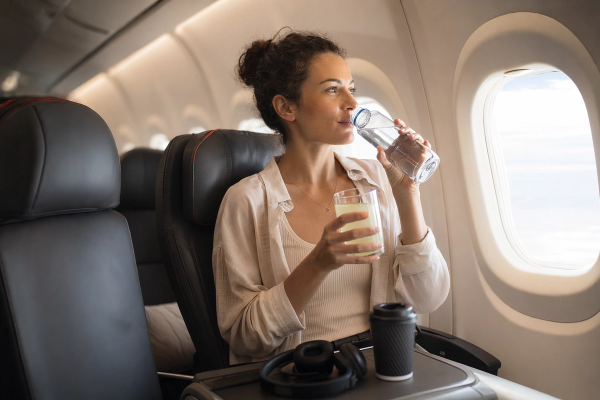
- Keep drinks simple: water is usually the safest default. Herbal tea may work for some, but peppermint tea is a common reflux trigger, so be careful there.
- Pack enough to avoid long hungry gaps, but not so much that snacking becomes constant grazing all day.
Pack: the safest starting-point snacks for most trips
#“Pack” foods are the things you bring from home because they’re predictable. They survive a backpack, don’t smell up the plane, and are less likely to leave you dependent on whatever the gas station hot case is offering. Again, tolerance is personal, but these are commonly reasonable starting points for many reflux-prone travelers.
Dry, mild, shelf-stable basics
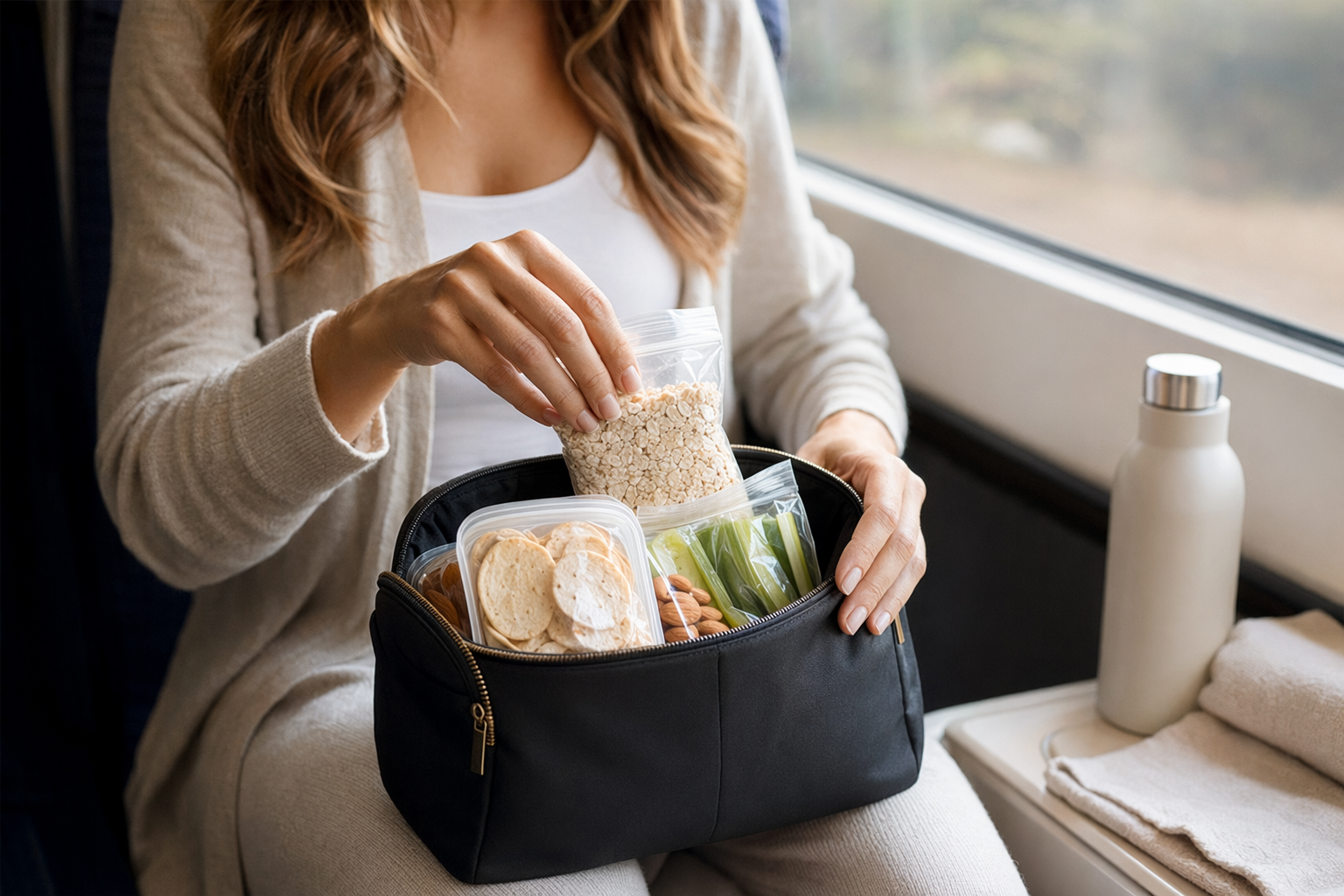
#Plain crackers, rice cakes, dry cereal, low-fat pretzels, plain bagels, and simple oat-based bars can be useful because they’re mild and easy to portion. Look for bars without chocolate, peppermint, chili, lots of citrus flavoring, or a heavy nut-butter coating if those bother you. Some “wellness” bars are basically candy bars wearing hiking clothes, so it’s worth glancing at the label.
Instant oatmeal packets are underrated for travel. Many hotels, airports, and convenience stores have hot water, and plain or lightly sweetened oatmeal can be a gentle breakfast or late dinner backup. If cinnamon bothers you, skip the cinnamon-heavy packets. If added sugar makes you feel off, choose plain. If neither matters for you, great — keep it easy.
Fruit that is usually less acidic
#Bananas are the classic travel pick because they’re portable, soft, and low acid. Melon chunks can also be a gentler option if you can keep them cold. Apples or pears work for some people, though raw fruit fiber can feel uncomfortable for others, especially during a bumpy travel day. Citrus fruits like oranges, grapefruit, and lemonade-style drinks are more likely to be irritating for many reflux sufferers, so those usually belong in the “be cautious” category.
One small practical thing: bring fruit that won’t punish you for forgetting about it. A banana is great until it becomes banana paste at the bottom of a tote. A firm pear, applesauce cup, or sealed fruit pouch may travel better, but check ingredients if acidic fruit blends bother you.
Protein, but not a greasy protein bomb
#Protein can help make snacks feel more satisfying, but high-fat protein snacks may be a problem. Jerky, salami sticks, pepperoni, fried chicken bites, and cheese-heavy snack packs can be salty, spicy, fatty, or all three. If you tolerate them, that’s your business, but they’re not usually the gentlest first choice.
Better options may include a small turkey sandwich without tomato and heavy mayo, low-fat yogurt if dairy works for you, a small portion of cottage cheese kept cold, or a hard-boiled egg if you already know eggs sit well with you. For plant-based options, small portions of roasted chickpeas or edamame may work for some travelers, though beans and legumes can cause gas or bloating for others. Not dangerous for most people, just maybe not ideal before a five-hour flight in a middle seat.
Keep-it-cold items: useful, but respect food safety
#Cold snacks are great until they become lukewarm mystery food. Perishable foods should generally be kept cold, and the USDA commonly advises not leaving perishables in the “danger zone” for more than 2 hours, or 1 hour if temperatures are very hot. A small insulated bag with a frozen ice pack can make yogurt, turkey, cut melon, or cottage cheese much more realistic.
For flights, remember that solid foods are usually easier than liquids or gels in carry-on bags. In the U.S., TSA’s 3.4-ounce rule applies to liquids, gels, and spreadables in carry-ons, which can affect yogurt, applesauce, hummus, nut butter, and similar items. Frozen ice packs are usually allowed if fully frozen when screened, but rules can be interpreted at checkpoints, so keep it simple when possible. For road trips, a cooler gives you more freedom — but also more responsibility to not eat suspicious warm dairy at hour seven. Please don’t gamble with that.
Buy: what to grab when you didn’t pack enough
#Even the best snack kit runs out. Or gets left on the kitchen counter, because life. When you’re buying food on the road, the goal is to choose the least dramatic option available. Not necessarily the “healthiest” by influencer standards. Just the option that is less greasy, less spicy, less acidic, not huge, and not likely to keep repeating on you for the next 80 miles.
At convenience stores, look for bananas, plain oatmeal cups, pretzels, plain crackers, low-fat milk if tolerated, bottled water, simple turkey sandwiches, or yogurt cups that fit carry-on or cooler needs. Be cautious with coffee drinks, energy drinks, soda, spicy chips, chocolate bars, peppermint gum, and fried hot foods. If you want a deeper road-trip version of this thinking, Gas Station Food While Traveling: What to Buy, Skip and Save for Later fits right into that moment when you’re standing under fluorescent lights trying to make a decent choice.
At bakeries or airport cafés, simpler is usually better: a plain bagel, oatmeal, toast, a small turkey sandwich, or a non-greasy breakfast item may be easier than buttery croissants, cream-filled pastries, tomato-heavy focaccia, rich quiche, or giant cinnamon rolls. That doesn’t mean pastries are morally bad. Food morality is exhausting. It just means creamy, fatty, buttery foods are common reflux aggravators for some people, especially when eaten quickly while stressed. For more travel café ideas, Bakery Meals While Traveling: What to Buy, Skip, and Save for Later is a useful companion.
Skip, or at least save for later, if reflux is acting up
#The “skip” list is not a punishment list. It is a “maybe not right now, in this airport, while sleep-deprived” list. Many people with reflux can enjoy some trigger foods in small amounts, earlier in the day, or when symptoms are well controlled. Travel just tends to stack the odds: sitting for hours, eating late, stress, dehydration, tight waistbands, odd sleep, and big portions.
| Usually better to skip during travel | Why it may be an issue for reflux-prone travelers | Possible gentler swap |
|---|---|---|
| Spicy chips, hot sauce snacks, chili-flavored nuts | Spice can irritate symptoms for some people, and these snacks are often salty and fatty too | Plain pretzels, rice cakes, simple crackers |
| Chocolate bars and chocolate protein bars | Chocolate is a commonly reported reflux trigger and many bars are high fat | Oat bar without chocolate, dry cereal, banana |
| Peppermint gum or mints | Peppermint may relax the lower esophageal sphincter in some people | Non-mint gum if tolerated, or simply water |
| Citrus drinks, lemonade, orange juice | Acidic drinks may aggravate burning or sour taste for some | Water, non-citrus herbal tea if tolerated |
| Fried sandwiches, fries, greasy breakfast meats | High-fat meals may worsen reflux and feel heavy while sitting | Turkey sandwich, oatmeal, toast, low-fat yogurt if tolerated |
| Soda and sparkling drinks | Carbonation can increase belching and pressure for some people | Still water |
Coffee deserves its own little diplomatic paragraph. Some people with reflux do fine with a small coffee, especially with food. Others notice coffee is a reliable trigger, caffeinated or not. The research and real-life experience are mixed enough that a blanket rule can be unhelpful. A cautious travel approach is to avoid giant coffees on an empty stomach and pay attention to your own pattern. If coffee plus stress plus no breakfast always goes badly, that’s useful information.
The mini kit: what to put in your bag for a day trip
#For a short drive, work trip, airport day, or sightseeing day, a mini kit can be very basic. You don’t need a whole pantry. You need enough to prevent hunger from making decisions for you.
- One mild carbohydrate: plain crackers, rice cakes, pretzels, dry cereal, or an oat bar without chocolate or peppermint.
- One fruit option: banana, applesauce pouch, pear, or another low-acid fruit you already tolerate.
- One protein or filling option: low-fat yogurt in a cooler, a small turkey sandwich, or another familiar low-grease choice.
- Water, plus any clinician-recommended reflux medicine kept in its original packaging if you need to travel with it.
That last part matters. If you use medication, keep it accessible, labeled, and packed according to travel rules. For international travel, it’s smart to check medication regulations for your destination and carry prescriptions or documentation when needed. Not glamorous, but neither is digging through checked luggage for something you needed four hours ago.
The road-trip kit: bigger, colder, more forgiving
#Road trips give you more control than flights, which is nice. A small cooler can hold yogurt, low-fat cheese if tolerated, cut melon, turkey wraps, water, and maybe a simple pasta or rice salad that isn’t tomato-heavy or creamy. Keep portions smaller and pack napkins, utensils, and resealable bags. Travel snacks fail in the most boring ways: no spoon, no trash bag, no clean hands, no place to put the half-eaten thing.
It may also help to plan actual meal stops instead of grazing nonstop. Grazing all day sounds gentle, but for some people, constant snacking keeps the stomach working and can blur the line between “not too full” and “somehow full all day.” Other people do better with small frequent meals. This is where symptom tracking — very simple, not obsessive — can be useful. Note what you ate, timing, stress, sleep, and symptoms. Patterns are more helpful than one dramatic conclusion after one bad burrito.
The airport and flight kit: think dry, compact, and low-risk
#Airports are where reflux-friendly intentions go to be tested. You’re tired, food is expensive, lines are long, and suddenly a huge coffee and a chocolate muffin seems like emotional support. Fair. Still, a carry-on kit can save the day.
Dry snacks are easiest: crackers, pretzels, oat packets, dry cereal, rice cakes, and non-chocolate bars. For fresh food, choose items that won’t leak or spoil quickly. A banana is great, but pack it in a hard container if you don’t want banana tragedy. If you buy food after security, a plain bagel, oatmeal, yogurt, banana, or simple sandwich may be better than fried breakfast sandwiches, spicy wraps, or tomato-heavy meals.
On the plane, it can help to eat slowly and avoid getting overly full, especially because you’ll be sitting upright-but-cramped for a while. Tight clothing around the waist can also feel uncomfortable for some people with reflux, so loosening a belt or choosing softer waistbands for travel may be a small but real comfort move. Not medical magic, just common sense body kindness.
Hotel stays: snacks are only half the reflux story
#Hotel routines can be reflux chaos: late dinners, unfamiliar pillows, breakfast buffets, and collapsing into bed right after eating. The American College of Gastroenterology has recommended avoiding meals within 2 to 3 hours of bedtime for people with nighttime GERD symptoms, and elevating the head of the bed can help some people. That’s not always easy in a hotel, but it’s worth thinking about before ordering a heavy meal at 10:30 p.m.
A hotel snack kit might include oatmeal packets, crackers, bananas, and shelf-stable options so dinner doesn’t become a giant late-night rescue meal. If nighttime reflux is a frequent issue for you, sleeping position may matter too. For a practical follow-up beyond snacks, Wedge Pillow vs Extra Pillows for Acid Reflux: What Should You Buy? gets into the hotel-and-home sleep setup question without pretending pillows fix everything.
A few label-reading tips that don’t require becoming a nutrition detective
#Labels can be overwhelming, especially when you’re in a hurry. For reflux travel snacks, the first scan can be pretty quick: Is it spicy? Minty? Chocolate-heavy? Citrus-flavored? Fried or high fat? Huge serving size? Carbonated if it’s a drink? Those are the big flags for many people.
Fat content is worth noticing, not because fat is “bad,” but because high-fat foods can be harder for reflux-prone people during travel. Nuts, nut butters, cheese, avocado, and protein bars can be nutritious foods, yet still trigger symptoms in some because they are dense and higher fat. This is where nuance matters. A tiny packet of almond butter might be fine for one person and awful for another. A giant handful of spicy trail mix at midnight is probably pushing your luck if reflux is already touchy.
Sugar alcohols are another sneaky one. Some low-sugar bars and candies contain ingredients like sorbitol, xylitol, maltitol, or erythritol. They don’t directly equal reflux for everyone, but they can cause gas or bloating in some people, and extra pressure or discomfort may not be what you want on a travel day. If you know they bother you, don’t let a “keto” or “high protein” label talk you into experimenting at the airport.
What about gum, ginger, and “natural” reflux fixes?
#Chewing gum may help some people by increasing saliva, which can help clear acid from the esophagus. But peppermint gum is a common problem for reflux, so non-mint gum may be a better experiment if gum works for you. Ginger is another popular travel ingredient, especially for nausea, but ginger candies can be sugary and sometimes spicy. Some people like it, some don’t. It’s not automatically reflux-friendly just because it sounds natural.
Be careful with “natural acid reflux remedies” sold online, especially if they promise fast cures or tell you to stop medication. Supplements can interact with medications, may not be appropriate during pregnancy, and may not be safe for people with certain conditions. If you’re considering a supplement or a major diet change, ask a qualified healthcare professional. Boring advice, yes. Also the safest advice.
Putting it together: pack, buy, skip
#Here’s the simple version. Pack mild, familiar, portioned foods. Buy the plainest reasonable option when plans fall apart. Skip the common triggers when symptoms are active or when you’re about to sit for hours. And don’t turn it into a perfection contest. Travel is imperfect by design.
A solid reflux-aware snack kit might look like this: plain crackers, pretzels, oat packets, a banana, a non-chocolate oat bar, water, and a cooler item like yogurt or a turkey sandwich if you can keep it cold. If you need to buy something, look for oatmeal, toast, plain bagels, low-fat dairy if tolerated, bananas, simple sandwiches, and water. If you’re choosing what to skip, be cautious with fried foods, spicy snacks, chocolate, peppermint, citrus, tomato-heavy meals, carbonated drinks, alcohol, and giant coffees — especially late in the day.
The best reflux travel snack is not the one that looks healthiest online. It’s the one your body usually tolerates, that fits your trip, and that keeps you from getting stuck hungry with only trigger foods around.
When to stop troubleshooting and get help
#Snack planning can support comfort, but persistent reflux deserves proper care. If symptoms happen more than occasionally, disturb sleep, require frequent over-the-counter medication, or interfere with eating and travel, it’s reasonable to talk with a clinician. GERD is common, but common does not mean “ignore it forever.” A healthcare professional can help sort out whether symptoms are reflux, something else, or reflux plus something else.
Seek urgent medical care for chest pain, shortness of breath, severe or unusual pain, vomiting blood, black stools, fainting, trouble swallowing, choking, unexplained weight loss, or symptoms that feel different from your usual pattern. And if you’re pregnant, caring for a child, an older adult, or someone with complex medical conditions, get individualized advice instead of relying on general snack lists.
Final thought: make travel easier on your future self
#A reflux-friendly travel snack kit is really just a kindness to your future self. It says, “Hey, we might get delayed, the food options might be ridiculous, and dinner might happen too late — but at least we have crackers and a banana.” Not glamorous. Very useful.
Start small, use foods you already know, keep portions calm, and treat your own patterns as useful information rather than a strict rulebook. And for more practical, real-life wellness and travel food guides, you can always wander over to AllBlogs.in.