Start with the boring thing first: safety, not food hacks
#Bali belly is the casual travel name people use for traveller’s diarrhoea in Bali, usually after the gut meets unfamiliar bacteria, viruses, parasites, or just food and water hygiene conditions it is not used to. For Indian travellers, it can feel extra frustrating because the usual comfort-food instinct says “give me dal-chawal, curd rice, nimbu pani, something simple yaar,” but the stomach may not be ready for even normal home-style food for a day or two. The goal of a recovery food plan is not to “cure” an infection. It is to reduce gut workload, replace fluids and salts, and slowly bring back easy meals while watching for warning signs. Public health guidance, including advice commonly shared by organisations like the WHO and CDC, puts oral rehydration at the centre of diarrhoea recovery because dehydration is often the bigger immediate risk than missing a meal. If symptoms are severe, bloody, associated with high fever, worsening abdominal pain, fainting, confusion, very little urine, or lasting more than a couple of days, it is safer to speak with a qualified healthcare professional rather than trying to manage it only with food.
Why Indian stomachs may need a slightly different recovery plan
#A lot of generic Bali belly advice says “eat bland food,” which is technically fine but not always useful. Bland for one person is toast and crackers. Bland for many Indians is soft rice, thin moong dal, curd rice, plain idli, sabudana khichdi, or lightly salted kanji. The trick is making Indian comfort food recovery-friendly: less oil, less chilli, no heavy tadka, no raw chutneys, no fried sides, and no huge plates because appetite can come back before the gut is ready. Also, Indian travellers may reach for chai, pickle, achar, masala khichdi, spicy rasam, packaged namkeen, or “just one bite” of street food once they feel slightly better. That can backfire. Not always, but enough that it is worth being boring for 48 hours. Recovery eating is basically a temporary reset. Soft, warm, small, clean, freshly prepared food. It sounds dull because it is dull, and honestly that is the point.
The main recovery rule: fluids first, food second
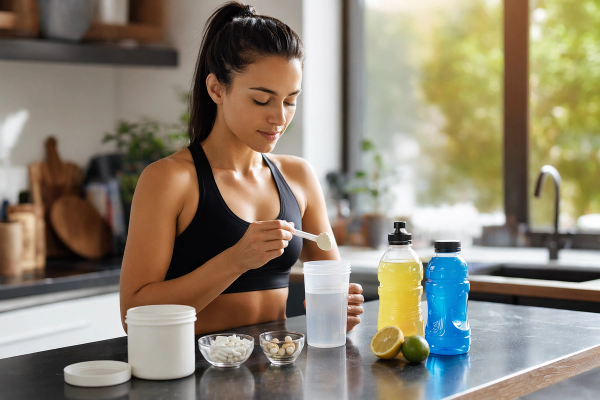
#If diarrhoea is active, food matters, but fluids matter more. Loose stools can drain water and electrolytes like sodium and potassium, and plain water alone may not replace enough salts if losses are frequent. Oral Rehydration Solution, usually called ORS, is commonly recommended because it has a specific balance of glucose and salts that supports absorption in the gut. Use packaged ORS mixed exactly as instructed on the sachet with safe water. Do not make it extra concentrated, and do not guess the amount because that can upset the balance. If ORS is not available immediately, safe bottled water, coconut water, rice water, thin salted rice kanji, or clear soup may help temporarily, but ORS is still the better standard option when dehydration risk is present. Sip slowly. Gulping a lot at once can trigger nausea in some people. And if vomiting prevents fluids from staying down, that is a medical advice situation, especially for children, older adults, pregnant travellers, or anyone with diabetes, kidney disease, heart disease, or immune concerns.
Safe fluids for Indian travellers in Bali
#- Packaged ORS mixed with sealed bottled water or properly boiled and cooled water is usually the most reliable recovery drink.
- Plain bottled water is useful, but during ongoing diarrhoea it may need to be paired with ORS or salty fluids to replace electrolytes.
- Nimbu pani can be soothing if made with safe water, but keep it light: no ice from unknown sources, not too much sugar, and not very sour if the stomach feels raw.
- Coconut water may support fluid intake, but it is not the same as ORS. Treat it as an add-on, not the main rehydration plan.
- Avoid alcohol during recovery. Also go easy on strong coffee and multiple cups of chai because caffeine can irritate the gut or worsen urgency for some people.
One small but very real travel issue: the bottle itself. If you are refilling a reusable bottle in hotel rooms or carrying it on day trips, clean it properly and let it dry. A damp bottle with a dirty cap is not exactly your friend when your stomach is already upset. This guide on Reusable Water Bottle Mold While Traveling: Cleaning Guide fits nicely here because safe hydration is not just about what you drink, it is also about what it touches.
The first 24 hours: keep it soft, salty, and boring
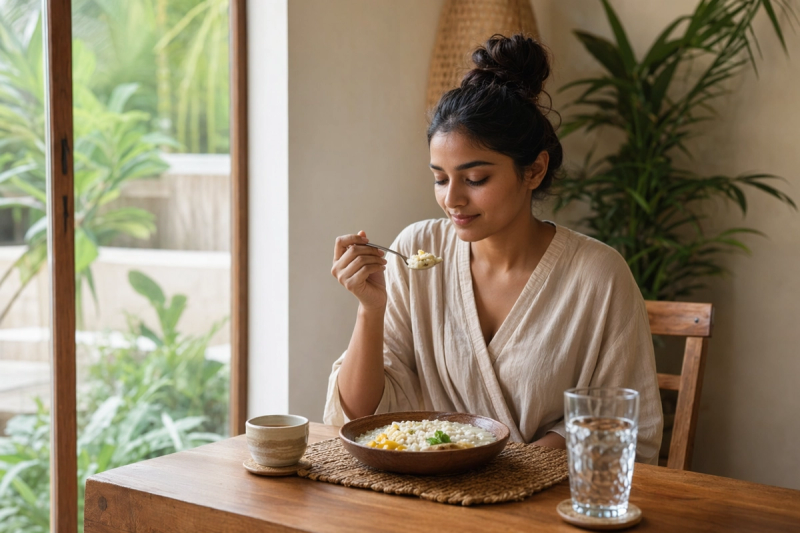
#During the first day, many people do better with tiny portions rather than proper meals. Think two or three spoons, wait, then more if it sits well. A recovery plate for an Indian traveller may look like soft plain rice with a little salt, thin moong dal without tadka, plain toast, banana, boiled potato, soft poha without chilli, plain idli, or rice kanji. If you are in a hotel in Bali and cannot cook, ask for steamed rice, clear vegetable soup without cream, plain toast, banana, or boiled potatoes. If the hotel breakfast buffet has idli or rice porridge, choose the simplest version and skip chutney, sambhar that looks oily, cut fruit that has been sitting out, and cold salads. The gut lining can stay sensitive even after the worst cramps settle, so this is not the moment for “I feel okay, let me test it with chilli paneer.” That test is rarely worth it.
Day 1 food ideas, Indian-style
#| Food | How to make it gentler | What to watch |
|---|---|---|
| Soft rice or kanji | Cook with extra water, add a little salt | Avoid ghee-heavy versions at first |
| Moong dal water | Thin, well-cooked, minimal spices | Skip tadka, chilli, and lots of garlic |
| Plain idli | Eat warm, small portions | Avoid coconut chutney if hygiene is uncertain |
| Banana | Choose ripe, not overripe or cut in advance | Stop if it worsens bloating |
| Boiled potato | Salt lightly, mash if needed | Avoid butter, mayo, cheese, or masala |
| Toast or plain bread | Dry or with a tiny amount of safe spread | Avoid creamy fillings and street sandwiches |
Day 2 to day 3: slowly bring back protein and familiar meals
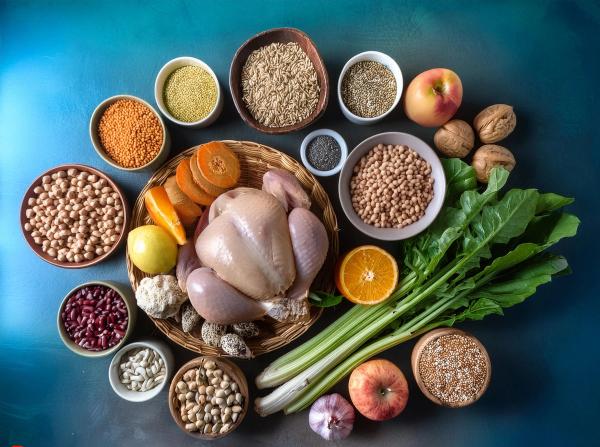
#Once stools are reducing, appetite is returning, and there is no fever or worsening pain, the plan can become a little more normal. Not full normal. Just more normal. Add easy protein because the body needs it, but choose gentle versions: soft moong dal, well-cooked masoor dal if tolerated, plain curd if dairy suits you, boiled egg, steamed fish, or simple chicken soup. Vegetarian travellers can use dal, curd, soft paneer in tiny amounts later, or tofu if it is freshly cooked and not oily. Curd rice is a classic Indian recovery food, and the live cultures in yogurt may support gut microbiome recovery for some people, but dairy can worsen loose stools in others, especially temporarily after a stomach infection. So introduce curd in small amounts, ideally plain and fresh. If it increases cramps, gas, or urgency, pause and try later. There is no prize for forcing curd because someone’s auntie said it is compulsory.
A gentle 3-day Bali belly recovery food plan
#- Day 1: Focus on ORS and safe fluids. Eat only if hungry: rice kanji, banana, plain toast, soft rice, thin moong dal, boiled potato, or plain idli. Keep portions small and avoid spices, oil, raw foods, and dairy unless you know it suits you.
- Day 2: Continue fluids. Add slightly fuller meals: dal-rice, curd rice in a small bowl if tolerated, soft poha, upma with very little oil, clear soup, boiled egg, or plain khichdi. Keep meals warm and freshly prepared.
- Day 3: If clearly improving, add more protein and variety: soft chapati with thin dal, steamed fish or chicken, well-cooked vegetables like carrot or lauki, and a little curd. Still avoid fried snacks, alcohol, very spicy curries, and buffet salads.
This plan is not a prescription, and it will not fit everyone. Some people recover quickly, while others need medical review, stool testing, or treatment depending on symptoms and risk factors. The key is watching the direction: better hydration, less frequency, improving energy, no red flags. If the direction is the opposite, food planning should not delay proper care.
Indian foods that usually feel comforting, but need small tweaks
#Khichdi is probably the top recovery food for Indian travellers, and for good reason: rice plus moong dal becomes soft, warm, and easy to portion. But recovery khichdi is not restaurant khichdi. Keep it loose, almost porridge-like. Use moong dal, not heavy mixed dals. Add salt, maybe a pinch of haldi if you like, but skip chilli powder, garam masala, fried onions, heavy ghee, and crunchy papad. Curd rice can be helpful once the stomach settles, but it should be fresh, plain, and not loaded with tadka, chilli, pomegranate, raw cucumber, or boondi. Rasam can be tricky. A thin, mild rasam may feel soothing, but very peppery or tamarind-heavy rasam can irritate some stomachs. Dal-chawal works if the dal is thin and low-oil. Idli is usually gentler than dosa because it is steamed, while dosa can be oily and comes with chutneys that may be risky if water hygiene is uncertain. Upma and poha can work later, but not if they are oily, peanut-heavy, or full of chillies. Basically, take the Indian food you trust and remove the drama from it.
Foods to avoid while the gut is still touchy
#The avoid list is not about fear. It is about giving the gut fewer battles to fight. For a short window, pause fried foods like pakora, samosa, bhajji, puri, vada, chips, and oily paratha. Pause very spicy curries, sambal-heavy dishes, pickles, raw onion, raw salads, creamy gravies, cheese-heavy meals, and desserts with cream. Avoid undercooked eggs, seafood that does not smell fresh, buffet food that has been sitting at room temperature, and cut fruit unless you are confident it was handled safely. Cold salads can be especially tempting when you want “light food,” but mayo-based salads, shared serving spoons, raw sprouts, and cold-case items can be risky for a sensitive stomach. If you want the food-safety side explained in a travel context, Deli Salad Bar Food Safety for Travelers is a useful read, even if you are not literally at a deli.
Ordering food to the hotel while recovering
#Many travellers recover in the hotel room, which means food delivery becomes the easiest option. Keep the order boring and specific: steamed rice, clear soup, plain toast, banana, boiled potato, plain omelette cooked through, soft porridge, or simple dal if available. Ask for sauces, sambal, chutneys, and salad on the side or skip them. Eat soon after delivery arrives. Do not leave food on the desk for hours and then snack on it later, especially rice, dairy, eggs, seafood, and meat. If you are coordinating lobby pickup, timing, or leftovers while you are tired and not feeling great, this practical piece on Food Delivery to Hotels: Safety, Lobby Handoffs & Leftovers is actually very relevant. Recovery food is only helpful if it is also handled safely.
What about probiotics, antibiotics, and anti-diarrhoeal tablets?
#This is where advice online gets messy. Some probiotics may reduce the duration of certain types of diarrhoea for some people, but effects vary by strain, dose, and cause of illness. They are not magic, and they may not be suitable for people who are immunocompromised or seriously ill unless a clinician says so. Antibiotics are not needed for every case of traveller’s diarrhoea and should be used only with appropriate medical guidance, especially because resistance and side effects are real concerns. Anti-diarrhoeal medicines can reduce urgency in some situations, but they may be inappropriate when there is fever, blood in stool, suspected invasive infection, or severe abdominal pain. So yes, food and fluids are the home base, but medication decisions should be made carefully. If a doctor in Bali or your usual physician gives advice based on your symptoms, follow that instead of random WhatsApp forwards.
Special care for children, older adults, pregnancy, and medical conditions
#The same food principles may apply, but the margin for error is smaller. Children can dehydrate faster than adults. Older adults may not feel thirst clearly and may already be taking medicines that affect fluid balance. Pregnant travellers should be more cautious with dehydration, fever, and foodborne illness. People with diabetes need to watch both hydration and blood sugar, especially if eating less than usual. People with kidney disease, heart disease, inflammatory bowel disease, immune suppression, or recent surgery should not rely on generic travel advice. For these groups, early medical guidance is sensible, not overreacting. ORS can be very useful, but even electrolyte intake may need individual advice for certain conditions. If someone is unusually drowsy, has sunken eyes, dry mouth, dizziness, rapid heartbeat, confusion, no urine for many hours, or cannot keep fluids down, treat it as urgent.
When Bali belly is not “just Bali belly”
#Most mild traveller’s diarrhoea improves with time, fluids, and gentle food, but some symptoms need proper evaluation. Seek medical help if there is blood or black stool, high or persistent fever, severe or worsening abdominal pain, repeated vomiting, signs of dehydration, diarrhoea lasting more than 48 to 72 hours without improvement, symptoms after swimming in questionable water, or illness in a high-risk person. Also get help if symptoms return after seeming to improve, because that can sometimes happen with certain infections. It is not about panic. It is about not missing something that needs treatment. A food plan can support recovery, but it cannot identify whether the cause is bacterial, viral, parasitic, toxin-related, or something else entirely.
A sensible recovery plan is simple: replace fluids, eat small and gentle meals, avoid risky foods for a few days, and get medical advice when symptoms are severe, persistent, worsening, or unusual for you.
A realistic Indian hotel-room meal map
#Breakfast can be banana plus toast, plain idli, rice porridge, or a small bowl of curd rice if you already know dairy suits you. Lunch can be soft rice with thin dal, plain khichdi, clear soup with rice, or boiled potato with salt. Dinner can repeat lunch because variety is not the main goal during recovery. If hunger comes between meals, choose small sips of ORS, a banana, plain crackers, toast, or a few spoons of rice. Avoid the “I missed lunch so I’ll eat one big dinner” trap. The gut usually prefers small, repeated portions. If you are travelling with family or friends, it can feel awkward to skip the nice restaurants and beach cafes, but a 48-hour pause may save the rest of the trip. There will be time for nasi goreng, seafood, and proper holiday food later, once the stomach is not sending angry emails.
Getting back to normal food without rushing it
#After stools settle and energy improves, reintroduce foods in layers. First normalise portion size of gentle meals. Then add cooked vegetables. Then add protein. Then add a little fat. Then add spice. Keep raw salads, alcohol, fried snacks, and very rich foods for the end, not the beginning. If one food seems to trigger symptoms again, step back for a day and return to simpler meals. This does not mean the food is “bad” forever. The gut can be temporarily sensitive after an infection, including to lactose, fat, caffeine, or spice. Give it time. Also, do not try to “cleanse” after Bali belly with extreme fasting, detox juices, or only fruit. Those can worsen weakness, irritate the stomach, or miss needed salts and protein. Gentle normal food is usually more supportive than dramatic wellness rituals.
Final thoughts: boring food is sometimes the kindest food
#A Bali belly recovery food plan for Indians does not need to be fancy. In fact, fancy is usually the problem. Start with safe fluids and ORS, eat small portions of soft familiar foods, keep Indian comfort meals low-oil and low-spice, avoid raw and risky foods for a short while, and do not ignore red flags. Khichdi, dal-rice, kanji, idli, banana, toast, boiled potato, and clear soups may sound painfully plain, but they can support the body while it settles. And please be gentle with yourself if travel plans get disrupted. Stomach infections are common, annoying, and not a personal failure. If symptoms worry you, get medical help rather than trying to tough it out. For more practical, travel-friendly wellness guides written with real-life messiness in mind, you can wander through AllBlogs.in.