
The sad little tray table moment nobody talks about
#There’s a very specific kind of hunger that happens at 36,000 feet. It’s not normal hunger. It’s dramatic hunger. It’s the kind where you can smell warm bread from three rows away, hear the foil lids being peeled back, and suddenly your stomach is writing a complaint letter to the universe. And then the flight attendant leans in and says, softly, like they’re telling you bad medical news, “I’m sorry, your special meal wasn’t loaded.”
I’ve had it happen more than once, which is probably why I’m a little intense about this topic. Once on a long flight from Istanbul to Kuala Lumpur, I had requested a vegetarian meal because I’d been eating grilled fish and lamb-heavy mezzes for days and my body was begging for lentils, rice, greens, anything that didn’t feel like a festival platter. The regular meal came around smelling of tomato sauce and roasted chicken. Mine? Missing. Not delayed. Not hiding. Just... not there. I ended up eating a bread roll, butter, a sad fruit cup, and two tiny squares of chocolate I found in my backpack from a cafe in Kadıköy. Gourmet? No. Memorable? Weirdly, yes.
And look, I love airline food more than most sane people probably should. I’m the person who gets genuinely excited about a well-spiced chana masala in economy, or the little Japanese breakfast tray with rice, pickles, miso-ish soup, and that square of fish that somehow survives reheating. Airplane meals are tiny edible postcards. They tell you something about route, catering city, airline culture, passenger mix, and sometimes just corporate cost-cutting, ha. So when a requested meal isn’t loaded, especially if you need it for religious, medical, ethical, or allergy-ish reasons, it’s not just annoying. It can mess up your whole travel day.
First, don’t panic... but do speak up fast
#If your special meal is missing, tell the crew as soon as service starts. Don’t wait until everyone has eaten and the carts are locked away. I know it feels awkward, especially when the aisle is jammed and someone behind you is already sighing because they want their pasta. But this is exactly the moment to say something. Calmly. Clearly. With your seat number and meal type.
Something like: “Hi, I ordered a vegetarian meal for seat 42A. It’s showing in my booking, but I don’t think it’s here. Is there anything you can check?” That wording matters because it’s not accusatory. The crew usually didn’t load the cart themselves. Catering is done on the ground, and by the time you’re over the Black Sea or the Bay of Bengal, nobody is magically frying tofu in the galley. Still, crew can sometimes find an extra special meal, swap with another cabin after checking, build you a plate from safe parts of regular meals, or offer snacks from business class if they’re feeling generous and the flight isn’t totally packed.
On that Istanbul flight, the flight attendant disappeared for a few minutes and came back with olives, extra bread, a banana, and a small salad from a crew meal. Not exactly the vegetarian feast I imagined, but I appreciated it. She also wrote down my details, which helped later when I contacted the airline. The mood you bring into that conversation matters, honestly. Hungry me is not always my best self, but I try. Mostly.
What “special meal” actually means, because it gets confusing
#Special meals are not just one thing. They can mean religious meals like halal, kosher, Hindu, or Jain meals. They can mean dietary preference meals like vegetarian, vegan, low-fat, low-sodium, diabetic, or gluten-free style meals. They can also mean child meals and baby meals, which are their own little world of purees, crackers, tiny juice boxes, and the occasional chicken nugget that looks like it has seen some things.
Most airlines require special meals to be requested ahead of time, often roughly 24 to 48 hours before departure, but the exact cutoff varies by airline, airport, route, and sometimes whether you booked through a partner airline or travel agent. That last bit is where things get messy. I’ve seen a meal show in one airline app but not in the operating carrier’s system. Codeshares are a delicious bureaucratic nightmare. If you book Airline A but fly on Airline B’s aircraft, check with Airline B too, because that’s usually who loads the food.
Also, not every airline offers every meal on every flight. Short domestic hops may have no meal service at all, or only buy-on-board snacks. Low-cost carriers may require preorders and payment, then treat it like a retail item rather than a free service. If that’s your situation, especially in India where domestic meal preorders can be very route-and-airline specific, this practical guide on Indian Domestic Flight Meal Preorder Problems: What to Do is worth reading before you fly. I wish I’d had something like that before a Bengaluru-Delhi flight where my paid upma vanished into the catering void and I survived on masala peanuts.
My pre-flight food ritual, because trust is nice but snacks are better
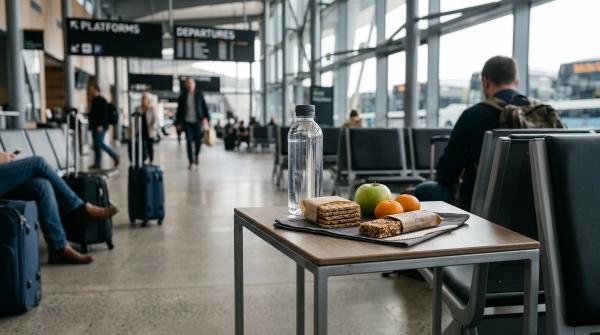
#I still request special meals when I need or want them. I’m not saying don’t. But I do not board a long flight without backup food anymore. Never. I don’t care if the app shows “VGML confirmed” in cheerful green letters. I don’t care if the call center agent promised it twice. I am packing something, because past-me learned the hard way and present-me likes not being hangry over Turkmenistan.
My usual airport snack kit is boring in the best way: roasted nuts, a sturdy sandwich without too much mayo, dates, granola bars, a banana if I’ll eat it early, and maybe those little thepla rolls my aunt makes when I’m leaving India. Thepla is elite travel food, by the way. It doesn’t crumble much, it tastes good at room temperature, and it has that warm methi smell that makes an airport gate feel almost domestic. I’ve eaten it in Doha, Amsterdam, Bangkok, and once sitting on the carpet at Gate 17 in Mumbai because all the seats were full and I had stopped pretending to be fancy.
- Good backup foods: nuts, crackers, dry fruit, protein bars, plain bakery items, sealed snacks, firm fruit, and homemade flatbreads if your destination rules allow them.
- Riskier stuff: creamy salads, sushi that’s been sitting around, soft cheeses, cut fruit in warm conditions, and anything with a strong smell unless you want your seatmates to hate you forever.
- Don’t bring huge liquidy things through security. Soups, chutneys, yogurt, and sauces can become a whole airport drama.
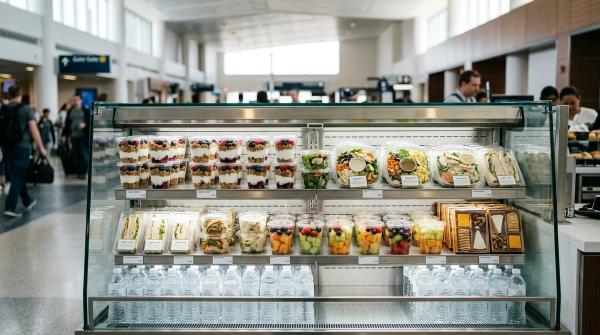
If you’re grabbing backup food at the airport, be a little picky. Airport food is convenient but not magically immune to time and temperature. I love sushi, really love it, but I’m cautious before long-haul flights because raw fish plus hours of sitting around plus jet lag stomach is not my idea of adventure. This piece on Airport Sushi Safety: Time Limits, Ice Packs and What to Skip gets into the practical stuff without making you scared of every California roll on earth.
Before the flight: the boring checks that save dinner
#The best time to fix a missing meal is before the plane leaves. I know, obvious. But when you’re juggling passport checks, gate changes, WhatsApp messages from family, and the emotional pull of one last airport coffee, it’s easy to forget. I’ve done it. Then I’m sitting there in 54K staring at the safety card like it personally betrayed me.
- Check your booking after requesting the meal. Don’t just trust the confirmation email from three weeks ago. Open the airline app or website and look for the meal listed under your passenger details.
- If it’s a codeshare, confirm with the operating airline. This is the airline whose plane and crew you’ll actually be on. The marketing airline can say yes while the operating airline says, “who are you?” which is fun.
- At check-in, ask the agent to verify the meal request. Not every agent can fix it, but they can often see whether it exists in the system.
- At the gate, ask again if it’s important. Especially for religious or medical reasons. Gate agents may be busy, but a quick polite check can reveal problems before doors close.
- Take screenshots. Screenshot the confirmed request, paid receipt if applicable, and any chat or email confirmation. Boring little screenshots become gold when you’re asking for a refund later.
I’m not naturally organized. My suitcase always has one mystery sock and too many charging cables. But meal screenshots? I keep them. Because airlines are massive systems, and massive systems sometimes shrug at you unless you have proof.
On board: what to ask for without making it wierd
#When the crew says your meal isn’t loaded, ask what parts of the regular meal might work for you. This depends heavily on why you requested the special meal. If it’s a preference, like you wanted vegetarian but can eat dairy and eggs, you may have more flexibility. If it’s religious, allergen-related, or medical, don’t guess. Don’t let hunger bully you into eating something that could make you sick or violate something important to you.
Ask simple questions: “Does this contain meat stock?” “Is the bread separate?” “Do you have ingredient information?” “Is there fruit or sealed snacks?” Crew may not know every ingredient, and they shouldn’t invent answers. A good crew member will be honest: “I can’t guarantee it.” That’s frustrating, but it’s better than false confidence.
I once flew from Singapore to Sydney and the crew couldn’t find my dairy-free meal. They offered me the regular fish tray, but the sauce looked creamy and nobody could confirm what was in it. So I ate rice, bread, fruit, and my own almonds. Was I thrilled? Nope. But I arrived fine, then had one of the best breakfasts of my life at a little cafe in Surry Hills: scrambled eggs for my friend, avocado toast for me, blistered tomatoes, proper coffee, and this orange marmalade that tasted like sunshine got into a jar. Sometimes the travel food story improves after landing.
A missed special meal feels personal when you’re hungry, but treating the crew like allies usually gets you more help than treating them like the villains of dinner.
If you have allergies or medical dietary needs, be extra cautious
#This is where I’m going to sound less breezy, because it matters. Airlines can provide certain special meals, but they often do not guarantee an allergen-free cabin or allergen-free food environment. Policies vary a lot. Some airlines may say they can’t guarantee meals are free from traces of nuts, gluten, dairy, or other allergens because catering kitchens handle many ingredients. So if your dietary need is medical, carry safe food, medication if prescribed, and documentation if you normally travel with it.
Don’t rely only on a meal label. A “gluten-free” style meal is not the same as a personal guarantee that every handling step was free from cross-contact. A “nut-free” request may not stop another passenger from opening a bag of peanuts two seats away. I’ve watched people treat cabin air like it’s a controlled restaurant kitchen and, uh, it is not. It’s a metal tube full of crumbs, perfume, stress, and tiny wine bottles.
For medical meals, I’d rather be overly prepared than bravely miserable. Bring food you know is safe. Choose packaging that can survive security and travel time. If you need crew assistance, tell them early and calmly. And if something feels uncertain, skip it. No meal at altitude is worth a health emergency.
The refund and complaint bit, which is annoying but necessary
#If you paid for a preorder meal and didn’t recieve it, ask the crew if they can note it in the flight report. Then keep your boarding pass, receipt, screenshots, and any photos. After landing, contact the airline through its official customer service channel and include flight number, date, route, seat, meal type, booking reference, and what the crew said. Be specific. “My paid vegetarian meal was not loaded on flight X from Y to Z, seat 21C” works better than “your airline ruined my life,” even if that second one is emotionally tempting.
For free special meals, compensation is less predictable. Some airlines might offer miles, a voucher, an apology, or nothing beyond “sorry.” If it was tied to a religious or medical need, say that clearly. Don’t exaggerate, but don’t minimize it either. A missing child meal on a long flight can be a big deal. A missing kosher meal can mean someone genuinely cannot eat the substitute. A missing diabetic meal may require careful choices, though again, passengers with medical needs should carry suitable backup food.
I complained once after a paid meal disappeared on a domestic flight and got a refund weeks later. Not glamorous. No dramatic victory music. Just a small credit back to my card and a vague apology. But I still did it, because if we don’t report these things, the airline only sees a quiet cabin, not the person eating crackers for dinner while everyone else gets hot food.
Why this happens, as far as I can tell from too many flights
#Airline catering is impressive and fragile at the same time. Meals are prepared in huge catering facilities, loaded into carts, chilled, transported, counted, sealed, trucked to the aircraft, and matched to passengers by seat. Then seats change, aircraft swap, delays happen, crew lists update, passengers misconnect, and suddenly your Jain meal is on the wrong cart or never left the kitchen. It’s not always laziness. Sometimes it’s logistics doing that thing logistics does, which is look fine until it doesn’t.
Out of certain airports, I’ve had amazing special meals. India-origin flights often do vegetarian food beautifully, especially when you get proper dal, rice, pickle, and a little dessert that tastes like cardamom instead of vague sugar. Flights from Japan can be elegant in that compact, balanced way, where even economy food looks considered. Middle Eastern carriers often do mezze-ish plates well: hummus, tabbouleh, warm bread if you’re lucky. But I’ve also had dry pasta, mystery vegetables, and one vegan breakfast that was literally a tomato, a roll, and emotional damage.
This is why I try not to romanticize airline meals too much. I love them, but I also know they are industrial food under pressure. Some are genuinely tasty. Some are just survival rectangles in foil. Both can be true.
Food memories from the ground make the sky meals funnier
#The strange thing is, my worst airplane food moments often sit next to my best travel food memories. Like after that missing vegetarian meal to Kuala Lumpur, I landed grumpy and then walked into a kopitiam near Brickfields the next morning. I had kaya toast, soft eggs, and kopi so strong it felt like it had opinions. Later that day, banana leaf rice with sambar, rasam, cabbage poriyal, fried bitter gourd, and mango pickle reset my entire personality. Suddenly the bread-roll dinner was just a story.
In Istanbul, after the olive-and-banana flight incident, I remembered the real meals more than the missing one: menemen at a tiny breakfast place where the tomatoes were cooked down sweet and oily, simit eaten while walking near the ferry, pistachio baklava that made me go quiet for a full minute. In Bangkok, I once packed airport snacks because I didn’t trust my meal request, then ended up with a perfectly fine vegetarian curry onboard and still ate mango sticky rice after landing because airport hunger and city hunger are different animals.
That’s my food-travel philosophy in a messy nutshell: plan enough that you don’t suffer, stay flexible enough that the weird bits become part of the trip, and never judge a destination by what happened in row 48.
A practical little survival plan for next time
#If you want my actual routine, this is it. A week before flying, I check the booking and add the meal if I haven’t already. Two days before, I check again, especially if there has been a schedule change. On the day, I eat a real meal before going to the airport if timing allows. Not a giant greasy feast, because nobody needs turbulence plus fried food regret, but something solid. Soup and rice. Eggs and toast. Idli and sambar. A falafel wrap. Whatever fits the city.
Then I buy or pack backup food that can handle delays. I avoid anything too smelly or too wet. I refill my water bottle after security. At boarding, if the meal is really important, I mention it to the crew after settling in, not during the boarding chaos when everyone is wrestling bags into bins. Something like, “Whenever you have a moment, could you check if my special meal is onboard?” Easy. Human. No drama.
- Best case: your meal is there and you eat your backup snack later in the hotel room.
- Medium case: the meal is missing but crew helps cobble something together.
- Worst case: you eat your own food and file a claim after landing, which is irritating but not trip-ending.
And yes, I still get excited when the tray arrives correctly. I peel back the foil like it’s a present. Maybe that’s childish. I don’t care. Travel is made of tiny rituals, and for me, airplane dinner is one of them.
The big takeaway, from one hungry traveler to another
#A special meal not being loaded is one of those travel problems that sits in the awkward space between minor inconvenience and genuine issue. For some people it’s just disappointing. For others, it means they may not be able to eat for eight, ten, fourteen hours. So the answer is both soft and practical: be kind to the crew, but advocate for yourself. Confirm early. Screenshot everything. Carry backup food. Ask questions before eating substitutes. Report paid meals that don’t show up.
Also, try not to let one missing tray ruin the food story of your trip. Some of my best eating memories came right after annoying travel days: hot parathas after a delayed flight into Delhi, laksa after a sleepless red-eye, a paper cone of fries in Amsterdam when my connection went sideways, and one miraculous bowl of pho in Hanoi that fixed a mood I thought was permanently broken. The sky meal matters, sure, but it’s not the whole feast.
So pack the almonds, confirm the meal, keep your screenshots, and still leave room for surprise. Travel will mess with your dinner plans eventually. It always does. But if you’re prepared, you can turn “my special meal wasn’t loaded” from a mini disaster into just another story you tell later, probably over something much tastier. And if you like these slightly messy food-and-flight stories, have a wander through AllBlogs.in sometime, there’s plenty more travel eating chaos over there.