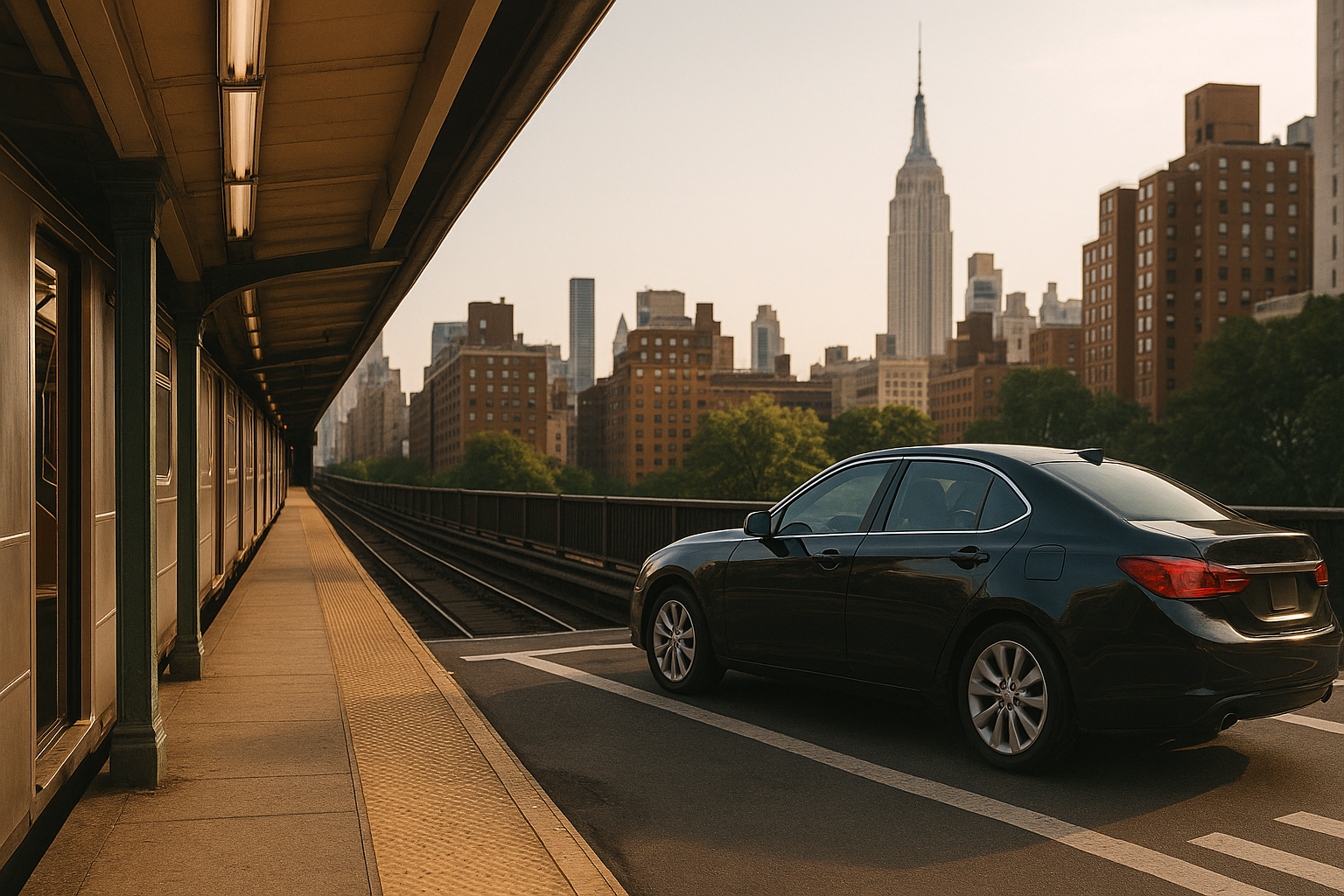
New York can make you feel smart and stupid in the same hour. That’s honestly the best way I can describe it. One minute you’re standing in Times Square thinking wow, I’ve made it, proper movie scene stuff. Next minute you’re underground staring at a subway map like it personally insulted your family. And if you’re an Indian traveller, specially if it’s your first US trip, this question comes up fast: should you use the subway or just book Uber and save yourself the headache? I had the exact same confusion. By day two, me and my friend had already overpaid for one ride, taken the wrong downtown train, and done that awkward tourist thing where you pretend you know where you’re going. So yeah, this post is from that side of the trip. Not theoretical. Proper lived, mildly embarrassing, and useful hopefully.
Short answer first, because maybe you’re in a hurry: for most tourists, the New York Subway is way cheaper and usually faster for longer Manhattan and Brooklyn trips. Uber is better when you’re tired, carrying luggage, travelling very late, with family, or going somewhere annoying with multiple transfers. That’s the whole article in one line basically. But the real thing is more nuanced than that, because cost, safety, convenience, and transfer stress all hit differently when you’re jetlagged and trying to reach Queens with 2 suitcases and 4% battery.
My first proper lesson: New York punishes lazy transport decisions
#On my first evening, I did what many tourists do. I opened Uber outside Midtown after a long walk, saw a fare that looked expensive but still sort of justifiable in rupees if I lied to myself, and booked it. Big mistake. Traffic was crawling, there was some event nearby, and the fare plus tip plus little surge jump made me feel physically attacked. Meanwhile, later I checked and the subway would have taken less time and cost a tiny fraction of that. That was the moment I started taking the trains seriously.
And to be fair, the subway also humbled me. New York Subway isn’t like Delhi Metro where things often feel cleaner, more linear, and kinda easier for first-timers. The NYC system is older, messier, louder, and sometimes you have to enter the correct side of a station or you’ll end up going downtown when you need uptown. Some stations have stairs forever, some transfers are long, and weekend service changes can randomly mess with your plan. But once it clicks, it really clicks. You start moving around the city like you belong there a little bit.
Let’s talk money first, because that’s where subway usually wins by a mile
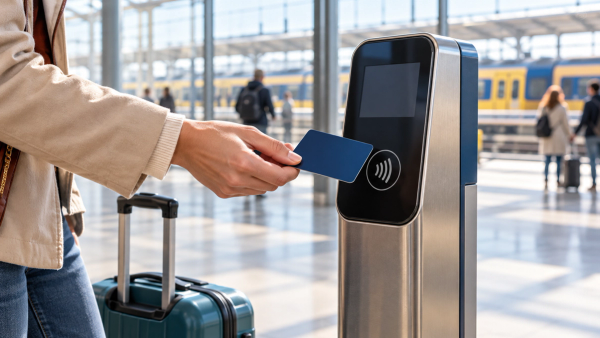
#If you’re a tourist doing the usual route - Manhattan sights, a Brooklyn day, maybe Queens food spots, maybe Yankee Stadium or a museum run - subway is the budget hero. A single subway ride is usually a flat fare, and with tap-to-pay now being super common through OMNY, you can just use your phone or contactless card instead of fussing too much with old-school ticket habits. There’s also fare capping on weekly usage, which basically means after you hit a certain number of paid rides in a seven-day period, extra subway and local bus rides in that period stop costing you more. For tourists staying several days and using transit properly, this is a big deal.
Uber, on the other hand, feels manageable until it suddenly doesn’t. A short ride in Manhattan may look okay on screen, but surge pricing, traffic, tolls on some routes, and tip can push the total much higher. Airport rides are where many people get hit hardest. From JFK, LaGuardia, or Newark, Uber can range a lot depending on demand and timing. Sometimes okay-ish, sometimes borderline absurd. If you’re travelling as a group of 3 or 4, then yes, splitting Uber can make sense. Solo or couple travellers? Subway usually destroys it on price. No competition, yaar.
If your trip budget matters even a little, use the subway as your default and Uber as your backup, not the other way around.
Rough cost reality from my trip and what I saw around me
#I’m not going to throw fake exact numbers around for every route because New York pricing changes, surge changes, your route changes. But broadly, a subway day with multiple rides still stayed far more budget-friendly than even one or two Uber trips through busy areas. I met another Indian couple near Central Park who had been using cabs for almost everything for the first two days because they were scared of getting lost underground. By the third day they switched to subway after seeing how quickly ride costs were piling up. Their exact words were something like, “Bhai, attraction tickets are expensive enough, transport can’t also become luxury.” Very relatable.
One thing people from India should keep in mind is psychological conversion. We all do it. We convert dollars to rupees in our head and then either panic or become overconfident. In New York, if you convert every small spend to INR, you’ll ruin your mood. But for transport, conversion is useful because it quickly shows where you’re bleeding money for no reason. One Uber here, one there, one airport run, one late-night ride... and suddenly you could have paid for a Broadway rush ticket or a very solid dinner in Jackson Heights.
Safety: the question everyone asks softly, like they don’t want to sound rude
#Okay, let’s be real. A lot of tourists from India ask this before going: is the New York Subway safe? And the honest answer is, mostly yes for normal tourist use, but with common sense switched on fully. I used it in the daytime a lot, evenings pretty often, and late at night only a little. In busy areas and regular tourist routes, I generally felt fine. There were police presence in some hubs, lots of commuters, and the usual city chaos. But it’s not polished-safe in the way some Asian metro systems feel. It’s urban-safe. Which means be alert, mind your belongings, don’t stand in an empty carriage if another one has more people, and avoid unnecessary late-night wandering on deserted platforms.
Uber feels safer to many tourists because it’s door-to-door and you can track the route in-app. That comfort is real, espescially for solo travellers, women travelling alone, older parents, or anyone unfamiliar with the city. If my mum was with me, I’d definitely choose more Ubers at night, no question. But daytime subway safety did not feel like some horror show at all, not in my experience. The internet can make it sound more dramatic than what many visitors actually face. Most rides were boring in the best possible way.
That said, there are things I personally followed. I stayed aware near the platform edge. I kept my phone secure, not loosely in jacket pocket. I avoided empty train cars. If a station felt weirdly deserted late at night, I didn’t try to act adventurous. And if I was too tired to think clearly, I booked the Uber and moved on. Pride is cheaper than a mistake.
Transfers are where tourists either become New Yorkers for 5 minutes or completely lose it
#Transfers in New York are... a mixed bag. Sometimes they’re easy and almost elegant. Other times you’re walking through tunnels, up stairs, around signs, then back down, and you start wondering whether this is public transport or an obstacle course. This is the biggest reason some tourists hate the subway. Not the trains themselves. The transfers.
I had one transfer between lines in Lower Manhattan that felt smooth, quick, no issue. Then another in Brooklyn where service changes and platform confusion made me wait, re-check Google Maps, ask one local, then ask another local because the first one spoke too fast and I nodded like I understood. Didn’t understand at all. This is where Uber has its obvious advantage. Zero transfer stress. Sit down, go. Done.
But honestly, not every subway trip requires painful switching. If you plan your hotel location smartly, you can reduce the transfer drama a lot. Staying near a good line matters more than people think. I’d even say it matters more than whether your room has a fancy lobby. If your accommodation is near a major subway line or a well-connected station in Midtown, Long Island City, Downtown Brooklyn, or parts of Queens, your trip gets easier instantly.
Where I stayed, and why location changed my whole opinion on transport
#I didn’t stay in super-posh Manhattan because, well, budget. New York hotels can be wildly expensive, and if you’re coming from India and trying to balance airfare, food, attractions, shopping and all that, accommodation can eat your budget alive. I looked at Manhattan first, got scared, then booked a place with easier subway access outside the most expensive core. Best decision. Hotels in prime Manhattan can easily sit in the higher nightly range, while decent options in Long Island City, parts of Queens, Brooklyn, and even New Jersey can be noticeably better value if commute is manageable. Hostels are available too, and some are decent, though room size in New York can be... let’s say emotionally challenging.
Being near the subway made spontaneous plans possible. Morning coffee, train, museum. Evening pizza, train, river walk. Late dinner in Koreatown, train back. If I had stayed far from transit and relied on Uber all the time, I think I would’ve done less. You start second-guessing every outing when each ride costs extra. Subway gives freedom. Uber gives comfort. Depends what stage of the day you’re in, honestly.
Airport reality: this is where tourists make expensive mistakes
#From the airport, many people panic and book the easiest ride. I get it. After a long-haul flight from India, the last thing you want is dragging bags through stations. If you land exhausted, with kids, with elderly parents, or at odd hours, Uber can absolutely be worth it. No shame in that. But if you’re arriving reasonably fresh and want to save money, New York’s airport transit options are often good enough to consider. JFK especially has a common public transport combo route using AirTrain plus subway or rail connections. LaGuardia has bus connections to subway. Newark has train connections too, depending on where you’re heading. Not glamorous, but very doable.
My advice? Don’t be ideological. First airport transfer after landing, maybe take Uber if your brain is fried. For the rest of the trip, switch to subway. That’s what a lot of sensible travellers end up doing. Also, if your hotel check-in is late and you’re carrying 23 kg suitcases, the value of door-to-door service suddenly becomes very real. Stairs feel personal at that point.
Food runs, shopping bags, weather mood swings... all of this changes the answer
#One thing travel blogs sometimes ignore is how daily life stuff changes transport choices. New York weather can turn on you quickly. Summer gets sticky and tiring. Winter wind is no joke. Rain makes waiting outside for any ride annoying, but it can make underground transfers worse too if your shoes are already wet and your mood has collapsed. After a long shopping session or a heavy meal, Uber becomes temptingly logical. I used subway for most daytime exploring, but after a massive dinner in Jackson Heights - where, btw, if you’re Indian you’ll find food that can heal homesickness a little - I was in no condition to decode train changes. Uber won that round.
And talking of food, Queens is one place where transport decisions matter. There’s incredible South Asian food, Latin American food, little bakeries, hidden gems, proper neighborhood energy. Subway gets you there cheaply, but depending on where exactly you’re going and what time you’re coming back, Uber for the final stretch can sometimes make sense. Same for Brooklyn beyond the most touristy zones. Use both. That’s the truth no one says enough.
Best months to visit, because your transport experience depends on season more than you think
#For a first trip, I’d say spring and autumn are easiest. Weather is more walkable, subway platforms feel less punishing, and you’ll enjoy exploring above ground too. Late September to early November has that crisp movie-ish feel people love. April to early June is also pretty great. Summer is energetic, yes, lots happening, longer days, rooftop vibes and all that, but it can be hot, crowded, and expensive. Winter can be magical around the holidays, but also freezing and a bit brutal if you’re doing lots of station-hopping. If you travel in peak festive periods, expect hotel prices to rise and Uber demand to spike too.
New York is also one of those cities where there’s always some event, parade, game, concert, street closure, protest, film thing, holiday crowd... and all of that affects traffic. Which means on busy event days, subway becomes even more valuable. I learned to quickly check if there was a game at Madison Square Garden or Yankee Stadium area because road traffic around major venues can become a mess.
What I’d recommend for different kinds of tourists, plain and simple
#If you’re a solo budget traveller, use subway for almost everything. Just learn the basics on day one and you’ll save a lot. If you’re a couple on a medium budget, do subway by day and Uber selectively at night or after long outings. If you’re travelling with parents, kids, too much luggage, or shopping bags the size of small furniture, mix heavily in favour of Uber when needed. If you’re staying only 2 days and trying to cram a lot in, Uber may save energy on some legs even if it doesn’t save money. Time has a cost too, obviously.
- Use subway for Manhattan to Brooklyn sightseeing, museums, downtown exploring, and regular daytime travel
- Use Uber for airport arrivals when exhausted, late-night returns, bad weather, awkward outer-borough trips, or when your group can split the fare
- If a subway route needs 2 or 3 transfers and you’re already tired, don’t be a hero
- If you stay near a good station, subway becomes ten times less scary
- Always check live directions because weekend service changes can be sneaky and irritating
A few practical safety and comfort habits that helped me a lot
#Keep a power bank. Sounds basic, but in New York your phone is map, wallet, ticket, translator, camera and survival tool. Wear comfortable shoes because some stations have more stairs than seems legally necessary. Don’t block subway doors with suitcase confusion. Let people get off first, then go. In busy stations, move with intention even if you’re confused. Step aside and re-check directions, don’t freeze in the middle like I did once near Times Sq and got that classic annoyed local look.
Also, tap-and-pay is really convenient, but use the same device or card consistently if you want the fare benefits to track properly. This is such a small thing and tourists miss it. For Uber, always verify plate number and driver before entering, specially if you’re tired. And one more thing - if a deal looks too good in some sketchy unofficial ride offer outside airports, ignore it. Book properly.
So... subway or Uber? My honest answer after doing both
#Subway is the better choice for most tourists most of the time. There, I said it clearly. It’s cheaper, often faster in heavy traffic, and it makes the city feel accessible in a way Uber never can. You start understanding New York better when you use it. You see more, spend less, and weirdly feel more confident each day. But Uber is not the villain in this story. It’s the backup plan, the comfort tool, the sanity saver. Sometimes it’s the smartest option, not the laziest one.
If I go back again, I’d do exactly what ended up working by the end of my trip: subway as the main system, Uber as the selective rescue. That balance kept my budget under control and also saved my energy on the days when the city was just too much. Because New York is amazing, but it can be a lot. Loud, brilliant, expensive, thrilling, slightly mad. Kind of addictive too.
Anyway, if you’re planning your own New York trip, don’t stress too much about getting every ride perfect. You’ll probably take one wrong train, overpay once, and then figure it out like everyone else. That’s part of it. And if you like travel stories mixed with practical tips like this, have a look at AllBlogs.in too, there’s some genuinely handy stuff there.