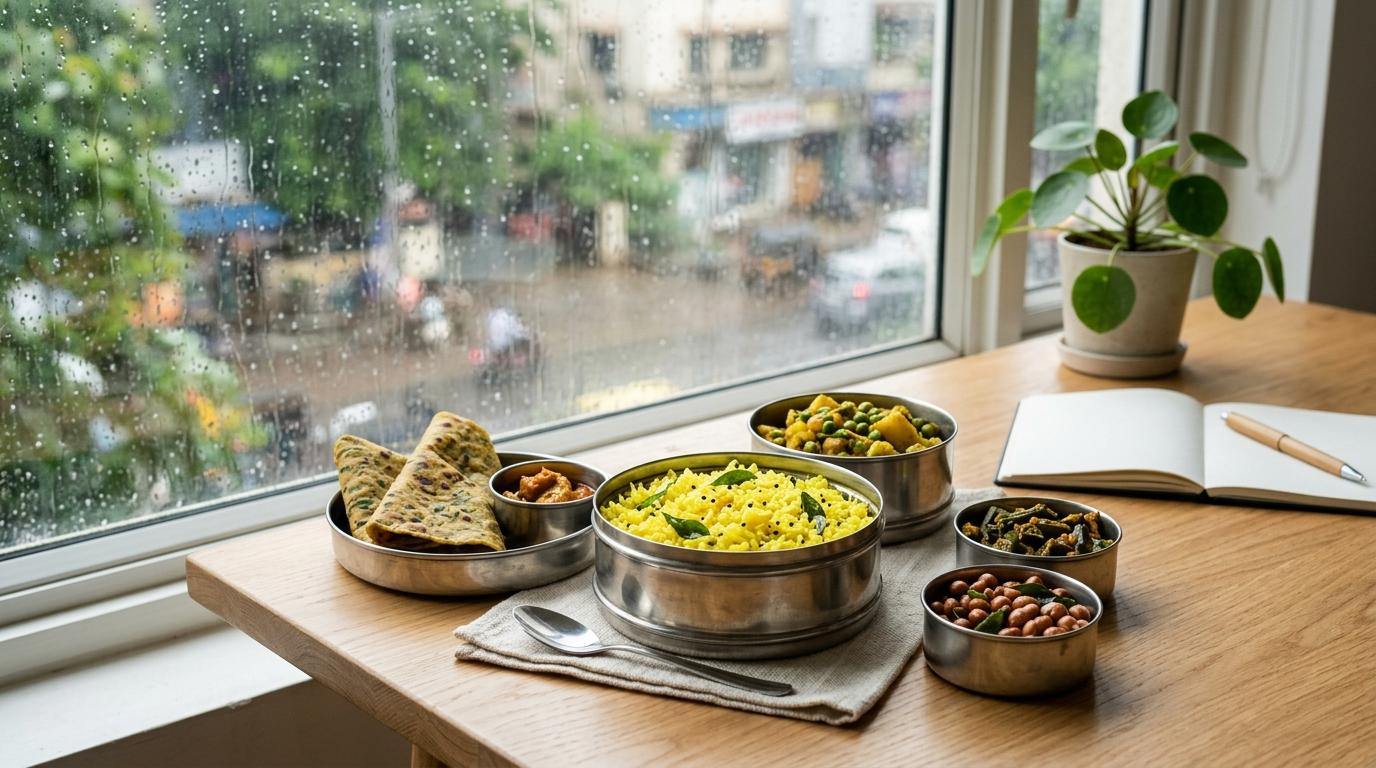
Monsoon lunch packing is a whole mood.
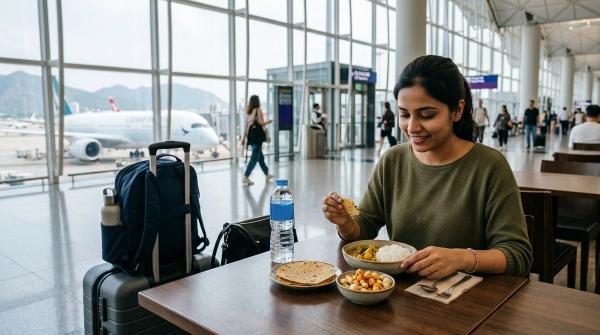
You leave home in a rush, the roads are wet, the train is late, your bag is slightly damp, and by lunchtime the office microwave either has a long queue, is not working, or simply does not exist. On days like this, a dependable no microwave Indian office lunch feels like a small life upgrade.
But rainy-season tiffins are not just about taste. Monsoon humidity can make food behave strangely. A dish that felt perfect at home in the morning can turn soggy, sour-smelling, oily, or just sad by lunch. Wet gravies, curd-based dishes, coconut chutneys, creamy paneer, and fried snacks are especially tricky when they sit for hours in a closed lunchbox.
So the goal is simple: pack a monsoon office lunch that travels well, tastes good at room temperature, and does not need reheating to feel edible.
This guide is for office workers, students, commuters, and anyone who needs a practical Indian tiffin without reheating during the rainy season.
Quick answer
#The best cold lunch ideas Indian tiffins can rely on during monsoon are usually dry, low-moisture, mildly tangy foods.
Good options include:
- Lemon rice with peanuts
- Tamarind rice or puliyogare
- Methi thepla with pickle
- Dry roti rolls
- Kala chana chaat
- Dry poha
- Dry sabzi with roti or paratha
- Idli with dry podi
- Besan chilla rolls
- Dry millet or dalia upma
These foods are easier to carry, less messy, and generally taste much better cold than watery dals, creamy gravies, or wet chutneys.
For a safer no microwave Indian office lunch, remember a few basics:
- Do not pack steaming hot food directly into a closed box.
- Let food cool until it stops giving off steam.
- Use clean, dry containers.
- Keep wet sides separate.
- Avoid dairy-heavy, coconut-heavy, and gravy-heavy dishes if lunch will sit for hours.
- Follow the general 2-hour/1-hour food safety idea: perishable food should not sit at room temperature for more than 2 hours, and in very hot conditions, around 32°C or above, the safer window is closer to 1 hour.
During monsoon, your lunch may spend hours in a warm bag, crowded train, bus, office drawer, or non-AC classroom. So it is better to pack a little carefully than regret it later.
Why monsoon changes office lunch rules
#Rainy weather makes lunchboxes complicated because heat and humidity team up.
In winter, many packed foods stay pleasant for longer. But in July or August, the same dal, paneer gravy, coconut curry, curd rice, or chutney can feel very different by lunchtime.
The biggest problem is moisture.
When hot food goes straight into a tiffin and the lid is shut, steam gets trapped inside. That steam turns into water droplets and falls back into the food. So the lunch becomes warmer, wetter, and softer than you intended.
That is why rice can become clumpy, rotis can turn damp, fried food can lose crispness, and sabzi can start smelling stronger than usual.
This is also why the 2-hour/1-hour food safety rule matters. As a general guideline, perishable food should not be left at room temperature for more than 2 hours. If the weather is very hot, around 32°C or higher, that limit is closer to 1 hour.
And honestly, monsoon is unpredictable. Even if the weather feels pleasant outside, your tiffin may still be sitting in a warm backpack or office bag for several hours.
A no microwave lunch needs more planning because you cannot count on reheating it later. Also, reheating is not a magic rescue button for food that has already been stored badly. If the food was unsafe or unpleasant by lunchtime, heating it may not fix the problem.
What makes an Indian lunch taste good cold
#A good cold lunch is not just last night’s dinner eaten without heating. Some Indian foods are wonderful hot but disappointing cold. Others are naturally built for tiffins.
Here is what helps a no microwave Indian office lunch survive the monsoon better.
Choose dry or semi-dry food
#Dry sabzis, seasoned rice, theplas, rolls, chana, poha, and podi-style meals usually hold up better than watery gravies.
They are easier to carry, less likely to leak, and less likely to become slimy or soupy by lunchtime.
Think:
- Lemon rice instead of dal rice
- Thepla instead of stuffed paratha with curd
- Dry aloo-methi roll instead of paneer gravy
- Kala chana chaat instead of chole with lots of gravy
Dry does not mean boring. It just means less risky and more travel-friendly.
Add a little tang
#Lemon, tamarind, amchur, kokum, and vinegar can make room-temperature food taste brighter.
That is why lemon rice, tamarind rice, poha with lemon, chana chaat, and thepla with pickle work so well. Tangy food often feels fresher when eaten cold compared to rich, creamy food.
But one important thing: acidity is not a full preservation method. Lemon rice is a smarter lunch choice than cream gravy, but it still needs clean packing and sensible timing.
Avoid food that turns greasy or waxy when cold
#Food cooked with lots of ghee, butter, cream, or cheese can feel heavy when eaten cold because the fat firms up.
This does not mean ghee is bad or unsafe. It just means that a ghee-heavy paratha or creamy paneer dish may not taste great without reheating.
For cold tiffins, lighter oils like groundnut oil, mustard oil, sunflower oil, sesame oil, or coconut oil in moderation can work better depending on the dish.
Keep wet things separate
#This sounds small, but it makes a big difference.
Do not mix pickle oil, chutney, chopped onion, cucumber, tomato, lemon juice, or wet salad into the main lunch too early unless the dish is meant to sit that way.
Pack wet or strong-smelling sides separately and mix them at lunchtime.
Your rotis, rice, poha, theplas, and rolls will stay much nicer.
Safer Indian lunch ideas for monsoon
#These lunch ideas are practical, familiar, and better suited to humid weather than wet gravies or dairy-heavy meals.
No packed lunch is completely risk-free, especially in monsoon. But these are generally more tiffin-friendly when packed cleanly and eaten within a sensible time.
1. Lemon rice with peanuts
#Lemon rice is one of the easiest cold lunch ideas Indian kitchens already know and love.
It tastes good at room temperature, stays fairly dry, and does not need a microwave. The peanuts add crunch, the lemon keeps it bright, and the tempering makes it satisfying.
Use cooked rice that has cooled properly before mixing. Add mustard seeds, curry leaves, turmeric, roasted peanuts, and lemon juice. Keep it dry, not oily or wet.
Good add-ons:
- Roasted peanuts
- Dry potato fry
- Roasted makhana
- A small piece of pickle packed separately
- Dry podi on the side
Avoid mixing cucumber, tomato, or watery salad directly into the rice if it will sit for hours.
2. Tamarind rice or puliyogare
#Tamarind rice is practically made for travel. It is tangy, sturdy, and often tastes even better after the flavours settle.
Keep the rice grains separate and avoid drowning it in oil. Peanuts, curry leaves, sesame, and dry spices make it filling without needing any gravy.
For a monsoon office lunch, tamarind rice is one of the most reliable options because it is comfortable to eat at room temperature and does not feel incomplete without reheating.
3. Methi thepla with pickle
#Thepla is a tiffin hero.
It is compact, easy to pack, tasty cold, and can be eaten without much fuss. Methi thepla, masala thepla, ajwain thepla, or even plain soft thepla all work well.
Pair it with:
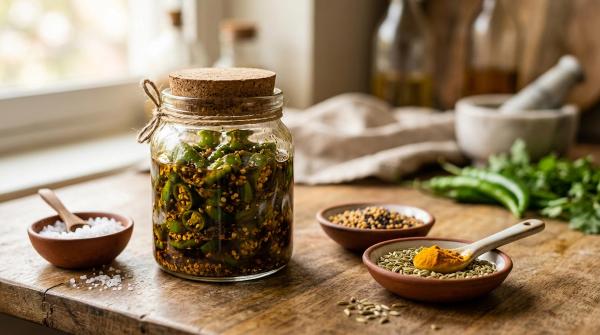
- Dry mango pickle
- Lemon pickle
- Chunda, if packed carefully
- Roasted chana
- Peanuts
- A dry chutney powder
Avoid watery chutneys unless your commute is short or you can keep the lunch cool.
Packing tip: Let the theplas cool before stacking them. If you stack hot theplas and shut the box, they sweat and become damp.
4. Dry roti rolls
#Roti rolls are perfect when you want a neat Indian tiffin without reheating.
They are easy to eat at your desk, in college, or even while travelling. The trick is to keep the filling dry.
Good fillings include:
- Aloo-methi
- Bhindi fry
- Cabbage-peas sabzi
- Aloo capsicum
- Dry soya keema-style filling
- Masala chana
- Dry paneer bhurji, only if the commute is short and the weather is not too hot
Avoid wet chutney inside the roll. It will make the roti soggy.
For flavour, use:
- Dry garlic chutney
- Podi
- Pickle masala
- Roasted cumin powder
- Chaat masala
- Lemon squeezed just before eating
5. Kala chana chaat box
#Kala chana is filling, protein-rich, and works well cold when it is packed dry.
Boil black chickpeas, drain them properly, and toss with roasted cumin powder, chaat masala, amchur or lemon, and a little oil if needed.
Good additions:
- Grated carrot
- Finely chopped capsicum
- Roasted peanuts
- Coriander, washed and dried properly
- Pomegranate, if packed separately and eaten soon
Pack chopped onion separately if you like it. Onion can smell very strong when sealed for hours, especially in humid weather.
6. Tangy poha
#Poha does not have to be eaten hot. A dry, lemony poha with peanuts can work really well as a no microwave lunch.
Use less water while softening the poha, drain it well, and do not let it become mushy. Add mustard seeds, curry leaves, turmeric, peanuts, and lemon.
Let it cool before packing.
This is a nice option when you want something light but still satisfying. It also works well for students who do not want a heavy lunch in the middle of the day.
7. Dry sabzi with roti or paratha
#Sometimes the simplest lunch is still the best.
A dry sabzi with roti is dependable, familiar, and easy to eat cold if cooked right.
Good sabzis for monsoon tiffins:
- Aloo jeera
- Bhindi fry
- Cabbage and peas
- Beans poriyal-style sabzi
- Gajar-matar cooked dry
- Aloo capsicum
- Tendli fry
- Dry aloo-methi
- Carrot-beans sabzi
Avoid packing very oily parathas if you will eat them cold. They can feel heavy and greasy later.
If you are packing parathas, keep them softer and less oily, and let them cool slightly before closing the box.
8. Idli with dry podi
#Idli can work in a monsoon tiffin if you pack it carefully and eat it within a sensible time.
Instead of coconut chutney, which is more delicate in humid weather, pair idlis with dry podi. You can carry a little oil separately and mix it with the podi at lunchtime.
Packing tip: Let the idlis cool before closing the box. Hot idlis trapped in steam can become wet and sticky.
This may not be the best lunch for a very long commute, but for a shorter office or college day, it is practical and comforting.
9. Besan chilla roll
#Besan chilla can work like a wrap if cooked properly and kept dry.
Fill it with:
- Dry sabzi
- Spiced carrot and capsicum
- Masala aloo
- Dry chana filling
- Cabbage-peas sabzi
Avoid paneer or dairy-heavy fillings unless you can keep the lunch cool and eat it soon.
Let the chilla cool before rolling. If you roll it while it is very hot, it can turn soggy inside the box.
10. Dry millet upma or dalia
#Dry vegetable dalia, millet upma, or broken wheat upma can work cold if it is not cooked too soft.
Keep it lightly spiced, use less water, and add texture with:
- Peanuts
- Roasted chana
- Curry leaves
- Mustard seeds
- Carrot
- Beans
- Capsicum
This is a good option when you want something simple and filling but lighter than rice.
Foods to avoid in a monsoon office tiffin
#These foods are not “bad.” Many of them are delicious at home. They are just not ideal when they sit for hours in humid weather without refrigeration or reheating.
For a safer monsoon office lunch, the avoid list matters as much as the idea list.
Wet curd, raita, and curd rice
#Curd rice is comforting, especially on warm days, but it needs care.
Curd, raita, and curd-heavy dishes are more perishable. If your lunch is going to sit in a warm bag for hours, they are not the best choice.
If you do pack curd rice, keep it chilled in an insulated bag and eat it early. For a regular office commute without cooling, choose something drier.
Coconut chutney and coconut gravies
#Fresh coconut chutney, coconut milk curries, and coconut-heavy gravies can turn sour faster in warm, damp weather.
They also do not always taste great after sitting in a closed box for hours.
Dry coconut chutney powder is a much better option than wet coconut chutney for a no-microwave lunch.
Wet gravies
#Rajma, chole with gravy, paneer butter masala, dal makhani, kadhi, sambar, and similar dishes are usually better hot.
In a no-microwave setting, they can:
- Leak
- Separate
- Smell strong
- Become watery
- Feel unpleasant when cold
If you want rajma or chole flavours, try a drier version with rice or roti, and only pack it if your lunch timing is reasonable.
Creamy paneer and meat gravies
#Paneer and meat need more careful handling than dry grains, theplas, or sabzis.
Creamy gravies add another problem: the fat can firm up when cold, making the food feel heavy and unappetising.
Dry paneer bhurji or dry chicken may work for a shorter commute if packed carefully, but if lunch will sit for many hours in a warm bag, choose something sturdier like thepla, chana, lemon rice, or dry sabzi.
Fried snacks
#Samosas, pakoras, bread pakoras, vadas, and cutlets feel perfect in the rain, but they do not travel well as lunch.
In a closed tiffin, they lose crispness, become oily, and feel heavy by lunchtime.
Enjoy them fresh when possible. Do not rely on them as your main office lunch.
Watery cut salads
#Cut cucumber, tomato, watermelon, and other high-water foods release liquid as they sit.
That liquid makes everything soggy and can spoil the texture of your main lunch.
If you want salad, keep it dry, pack it separately, and eat it early. Whole fruits are usually easier and cleaner.
Wet chutneys
#Green chutney, coconut chutney, curd dips, and watery tomato chutneys are risky in a warm tiffin.
Better options include:
- Dry chutney powder
- Podi
- Pickle masala
- Roasted cumin powder
- Chaat masala
- Dry garlic chutney
Monsoon tiffin packing checklist
#A good lunch can still go wrong if it is packed badly. Use this checklist for any no microwave Indian office lunch during the rainy season.
Cool food before closing the lid
#This is the biggest rule.
Do not put steaming hot food into a tiffin and close it immediately. Let it cool until it stops giving off steam.
This reduces trapped moisture and helps the food stay dry and pleasant.
At the same time, do not leave food sitting uncovered for too long. Cool it in a clean area, then pack it.
Use clean, dry containers
#Your lunchbox should be properly washed and completely dry before packing.
Stainless steel tiffins are a great choice because they are durable, easy to clean, and do not hold smells as much as many plastic boxes.
If you use plastic, make sure it is food-safe, clean, not scratched, and not smelly.
Keep wet items separate
#Pickle, chutney, lemon wedges, onions, wet salad, and sauces should go in small separate containers.
Mix them only when you are ready to eat.
This keeps rice, poha, roti, thepla, and rolls from becoming damp.
Let rotis and theplas cool slightly
#Hot rotis packed directly into foil or a closed box will sweat.
Let them cool slightly, then wrap them in a clean cloth, food-safe paper, or a suitable tiffin layer.
You want them soft, not wet.
Do not overfill the box
#A tightly stuffed tiffin can mash food, create leaks, and make rolls fall apart.
Leave a little breathing room, especially for rice dishes, poha, and wraps.
Use an insulated bag when possible
#If your commute is long or your lunch includes paneer, curd, meat, or anything more perishable, an insulated lunch bag helps.
It does not make food safe forever, but it can reduce temperature swings and keep food in better condition for longer.
Do the smell check, but do not trust it completely
#If food smells sour, fermented, unusually strong, or looks slimy, do not eat it.
But remember: unsafe food does not always smell bad.
When in doubt, skip it. One wasted lunch is better than one bad stomach.
Plan for your real lunch timing
#Be honest about your day.
If you leave home at 8 AM and eat at 2 PM, your lunch needs to be sturdier than someone who eats at noon.
The longer the gap, the more you should avoid wet, dairy-based, coconut-heavy, and protein-heavy foods unless they are kept cool.
Sample 5-day no-microwave lunch plan
#Here is a simple work or college lunch plan for the monsoon. Adjust portions based on your appetite, commute, and lunch timing.
Monday: Lemon rice box
#Pack:
- Lemon rice with peanuts
- Dry roasted makhana
- Small piece of pickle packed separately
Why it works: Tangy, dry, simple, and easy to eat cold.
Tuesday: Methi thepla lunch
#Pack:
- Methi theplas
- Dry mango or lemon pickle
- Roasted chana or peanuts
Why it works: Compact, low-mess, and reliable even on a humid commute.
Wednesday: Kala chana chaat
#Pack:
- Dry kala chana chaat with lemon and roasted cumin
- Carrot or capsicum packed separately
- Whole fruit like banana, apple, or orange
Why it works: Filling, protein-rich, and does not need gravy or reheating.
Thursday: Dry roti rolls
#Pack:
- Roti rolls with dry aloo-methi or cabbage-peas sabzi
- Dry chutney powder or pickle masala
- Nuts or roasted chana
Why it works: Easy desk lunch, no spoon drama, no microwave needed.
Friday: Tamarind rice
#Pack:
- Tamarind rice or puliyogare
- Roasted peanuts
- Dry podi or papad packed separately, if you like
Why it works: A classic room-temperature lunch that travels much better than wet gravies.