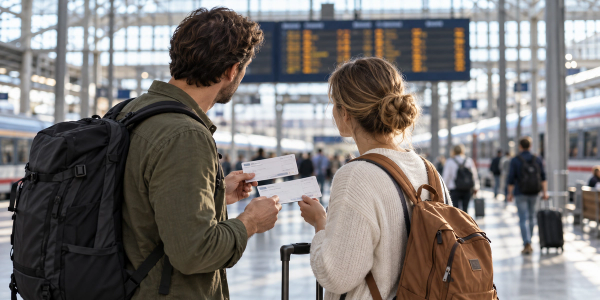
There are two kinds of travellers in India during monsoon. The first type looks at the weather app, panics, cancels everything, and stays home making pakoras. Sensible people, honestly. The second type, which is unfortunately me, sees a yellow alert, a delayed train, a bus stand full of damp backpacks, and thinks… okay but what should I pack to eat? Because rain in India is romantic only for about 17 minutes. After that your jeans are wet, your phone signal is doing drama, the train is “rescheduled due to operational reasons,” and the only thing keeping you from becoming a terrible person is a steel dabba full of lemon rice.
This post is basically my love letter to the Indian monsoon lunchbox. Not the cute office lunchbox with perfect compartments and Instagram lighting, but the real travel one. The emergency dabba. The one that saves you at Ratnagiri when the Konkan line is crawling because of heavy rain, or outside Munnar when the bus driver casually announces landslide clearance like he’s talking about chai break. I’ve had some of my best meals not in restaurants, but sitting on a station bench with rain blowing sideways, sharing curd rice with a stranger who had the good sense to carry mango pickle.
Why Monsoon Travel in India Makes Food Taste Better, Even When Everything Else Is Going Wrong
#I know this sounds slightly mad, but food tastes different when you’re delayed. Hunger gets sharper. Smells become louder. A simple poha with peanuts suddenly feels like a Michelin-level emotional support system. The monsoon does that to you. It slows down trains, floods bus bays, turns highways into long philosophical conversations, and somehow makes khichdi taste like the answer to every question you had in life.
My first proper lesson in this happened on a Mumbai to Goa train years ago, somewhere after Chiplun. The rain had been hammering the windows since morning. Vendors came and went with chai, vada pav, cutlets, and that railway tomato soup which I have a weird soft corner for, even though I’m not fully sure what it is. Then the train stopped. Not for 10 minutes. For hours. Everyone did that Indian thing where we first complain, then make friends, then share food like we planned a family picnic. One aunty opened methi thepla. A college kid had banana chips. I had tamarind rice wrapped in banana leaf, smugly packed by my mother, who always says “outside food in rain, don’t trust it.” She’s not wrong. Annoyingly, mothers often arent.
A monsoon lunchbox is not just food. It’s insurance against delay, boredom, bad decisions, and overpriced soggy sandwiches at random halts.
The 2026 Monsoon Travel Food Mood: Smarter Dabbas, Regional Snacks, Less Plastic, More UPI
#What I’ve been noticing lately, especially on my recent train and bus trips around Maharashtra, coastal Karnataka, Kerala, and the Western Ghats, is that travellers have become much smarter about food. The old tiffin is back, but upgraded. People are carrying leak-proof steel boxes, foldable spoons, insulated flasks, little masala dabbi sets, and those silicone snack pouches that make you feel like you have your life together. I saw a guy on a Bengaluru to Mangaluru bus pull out a tiny battery-heated lunchbox and eat warm sambar rice while the rest of us were pretending packaged chips counted as dinner. I respected him deeply, maybe even loved him for a second.
Food travel trends in 2026, at least from what I’m seeing on the ground, are very lunchbox-friendly. Millet snacks are everywhere now, partly because they’re sturdy and partly because every café and railway platform stall seems to have discovered ragi, jowar, bajra and foxtail millet in some form. UPI has made impulse food stops ridiculously easy. IRCTC’s e-catering and station delivery options are useful on many routes, but during heavy rains I still don’t fully depend on delivery because timing gets weird. Bus travellers are also ordering ahead from highway restaurants and local kitchens, especially around Pune, Nashik, Mysuru, Kochi, Guwahati and hill routes, but again… rain laughs at plans. So pack food. Always pack food.
- More travellers are choosing regional comfort food instead of generic sandwiches because rice dishes, theplas, idlis and parathas survive delays better.
- Steel tiffins and reusable bottles are making a comeback, thank god, because monsoon travel already has enough floating plastic.
- There’s a big interest in fermented foods like idli, dosa batter snacks, curd rice, kanji-style drinks and pickles, especially because they feel light and familiar during wet weather.
- Railway platform food is improving in some cities, but the safest monsoon rule is still: carry your own base meal, buy hot chai locally.
My Actual Monsoon Lunchbox Formula, Tested on Delayed Trains and Moody Buses
#I’ve messed this up enough times to have strong opinions. Once I carried paneer butter masala and rotis on an overnight bus from Pune to Goa in July. Terrible idea. It leaked. The bus smelled like a North Indian wedding buffet for six hours, and not in a charming way. Another time I packed bananas at the bottom of a backpack and created what can only be called fruit sadness. So now I have a formula, and it’s not fancy, but it works.
The best monsoon lunchbox has one main carb, one dry-ish side, one pickle or chutney, one crunchy thing, one sweet or fruit, and one hot drink if you can manage a flask. The food should be okay at room temperature for a few hours, not turn slimy, not smell too aggressive in a closed bus, and not require you to balance three containers while the vehicle is bouncing through potholes. This is why I worship lemon rice, tamarind rice, curd rice when packed correctly, thepla, dry aloo sabzi, idli with podi, poha, upma, parathas, and chana sundal. They are humble foods, yes. But in a delay, humble is heroic.
| Food | Why it works in monsoon delays | My tiny warning |
|---|---|---|
| Lemon rice | Tastes better after resting, doesn’t need gravy, peanuts give crunch | Don’t overdo oil or it becomes heavy |
| Thepla with pickle | Travel legend from Gujarat, stays soft, easy to share | Pack pickle separately unless you enjoy oily luggage |
| Idli with podi | No-spill, light, kid-friendly, perfect with hot chai | Coconut chutney spoils fast, skip it for long trips |
| Tamarind rice | Tangy, rain-friendly, excellent on train journeys | Strong smell, so maybe don’t open it in a packed AC coach at 6 am |
| Dry paratha rolls | Filling and neat, especially with aloo or paneer bhurji | Avoid too much onion in humid weather |
| Curd rice | Cooling and comforting, very South Indian train soul food | Use thick curd and eat within a safe window, don’t be careless |
A Konkan Train, Wet Shoes, and the Best Tamarind Rice I’ve Ever Eaten
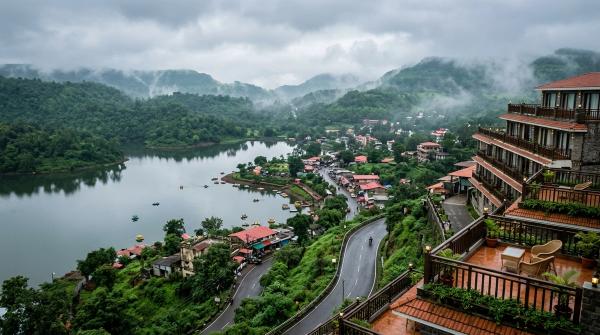
#If you want to understand why the monsoon lunchbox matters, take a train through the Konkan during peak rain. It is stupidly beautiful. Waterfalls appear from cliffs like someone forgot to turn off taps in the sky. The rivers are swollen, fields glow green, and every tunnel feels like the train is diving into a secret. But it’s also a route where rain can slow everything down. Safety checks, waterlogging, cautious movement, the usual. You learn patience or you suffer.
On one trip, I boarded from Mumbai with a friend who thought I was being dramatic for packing two meals. “We’ll buy on the train,” he said, like a man who has never been betrayed by timing. By lunch we were already late, by tea time we had eaten my lemon rice, and by early evening the tamarind rice came out. I had made it with sesame oil, roasted peanuts, curry leaves, mustard seeds, and a ridiculous amount of puliyogare powder I bought in Bengaluru. We ate it from a steel box while rain scratched the window and some uncle across the aisle gave approving nods. That is the highest culinary award in Indian travel, by the way. Uncle nod.
Later at Madgaon, when we finally arrived tired and sticky, we still went out for fish thali because Goa in monsoon is not just beaches. It’s kokum, sol kadhi, xacuti, cafreal, rainy markets, and little local places where the rice is hot and the curry smells like roasted coconut and patience. I’ve eaten at old-school Goan spots around Panaji and Margao over the years, and while restaurant names and timings keep changing, the thing that stays is this: monsoon seafood in Goa has a mood. You sit under a roof while the rain drums outside, eating kingfish curry rice or a veg xacuti if seafood isn’t your thing, and life feels less complicated.
Bus Delays in the Ghats: Where Thepla Becomes a Personality Trait
#Train delays get all the romance, but bus delays are the real test. A train gives you space, toilets, vendors, windows that sometimes open. A bus gives you one seat, fogged glass, someone’s ringtone, and a driver who may or may not explain anything. I learnt this on the Pune to Mahabaleshwar route one wet weekend when traffic near the ghats turned into one long line of headlights and sighs. Everyone was hungry. The bus stopped at a place that had chai, bhutta, and vada pav, but the queue was chaos and the rain was coming in sideways.
That day, thepla saved me. Soft methi thepla, rolled with a little dry garlic chutney and a smear of pickle. No plate needed. No spoon. No sadness. The person beside me, a software engineer from Hinjewadi who was going to meet friends, had homemade chakli and we did an unofficial snack exchange. This is my favourite Indian travel tradition, honestly. You start the journey strangers and by the time rain delays you, you know who has diabetes, whose cousin lives in Dubai, and which family makes the best mango pickle.
What to Buy Locally Before You Board, Because Not Everything Has to Be Homemade
#I love homemade food, but I’m not going to pretend everyone has time to wake up at 5 am and temper curry leaves like a saint. Some of my best monsoon lunchboxes have been assembled from local shops near stations and bus stands. In Mumbai, I’ll happily pick up batata vada from a trusted place, but I avoid chutneys if I’m travelling long. Around Dadar and Matunga, idli, podi, filter coffee, and banana chips are easy wins. Prakash Upahar Gruha in Shivaji Park is famous for Maharashtrian snacks like sabudana vada and piyush, though for a journey I’d choose drier items and pack them sensibly.
In Pune, Chitale Bandhu’s bakarwadi is basically engineered for travel, though you need water because it can be dry. In Bengaluru, iyengar bakery khara buns, ragi cookies, and that glorious Congress-style peanut mixture are excellent bus snacks. Around Chennai Central or Egmore, idlis with podi, curd rice, and lemon rice are dependable. In Kochi or Kozhikode, banana chips and achappam are dangerous because you’ll finish them before the bus leaves. Kolkata travellers have their own genius: luchi and alur dom is delicious but risky for long delays, so I’d go more for dry kachori, sandesh only if eaten soon, and muri mixtures assembled fresh.
My Not-Too-Perfect Packing List
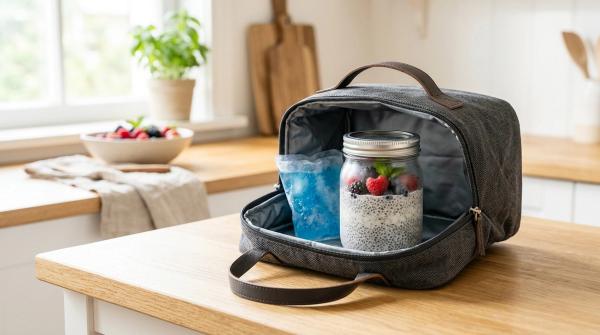
#- One leak-proof steel tiffin with the main meal. I prefer steel because it doesn’t smell weird after pickle, and also it just feels correct.
- A smaller dabba for pickle, podi, chutney powder, or dry chutney. Never trust a pickle packet loose in your bag. Never.
- A cloth napkin, two tissues, and a small garbage pouch. Rainy platforms are messy enough without us adding to it.
- A flask of chai, black coffee, rasam, or just hot water. Hot liquid in rain is emotional medicine.
- ORS sachet or nimbu salt mix, because dehydration happens even when everything is wet. Sounds silly, but it’s true.
- Something sweet. Jaggery peanut chikki, til ladoo, dry fruit bar, or even a tiny chocolate that will probably melt but who cares.
Foods I Don’t Pack Anymore, After Learning the Hard Way
#Some foods are wonderful at home and absolute villains during monsoon travel. Anything with too much coconut chutney, fresh cream, mayonnaise, watery gravy, or delicate greens is asking for trouble. I know people pack elaborate biryani and it can work if done right, but I personally don’t carry heavy meat dishes in rain unless I’m eating within a short time. The humidity is no joke. Also, boiled eggs in a closed bus? Controversial. I like eggs, but please read the room.
I also avoid cut fruit from stalls during heavy rain, especially near flooded roads. Not because I’m snobbish, but because I’ve had one terrible stomach situation on a night bus to Hampi and I still remember every bump in the road. Whole fruit is better. Bananas, oranges, apples, guava if you can manage. And roasted corn from a roadside stall is one of the great monsoon joys, but eat it there, hot, with lime and chilli. Don’t pack it for later unless you enjoy chewy disappointment.
The Best Regional Lunchbox Ideas for Indian Monsoon Routes
#Different routes need different dabbas, and this is where India becomes ridiculously fun. For Mumbai to Goa or Mangaluru, I like tamarind rice, lemon rice, banana chips, and maybe kokum sherbet concentrate in a bottle. For Pune to the ghats, thepla, dry poha chivda, peanuts, and vada pav if you’ll eat quickly. For Kerala buses between Kochi, Alleppey, Munnar and Wayanad, idli with podi, appam rolls with dry egg roast if fresh, pazham pori eaten hot at a stop, and banana chips for the bag. Kerala monsoon food is deeply comforting, but the hill roads can be rough, so don’t pack anything too sloshy.
In the Northeast, especially routes around Assam and Meghalaya during rain, I’ve relied on sticky rice snacks, roasted peanuts, momos eaten hot at stops, and simple packed rice with dry pork or aloo pitika depending where I was. Guwahati’s food scene has grown so much, and travellers are more curious now about Assamese thalis, smoked meats, bamboo shoot flavours, black sesame, and joha rice. But again, for a bus delay, keep it simple. The hills are beautiful, but landslide delays can stretch your lunch into dinner.
For Rajasthan or Gujarat during monsoon, where rains can be patchy but delays still happen, dry snacks are king. Thepla, khakhra, ganthiya, sev, roasted chana, churma ladoo, and pickle. Gujarati families have perfected travel food in a way that deserves academic study, except academic study would make it boring. The food is light-ish, sturdy, generous, and shareable. Exactly what you need when your bus is stuck outside Udaipur and everyone has started checking Google Maps every 45 seconds.
Station Chai, Highway Dhabas, and the Joy of Eating Around the Lunchbox
#The lunchbox is the anchor, not the whole story. Half the fun of monsoon travel is eating around it. Station chai in a paper cup at 6 am when the platform smells of wet concrete. Hot vada pav in Lonavala, bhutta near Marine Drive, mirchi bajji in Hyderabad when the sky is black with clouds, kanda bhaji near a waterfall that everyone told you not to visit because “too much crowd” and you went anyway. These are not health foods. Obviously. But they are part of the season.
Highway restaurants have also changed. A lot of newer places on popular routes now have cleaner toilets, QR menus, UPI payments, regional thalis, packaged local snacks, and even EV charging points, which still feels futuristic when you’re eating misal pav under a tin roof. On the Mumbai-Pune expressway and Bengaluru-Mysuru side, food stops are much more organised than they used to be. But smaller state highway dhabas still have the better stories. The dal tadka that arrives smoky and too hot. The paratha that is bigger than your face. The owner who says “rain will stop in ten minutes” and is wrong for two hours.
A Small Safety Lecture, Sorry But Someone Has to Say It
#Monsoon food travel is lovely, but food safety matters. I sound like my mother now, I know. Still. Pack food when it has cooled a little so steam doesn’t create sogginess inside the box. Don’t keep curd rice or dairy-based food forever in a warm bag. Avoid watery chutneys for long trips. Use clean spoons. Don’t place your open dabba on wet station benches. And if something smells off, don’t be brave. Being adventurous with food is good. Being reckless on a delayed bus with no toilet stop is not spirituality, it is foolishness.
Also check travel updates before leaving during heavy rain. Indian Railways and state transport services usually post delays, diversions, cancellations, and weather-related notices through official channels, apps, station announcements, and local news. In hill regions, listen to local advice about landslides and road closures. No lunchbox is worth getting stuck somewhere unsafe. Food is important, but getting there in one piece is, you know, slightly more important.
My Favourite Rainy-Day Lunchbox Combo Right Now
#If I had to pack one box tomorrow for a delayed train or bus, this is what I’d take: lemon rice with peanuts, two small theplas, dry potato-peanut sabzi, mango pickle in a tiny steel container, roasted makhana with chilli and ghee, one jaggery chikki, and a flask of strong ginger chai. Maybe a banana. Maybe not, because banana in bag trauma is real. This combo has crunch, comfort, spice, carbs, and something sweet. It also doesn’t demand too much from you when you’re eating with one hand while holding your backpack with the other.
And if I’m travelling in South India, I switch to idli podi with sesame oil, curd rice for early eating, banana chips, and filter coffee. North India? Ajwain paratha rolls, dry aloo, achar, roasted chana, and masala chai. East India? Sattu paratha, muri mixture packed separately, nolen gur sweets only if the season and timing behaves, and black tea. The point is not perfection. The point is knowing your route, your stomach, the weather, and your own level of tolerance for mess.
The People You Meet When You Open a Tiffin
#Here’s the thing I love most. A lunchbox changes the social temperature of a journey. Open a packet of chips and nobody cares. Open a proper dabba and suddenly people look over, smile, ask where you’re from, ask what masala you used, tell you their mother makes it differently. I once shared curd rice with an elderly man on a delayed bus near Sakleshpur, and he told me about travelling that same route in the 1970s when buses had no proper windows and everyone carried brass tiffins. He said food tasted better then. Every older person says this, but maybe he was right.
Another time, on a rainy train out of Howrah, a Bengali family gave me nimki and mishti while I gave them thepla, and we all agreed that Indian trains are basically moving dining rooms with occasional transportation benefits. That’s the magic. Food makes delay less lonely. It gives shape to waiting. It turns “stuck” into “paused.” I’m making it sound poetic, but honestly sometimes it’s just that your stomach stops growling and you stop hating everyone.
Final Thoughts: Pack the Dabba, Take the Trip, Respect the Rain
#Indian monsoon travel is not convenient. It is damp, unpredictable, sometimes frustrating, and occasionally full-on chaotic. But it’s also one of the most delicious ways to see the country. The rain changes landscapes, menus, moods, and appetites. A waterfall outside the window, a hot cup of chai, a steel lunchbox balanced on your knees, strangers becoming temporary cousins over pickle and poha… that’s travel to me. Not perfect. Better than perfect.
So next time you’re taking a train through the Konkan, a bus into the Western Ghats, a hill route in Meghalaya, a Kerala backwater detour, or even just a rainy intercity ride that “should only take four hours” but absolutely will not, pack like you respect the monsoon. Carry food that comforts you, food that can survive delay, food that tastes good even when eaten with wet hands and no network. And if you want more rambling, hungry, practical food-travel stories like this, I’d say keep an eye on AllBlogs.in — it’s the kind of place where a fellow food traveller can happily get lost for a while.