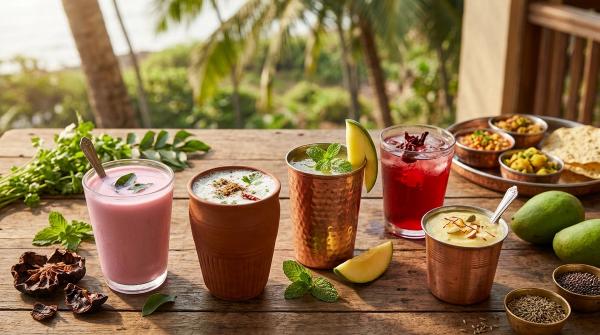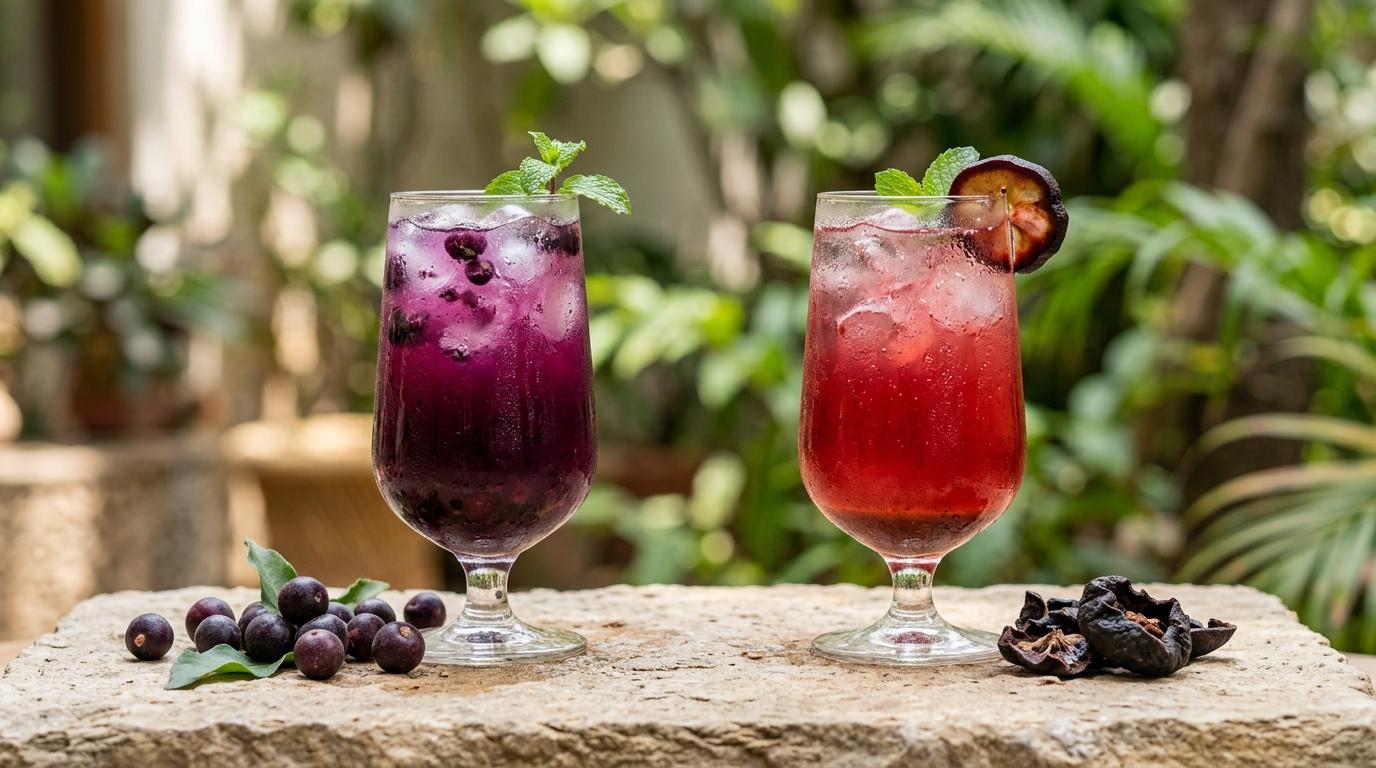
Some drinks only cool you down because they come from the fridge. Others taste like summer itself.
Phalsa and kokum fall into that second category. They are tart, colourful, deeply familiar in Indian kitchens, and far more interesting than a basic nimbu pani or a bottled fizzy drink. But they are not interchangeable. Use one instead of the other and the whole drink changes.
So when it comes to phalsa vs kokum, the real question is not “which is better?” It is more like: what are you in the mood for?
Do you want something fruity and fresh? Something sharp and sour? A sweet-tart sharbat with black salt? A savoury coastal drink? Something seasonal and special? Or something you can keep in the pantry and use whenever the heat gets too much?
Here’s a simple guide to help you choose.
Quick answer
#Choose phalsa if you want a fresh, fruity, sweet-tart drink with a berry-like flavour. It has a slightly dry, puckering finish that makes it feel especially refreshing in summer. Phalsa is lovely in sharbat with black salt, roasted cumin, and a little sugar or jaggery.
The catch? Fresh phalsa is very seasonal and delicate. When you find good berries, use them quickly.
Choose kokum if you want something sharper, more sour, and easier to keep at home. Kokum is usually sold dried or as an extract, so it is much more practical. You can use it for kokum sharbat, sol kadhi, or a quick tangy cooler on hot days.
In short: phalsa is the fresh summer treat, while kokum is the reliable pantry hero.
Phalsa vs kokum at a glance
#The kokum vs phalsa difference becomes much clearer when you look at how they behave in the kitchen.
Both are part of the world of Indian summer drinks, but they serve very different moods.
Taste and texture
#This is where the difference really shows.
What does phalsa taste like?
#Phalsa tastes like a tiny summer berry with attitude. It is fruity, tart, gently sweet, and ends with a slight dry feeling on the tongue. Not unpleasantly dry, just enough to make you want another sip.
The flavour can remind you a little of pomegranate juice, jamun, or even strong tea, but lighter and more playful.
In a drink, phalsa gives a beautiful purple-pink colour and a slightly fuller texture, especially if the berries are crushed by hand or lightly blended before straining. A good phalsa sharbat tastes fresh, bright, and fleeting. It feels like something you should drink right now because next month the fruit may simply disappear from the market.
If you enjoy berry-like drinks with black salt, roasted cumin, and a sweet-sour balance, phalsa is probably your kind of summer drink.
What does kokum taste like?
#Kokum is sour in a completely different way. It is not berry-like or juicy. It is sharper, deeper, and a little earthy. Since kokum is usually used as dried rind or extract, it behaves more like a souring ingredient than a fresh fruit.
In kokum sharbat, the flavour is bold and tangy. Sugar, black salt, cumin, and sometimes cardamom help soften the edges. In savoury drinks like sol kadhi, kokum brings acidity and colour, while coconut milk rounds everything out.
Kokum drinks are usually lighter in texture than phalsa drinks. They tend to be clearer, thinner, and more crisp, with a clean sour finish.
So, put simply: phalsa is fruity and seasonal; kokum is sharp, steady, and useful all year.
Best drink uses
#The phalsa sharbat vs kokum sharbat choice depends on what kind of glass you want in your hand.
When phalsa works best
#Phalsa is at its best in a fruit-forward summer sharbat. It does not need too much fuss. Usually, the berries are crushed or lightly blended, strained, and mixed with chilled water, sweetener, black salt, and roasted cumin.
That is not a full recipe, of course. If you want proper steps, look for a detailed phalsa sharbat recipe on allblogs.in.
Phalsa makes sense when:
- You have fresh fruit available.
- You want a berry-like tangy summer drink.
- You enjoy sweet-tart flavours with a little salt and spice.
- You are serving the drink soon after making it.
- You want something seasonal and special, not an everyday cooler.
Phalsa is not ideal if you want an ingredient you can store for weeks. It is delicate, and honestly, it does not wait around.
When kokum works best
#Kokum is the more flexible option. For sweet kokum sharbat, dried kokum is usually soaked so it releases its colour and sourness, then mixed with sugar and spices. If you have bottled kokum extract or syrup, the whole thing becomes even quicker.
Kokum is also excellent in savoury drinks. The best-known example is sol kadhi, a coastal drink made with kokum and coconut milk. It is tangy, light, and often served with meals. If you enjoy savoury summer drinks, a good sol kadhi recipe is definitely worth trying.
Kokum makes sense when:
- You want something easy to store.
- You prefer a sharper sour drink.
- You want both sweet and savoury options.
- You cook coastal Indian food and need a souring ingredient.
- You want a quick drink without hunting for fresh seasonal fruit.
If your summer kitchen needs one dependable sour ingredient, kokum is much easier to live with.
Sweetness, salt, and spice balance
#Neither phalsa nor kokum usually makes a great sharbat all by itself. Both need a little balancing.
Phalsa already has natural fruitiness and mild sweetness, but it still benefits from sugar, jaggery, or another sweetener. That sweetness softens the tartness and the slightly dry finish. Black salt and roasted cumin make it even more refreshing, especially if you like old-school North Indian summer drinks.
Kokum is more intensely sour and not very sweet on its own. For kokum sharbat, sweetener is usually important unless you are making a savoury version. Cumin, black salt, and cardamom can add more depth. In sol kadhi, coconut milk softens the sourness and makes the drink gentler.
An easy way to remember it:
- Phalsa needs balance because it is tart and slightly dry.
- Kokum needs balance because it is sharply sour.
If the sweet, salt, and spice balance is off, both drinks can taste a little harsh or flat.
Buying and availability
#Phalsa has a short season. You will mostly find it fresh in local markets during a brief summer window, especially in parts of North India. The berries are delicate and bruise easily, so look for fruit that appears fresh and plump. Avoid berries that look too mushy, are leaking, or smell fermented.
Kokum is much easier to plan around. Dried kokum is commonly available in Indian grocery stores, especially where coastal ingredients are sold. You may also find kokum extract, syrup, or concentrate. These are convenient, but the sweetness and salt levels can vary a lot, so always taste before adding more sugar or seasoning.
If you are ordering a drink outside, fresh phalsa sharbat feels more special because it depends on the season. Kokum sharbat, on the other hand, is easier to find beyond a short seasonal window because dried kokum stores well.
Storage and freshness
#This is one of the biggest differences in the phalsa vs kokum decision.
How to store phalsa
#Phalsa is fragile. Once you buy it, use it soon. Keep it refrigerated, avoid washing it too early, and sort through the berries before using them. If a few have spoiled, remove them right away.
Fresh phalsa is not the kind of fruit you buy and forget in the fridge. If you have more than you can use immediately, you can turn it into strained pulp or a sharbat base and refrigerate it for short-term use. Even then, it is best treated like a fresh seasonal fruit.
How to store kokum
#Dried kokum is far more forgiving. Keep it in an airtight container, away from moisture and direct sunlight. Since dried kokum can absorb smells and moisture, a clean, dry jar helps preserve its flavour.
If you buy kokum extract or syrup, follow the instructions on the bottle. Some need refrigeration after opening, some already contain sugar or salt, and some are much more concentrated than others.
For everyday practicality, kokum clearly wins on storage.
Which one should you choose?
#Here is the easiest way to decide.
Choose phalsa when you want something fresh, fruity, and seasonal. It is perfect for a special summer afternoon drink, especially if you have found good berries in the market. It is not the most convenient ingredient, but that is part of its charm. You enjoy it while the season allows.
Choose kokum when you want something reliable, sharp, and flexible. It is better for stocking at home, making quick drinks, and switching between sweet kokum sharbat and savoury options like sol kadhi. If you like keeping traditional Indian cooling ingredients in your pantry, kokum is the easier choice.
For a party, phalsa sharbat feels more unusual and seasonal, if you can get fresh fruit.
Kokum sharbat is easier to make in larger quantities, easier to store, and easier to repeat.
For daily summer use, kokum is more practical.
For once-a-year nostalgia, phalsa is hard to beat.
A cautious note on “cooling” and digestion
#Both phalsa and kokum are traditionally enjoyed in summer and are often described as cooling drinks. Many people also like them after meals or during hot weather because the tartness, salt, and spices can feel refreshing.
Still, it is better not to treat either drink like a medical solution. They can be part of a pleasant summer routine, but they do not replace water, balanced meals, or medical advice. Also, if you are watching your sugar intake, remember that most sharbats need added sweetener to taste balanced.
Final verdict
#In the phalsa vs kokum debate, there is no single winner.
Phalsa wins for fresh, berry-like, seasonal flavour. Kokum wins for storage, versatility, and year-round use.
If you see good fresh phalsa in season, make the sharbat. Don’t overthink it. If you want one ingredient to keep ready for hot days, buy kokum.
Both belong in the larger family of Indian summer drinks, but they answer different cravings. Phalsa is the short summer visit. Kokum is the dependable friend sitting in your kitchen cupboard, ready whenever the heat becomes unbearable.