I didn't grow up calling it zero-waste. We just called it... normal kitchen life. My nani would glare at anyone who peeled a lauki too thick, save coriander stems in a steel katori, dry orange peels near the window, and turn yesterday's rice into something honestly better than the original meal. Only later did I realize, oh, this is what people now put on Pinterest boards and call sustainable cooking. And fair enough, because in 2026 everybody seems to be talking about food waste, climate stuff, composting apps, smart fridges, bio-enzyme cleaners, all that. But Indian kitchens have been low-key doing this forever. Not perfectly, obviously. We waste things too. I waste things too, which is annoying. Still, if you want practical, actually tasty, zero-waste-ish hacks for an Indian kitchen, these are the ones that stuck with me.
Also, little side note before we start. A lot of food trend reports this year are pushing hyper-local produce, root-to-stem cooking, millet revivals, fermented condiments, and low-energy batch cooking. You can see it everywhere, from fancy tasting menus in Mumbai and Bengaluru to home cooks on Instagram making carrot-top chutney and whey rasam like it was never weird. Even newer restaurant menus are leaning into "waste-free" storytelling, though sometimes it feels a tiny bit branding-heavy, you know? The good part is that some of the ideas are genuinely useful at home.
1. Save your veggie peels and stems for stock, not the dustbin
#This is probably the easiest one and also the one that made me feel stupid for not doing it sooner. Onion skins, carrot peels, coriander stems, mushroom stems, tomato ends, bottle gourd peels, cauliflower stalks, even the tough outer leaves of cabbage, chuck them in a freezer box. When the box fills up, simmer it with ginger scraps, garlic skins, peppercorns, jeera, and maybe one sad green chilli. You get this light homemade stock that works in dal, pulao, veg stew, sambar-ish experiments, and even kneading dough if you're in that kind of mood. Just don't use too much bitter stuff like karela bits unless you want regret. I did that once. Not good.
The whole secret is knowing the difference between edible scraps and actual trash. If it's clean, fresh, and flavorful, it probably has one more job left in it.
2. Coriander stems are not waste. They are, frankly, flavor bombs
#I have a weird level of passion about this. People pluck the leaves and toss the stems, and I cannot support that behavior. Coriander stems go into chutney, green masala, tadka paste, sandwich spread, marinade for paneer, herb rice, and my lazy blender version of hari chutney with mint, roasted peanuts and lime. The stems have a deeper, almost more intense coriander taste. Same with parsley stems if you use them, and mint stems too, in moderation. In a lot of current restaurant kitchens, especially the modern Indian places doing tasting menus, stem use is pretty standard now because chefs hate waste and also because it tastes good. Which is the best reason, honestly.
3. Turn stale roti into three different snacks before it becomes compost
#If you only take one hack from this post, let it be this. Leftover rotis are ridiculously useful. Tear them into chips, toss with oil, chilli powder and chaat masala, then air-fry. Or make roti chivda with curry leaves, peanuts and hing. Or do what my mom did on rushed school mornings, which was cut them into strips and stir-fry with onion, tomato and a little pickle masala. Kind of like roti upma, kind of not. There are fancier names online now, but in my house it was just "eat this before you're late." During one particularly chaotic week I even made a jaggery-ghee roti laddoo situation with crushed nuts and cardamom from dry rotis, and it was way better than it had any right to be.
- Roti chips for evening chai
- Roti laddoo if you want something sweet and thrifty
- Masala roti stir-fry when lunch is looking bleak
4. Rice leftovers are basically tomorrow's plan, not a problem
#Cold rice is a gift. Fresh rice is nice, sure, but day-old rice behaves better. You can make lemon rice, curd rice, fried rice with Indian masalas, thengai sadam, rice cutlets, rice kheer, rice appe, or my personal emergency favorite, burnt-garlic rice with leftover sabzi mixed in. There are also a lot more people in 2026 talking about cooling rice and reheating it because of texture and meal prep convenience, though food safety still matters, please don't leave cooked rice hanging around all day and then act shocked. Cool it fast, refrigerate it, use it quickly. My nani didn't need a food science explainer, she just knew the rhythm of the kitchen. Me, I need reminders on my phone.
5. Whey from hung curd or paneer? Use it in dough, kadhi-ish soups, and dal
#This one feels a little old-school and new-school at the same time. When you hang curd for shrikhand or strain yogurt for dips, that liquid whey is full of tang and can add body to dough, soups, rasam-style broths, even chana boiling water. If you make paneer at home, same thing. Don't just dump it. I use it for kneading atta for parathas, and the dough comes out softer, a bit more flavorful too. Some chefs have been doing whey-based sauces and fermented drinks lately, and honestly the restaurant version sounds more glamorous than my "pour it into dal and hope" version, but both work. There was a tiny cafe in Bandra I visited last winter that had a whey-brined seasonal veg toast on the menu, and I still think about it more than I should.
6. Citrus peels can become achar, powder, cleaner, or chai perfume
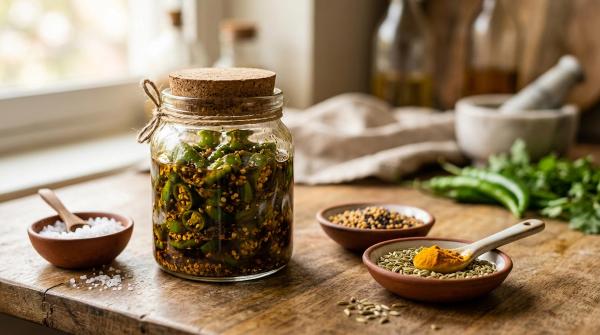
#Orange peel, sweet lime peel, lemon peel... so much gets wasted. If the fruit is chemical-heavy from store handling, wash it really well first, obviously. Then dry the peels in sun or a low oven and grind into powder. That powder is beautiful in tea cakes, spiced chai blends, marinades, even raita if you're feeling brave. Lemon peel can go into instant achar with salt, chilli and a bit of mustard. And yes, the classic kitchen trick still works in 2026 because it worked in 1996 too: citrus peels fermented with jaggery or sugar can help make homemade enzyme cleaner for counters and greasy spots. It smells amazing. Slightly chaotic to maintain, but amazing.
7. Use the whole cauliflower, broccoli, radish, and beetroot - leaves included
#Root-to-stem cooking sounds trendy because, well, it is trendy again. But the leaves of radish, beetroot and cauliflower are genuinely useful. Mooli leaves become thepla, saag, stir-fry, dal, pakora batter mix. Beet greens can be sautéed with garlic and mustard seeds. Cauliflower stalk peeled and sliced thin cooks beautifully in sabzi or stock. Broccoli stalk can go into soup or thoran-ish stir-fries. One of the nicest lunches I had this year was at a new farm-driven restaurant outside Bengaluru where they served beetroot leaf patta chaat with a yogurt foam situation that should've annoyed me but didn't, because it tasted so good. Point is, restaurants are making these parts feel luxurious now, and maybe that's what it takes for some of us to stop binning them.
8. Make a scrap chutney once a week and stop overthinking it
#This is my slightly messy Sunday ritual. I gather the edible odds and ends of the week, coconut bit left from grating, coriander stems, one green chilli, roasted peanut crumbs, a little tamarind, curry leaves that are on their last legs, maybe even sautéed ridge gourd peel if I've got it. Blend. Temper with mustard seeds and hing. Done. Indian kitchens are honestly perfect for zero-waste cooking because chutney forgives almost everything. Bottle gourd peel chutney, watermelon rind chutney, carrot-top chutney, cabbage core chutney, roasted pumpkin skin chutney... some work better than others, not gonna lie. My first watermelon rind chutney was watery and weird. The second time I squeezed out the water and added sesame. Much better. We learn, we move.
9. Buy better, smaller, and local when you can - prevention beats creativity
#Not every waste problem needs an ingenious recipe. Sometimes the smartest hack is just buying less. I know, boring. But true. One thing that's changed in 2026 is how many city shoppers are leaning into smaller produce deliveries, refill stores, weekly farm boxes, and hyperlocal apps that connect directly with growers. There are more millet-focused pop-ups too, and people are rediscovering hardy ingredients that store well, like jowar, bajra, ragi, horse gram, and amaranth. These are not miracle foods, but they can be practical, climate-smarter choices in many regions and they usually create less spoilage than a fridge full of fragile greens you bought with ambition and then ignored. Me and my over-optimistic coriander bunches have had this argument many times.
| Kitchen leftover | What I do with it | Why it works |
|---|---|---|
| Ridge gourd peel | Chutney with garlic and tamarind | Nutty, earthy, zero fuss |
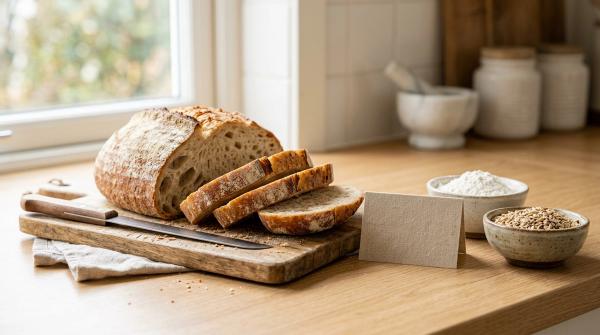
| Stale bread | Masala breadcrumbs or upma | Absorbs flavor fast |
| Herb stems | Green paste for curries | More flavor than expected |
| Cooked dal | Paratha dough or soup base | Adds body and protein |
| Overripe bananas | Malpua-ish batter or cake | Sweetness without extra waste |
10. Keep a tiny 'use-first' dabba in the fridge. This changed my kitchen more than any gadget
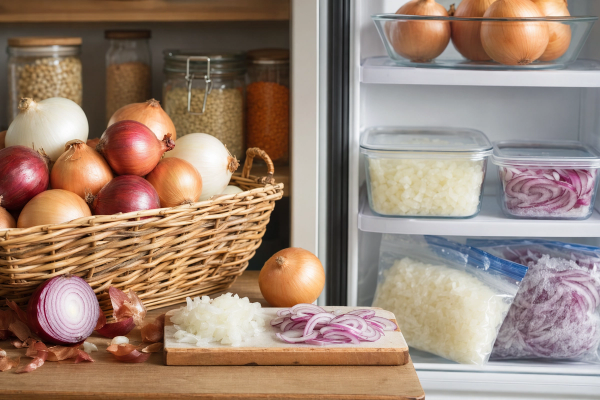
#I love a clever kitchen gadget, but honestly this humble little container does more than 90 percent of them. The use-first dabba is where I put half an onion, two spoons of coconut chutney, one boiled potato, a spoon of cooked peas, that last bit of paneer, some chopped herbs, half a tomato. The rule is simple: before I cook anything new, I check that box first. It has saved so many ingredients from that gross stage where they become science projects. A lot of the newer sustainability conversations are obsessed with apps, tracking systems, AI meal planning and smart bins, and okay sure, cool, but one steel dabba is cheaper and weirdly effective. Sometimes low tech wins.
A few more tiny things I do, badly sometimes, but still
#I save aquafaba from cooked chickpeas for eggless baking or to thicken gravies. I pickle watermelon rind with mustard and chilli. I turn too-soft tomatoes into quick curry base and freeze in cubes. I revive limp carrots in ice water. I dry curry leaves when they're on the edge and powder them into podi. I use the water from rinsing rice, not the very first dirty rinse but later clean-ish starch water, for plants on occassion or for thickening some batters. Some people swear by every single one of these. Some people will say just compost it and move on. Both are fair. Zero-waste in a real home isn't some perfect moral performance, it's more like reducing the dumb waste where you can.
But what about composting?
#Yes, composting matters. If you've used the ingredient as much as you realistically can, compost the rest if possible. In apartment kitchens this can be hard, smell concerns are real, fruit flies are demons, and not everybody has the energy. Municipal collection and community composting is improving in some Indian cities, though not evenly. Still, I think compost is the last stop, not the first one. First feed yourself, then maybe your stockpot, then your chutney jar, then the compost. That's my order anyway.
Why this all feels personal to me
#I remember one monsoon afternoon when the power had gone, the fridge was sulking, and my nani made lunch almost entirely from what looked like leftovers. There was sour curd turned into kadhi, rice into lemon rice, potato peels crisped with masala, coriander stem chutney, and roasted papad broken over everything because apparently texture can solve sadness. That meal tasted like resourcefulness but also comfort, and maybe that's why I get a bit emotional about this topic. Sustainable cooking isn't only about statistics, though those matter too. Globally, food waste is still a massive issue and household waste is a huge part of it. But in a home kitchen, the feeling of making something delicious out of almost-nothing? That's what sticks.
So yeah, my 10 hacks are not revolutionary. They're just tested, tasty, and rooted in the very Indian habit of stretching ingredients with intelligence and a little swagger. Start small. Save the stems. Respect leftover rice. Make the chutney. Keep the use-first dabba. If you mess up, who cares, I mess up too. Sustainable cooking is not about becoming some spotless eco-saint with color-coded jars. It's about paying attention. And eating really, really well while doing it. If you're into this kind of messy food talk, home kitchen experiments, and all the edible little adventures around them, you might like browsing AllBlogs.in too.