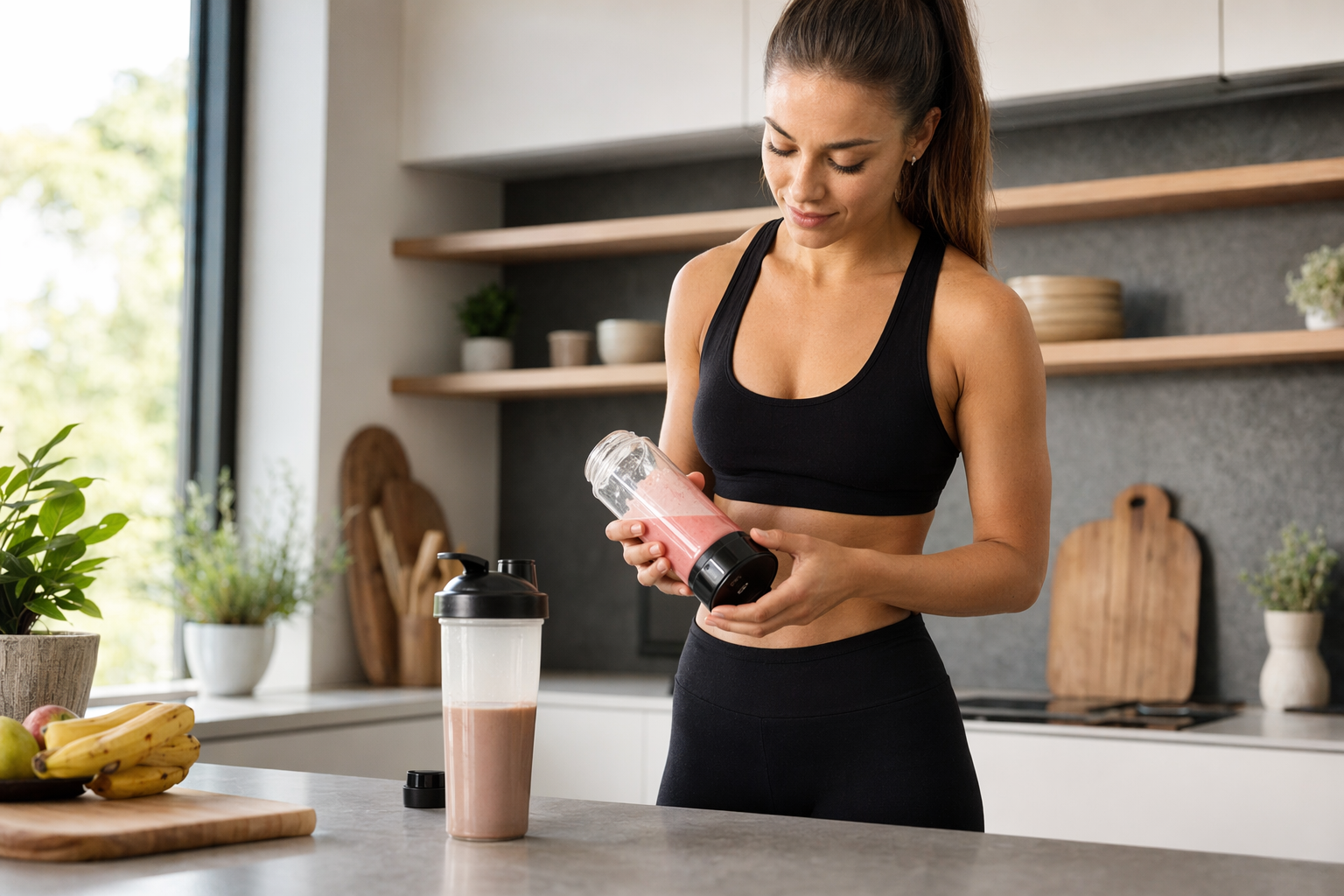
The short version, because buying wellness gear can get weirdly confusing
#If you’re choosing between a portable blender and a shaker bottle, the most honest answer is: it depends on what you’re actually going to make, how much cleaning you’ll tolerate, and whether your routine needs “smoothie” energy or “just mix the powder and go” energy. A shaker bottle is usually cheaper, lighter, quieter, and easier for basic protein powder drinks. A portable blender is better when you want fruit, yogurt, oats, nut butter, greens, or a smoother texture that feels more like a mini meal.
That sounds simple, but beginners often get pulled into the wellness-shopping spiral. Suddenly you’re comparing blade speed, BPA-free plastics, stainless steel mixing balls, USB-C charging, leakproof lids, powder clumps, macro goals, gym bags, and some influencer making a glowing green smoothie in the front seat of a car. Fun, but also... a bit much. So this guide keeps it practical. No magic claims, no “this one gadget will change your body” nonsense. Just a careful look at which tool fits which kind of health routine, plus a few safety and nutrition notes that are easy to forget when you’re excited to start.
First, what are you hoping this drink will do for you?
#Before buying either thing, it helps to pause and ask what job the drink is meant to do. Is it a quick breakfast because mornings are chaotic? A post-workout protein shake? A snack that keeps you from getting too hungry between meals? A way to add more fruit or fiber? Or just something cold and sweet that feels better than skipping food altogether?
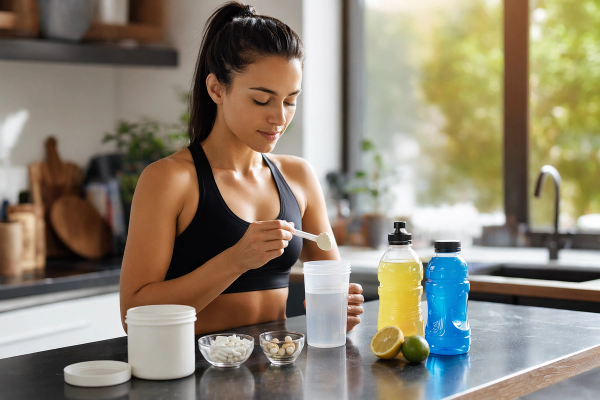
That question matters because a shaker bottle and portable blender don’t really solve the same problem. A shaker bottle mixes liquids with powders. That’s basically its whole personality. It can be great for protein powder, powdered meal replacements, greens powders, collagen, electrolyte mixes, or instant coffee drinks. A portable blender, meanwhile, processes whole or semi-whole foods. It can turn a banana, milk, berries, yogurt, and peanut butter into something you can drink. It may support a more filling snack because you can include fiber-rich and fat-containing foods, though fullness varies a lot from person to person.
Also, a gentle health note: if you’re using shakes because eating feels difficult, appetite has changed suddenly, weight is changing without explanation, digestion feels off, or exercise recovery seems unusually poor, it’s worth checking in with a qualified healthcare professional. A bottle or blender can support a routine, but it can’t explain symptoms or replace medical care.
Portable blender vs shaker bottle: the real-world comparison
#| Feature | Portable blender | Shaker bottle |
|---|---|---|
| Best for | Smoothies with fruit, yogurt, soft veggies, oats, nut butter, ice in some models | Protein powder, meal powders, electrolytes, pre-workout style mixes, simple drinks |
| Texture | Usually smoother, though small models can still leave bits | Can be clumpy depending on powder and liquid |
| Cost | Usually higher, especially for stronger motors and better batteries | Usually low-cost and easy to replace |
| Cleaning | Needs careful washing around blades and seals | Usually quick, but lids and shaker balls still need attention |
| Portability | Portable, but heavier and needs charging | Very light, no battery |
| Noise | Makes blender noise, even if briefly | Quiet |
| Food safety | More parts and trapped residue can raise cleaning importance | Still needs washing promptly, especially with milk or protein |
| Beginner friendliness | Great if you know you’ll use whole foods | Great starter option if you’re testing the habit |
If a beginner asked for the safest “don’t overbuy” choice, a shaker bottle usually wins. Not because it’s better in every way, but because it’s simple. You can try protein powder or a basic breakfast drink without spending much, without charging anything, and without committing to a new kitchen appliance. If you later realize you’re craving actual smoothies with berries and yogurt, then a portable blender may make more sense.
But if your goal is to eat more whole foods in a drinkable format, the blender has the edge. A shaker bottle cannot magically blend frozen strawberries. It will just make you sad and probably sticky.
Choose a shaker bottle if your routine is mostly protein powder and speed
#A shaker bottle is the boring friend who shows up on time. It’s not glamorous, but it works. Add liquid, add powder, shake hard, drink. For beginners who are trying to build a consistent habit, that kind of low-friction routine matters. If the process takes too long, needs too many parts, or creates a sink full of dishes, plenty of people simply stop doing it. No shame, that’s just real life.
Shaker bottles are especially useful for protein powder because most powders are designed to disperse in water or milk with agitation. Some powders mix better than others. Whey protein often mixes fairly easily, while some plant-based powders can feel thicker or a little gritty. That doesn’t mean one is automatically healthier. It just means texture matters more than people admit. If a drink feels chalky, you probably won’t keep drinking it, no matter how impressive the label looks.
From a health perspective, protein can support muscle repair and general nutrition, especially when paired with resistance training and enough total food. The Recommended Dietary Allowance for protein for many adults is commonly listed as 0.8 grams per kilogram of body weight per day, but needs may be higher for older adults, athletes, people in certain recovery phases, or people with specific medical conditions. People with kidney disease, liver disease, pregnancy-related needs, eating disorder history, or complex medical situations should ask a clinician or registered dietitian before making big protein changes. And if you’re still wondering whether powder even belongs in your life, the guide Protein Powder vs High-Protein Foods: What Should Beginners Choose? is a useful next read.
What to look for in a beginner shaker bottle
#- A leak-resistant lid that clicks or screws closed firmly, because protein shake in a backpack is a very specific kind of heartbreak
- A wide mouth, which makes adding powder easier and reduces that dusty cloud situation
- A mixing ball, whisk disc, or built-in agitator if you hate clumps
- Measurement marks on the side, helpful if you’re mixing powder with a recommended amount of liquid
- Dishwasher-safe materials if you use a dishwasher, though lids may still need hand-checking around grooves
Plastic shaker bottles are common and light, but they can hold onto smells over time, especially if they sit unwashed after milk-based shakes. Stainless steel versions tend to resist odor better and keep drinks cooler, but they cost more and you can’t always see measurement markings clearly. Glass is nice at home, less nice when you’re carrying it to the gym. There’s no perfect material. There’s just the one you’ll actually clean and use.
Choose a portable blender if you want whole-food smoothies
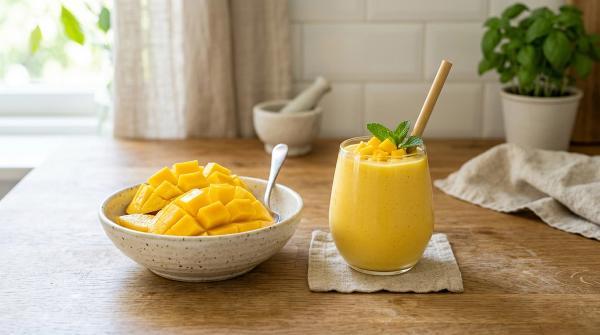
#A portable blender makes more sense when your drink includes foods that need actual blending: banana, berries, mango, spinach, cooked pumpkin, silken tofu, yogurt, oats, cottage cheese, nut butter, or seeds. It can help turn snack ingredients into a smoother drink, and that can be useful for people who struggle to sit down for a full breakfast or who want something more satisfying than powder in water.
The nutrition advantage is not the blender itself. It’s what you put in it. A smoothie with fruit, Greek-style yogurt, oats, and peanut butter is different from a sweet drink that is mostly juice and syrup. Whole fruits bring fiber, vitamins, minerals, and plant compounds. Dairy or fortified soy milk can add protein and calcium. Nut butter adds fat and calories, which may be helpful for some people and too much for others depending on their goals. This is where wellness advice gets personal fast, so it’s smart to avoid one-size-fits-all claims.
One thing worth saying carefully: blending fruit does not make it “bad,” but drinking calories can feel less filling for some people than chewing whole foods. Research on appetite and liquid calories is mixed and depends on texture, protein, fiber, portion size, and the person. If smoothies help you eat more balanced meals, great. If they leave you hungry 30 minutes later, you may need more protein, fiber, fat, or maybe just actual toast beside it. Basic, but true.
What to look for in a beginner portable blender
#- Enough cup capacity for your real portion size, not just the cute demo size online
- A motor strong enough for soft frozen fruit if you plan to use it, while remembering that many mini blenders are not full-size ice crushers
- A blade area that can be cleaned safely and thoroughly
- USB-C charging if you travel often and don’t want another random cable
- Clear instructions about hot liquids, because many portable blenders should not be used with hot ingredients due to pressure and burn risk
The hot-liquid point is important. Many small sealed blending cups are not designed for hot soups, boiling coffee drinks, or anything that creates pressure. Always follow the manufacturer’s instructions. Burns from hot liquid and steam are not a “wellness inconvenience,” they can be serious. Also, keep fingers and utensils away from blades, don’t run the blender while cleaning unless the instructions specifically describe a safe cleaning cycle, and don’t let children use it unsupervised.
Cleaning is not a side issue, it’s kind of the whole thing
#This is the unsexy part, but it may be the most health-relevant part. Protein drinks, dairy, plant milks, yogurt, fruit sugars, and tiny bits of food residue can spoil or grow bacteria if left sitting around. Public food safety guidance commonly recommends keeping perishable foods out of the “danger zone” between about 40°F and 140°F, and not leaving them at room temperature for long periods. For everyday life, the simple version is: drink it, rinse it, wash it properly as soon as you can.
Shaker bottles can smell awful if they sit in a gym bag all day. Portable blenders can hide residue under gaskets, around blades, and inside lid seals. If the product has removable seals, take them out regularly and clean them according to the instructions. If it smells sour even after washing, or there’s visible mold in grooves you can’t clean, replace it. That’s not being dramatic. That’s reasonable.
A quick rinse is better than nothing, but it is not the same as washing. Warm water and dish soap are usually enough for daily cleaning, unless the manufacturer says otherwise. Some bottles are dishwasher safe, some are top-rack only, and some blender bases should never be submerged because of the motor and battery. Read the tiny booklet. Annoying, yes. Useful, also yes.
Cost, clutter, and the “will I actually use this?” test
#Wellness purchases can feel motivating at first. New bottle, new powder, new plan, new you by Monday morning. But beginners are usually better off buying for the routine they already almost have, not the fantasy routine that requires waking up at 5:00, washing kale, and becoming a totally different personality.
A shaker bottle is often the better low-risk first purchase because it’s inexpensive and easy to store. If you use it consistently for a month and start wishing you could add banana or berries, that’s a useful sign. Then a portable blender is not an impulse buy, it’s a response to a real habit. On the other hand, if you already buy smoothies several times a week and want to make them at home, a portable blender may save money over time, depending on ingredients and how often you use it.
There’s also the clutter factor. A shaker bottle can live in a cabinet, gym bag, or desk drawer. A portable blender needs charging space and cleaning space, and if it’s too annoying to wash at work, it may end up becoming a decorative object with blades. Not ideal.
Protein shakes, meal replacements, and where beginners should be careful
#A shaker bottle often gets associated with protein powder, while a portable blender gets associated with smoothies, but both can be used in ways that are more or less nourishing. A protein shake can be a helpful snack. It can also become a way to avoid meals when your body needs more variety. A smoothie can be full of fiber and protein. It can also become a huge dessert drink without much staying power. Context matters.
Dietary supplements, including many protein powders and powdered mixes, are regulated differently from medicines in the United States and many other places. Labels can be helpful, but they are not the same as personalized nutrition advice. Some people prefer products that have third-party testing, especially athletes who are subject to banned-substance rules. If you have allergies, read labels carefully. Powders may contain milk, soy, egg, nuts, gluten-containing ingredients, or sweeteners that bother some stomachs.
Meal replacement shakes are another area where caution helps. They may be useful in some structured situations, but they are not automatically better than meals. If someone is using them for weight loss, blood sugar management, recovery, appetite issues, or a medical condition, it’s best to involve a qualified healthcare professional. Especially for diabetes, kidney disease, gastrointestinal conditions, pregnancy, cancer care, or a history of disordered eating. That’s not to scare anyone. It’s just that nutrition can interact with health in ways a product label won’t fully explain.
Texture and taste matter more than motivation
#People love to talk about discipline, but texture can make or break a habit. If a shaker bottle leaves chunks of powder, try adding liquid first, then powder, then shaking longer than seems necessary. Letting the drink sit for a minute and shaking again can help some powders hydrate. Cold liquid can make certain powders clump more, while room-temperature liquid may mix better, though taste is personal.
For portable blenders, layering matters. Liquids usually go in first, then softer ingredients, then powders, then frozen items near the top unless the instructions say otherwise. Small blenders can get stuck if packed too tightly. Cutting fruit smaller helps. So does using enough liquid. If the motor sounds strained, stop and adjust rather than forcing it. A burned-out mini blender is not a badge of honor.
If you dislike protein powder in water, that doesn’t mean you’re doing wellness wrong. Milk, fortified soy milk, kefir, yogurt, or blended fruit may improve taste and nutrition, depending on what suits your body. If dairy causes symptoms for you, lactose-free or non-dairy options may be worth discussing with a dietitian if you’re unsure about calcium, vitamin D, protein, or allergies. Again, no need to make it complicated, just don’t ignore your body’s feedback.
A simple buying decision, without the internet drama
#Here’s the easiest way to decide. If you mainly want to mix powder with water or milk, buy a shaker bottle first. If you want to blend whole foods into smoothies, buy a portable blender. If you want both, start with the one that matches your most common weekday, not your most ambitious Sunday.
- Pick a shaker bottle if your top priorities are low cost, fast cleanup, quiet mixing, and carrying drinks to the gym or work.
- Pick a portable blender if your top priorities are smoother texture, fruit and yogurt smoothies, more ingredient flexibility, and making drinks that feel closer to a snack or meal.
- Wait before buying either if you’re not sure you even like shakes. Try mixing something in a jar at home first, or make smoothies in a regular blender if you already own one.
For a very budget-conscious beginner, a shaker bottle plus a few simple food habits may be plenty. For example, protein powder is optional for many people who can meet their needs with foods like eggs, beans, lentils, fish, poultry, tofu, dairy, nuts, seeds, and whole grains. If you’re comparing convenience foods with powders, Protein Powder vs High-Protein Foods: What Should Beginners Choose? goes deeper into that exact decision.
What about weight loss, muscle gain, energy, and all those big promises?
#This is where marketing gets loud. A portable blender does not cause weight loss. A shaker bottle does not build muscle by itself. Protein powder does not guarantee anything. These tools may support habits that contribute to a goal, but outcomes depend on the full picture: total food intake, protein distribution, training, sleep, stress, medical conditions, medications, genetics, and consistency over time.
For muscle-building goals, protein plus resistance training is commonly recommended, but the best amount and timing can vary. For weight management, replacing a chaotic snack with a balanced smoothie may help some people feel more organized, while others may do better with solid meals. For energy, regular meals, enough fluids, adequate sleep, iron status, thyroid health, blood sugar patterns, mental health, and many other factors can matter. If fatigue is persistent, severe, worsening, or unusual, it deserves medical attention rather than another gadget purchase.
A bottle or blender can make a helpful routine easier, but it should not become a substitute for balanced meals, medical advice, or paying attention to symptoms that feel off.
Safety checklist before you hit “buy”
#Beginner gear should make life easier, not create weird little risks. Before buying, check whether the product is made from food-contact materials, whether replacement parts are available, and whether the lid has reviews mentioning leaks. With portable blenders, check battery instructions, charging safety, blade cleaning, and whether it can handle frozen ingredients. With shaker bottles, check whether the lid is easy to clean and whether the mixing insert has places where residue gets trapped.
Also think about where you’ll drink it. If a shake contains milk, yogurt, or other perishable ingredients, use an insulated bottle or cooler if it will sit for a while. If you’re traveling, empty and wash containers before packing them away. If you use powdered supplements, store them as directed, keep scoops dry, and avoid using products past their best quality date if smell, texture, or appearance seems wrong.
And one more practical thing: don’t ignore choking or allergy considerations in households with kids. Small mixing balls, caps, seals, and blade parts should be kept away from young children. If a product is shared in a household with food allergies, cross-contact can matter. Separate bottles may be safer for some families.
Final take: buy the tool that lowers the barrier, not the one that looks healthiest
#If you’re new to shakes and smoothies, start simple. A shaker bottle is the best beginner buy for basic protein drinks, electrolyte mixes, and low-effort routines. A portable blender is the better pick for whole-food smoothies and more filling blends with fruit, yogurt, oats, or nut butter. Neither is morally better. Neither is required for health. They’re just tools, and the right one is the one that helps you repeat a routine that fits your life.
The kindest approach is to avoid overcomplicating it. Choose something easy to clean, easy to carry, and realistic for your mornings. If your health situation is complex, or if you’re changing your diet for a medical reason, ask a qualified healthcare professional or registered dietitian for guidance. And if you’re still browsing beginner wellness gear and trying to make sense of the basics, you’ll find more practical reads over on AllBlogs.in.