If you’re new to fitness, trying to eat healthier, or just starting to care about protein, here’s the honest answer: you probably don’t need protein powder right away.
In the protein powder vs high-protein foods debate, whole foods should usually come first. Not because protein powder is bad, but because real foods give you more than just protein. They also bring fiber, vitamins, minerals, healthy fats, texture, and the kind of fullness you actually feel after a proper meal.
That said, protein powder can be useful. Very useful, actually. But it should solve a real problem.
Maybe you’re always short on protein. Maybe you’re too busy to cook. Maybe you travel a lot. Or maybe you just need something quick after workouts.
That’s where protein powder makes sense.
Short Answer Box
#Choose high-protein foods if you can cook or plan simple meals, want better overall nutrition, and don’t want to spend on supplements you may not need.
Choose protein powder if you are busy, active, traveling, or regularly struggling to hit protein needs through meals.
Choose both if food is your base and powder is only a backup or top-up.
Simple rule: Start with food. Add protein powder only when food isn’t enough, or when food isn’t practical.
Why Beginners Get Confused About Protein
#Protein is everywhere now.
There are whey protein tubs, plant protein powders, protein bars, high-protein snacks, “muscle” cereals, protein cookies, and all kinds of products that make it seem like buying a supplement is the first step.
But it isn’t.
Protein matters, of course. It helps with muscle repair, keeps you full, and supports normal body functions. Major health references also note that protein plays a role in immune health and helps organs and tissues work properly.
But that doesn’t mean every beginner needs a protein supplement.
For most people, the better question is not:
“Which protein powder should I buy?”
It’s:
“Am I actually getting enough protein from my normal food?”
That’s the question this guide will help you answer.
Protein Powder vs Whole Foods: The Real Difference
#The biggest difference is not just the amount of protein.
It’s what comes with that protein.
Whole foods give you more than protein
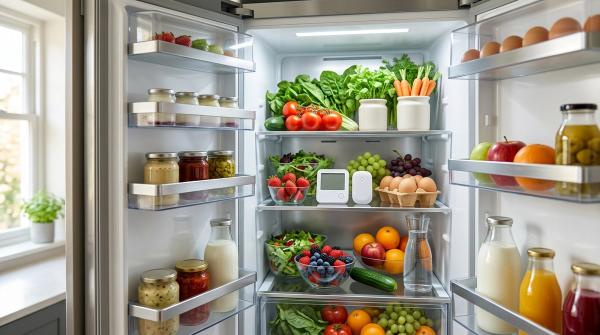
#High-protein foods are real foods. They can be part of breakfast, lunch, dinner, or snacks. Depending on what you choose, they may also give you fiber, healthy fats, vitamins, minerals, better fullness and more meal satisfaction.
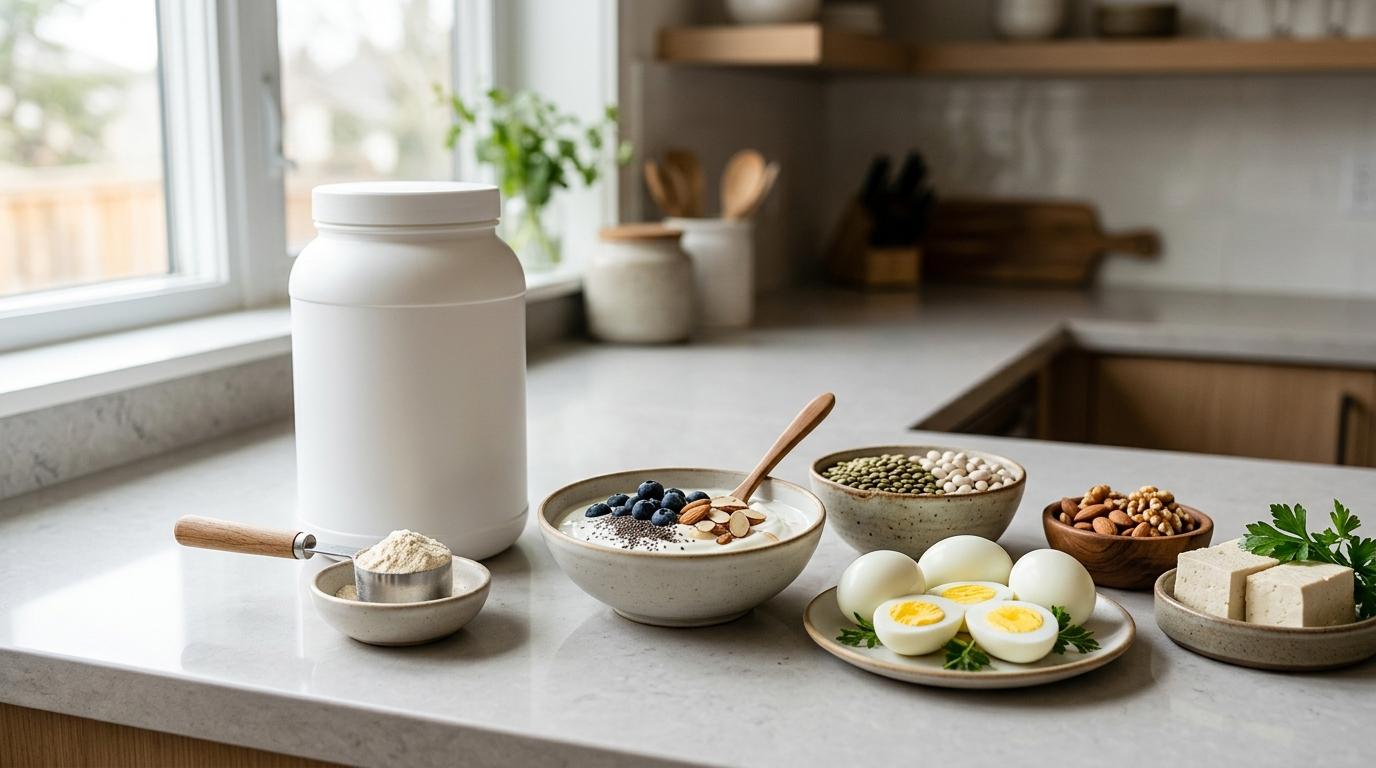
Good examples include eggs, chicken, fish, Greek yogurt, lentils, chickpeas, beans, tofu, paneer, edamame and soya chunks.
When you eat lentils, eggs with toast, grilled chicken, Greek yogurt with fruit, or a tofu stir-fry, you’re not just “getting protein.” You’re eating an actual meal that fits into a healthier diet.
That matters.
Protein powder gives you convenience
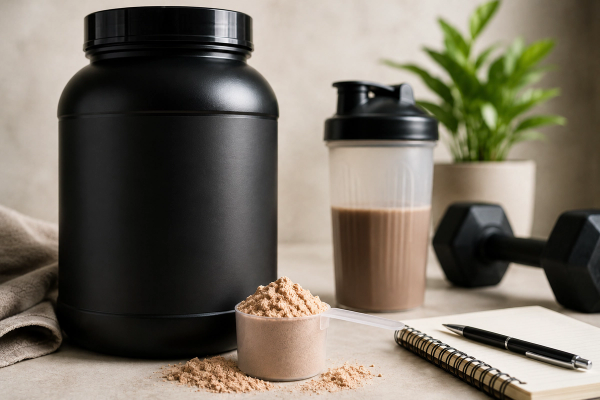
#Protein powders are usually made from dairy, egg, soy, pea, rice or other protein sources. They are concentrated and convenient, but they do not replace the wider nutrition and fullness of a balanced meal.
That doesn’t make protein powder bad.
It just means protein powder is more specific. Its main job is to give you protein quickly and easily.
That can be extremely helpful when you don’t have time to cook, don’t feel hungry enough for a full meal, or need something easy after a workout.
But it’s not the same as a balanced plate of food.
Quick Comparison: Protein Powder vs High-Protein Foods
#Prices vary a lot depending on your country, brand, store, season, and food choices. So instead of making fixed price claims, compare them by practical buying factors.
- Nutrition quality: High-protein foods usually win because they can provide fiber, vitamins, minerals and healthy fats. Protein powder is mostly concentrated protein, and quality depends on the formula.
- Convenience: Protein powder wins when you need something quick. Food usually needs cooking, storage or planning.
- Fullness: Whole foods usually feel more satisfying than a drink.
- Cost efficiency: It depends. Lentils, beans, eggs and curd can be affordable; premium meats and premium powders can both get expensive.
- Digestive comfort: Food and powder can both bother some people, but powders may trigger bloating because of lactose, sweeteners, gums or thickeners.
- Best use: Food is the daily foundation. Powder is a backup, travel support, post-workout convenience tool or gap-filler.
- Additive risk: Minimally processed foods usually have fewer additives. Protein powders can include flavors, sweeteners, fillers or stabilizers.
High-Protein Foods for Beginners
#If you’re new to eating more protein, don’t overcomplicate it.
You don’t need a perfect bodybuilder-style diet. You don’t need six meals a day. You don’t need to meal prep 21 identical containers unless you genuinely enjoy that.
Start with foods you already like and can realistically eat often.
Beginner-friendly high-protein foods include eggs, Greek yogurt or thick curd, chicken, fish, lentils, chickpeas, beans, tofu, paneer, edamame and soya chunks.
If you want practical food ideas before buying a supplement, read AllBlogs’ guide to high-protein Indian breakfasts without protein powder.
For many people, especially vegetarians, one common question is how tofu, paneer, and soya chunks compare. AllBlogs also has a deeper comparison of paneer vs tofu vs soya chunks if you want to build meals around vegetarian protein.
Tofu vs Paneer vs Soya Chunks Protein
#- Soya chunks: Very high for a dry plant protein food. Best for high-protein vegetarian meals, budget cooking and meal prep.
- Paneer: Moderate to high depending on brand and moisture. Best for dairy-based meals, filling dishes and slower-digesting protein.
- Tofu: Varies by firmness and brand. Best for plant-based meals, lighter stir-fries and flexible cooking.
Soya chunks are very protein-dense, but they need good seasoning. Plain soya chunks can taste boring if you don’t cook them well.
Paneer is easy to use, filling, and works in many dishes, but it can also be higher in dairy fat.
Tofu is plant-based, versatile, and often lighter than paneer, though the protein amount changes depending on the type and firmness.
The main point is simple: beginners can get plenty of protein from food if they plan even a little.
Who Should Buy Protein Powder?
#Protein powder makes sense when it solves a real problem. It may be worth buying if one or more of these sounds like you.
You’re busy and often miss protein at meals
#If your breakfast is usually tea and toast, lunch is rushed, and dinner is your only proper meal, protein powder can help close the gap.
It’s not “better” than food.
It’s just easier than cooking when your schedule is packed.
You train regularly and want an easy recovery option
#If you’ve started strength training, sports, or regular workouts, a shake can be convenient after exercise.
Whey protein is popular because it mixes easily and is quick to use, which is why many people use it post-workout.
But don’t stress too much about perfect timing. Your total protein for the whole day matters more than having a shake at the exact perfect minute after training.
You’re vegetarian or vegan and struggle to hit protein targets
#Vegetarian and vegan diets can absolutely provide enough protein, but they sometimes need more planning.
If you often fall short, a plant protein powder can be a practical backup.
For plant protein powders, blends like pea and rice are common because different plant proteins can complement each other.
You travel often
#This is one of the most practical uses for protein powder.
If you travel a lot, can’t rely on regular meals, or often get stuck with low-protein food options, carrying protein powder can make life much easier. For food-first backup ideas, see AllBlogs’ high-protein travel snacks guide.
Who Should Avoid Protein Powder?
#Protein powder is not necessary for everyone. You may not need it if these points sound familiar.
You already eat enough protein
#If your regular meals already include foods like eggs, fish, chicken, Greek yogurt, paneer, tofu, lentils, beans, or other protein-rich options, you may already be doing fine.
In that case, protein powder may just add extra cost and extra calories.
You expect it to cause weight loss
#Protein powder does not burn fat by itself.
It is not a magic weight-loss product, even if the marketing sometimes makes it feel that way.
Weight change depends on your overall calorie intake, activity level, sleep, consistency, and diet quality.
Your stomach reacts badly to powders
#Some people feel bloated after whey protein. Others react to artificial sweeteners, gums, thickeners, or lactose.
If a powder makes you uncomfortable, don’t force it.
You can try a different type, like whey isolate or plant protein, or you can simply stick with whole foods.
You want to replace most meals with shakes
#This is not a great beginner strategy.
Protein shakes can help fill gaps, but they should not replace a varied diet built around real meals.
A shake here and there is fine. Living mostly on shakes is a different story.
Whey Protein vs Food: Which Builds Muscle Better?
#Whey protein is popular because it’s quick, convenient, and easy to use. It’s especially handy around workouts.
But whey does not automatically build more muscle than food.
For beginners, muscle growth depends more on total protein intake across the day, consistent strength training, enough overall calories for your goal, good recovery and sleep, and sticking to the plan for months.
A scoop of whey can help if it makes your routine easier.
But chicken, eggs, fish, tofu, paneer, lentils, Greek yogurt, and other high-protein foods can also support muscle growth when your total protein intake is enough.
Plant Protein Powder: When Does It Make Sense?
#Plant protein powder can be useful if you’re vegan, vegetarian, avoiding dairy, or sensitive to whey.
Common plant protein sources include pea protein, rice protein, soy protein and mixed plant protein blends.
If you choose plant protein powder, look for a good-quality product, ideally a blend or a well-formulated option.
Some single plant proteins may be lower in certain amino acids, so blends are often used to create a more balanced amino acid profile.
Taste and texture matter too. Plant protein powders can be thicker, grainier, or more earthy than whey. If possible, start with a small pack before buying a large tub.
What to Check Before Buying Protein Powder
#Before adding a protein powder to your cart, use this simple buying checklist.
1. Protein source
#Check what the protein is made from.
Common options include:
- Whey concentrate: Usually more affordable, but contains some lactose and fat.
- Whey isolate: More filtered, usually higher in protein per scoop and lower in lactose.
- Plant protein powder: Often made from pea, rice, soy, or blends.
- Egg protein: An option for people who avoid dairy but are not vegan.
Choose based on your diet, digestion, preferences, and budget.
2. Protein per serving
#Look at how much actual protein you get per scoop.
Don’t judge only by tub size. A big tub with low protein per scoop may not be as good a deal as it looks.
3. Ingredient list
#Shorter is often better.
Be careful if the ingredient list is packed with fillers, gums, artificial flavors, or sweeteners you already know you don’t tolerate well.
4. Added sugar and sweeteners
#Some powders taste like dessert because they contain a lot of sugar or sweeteners.
If your stomach is sensitive, check for common sweeteners. Tolerance varies from person to person.
5. Third-party testing
#Supplement quality can vary.
Where available, look for third-party testing or quality certification. This doesn’t make a product perfect, but it can give you more confidence about quality standards.
6. Serving cost, not just tub cost
#Don’t compare only the front price of two tubs.
Compare protein per serving, number of servings, serving size, ingredients, testing or certification, and whether you can digest it comfortably.
The cheapest powder is not really cheap if it upsets your stomach or sits unused in your kitchen.
Step-by-Step Decision Checklist for Beginners
#Use this before buying protein powder.
Step 1: Track your normal protein intake for three days
#Don’t guess.
Write down what you normally eat for three days. You can use a nutrition app or even a basic notes app.
The goal is not perfection. The goal is to understand your current pattern.
Step 2: Estimate your protein goal
#Protein needs vary by age, body size, health, training and goals. A general adult baseline is often discussed around 0.8 g protein per kilogram of body weight, while active people may need more.
If you have kidney disease, a medical condition, pregnancy-related nutrition needs, an eating disorder history, or a clinical fitness goal, ask a qualified healthcare professional or registered dietitian before setting a target.
Step 3: Find the gap
#For example, if your target is 100 g protein per day and your usual intake is 60 g, your gap is 40 g per day.
Now you have a real problem to solve.
That’s much better than randomly buying a supplement because someone online said you should.
Step 4: Try filling the gap with food first
#Ask yourself:
- Can I add eggs to breakfast?
- Can I add Greek yogurt, thick curd, paneer, tofu, lentils, or chickpeas?
- Can I increase the protein portion at lunch or dinner?
- Can I prep one simple high-protein snack?
- Can I include protein in meals I already eat?
If yes, you may not need protein powder at all.
Step 5: Use powder only if food is not practical
#If cooking, appetite, travel, or a busy schedule makes the gap hard to close, protein powder can help.
For many beginners, one scoop a day is enough if they need support.
More is not automatically better.
Common Mistakes to Avoid
#Mistake 1: Buying protein powder before checking your diet
#Many beginners buy a supplement first and think about meals later.
Do it the other way around.
Check your food first. If you’re already eating enough protein, you may not need anything.
Mistake 2: Replacing proper meals with shakes
#A shake can be useful, but it is not the same as a balanced meal.
Whole meals provide chewing, fullness, fiber, and a wider mix of nutrients. Don’t build your entire diet around shakes.
Mistake 3: Ignoring digestion
#Bloating, discomfort, or stomach upset is not something you should just “push through.”
If whey bothers you, the issue may be lactose, sweeteners, or additives. You can try whey isolate, plant protein powder, or simply get your protein from whole foods.
Mistake 4: Thinking more protein always means more muscle
#Your body needs enough protein, not endless protein.
Training, sleep, recovery, total calories, and consistency matter too. Drinking three shakes a day will not automatically build muscle faster.
Mistake 5: Choosing by flavor only
#Taste matters, obviously. If something tastes awful, you probably won’t use it.
But don’t choose by flavor alone.
A powder can taste great and still have low protein per serving, too much sugar, or ingredients that don’t suit your digestion.
So, What Should Beginners Choose?
#For most beginners, the best plan is simple:
- Build your base with high-protein foods.
- Track your intake for a few days.
- Buy protein powder only if there is a real gap.
- Use it as a convenience tool, not a meal replacement.
If your meals are inconsistent, your schedule is packed, you travel often, or you struggle to eat enough protein, a good whey or plant protein powder can be worth buying.
If you already get enough protein from food, save your money.
The best protein plan is not the fanciest one. It’s the one you can actually follow without stress.
Final Takeaway
#Start with food, then use protein powder as a backup if your real life makes protein hard to manage. The smartest buy is not the biggest tub or the trendiest flavor. It is the option that fits your digestion, budget, routine and actual protein gap.
Disclaimer: This guide is for informational purposes only. Speak with a healthcare provider or registered dietitian before making major diet changes or starting supplements, especially if you have pre-existing health conditions.