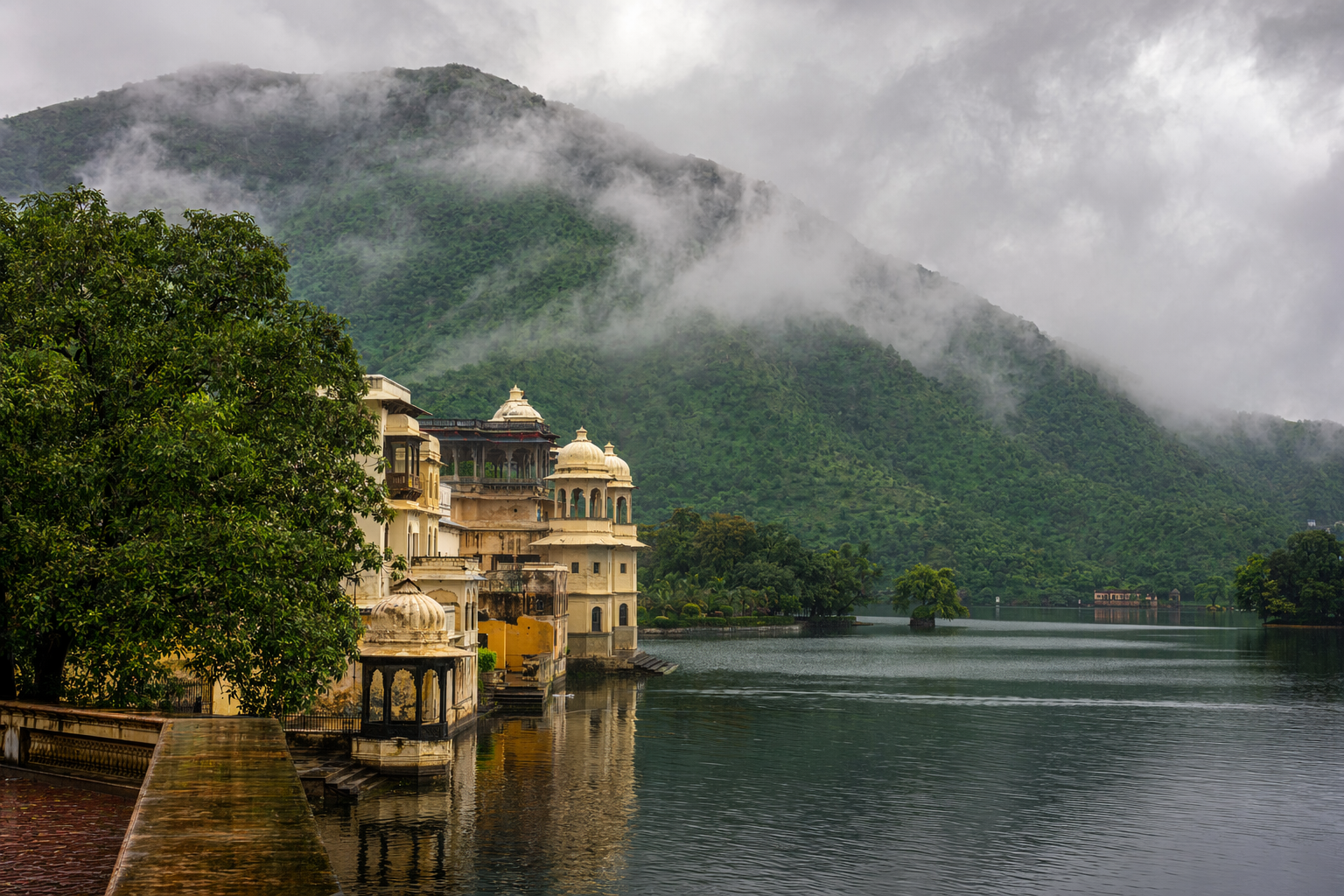
Monsoon travel in India is gorgeous, but it punishes lazy planning
#There is a very particular smell that comes when the first proper rain hits hot Indian roads. Wet mud, diesel, frying mirchi bhajji, damp bags, and that little excitement in your stomach because suddenly everything looks greener than it did yesterday. I love travelling in the monsoon. Like, genuinely love it. Western Ghats in rain, mist sitting on tea gardens, clouds moving across Kumaon ridges, Goa looking less like a party poster and more like an old Konkani painting… uff. But I have also learnt, sometimes the hard way, that reading monsoon weather forecasts before India trips is not optional. It is basic survival planning, same like carrying ID proof or booking your return ticket.
A few years back I made the classic overconfident Indian traveler mistake. Phone app showed “rain” for a hill route, which I casually ignored because, arre, it is monsoon only, no? Rain toh hoga. We started early, had hot poha at a roadside place, took photos of fog like proper tourists, and then spent almost six hours stuck near a ghat section because water was flowing over the road and local police stopped vehicles. Nothing dramatic happened to us, thankfully, but the day got eaten. Hotel check-in gone, lunch gone, everyone cranky, shoes soaked, and one uncle in the vehicle kept saying “maine bola tha” after not saying anything before. Since then I don’t just check “will it rain”. I check how much, where, when, and what the local warning is saying.
First, stop trusting only the cute weather icon on your phone
#Most of us open one weather app, see a cloud with three drops, and decide bas, enough information. But monsoon weather in India is moody. It can be dry in one part of a district and flooding in another. A beach town may be manageable while the ghat road behind it is seeing landslide risk. A city may show light rain but one low-lying underpass is already full of water. That is why I usually check forecasts in layers. The India Meteorological Department, commonly called IMD, gives district forecasts, warnings, rainfall alerts, radar images in many regions, and nowcast updates for short-duration weather. State disaster management handles and district administration updates can also matter a lot, especially in Uttarakhand, Himachal, Kerala, Maharashtra ghats, Assam, Sikkim, and parts of the Northeast.
The colour alerts are simple but people still ignore them. Green usually means no warning. Yellow means be aware, things can get uncomfortable or locally tricky. Orange means be prepared, there may be heavy rain and disruption. Red means take action, and honestly I treat it as “don’t act brave for Instagram”. Red alert travel is not some adventure badge. It can mean flooding, landslides, river swelling, flight delays, train delays, road closures, power cuts, network issues, all that fun stuff nobody puts in the reel caption.
| Forecast term | What I understand it as while planning | What I usually do |
|---|---|---|
| Light to moderate rain | Normal monsoon rain, still can cause traffic | Carry rain cover, keep buffer time |
| Heavy rain | Plans can slow down, roads may waterlog | Avoid tight itineraries, check hotel access |
| Very heavy rain | Risky for hills, river areas, long drives | Postpone if possible or change route |
| Extremely heavy rain | Serious disruption possible | Don’t travel unless essential |
| Thunderstorm or lightning | Common but dangerous in open areas | Avoid viewpoints, beaches, open fields |
| High wind warning | Bad for ferries, beaches, tree-lined roads | Check transport status before leaving |
My basic monsoon forecast routine before any India trip
#I am not a meteorology expert, okay. I am just someone who has been wet, delayed, hungry, annoyed, and occasionally very impressed by my own bad planning. Now before I travel in rainy months, I do this small routine. It takes maybe 15 minutes, but saves a lot of headache later. First I check the destination forecast. Then I check the route forecast. This is important. If you are going from Hyderabad to a hill station, or Delhi to Kumaon, or Mumbai to Goa, the route can be more important than the town where you sleep. Then I check warnings for the district, not only the city name. Then I check the last 24 hours rainfall if available, because already-saturated hillsides and overflowing streams are a different game.
- Check the district-level forecast, not just the tourist town. Many hill stations sit inside larger districts where conditions vary, but district warnings still give the mood of the area.
- Check your travel route. Ghats, forest roads, river bridges, coastal highways, and mountain roads behave differently during heavy rain.
- Look for local updates from police, district admin, transport operators, hotel staff, and taxi drivers. Locals know which road gets blocked every year.
- Keep one backup day or at least backup hours. Monsoon and tight planning are not friends. They fight.
India does not have one monsoon season, it has many moods
#For most of India, the main southwest monsoon is roughly June to September. Kerala and the Konkan coast get it early, the Western Ghats turn insanely green, Mumbai begins its annual love-hate relationship with rain, and north India slowly joins the party. But this is not a fixed button that turns on everywhere same day. In the Himalayas, July and August can be very risky for landslides and cloudburst-type intense rain events. In Rajasthan, monsoon can be surprisingly beautiful in places like Udaipur and Bundi, but dry gaps happen. In Tamil Nadu and parts of coastal Andhra, the northeast monsoon around October to December is very important, especially for Chennai, Puducherry, Nagapattinam side, and nearby regions.
So when someone asks, “Is monsoon a good time to travel in India?” my answer is irritatingly Indian: depends. For waterfalls and greenery, yes, amazing. For high-altitude trekking, maybe not, or only with proper guidance and flexible dates. For beach swimming, often no, because sea conditions can be rough and lifeguards may restrict entry. For wildlife parks, many core zones close in monsoon, though buffer experiences in some places still run. For city food walks and museum trips, actually monsoon can be lovely if you don’t mind wet sandals and traffic. The trick is matching your destination to the rain pattern.
Hill stations: beautiful, but please don’t behave like a hero
#Indian hill stations in monsoon look unreal. Clouds come into your balcony, pine trees drip all day, chai tastes better, and every second bend has some temporary waterfall. But the same rain that makes the view magical can also loosen slopes, break roads, and turn a normal 3-hour drive into 9 hours. I have seen people argue with taxi drivers during heavy rain because “Google Maps says road is open”. Boss, Google Maps is not standing under that landslide with a shovel. If local drivers say wait, wait.
For Uttarakhand, Himachal, Sikkim, Arunachal, Meghalaya, and the Sahyadris, I always check heavy rain alerts and avoid night driving. In mountain regions, night plus rain plus fog is simply not worth it. If you are doing Char Dham, Kumaon, Spiti approach roads, Munnar, Wayanad, Coorg, Chikmagalur, Mahabaleshwar, Lonavala, or similar places, pack patience. Also pack food. Road closures are not always dramatic, sometimes you just sit for hours near a tea stall and all they have left is Parle-G and one sad packet of chips. For yatra routes, this piece on Char Dham Yatra Food in Rain: Pack, Buy, Avoid is genuinely useful because food planning in rain is not glamourous, but it matters.
Beaches and coastal trips need a different kind of forecast reading
#Goa, Gokarna, Udupi, Varkala, Alibaug, Puri, Digha, Pondy, Andamans… coastal India in monsoon has its own charm. Cheaper stays, empty shacks, dramatic skies, and that deep grey sea which looks cinematic but also slightly angry. This is where you must check wind, rough sea warnings, ferry status, and local beach restrictions. Swimming is often unsafe during strong monsoon currents. Even if the rain is not very heavy, the sea can be rough. Don’t copy locals jumping in unless you actually know the water there. And don’t fight lifeguards. They are not trying to ruin your trip, they are trying to avoid a rescue.
Accommodation prices in coastal places can drop during monsoon weekdays, though popular long weekends still get expensive. Budget rooms may start around ₹1,000 to ₹2,500 per night in smaller towns, hostels around ₹500 to ₹1,200 per bed, and decent mid-range hotels around ₹3,000 to ₹7,000 depending on location, view, parking, and how close you are to the beach. In Goa, South Goa and inland homestays can feel calmer in rain. In Kerala, riverside and backwater stays are lovely, but I always ask about flood history and road access before paying advance. Cheap room is not cheap if you have to wade through knee-deep water with luggage.
City monsoon travel: less danger maybe, more chaos definitely
#City travel during monsoon is not always risky in the mountain sense, but it can become deeply annoying. Mumbai local trains can slow down during intense rain, low-lying roads flood, autos disappear at the exact moment you need them, and surge pricing becomes a personality trait. Delhi gets waterlogging in underpasses and traffic jams that test your faith in humanity. Bengaluru rain can make one 8 km ride feel like a full-day pilgrimage. Kolkata in rain is beautiful in a romantic old-city way, but also slippery and humid. Chennai during northeast monsoon needs extra attention to waterlogging and coastal rain warnings.
For city breaks, I plan indoor anchors. Museum, old café, bookstore, temple, food street, theatre, mall if nothing else. I don’t plan five outdoor stops in one day. Also, I choose accommodation near a metro, railway station, or the area I actually want to explore. During dry season I may stay 8 km away to save money. During heavy rain, no chance. Spend extra ₹800 or ₹1,500 and stay closer. Your feet will thank you, and so will your mood.
Accommodation in monsoon: ask boring questions before booking
#Monsoon hotel photos lie a little. Not intentionally always, but they show the sunny version of the place. Before booking, I ask very boring uncle-type questions now: Is the approach road okay in heavy rain? Does the property have power backup? Is parking covered or safe? Any damp smell in rooms? Is there hot water all day or only morning? Is the property near a river or nala? Can food be arranged if outside restaurants shut early? Flexible cancellation is also gold in monsoon. If the difference between non-refundable and refundable is small, I usually pay extra. Peace of mind has value.
Typical prices vary wildly by region, but as a rough India monsoon travel budget: hostels are often ₹500 to ₹1,200 per bed, simple guesthouses ₹1,200 to ₹3,000, homestays ₹1,500 to ₹4,500, mid-range hotels ₹3,500 to ₹8,000, and resorts can be anything from ₹7,000 to “why is my bank balance crying”. In off-season hill towns, you may get good deals, especially on weekdays. But check reviews from rainy months, not just winter or summer reviews. A place can be excellent in December and damp like a forgotten towel in July.
Transport: trains are steady, roads are flexible, flights are moody
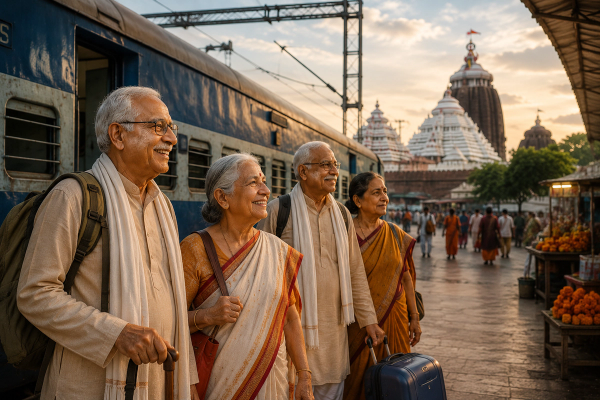
#In monsoon, trains are often my first choice for long routes, especially if I don’t need to reach at an exact hour. They can be delayed during heavy rain, but at least you are not personally navigating a flooded highway. Flights are fast, but heavy rain, low visibility, and airport congestion can mess with schedules. Road trips are the most romantic and the most vulnerable. One fallen tree, one overflowing culvert, one landslide zone, and your whole plan changes. I am not saying don’t drive. I love monsoon drives. Just don’t drive like you are in a car advertisement.
- Avoid night driving in ghats and hills during active rain. Fog, loose stones, and surprise water streams are not worth it.
- Start early. In monsoon, morning travel is usually calmer than late evening, though weather can change anytime.
- Keep fuel above half tank if you are entering remote areas. Petrol pumps may be far or power may be out.
- Download offline maps, but don’t blindly trust shortcuts. A “shorter” village road may be broken or flooded.
- Listen to bus drivers, taxi drivers, dhaba owners, and police checkposts. Local judgement beats app confidence.
Packing based on forecast, not vibes
#Earlier I used to pack for monsoon like a movie person: one nice jacket, one umbrella, done. Now I pack like someone who has dried socks using a hotel hair dryer at 1 am. If the forecast says light rain, normal rain gear is fine. If it says heavy rain, I waterproof everything important. Phone, charger, documents, medicines, extra cash, power bank. A cheap plastic pouch has saved me more times than some expensive travel gadget. I also carry one thin towel, quick-dry clothes, rubber sandals or waterproof shoes, and a separate bag for wet stuff. Jeans in heavy monsoon are a crime against your own legs, sorry.
For hill trips, I pack snacks properly. The romantic idea is hot Maggi everywhere, but in real life the one shop may be closed or crowded with 40 stranded people. Carry thepla, chikki, dry fruits, roasted chana, biscuits, ORS, and a water bottle. If you are travelling in Kumaon or planning slow rainy days around Nainital, Almora, Ranikhet side, this Kumaon Rainy-Day Food Guide for Travelers pairs nicely with the forecast planning mindset. Good food in rain is not just comfort, it keeps everyone less irritated.
Food and health in rainy weather: small things matter
#Monsoon food is the best and also the riskiest, which is unfair but true. Pakoras, bhutta with nimbu-masala, vada pav, hot chai, momos in mist, fish curry on the coast, mandua roti in the hills, neer dosa in Karnataka, khichdi when you are tired… I can plan a whole rainy itinerary around food only. But after heavy rain, I avoid cut fruit from open stalls, questionable chutneys, and water that is not sealed or properly filtered. Not because I am fancy. Because stomach issues during travel are the fastest way to ruin a beautiful trip.
Carry basic medicines you already know suit you, plus ORS. If you have motion sickness, mountain roads in rain can make it worse because the vehicle slows, stops, turns, waits, again turns. Leeches can be an issue in some forest and plantation areas, especially in the Western Ghats and Northeast, so closed footwear and salt or repellent advice from locals can help. Mosquitoes also increase in many places after rain, so don’t forget repellent. And please, if water is flowing across a road or trail, don’t step in just to “check depth”. Moving water is stronger than it looks. This is one lesson people learn late.
Destinations where forecast-checking really changes the trip
#Some places are forgiving in monsoon. Some are not. A rainy weekend in a city can still work with cafés, museums, and food walks. A rainy weekend in a remote valley may become a waiting game. Western Ghats destinations like Lonavala, Matheran, Mahabaleshwar, Coorg, Wayanad, Munnar, Chikmagalur, and Agumbe are stunning, but route alerts matter. Himalayan routes in Uttarakhand, Himachal, Sikkim, and Arunachal need serious respect. Northeast India, especially Meghalaya and Assam, can see very heavy rain, and river conditions change fast. Coastal Karnataka and Kerala can be dreamy, but ferry and sea warnings matter.
If you are planning a short hill escape from Hyderabad side, the practical thinking is similar: check rain not only at the destination, but also on the drive, the ghat sections, and return timing. I found this kind of route-first planning very relevant for trips like Horsley Hills from Hyderabad in Monsoon: A Practical 2-Day Weekend Guide, where even a small weekend plan needs rain buffers. Monsoon trips don’t always need cancellation. Many times they just need smarter timing, slower driving, and not packing the itinerary like a school timetable.
My “should I go or cancel?” monsoon decision filter
#This is the part nobody likes because cancellation feels like defeat. You applied leave, booked hotel, told everyone, maybe even bought a new rain jacket. But sometimes the best travel decision is not going. I usually continue with the trip if the forecast shows normal to moderate rain, no major warnings, and local roads are open. I modify the trip if there is a yellow alert or scattered heavy rain. That means fewer stops, no remote detours, and staying closer to town. I seriously reconsider if there is an orange alert in hills or flood-prone areas. And if there is a red alert, I don’t do drama. I postpone.
The mountain, sea, waterfall, fort, viewpoint, and café will still be there later. Your family group’s “reach safely” messages are annoying, but they are not wrong.
Also, insurance and cancellation policies matter more in monsoon. Many hotels have flexible windows, some don’t. Buses may allow rescheduling, some private operators may not. Trains depend on availability and rules. Flights can be expensive to change. So before paying, check the boring fine print. A refundable booking may feel costly when skies are clear, but when a district alert comes two days before travel, it feels like genius.
A simple monsoon forecast checklist I actually use
#- Five to seven days before travel, check the broad forecast for destination and route. Don’t panic yet, just understand the pattern.
- Two to three days before, check district warnings, rainfall intensity, and any local road or transport updates. This is when I adjust plans.
- One day before, call the hotel or homestay. Ask about approach road, parking, power, food, and whether locals are travelling normally.
- On travel day, check nowcast or short-term updates before leaving. If the next three hours look bad, delay departure rather than getting stuck at the worst spot.
- During the trip, don’t be stubborn. If locals say a waterfall trail is unsafe or police blocks a road, accept it. Have chai. Change plan.
Final thoughts, from one rain-loving traveler to another
#I don’t want to scare anyone away from monsoon travel in India. Actually, I think some of my best trips happened in the rain. The hills look alive, cities slow down in a strange poetic way, food tastes better, and even ordinary roads become beautiful. But monsoon is not background decoration. It is an active part of the journey. Read the forecast properly, understand alerts, respect local advice, and keep your plans loose. The difference between a magical rainy trip and a miserable one is often just 15 minutes of checking weather before you leave.
So next time you are planning that wet-season escape, don’t just ask “baarish hogi kya?” Ask how much rain, where, when, and what it means for your route. Pack snacks, keep backup time, book sensibly, and don’t chase waterfalls during a red alert just because reels made it look cute. Travel safe, get drenched only when it is fun, and if you want more practical India travel guides with this kind of real-life planning angle, keep browsing AllBlogs.in.