Rain in Kumaon changes the menu, and honestly that’s the whole point
#The first thing I learned in Kumaon during the rains is that the weather decides what you eat. Not your Instagram list, not some neat itinerary, not even your hotel breakfast timing. The rain comes down over Nainital or Almora or Mukteshwar, the mist gets into your sweater, taxis start crawling around bends, and suddenly all you want is something hot, earthy, salty, maybe a little smoky. I went thinking I’d be doing the usual cute hill-station café hopping. You know, coffee with a valley view, banana cake, that kind of thing. And sure, I had some of that. But the meals that stayed with me were the ones that looked almost too simple at first: bhatt ki churkani with rice, madua roti with ghee, aloo ke gutke eaten from a steel plate while rain hammered the tin roof. That stuff gets into your bones.
Kumaon, the eastern side of Uttarakhand’s hill region, has this food culture that doesn’t shout. It sort of waits for you to slow down. And rainy days force that. Roads between Haldwani, Nainital, Almora, Binsar, Kausani, Ranikhet, Jageshwar and Munsiyari can get delayed in monsoon, sometimes by fog, sometimes by slush, sometimes just because everyone is driving like they suddenly remembered they’re mortal. So meals become practical too. Hot food. Digestible food. Tea stops. Snacks that survive damp bags. Food that doesn’t make you regret every hairpin turn. I’ve made those mistakes, by the way. More than once.
My first rainy Kumaoni meal was not fancy, which is probably why I remember it
#I landed in Kathgodam on one of those damp mornings where the platform smells like wet iron, chai, and people’s luggage. From there we took a shared taxi uphill, and I had been clever, or so I thought, and eaten a heavy breakfast before the ride. Bad move. By the time we were climbing toward Nainital, my stomach was doing that slow protest thing. There’s a reason I now tell people to keep it light before mountain roads, and I wish I’d read something like What to Eat Before a Long Taxi Ride in India before that trip instead of learning through personal suffering, like a fool.
We stopped at a tiny roadside place, not even a restaurant exactly, more like two benches, a stove, and a man who seemed deeply unimpressed by the rain. He gave us chai first. Then aloo ke gutke, those dry-spiced potatoes that Kumaon does so well, with jakhiya crackling in the oil and a green chutney that had bhang seeds in it. Before anyone panics, bhang ki chutney in Kumaon is usually made from roasted hemp seeds, nutty and tangy, not some dramatic tourist stunt. It tasted like the mountain had invented peanut sauce and then made it sharper. I ate slowly because my stomach was still annoyed with me, but also because it was so good I didn’t want to rush. Rain was dripping from the tarpaulin, the potatoes were hot, my shoes were wet, and somehow that was the exact right welcome.
The rainy-day dishes I’d actually travel back for
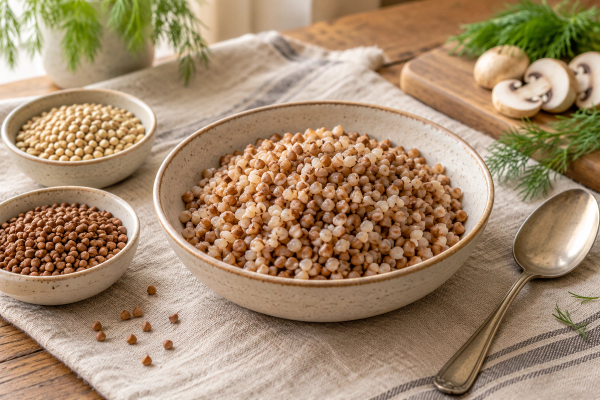
#If you’re in Kumaon in the rain, chase dishes that feel like they were made for weather, not dishes that look good on a café board. Bhatt ki churkani, sometimes written churkani or chudkani depending on who’s translating it, is one of my favourites. It’s made with black soybean, roasted or cooked down into a dark, thick curry with spices and often eaten with rice. It doesn’t photograph beautifully unless you’re one of those people who can make lentils look sexy, but the taste is deep and nutty and comforting. On a cold, wet afternoon in Almora, I had it in a homestay with plain rice and a little ghee, and I swear everyone at the table got quiet for a few minutes. Food silence. The best kind.
Then there’s dubke, or dubuk, a slow-cooked dal-like dish made from local pulses like bhatt or gahat. It can be mild, almost porridgey, but don’t confuse mild with boring. In the hills, especially when the rain has made everything smell of mud and pine, that soft bowl of dal and rice feels medicinal in the nicest way. Gahat dal, also called horse gram, shows up in different preparations and is loved in mountain kitchens because it’s hearty. I’m careful with health claims because everyone’s auntie has a different version, but locals often talk about it as warming food, the sort you eat when the weather turns damp and your body wants ballast.
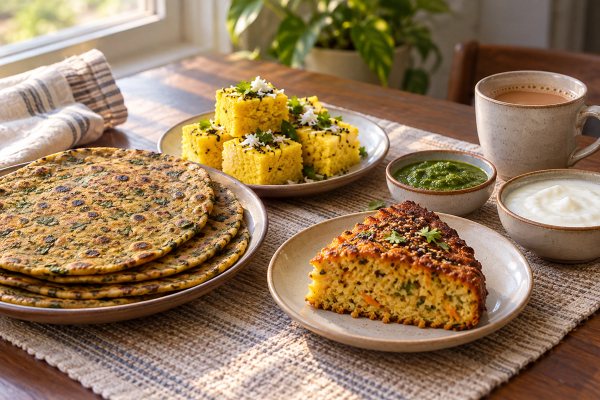
- Aloo ke gutke: dry-spiced potatoes, usually with jakhiya, cumin, chilli, coriander, sometimes served with cucumber raita or bhang ki chutney.
- Madua roti: made from finger millet, earthy and slightly rustic, brilliant with ghee, dal, or leafy saag. It can feel heavy if you eat too much before travel, though. Ask me how I know.
- Jhangora kheer: barnyard millet pudding, usually simple and milky, and honestly better on rainy evenings than most fancy desserts.
- Sisunak saag: nettle greens, cooked down so the sting is gone. It’s not everywhere, but if a homestay makes it, say yes.
- Bal mithai and singori: Almora’s sweet legends. Bal mithai is chocolate-brown khoya coated with sugar balls, singori is khoya wrapped in malu leaf. Buy small quantities because damp weather is rude to sweets.
Nainital in the rain: cafés are fine, but find the hot plates
#Nainital is where many Kumaon trips start, and in the rains it gets moody in a very filmi way. Clouds sit on the lake, umbrellas crowd Mall Road, and everyone suddenly wants momos. I like momos too, no shame. But if you only eat steamed dumplings and café cake in Nainital, you miss the point a little. Walk away from the busiest stretch and look for places serving thalis, parathas, rajma-chawal, hot poha, simple dal-rice. In wet weather, boring-looking food can be the safest and most satisfying. A steaming bowl beats a pretty cold sandwich almost every time.
That said, I did have one rainy afternoon where I sat in a café near the lake with coffee and a slice of walnut cake, watching school kids run through drizzle like they had defeated physics. It was lovely. I’m not anti-café, I promise. But I try to balance it now: café for sitting, local kitchen for eating properly. Also, during heavy rain, choose places with turnover. If food is hot, freshly cooked, and the room is full of locals, that’s usually a better sign than a huge menu with everything from pasta to dosa to Israeli platter to “continental sizzler” all coming from one sleepy kitchen.
Almora is where my sweet tooth lost all dignity
#Almora has a special place in my food brain. The town stretches along a ridge, old bazaars curling around slopes, and when it rains the stone steps get slippery in that embarrassing way where you try to look graceful but you’re basically a newborn goat. I went there partly for bal mithai and singori, because obviously. Bal mithai is associated strongly with Almora, and local sweet shops have been making it for generations. It’s not delicate. It’s dense, milky, caramel-ish, and coated with those tiny sugar pearls that stick in your teeth. I loved it immediately, then pretended I didn’t eat a second piece. Lies.
Singori felt more elegant to me. Khoya wrapped in a green leaf, scented gently by the leaf itself, soft and sweet without being too showy. In rain, though, sweets need a bit of care. Don’t buy a giant box and drag it around wet roads for three days. Buy from a busy shop, eat it fresh, share it if you can. I carried some in my backpack once, the packet got damp, and the whole thing became sad and sticky. Still edible, because I am not that precious, but not ideal. Almora also gave me one of the best plates of aloo ke gutke I’ve had, served with a cucumber raita so sharp and cool it cut through the potato heat perfectly.
Homestays are the real rainy-day restaurants
#I’ve eaten in a lot of restaurants while travelling, but in Kumaon the best rainy meals often happened in homestays. Not in a curated “heritage dining experience” way, just regular kitchen food. In a village near Binsar, the power had gone for a bit, rain was coming sideways, and the family made us rice, dubke, a leafy vegetable, chutney, and rotis puffed on the fire. There was no menu. Someone’s grandmother kept telling me to eat more, then laughed when I tried to say a few Kumaoni words and obviously butchered them. That meal had more hospitality than half the polished hotels I’ve stayed in.
If you’re staying around Binsar, Kasar Devi, Kausani, Mukteshwar, or even near Jageshwar, ask your host in advance if they can cook a local meal. Not every homestay does all traditional dishes every day, because real kitchens depend on what’s available, who’s cooking, and how much notice you gave them. But if you ask politely, you may get bhatt, gahat, madua roti, seasonal greens, pahadi raita, or a simple local thali. And please don’t bargain like you’re buying socks. Good mountain food takes time. Firewood, gas cylinders, vegetables, supplies from market roads that may be blocked... it all adds up.
Rainy-road eating: what to pack, what to skip, what saved me
#Kumaon travel in monsoon is not just romantic mist and chai. Sometimes it’s waiting in a taxi while JCB machines clear a road, or sitting at a dhaba because the driver says “bas thoda time” and thoda time becomes two hours. I’ve learned to carry food that doesn’t turn weird in moisture. Roasted chana, peanuts, plain biscuits, bananas if I’ll eat them soon, dry fruits, and a small chocolate bar for morale. I don’t pack too much spicy namkeen before long drives because then I keep drinking water and then, well, mountain toilets are not always where you want them to be.
For a rainy Uttarakhand route, the same broad logic applies whether you’re in Kumaon or heading toward pilgrim roads in Garhwal: hot meals, safe snacks, clean water, and don’t gamble on food that has been sitting around. I liked the practical angle in Char Dham Yatra Food in Rain: Pack, Buy, Avoid, because honestly these wet mountain routes teach the same lesson again and again: your stomach is part of your itinerary.
- Eat light before sharp hill drives. Toast, poha, curd-rice if it suits you, banana, simple paratha without too much pickle. Not a huge oily feast.
- Choose hot cooked food over cold display snacks when it’s raining. Pakoras are tempting, but check if the oil looks ancient and tired.
- Carry your own water bottle and refill where you trust the source. Rain makes you feel less thirsty, but you still need to drink.
- Avoid cut fruit from open stalls in heavy rain. I know it looks fresh. I also know stomach drama in the hills is not poetic.
Tea stops are not optional, they are emotional infrastructure
#I don’t think I understood tea properly until I started travelling in the mountains during bad weather. A tea stop in Kumaon is not just caffeine. It’s warmth, gossip, road updates, a bathroom negotiation, and sometimes the only place where you find out the bridge ahead is jammed. In Mukteshwar, I had chai with a plate of pakoras while clouds moved through apple orchards and the shop owner told us which road had less slush. In Kausani, I drank tea facing absolutely no view because the valley was fully white with mist, and I still felt like I had seen something.
There’s a rhythm to it. Taxi stops, everyone unfolds themselves, someone orders chai for the driver without asking, the kettle screams, rain hits plastic sheets, and for ten minutes life becomes manageable again. I’ve had similar mountain-road comfort in other remote regions too, where tea, backup snacks, and homestay meals basically hold the trip together, like in this Anini Road Trip Food Guide: Snacks, Homestays & Tea. Different mountains, same truth: never underestimate a humble tea stall.
Markets worth wandering when the rain calms down
#Between showers, Kumaon’s markets are brilliant for food-minded travellers. Almora’s old bazaar is good for sweets, spices, copperware if you’re into kitchen things, and just watching everyday hill life move around you. Nainital’s markets are busy and touristy, sure, but you can still find hot snacks and local produce if you look beyond the loudest shops. In villages and smaller towns, you’ll see seasonal greens, cucumbers, radishes, local pulses, grains like madua and jhangora, and sometimes jars of chutneys or pickles. Ask before photographing people’s stalls. This should be obvious, but apparently it isn’t.
One thing I loved was how ingredients felt tied to terrain. Madua makes sense here. So do hardy pulses, preserved foods, sharp chutneys, and warm dals. Rainy weather makes the connection clearer because you’re not looking for light beach food or fancy tasting menus. You’re looking for food that can handle cold evenings, slow roads, and damp clothes. It’s functional, but not in a boring way. More like generations of people figured out how to eat well in a landscape that is beautiful and inconvenient at the same time.
A rainy-day Kumaon food route I’d actually recommend
#If a friend asked me for a food-focused rainy Kumaon route, I’d keep it slow. Start at Kathgodam or Haldwani, don’t overeat before the climb, and go to Nainital for one night if you want the lake mood. Eat hot thali food, momos if you must, and chai by the water. Then move to Almora for sweets and proper Kumaoni plates. Spend time in the bazaar, buy bal mithai fresh, and find a homestay or small restaurant that serves bhatt or dubke. From there, go toward Binsar or Kasar Devi for quieter meals, misty walks, and food that tastes better because you earned it by being cold.
After that, Kausani is lovely if the clouds allow even half a view, and rainy evenings there are made for simple dinners: dal, rice, roti, vegetables, and tea that never quite ends. Mukteshwar is another good rainy food stop, especially if you like slower stays, orchards, and cafés mixed with homestay meals. Jageshwar is more about temple forests and quiet, but a hot plate after walking among deodars in drizzle feels unforgettable. Munsiyari is stunning, but in monsoon I’d be cautious and flexible because longer roads can be more affected by weather. Don’t make a heroic itinerary. Heroic itineraries often end with wet socks and bad digestion.
What surprised me most: Kumaoni food is simple, but it isn’t plain
#People sometimes describe mountain food as simple, and they mean well, but it can sound like they’re saying it lacks imagination. Kumaoni food doesn’t need twenty garnishes. It uses roasting, slow cooking, local grains, seed-based chutneys, sour curd, ghee, and tempering to build flavour in this quiet layered way. Jakhiya, that tiny seed used in tempering, became one of my favorite discoveries. It pops differently from mustard or cumin, giving potatoes and vegetables a nutty little crackle. Bhang ki chutney is another one. Roasted hemp seeds, lemon or tamarind depending on the cook, green chilli, coriander, garlic sometimes. It can wake up a whole plate.
And the raitas! Kumaoni cucumber raita can be fierce, not the bland cooling side dish some of us are used to. Mustard gives it a bite, curd gives it tang, and with aloo ke gutke it becomes the kind of combination where you keep saying “last bite” and then absolutely not stopping. I had one version near Ranikhet where the mustard hit my nose so hard I almost teared up, and the auntie serving it looked very pleased with herself. Fair. She had earned that smugness.
Food safety, without becoming paranoid about everything
#I’m not a nervous eater when I travel, but rainy weather does change the rules. Moisture, power cuts, slow traffic, and low turnover can make food risky if you’re careless. My rule is not “avoid street food.” That would be sad and also unrealistic. My rule is: eat where food is moving. Fresh pakoras from a busy stall? Fine, probably great. Pakoras sitting under a damp cloth since morning? No thanks. Hot dal from a kitchen with other people eating? Yes. Cream pastry in a sleepy display case during a power cut? My friend, why are you doing this to yourself.
Also, don’t treat local food as automatically heavy. Some dishes are hearty, yes, but a plain rice-dal meal can be gentler than a cheese-loaded café pizza. If you have a sensitive stomach, introduce local pulses slowly. Bhatt and gahat are delicious, but if you eat three bowls after a day of travel and then sit in a taxi for four hours, that is between you and your conscience. Carry basic meds you normally use, ask your doctor if you need specific advice, and don’t rely on random travel bravado. There’s no award for suffering through a stomach issue at 7,000 feet.
The best rainy meals in Kumaon are not always the rarest dishes. Sometimes it’s just rice, dal, ghee, pickle, and a cup of chai while the clouds erase the road outside.
A few tiny habits that made my rainy Kumaon trip tastier
#I started telling homestay hosts early in the day that I wanted local food for dinner. Not demanding, just asking. That gave them time to soak pulses or plan. I learned to say yes when someone offered a small taste of chutney, because those little sides often carried the whole meal. I carried a spoon and a small steel tiffin after one road delay where we packed leftover parathas and they saved us from eating only chips. I stopped judging places by décor. Some of my best meals happened in rooms with plastic tablecloths and tube lights.
I also learned to leave space. This sounds obvious, but in food travel we get greedy. You want to try everything, especially when rain makes you sit indoors and think about snacks all day. But Kumaon rewards appetite, not stuffing. Have the bal mithai, but maybe don’t eat five. Try madua roti, but don’t make it your pre-taxi breakfast if your body isn’t used to it. Drink chai, but also water. Simple stuff. Harder than it sounds when there’s hot pakora in front of you and you’re damp and dramatic.
Final rainy bites from Kumaon
#Kumaon in the rain is not the easiest food trip, and that’s partly why I loved it. Plans shift, views disappear, shoes never fully dry, and the road you thought would take two hours takes four. But then someone puts a hot plate of bhatt ki churkani in front of you, or you tear into madua roti with ghee, or you stand outside an Almora sweet shop licking sugar from your fingers like a child, and the whole damp mess feels worth it. I’d go back in a second. Maybe with better shoes, definitely with a lighter breakfast before the climb.
If you’re travelling to Kumaon in rainy weather, don’t chase only famous spots. Chase warm kitchens, busy tea stalls, homestay dinners, old sweet shops, and conversations with people who know what the road is like after last night’s rain. Eat hot, eat local when you can, pack sensibly, and let the weather slow you down. That’s where the good stuff is hiding. And yeah, if you enjoy these slightly messy food-and-travel rambles, I keep finding more useful reads and trip ideas on AllBlogs.in, especially when I’m planning where to eat next.