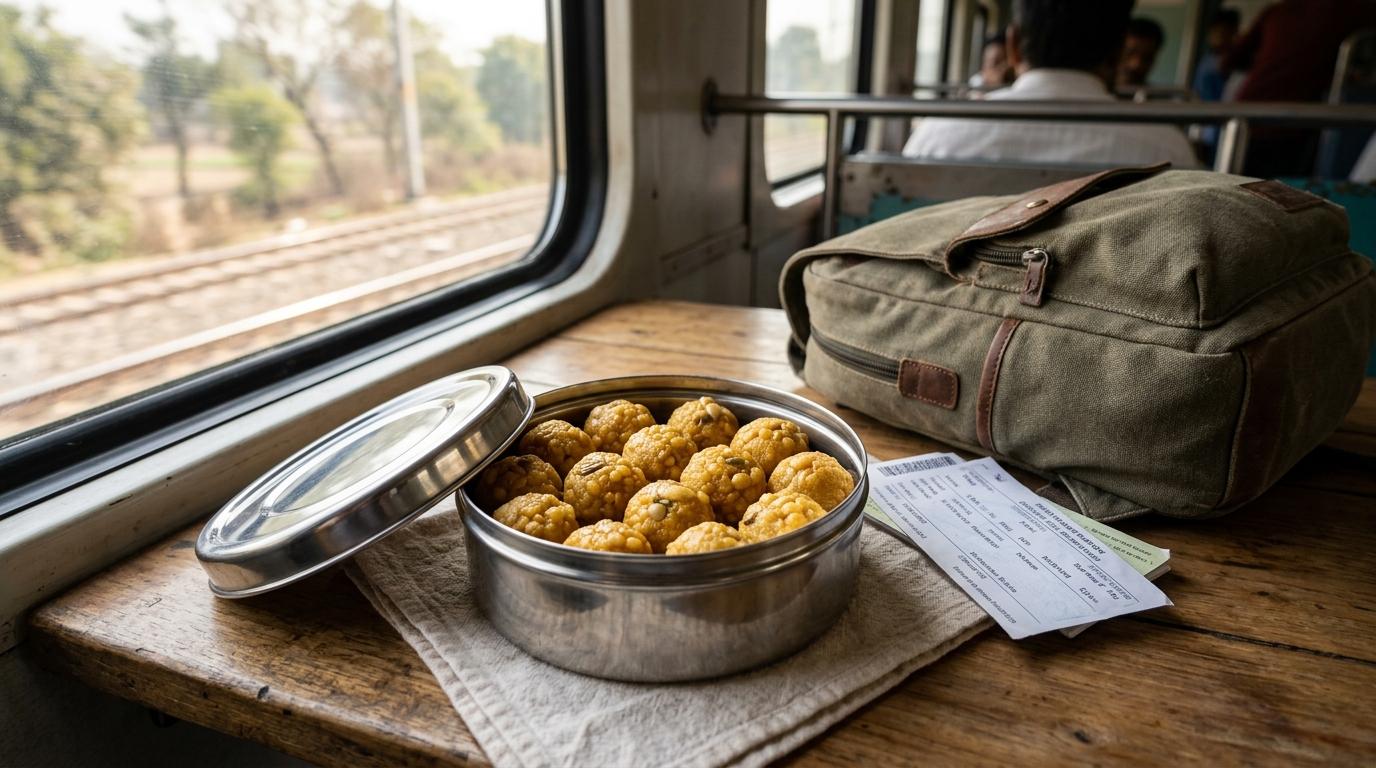
Bringing Tirupati Laddu prasadam home is a special part of a Tirupati trip. For many families, one person carries it back for everyone — parents, children, relatives, neighbours, office friends, or someone who could not come for darshan.
So even though packing laddus may seem like a small thing, it really matters. Nobody wants to open the bag at home and find broken pieces, moisture, or a smell that makes them unsure.
This Tirupati Laddu travel packing guide is only about practical packing and food safety. It does not cover booking, price, or official temple procedures. It simply explains how to pack Tirupati laddus for train, flight, bus, and road travel, how to check Tirupati Laddu freshness, and when to eat, refrigerate, share, or discard it.
Tirupati Laddu is a ghee-based sweet with relatively low moisture, so it usually travels better than wet prasadam. But it still needs care. Heat, humidity, rain, rough handling, wet bags, and nearby food packets can all affect its quality.
Prasadam is sacred, but it is still food. If something feels doubtful, it is always better to be careful.
Quick Answer: How to Pack Tirupati Laddu for Travel
#If you are short on time, follow these simple tips:
- Keep the laddus in a hard, airtight food container.
- Do not carry them loose in a thin plastic cover.
- Avoid placing heavy clothes, books, coconuts, water bottles, or other luggage over them.
- Keep the box away from direct sunlight, vehicle heat, damp bags, and wet prasadam.
- For Tirupati Laddu train travel, keep the container in your handbag or small carry bag.
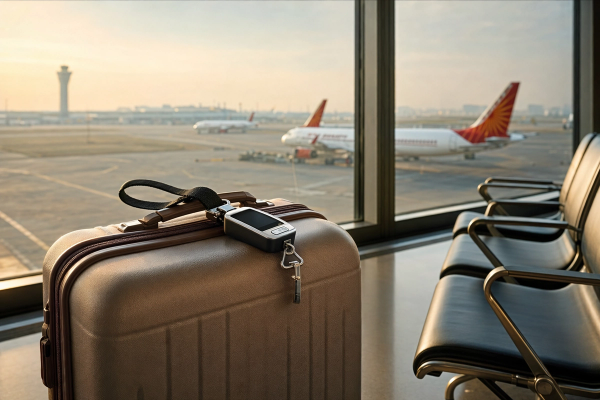
- To carry Tirupati Laddu in flight, cabin baggage is usually better for protection.
- Keep the box easy to open in case inspection is needed.
- Eat or share the laddus sooner if the weather is hot, humid, or rainy.
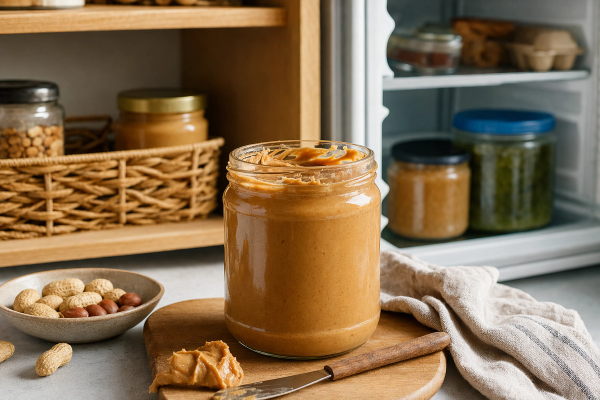
- At home, store them in a cool, dry place. Refrigerate in an airtight box if the weather is warm.
- Discard the laddu if you notice mold, sour smell, rancid smell, odd stickiness, unusual wetness, or insects.
Many people say Tirupati Laddu can stay good for around 15 days if stored properly. But do not treat this as a fixed guarantee. Travel conditions make a big difference. Heat, monsoon humidity, repeated opening, and poor packing can reduce freshness much faster.
Why Tirupati Laddu Needs Care During Travel
#Tirupati Laddu travels better than many wet temple foods because it is made with ingredients like ghee, sugar, and gram flour. Still, it should not be packed casually.
The main travel problems are:
- CrushingLaddus can break easily if kept in soft bags, crowded train racks, checked luggage, or under heavy items.
- MoistureRain, humidity, leaking water bottles, wet clothes, umbrellas, or wet prasadam can spoil the texture and reduce shelf life.
- HeatHot car boots, bus luggage compartments, sunlight, and long waits on platforms can affect ghee-based sweets.
- Air exposureIf laddus are left open or loosely covered, they may become stale, dry, or exposed to contamination.
- Mixing with other foodPacking laddus with pulihora, curd rice, pongal, chutney, sambar rice, or other moist foods is a common mistake.
The safest rule is simple: keep the laddu dry, sealed, cool, and protected.
Best Tirupati Laddu Travel Packing Method
#A few minutes of careful packing can save you a lot of disappointment later.
1. Use a hard container
#Use a strong stainless steel box or sturdy food-grade plastic container. It should not bend easily when pressed.
Try not to depend only on:
- Thin plastic covers
- Paper bags
- Cloth bags
- Soft pouches
- Loose newspaper wrapping
These may be fine for a short distance, but they are not enough for long train, flight, bus, or road travel.
2. Keep the container airtight
#An airtight lid helps protect the laddu from outside moisture, dust, smells, and air exposure. It also keeps crumbs from spreading inside your bag.
If the box is bigger than the number of laddus, gently fill the empty space with clean butter paper, food-safe paper, or a dry clean cloth around the sides. Do not press the laddus tightly. The goal is to stop movement, not squeeze them.
3. Pack in small batches
#If you are carrying many laddus for family and friends, avoid putting everything in one large box. Use two or three smaller containers if possible.
This helps because:
- You can open one box without exposing all the laddus.
- Smaller boxes are easier to share.
- Less movement means less breakage.
- If one box gets wet or damaged, the others may still be safe.
4. Keep wet and dry items separate
#Never pack Tirupati Laddu with wet prasadam or cooked food. Even if everything is prasadam, dry sweets and moist foods need different care.
Use separate containers and, if possible, separate bags. Also, do not place wet food packets above the laddu box. If they leak, the laddu may spoil quickly.
5. Keep it in an easy-to-reach bag
#Do not bury the laddu container at the bottom of a suitcase. Keep it in a small backpack, handbag, or side bag that stays with you.
This is especially useful in trains and buses, where luggage keeps shifting and bags are often pushed around.
Dry Sweet Versus Wet Prasadam Differences
#This is something many travellers forget.
Tirupati Laddu is a dry, ghee-based sweet compared to foods like pongal, curd rice, pulihora, sambar rice, or other cooked prasadams. Since it has less moisture, it usually keeps better when packed properly.
Wet prasadam is different. It needs more care and should be eaten much sooner.
Dry or low-moisture prasadam, like laddu
#These foods usually travel better when they are:
- Packed in airtight containers
- Kept dry
- Protected from heat
- Not mixed with wet foods
- Stored in a clean, cool place
Still, always check before eating, especially after long travel.
Wet prasadam, like cooked rice dishes or dairy-based items
#Wet prasadam can spoil faster because moisture supports bacterial growth, especially in hot and humid weather.
Be extra careful with:
- Curd rice
- Pongal
- Pulihora
- Rice-based prasadam
- Dairy-based offerings
- Any prasadam with chutney, coconut, or gravy-like moisture
Do not store wet prasadam with laddus. Once moisture enters the laddu, its freshness can reduce quickly.
For more general temple food safety tips during rainy trips, you can also read the AllBlogs guide on Temple Prasadam Food Safety During Monsoon Trips.
Tirupati Laddu Train Travel: Packing for Long Journeys
#Train journeys are one of the most common ways people bring Tirupati Laddu home. They are also rough on food packets. Bags get stacked, people move in and out, and luggage is pushed under seats or kept on racks.
For safe Tirupati Laddu train travel, pack the laddus for both freshness and protection.
Use a strong box before boarding
#If possible, shift the laddus into a hard airtight container before boarding the train. Do not wait until the train starts moving, especially if you are travelling with children, elders, or a lot of luggage.
A steel dabba or strong food container works well because it protects the laddu from pressure.
Keep it away from heavy luggage
#Do not place the laddu box:
- Under suitcases
- Below backpacks
- Near metal trunks
- Under seats where bags may be pushed
- Inside a bag with shoes, wet clothes, or water bottles
Keep it in a small carry bag near you.
Avoid heat and window sun
#Train windows can bring in strong sunlight during the day. Heat can soften the ghee and change the texture of the laddu. Keep the container in a shaded place.
Also avoid damp floors or spots where spilled tea, water, or food may reach the bag.
During monsoon travel
#Monsoon travel needs extra care because humidity can affect prasadam faster.
If you are travelling in rainy weather:
- Make sure the lid is tight.
- Keep the container inside a dry bag.
- Do not keep it with wet umbrellas or raincoats.
- Avoid opening the box again and again.
- Share or eat it sooner after reaching home.
A dry cotton cloth around the container can help protect it from small bumps and outside dampness, but it is not a replacement for an airtight box.
How to Carry Tirupati Laddu in Flight
#Many people wonder if they can carry Tirupati Laddu in flight. From a packing point of view, cabin baggage is usually better than checked baggage because you can keep the box upright and avoid rough luggage handling.
Airline and airport checks can vary, especially on international routes. So keep the packing clean, simple, and easy to inspect if asked.
Cabin baggage is usually better for protection
#Cabin baggage helps because:
- You can prevent crushing.
- You can keep the box upright.
- You can avoid pressure from heavy suitcases.
- You can open the box if security staff asks to inspect it.
Use a hard airtight box and keep it near the top of your cabin bag.
Keep it easy to open
#Do not wrap the box with too much tape or cloth. Security staff may ask to see what is inside. A clean transparent box, or at least an easy-open container, is more convenient.
If you are flying internationally, check the food carriage rules for your route before travel. This guide is not making any official flight rule claim.
Avoid leakage from other items
#Even if laddus are not liquid, your bag may contain water bottles, toiletries, pickles, oils, or other food items. Keep all these separate.
One small leak inside the bag can spoil the prasadam.
Manage temperature changes
#Flights are air-conditioned, while airports and outside areas may be warm or humid. Keep the laddu box sealed so moisture does not enter when moving between hot and cold places.
Avoid opening the box unnecessarily during the journey. Every opening allows air in, and sometimes moisture too.
Bus and Road Travel Tips
#Bus and road journeys can be hot, crowded, and bumpy. The same Tirupati Laddu travel packing rules apply, but heat control becomes even more important.
Do not keep laddus in the vehicle boot for long
#Car boots and bus luggage compartments can get very hot, especially during the day. If possible, keep the laddu container with you inside the vehicle, away from direct sunlight.
Protect from bumps
#Road travel can shake the box continuously. Use a container that fits the laddus well without crushing them. If there is extra space, use clean dry paper or a dry cloth around the sides to reduce movement.
Keep away from wet bags
#On family trips, food bags often get mixed with water bottles, towels, fruits, wet clothes, and rain gear. Keep the prasadam separate.
If the outer bag becomes wet, move the container to a dry bag as soon as possible.
Tirupati Laddu Freshness: What to Check Before Eating or Sharing
#Before giving the laddu to children, elders, guests, or neighbours, check it properly. Tirupati Laddu freshness is best judged by smell, appearance, and texture.
Check carefully if:
- The journey was long.
- The weather was humid or rainy.
- The box was opened many times.
- The laddu was packed near other foods.
- The container was exposed to heat.
- You are close to the end of the usual storage period.
Signs the laddu seems fresh
#A fresh laddu usually has:
- Pleasant ghee and roasted gram flour smell
- Sweet, familiar aroma
- Firm but breakable texture
- No visible mold
- No unusual wetness
- No sour or rancid smell
If the laddu becomes a little firm in an air-conditioned room or refrigerator, that is usually normal because of the ghee. Firmness alone does not mean it is spoiled.
Warning signs: do not ignore these
#Discard the laddu if you notice:
- White, green, black, or fuzzy patches
- Sour smell
- Rancid or stale oil-like smell
- Slimy surface
- Unusual dampness
- Thread-like stickiness
- Bitter or odd taste
- Insects or contamination
Do not scrape off mold and eat the remaining part. If mold is visible, discard that laddu fully. It is better to lose one sweet than risk falling sick.
When to Eat, Refrigerate, Share, or Discard
#Once you reach home, here is a simple way to decide what to do.
Eat soon if
#- The journey was long and hot.
- You travelled during monsoon.
- The laddu was not packed in a hard airtight box.
- The container was opened many times.
- You want to serve children or elders.
Fresh prasadam is best enjoyed earlier. It is better not to stretch it until the last possible day.
Share within a few days if
#- The laddus look and smell normal.
- They were packed properly.
- Your home is cool and dry.
- You are distributing them soon.
Use clean hands or a clean spoon while handling. Try not to touch all the laddus again and again.
Refrigerate if
#- Your kitchen is warm.
- The weather is humid.
- You plan to keep the laddus longer.
- You are not sharing them immediately.
Use an airtight container before refrigeration. Laddus can absorb fridge smells if kept loose or uncovered.
Discard if
#- Mold appears.
- The smell changes.
- The texture becomes slimy or unusually wet.
- The box got wet inside.
- The laddu was exposed to unsafe handling.
- You are unsure and it is meant for children, elders, or guests.
When in doubt, choose safety.
Storage After Reaching Home
#Once you reach home, do not leave the prasadam inside travel bags for hours. Unpack it, check it, and store it properly.
Step 1: Check the container
#Open the outer bag and look for moisture. If the outside of the container is wet, wipe it dry before opening. If water has entered inside the container, treat the laddus as high risk.
Step 2: Let the temperature settle
#If the box moved from a hot place to a cold room, or from an air-conditioned place to a warm kitchen, keep it closed for a short while. This helps reduce sudden condensation inside.
Avoid opening the box immediately if there is visible moisture outside.
Step 3: Choose room storage or refrigeration
#For short-term use, a cool and dry kitchen shelf may be enough. Use a clean steel or airtight food container and keep it away from the stove, sink, sunlight, and damp walls.
For longer storage, or in hot and humid weather, refrigeration is safer.
Step 4: Take out only what you need
#Do not keep opening the main container for every visitor. If you plan to share, divide the laddus into smaller clean containers.
This reduces exposure to air, moisture, and repeated handling.
Step 5: Let refrigerated laddu soften before eating
#A refrigerated laddu may become firm because of the ghee. Take out only the portion you need and let it rest at room temperature for a short time before serving.
Do not keep taking the same laddu in and out of the fridge many times.
Common Packing Mistakes to Avoid
#These small mistakes happen very often during temple trips.
Packing laddus with wet prasadam
#This is the biggest mistake. Keep dry sweets and wet foods separate.
Keeping laddus in checked luggage without protection
#Checked bags can be handled roughly. If you must keep laddus in big luggage, use a hard airtight container and cushion it properly.
Leaving the box in a hot car
#Heat can affect taste, texture, and freshness. Keep prasadam away from direct sun and vehicle heat.
Opening the box too often
#Every opening increases exposure to air, hands, and moisture. Open only when needed.
Sharing without checking freshness
#Even if the laddu looks okay at first, smell it and inspect it before distributing.
Keeping it near strong-smelling foods
#Ghee-based sweets can absorb smells. Keep them away from pickles, onions, garlic, strong spices, and fridge odours.
A Simple Family Packing Checklist
#Before leaving Tirupati or starting your journey home, quickly check this:
- Hard airtight container is packed
- Laddus are not squeezed
- Wet prasadam is packed separately
- Water bottles are kept away
- Bag is dry inside
- Container is near the top of hand baggage
- No heavy items are pressing on it
- It is away from direct sunlight
- You have a plan to eat, share, or refrigerate after reaching home
This checklist is useful when travelling with a group because bags often get mixed up and repacked in a hurry.
Final Safety Note
#Tirupati Laddu is prasadam, and people naturally want to carry it home with love. The best way to respect it is to handle it cleanly, protect it from heat and moisture, and avoid serving it if freshness is doubtful.
Pack it like a delicate food, not like an ordinary sweet box. Keep it dry, sealed, and protected. Check before sharing. Refrigerate when needed. Discard if there are spoilage signs.
That is the main idea behind safe Tirupati Laddu travel packing.